
more
One World, Many Voices
Posts tagged with One World, Many Voices
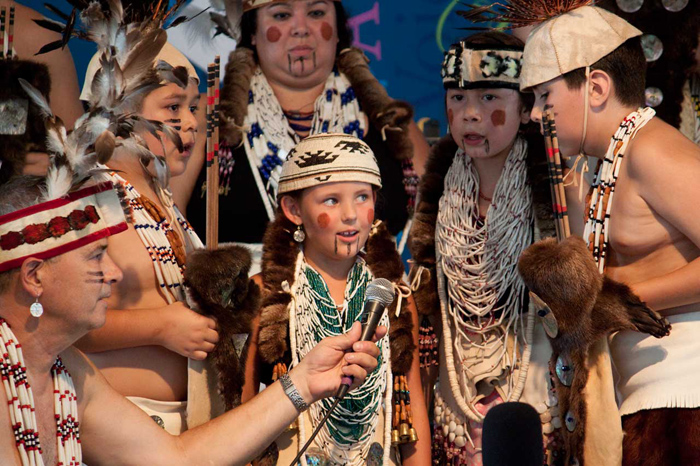
For a lot of people who read these words, it may be a bit difficult to understand the real plight of endangered languages around the world.
On a hot day this past summer, I had the opportunity to capture footage, help direct, and edit videos about the Smithsonian Folklife Festival
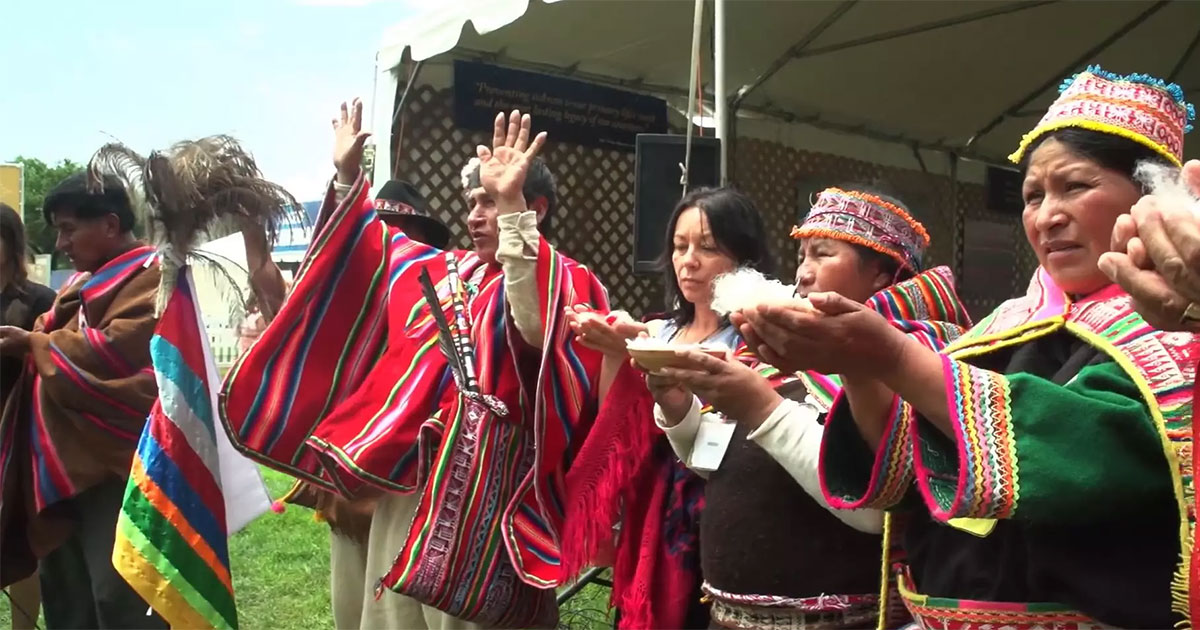
The Kallawaya people, who make their home high in the Bolivian Andes, developed intricate systems of traditional medicinal practices and belief.
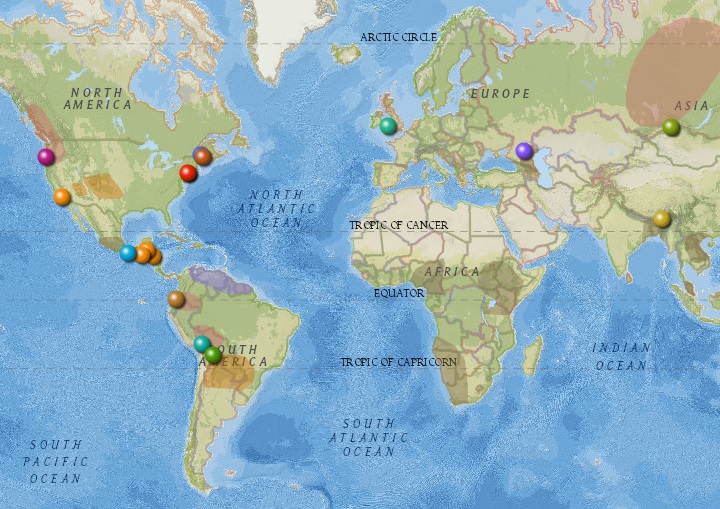
I’m approaching the day when I must leave school and make my way in the world; as a graduate student, I’ve been asking myself on a daily basis
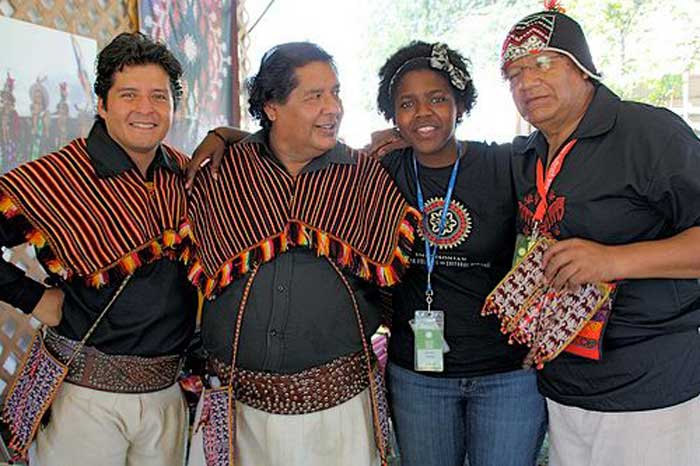
Countless times throughout the Festival as I walked through the One World, Many Voices site, I couldn’t help but feel an overwhelming sense of how fortunate I was

When Marjorie Hunt, co-curator of this past summer’s One World, Many Voices: Endangered Languages and Cultural Heritage program
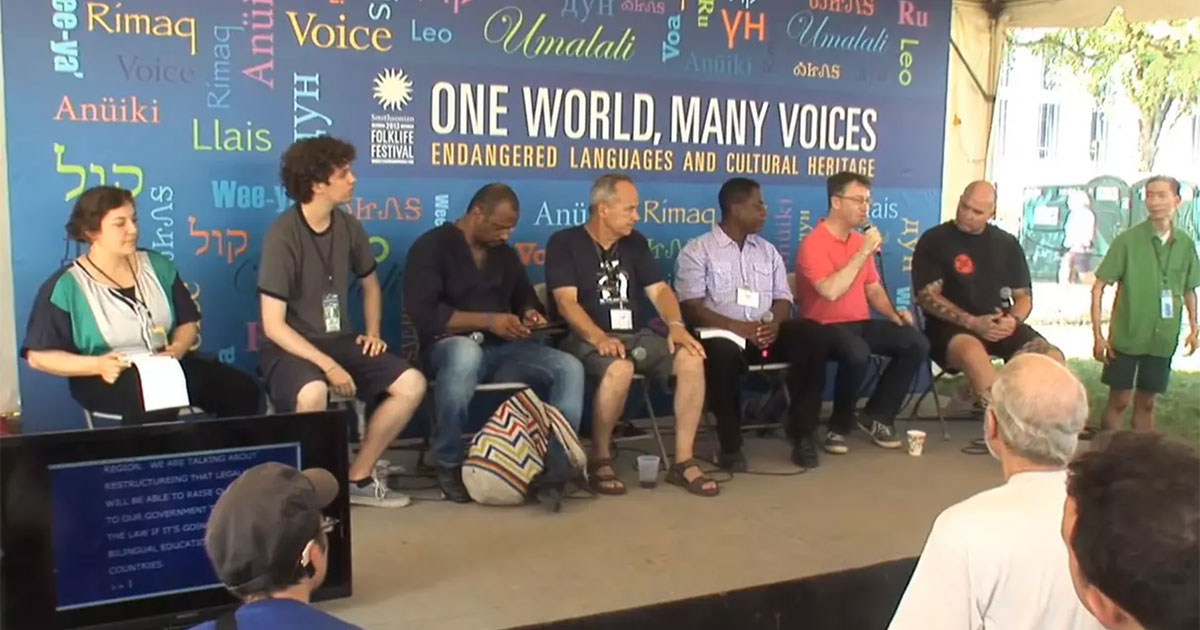
International participants of the One World, Many Voices program discuss their experiences with federal, state, and community language policies.
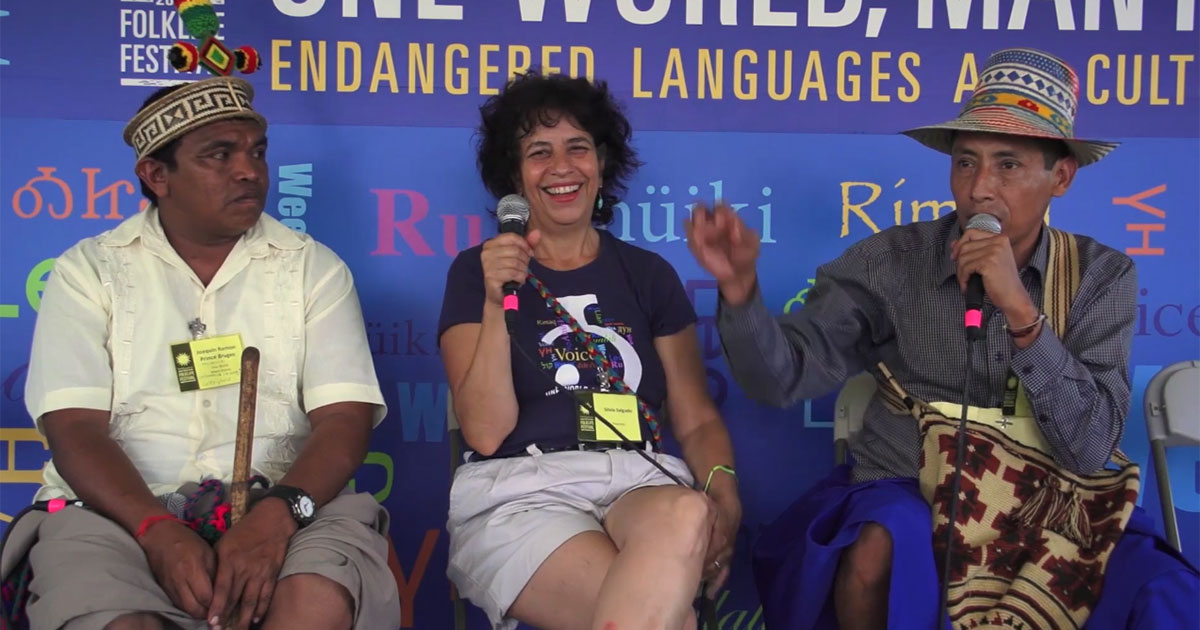
What’s in a greeting? Instead of wishing their neighbors good morning, the Wayuu people of Colombia and Venezuela ask each other about the preceding night’s dreams.
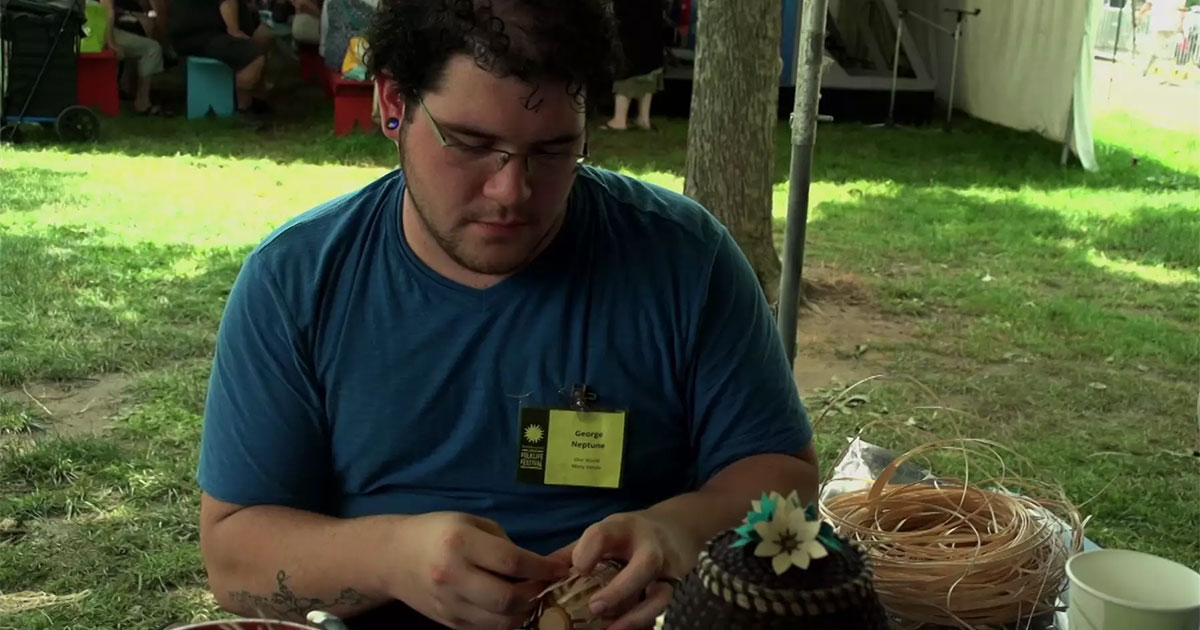
Passamaquoddy is a unique language spoken by the Wabanaki Indians of northern Maine, with only a few hundred native speakers left.
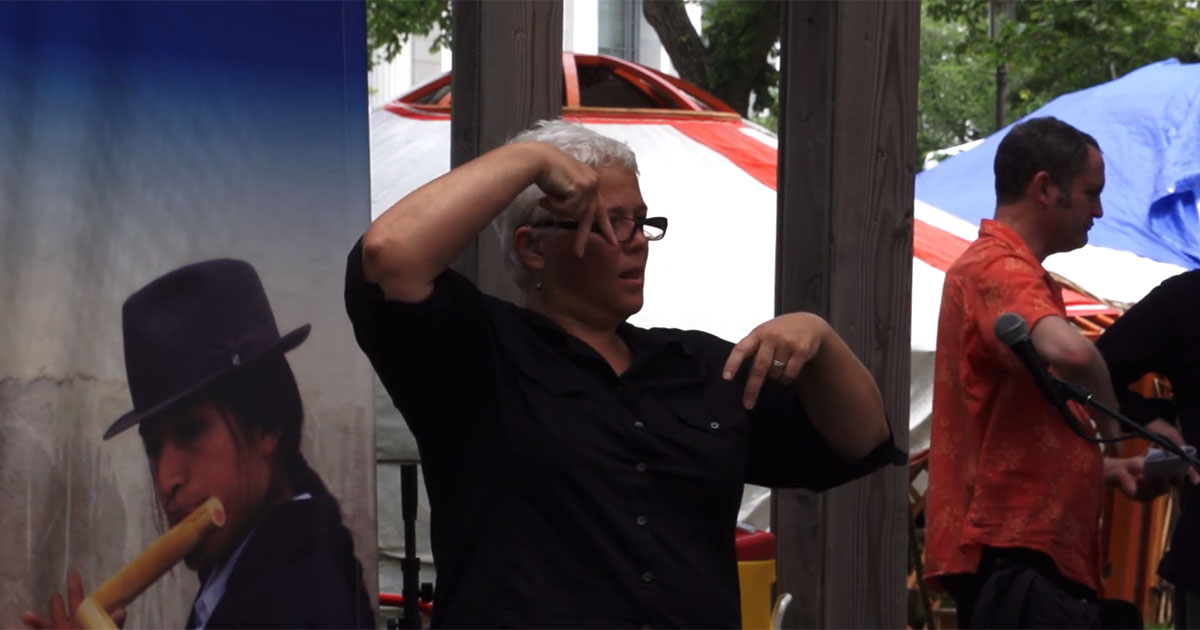
Glenna Cooper, a graduate student at Gallaudet University, recounts how her father supported her during an early experience of discrimination.
Support the Folklife Festival, Smithsonian Folkways Recordings, Cultural Vitality Program, educational outreach, and more.