
#DontMuteDC: An Oral History

r was forced to turn his music down after a neighbor from a new luxury condo complained to T-Mobile national headquarters. This precipitated the #DontMuteDC uprising which morphed into an urgent public conversation about gentrification, culture, and racial inequality. A Howard University and Smithsonian Folklife Festival team captured voices from the movement on June 6, 2019. The recordings and transcripts will be accessible through the Ralph Rinzler Folklife Archives.
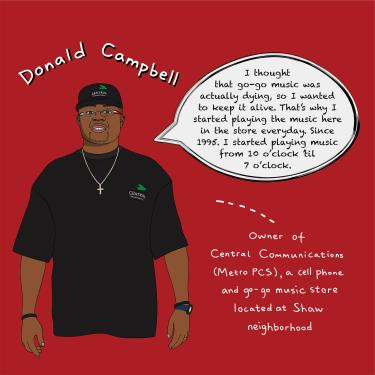
I wanted to keep it alive. That’s why I started playing the music here in the store every day. Since 1995. I started playing music from 10 o’clock ’til 7 o’clock.”

w black people have been muted pretty much our whole lives.”

It really just brought people together who was working in different fields to all collectively come and combat a situation, for a thriving business owner being pressured by gentrification.”

as something that happened, a way to attack injustices done to black people, natives in this city, moving forward.”
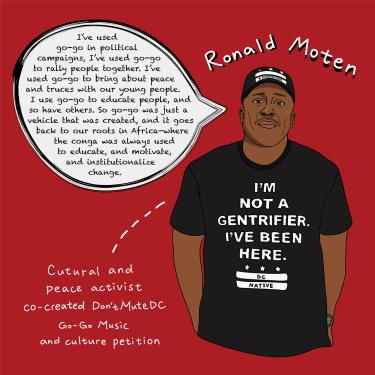
es with our young people. I use go-go to educate people, and so have others. So go-go was just a vehicle that was created, and it goes back to our roots in Africa—where the conga was always used to educate, and motivate, and institutionalize change.”

es with our young people. I use go-go to educate people, and so have others. So go-go was just a vehicle that was created, and it goes back to our roots in Africa—where the conga was always used to educate, and motivate, and institutionalize change.”

that helps us remember what is possible and how powerful we are as a people.”
Xueying Chang is an intern at the Smithsonian Folklife Festival and fine art and documentary photographer, pursuing her master’s degree at George Washington University. She is also a freelance writer, graphic designer, and videographer.