
more
Guest Author
Posts tagged with Guest Author
Every year I look forward to the Folklife Festival—there’s always a ton to do, and I love learning and experiencing new cultures from around the world. When I found out this year was going to be the Basque country, I immediately marked my calendar.

In the nineteenth century, American pioneers pushed through the boundaries of the nascent nation to undeveloped western lands, following their dreams of economic opportunity, self-determination, and prosperity.
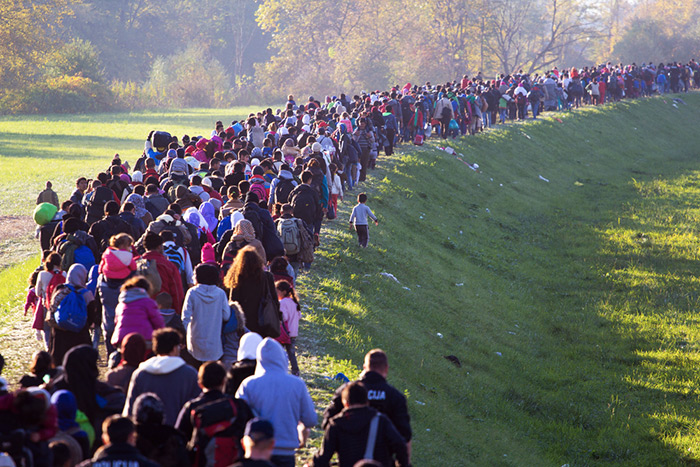
What happens to people when they move? What happens to the host cultures and the cultures they leave behind? How do others respond, and how might we respond more constructively?

The Folklore Society of Greater Washington is dedicated to preserving and promoting traditional folk arts in the Washington, D.C., metropolitan area.
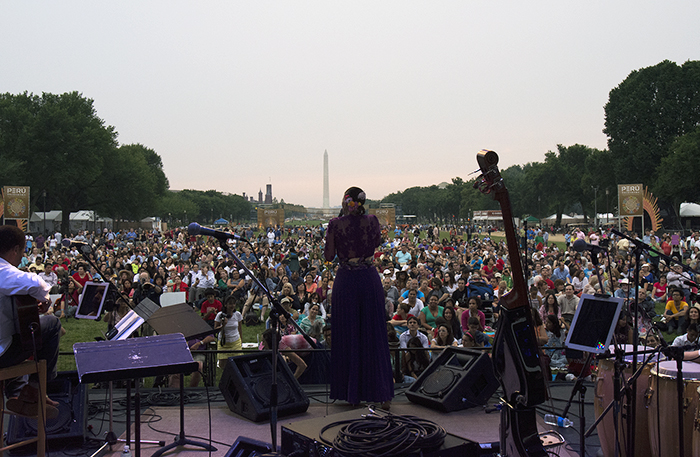
Julie Freundt was a participant in Perú: Pachamama, as the lead singer for the music and dance ensemble Marinera Viva!!! After seeing the 2015 Folklife Festival video “Crossing,” she sent us these song lyrics and reflection about her experience.
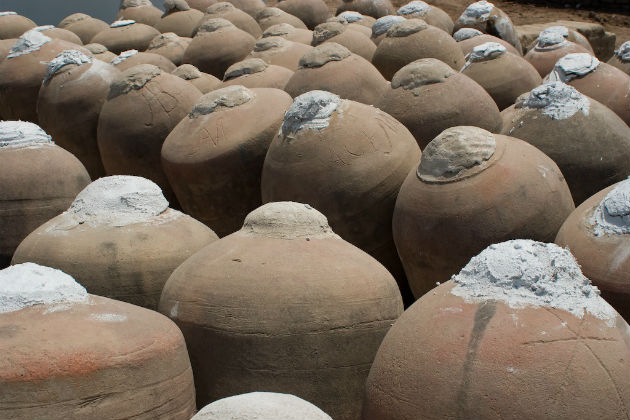
Long regarded as the national spirit of Peru, pisco is a grape brandy whose unique flavor and fragrance unites the European vine, the sunshine of Peru’s southern coast, and the wisdom of potters who create the jars in which the drink is stored.

Rufino Turpo shares the life-sustaining role of Pachamama: mother of all living beings, the core of existence, the symbol of fertility.
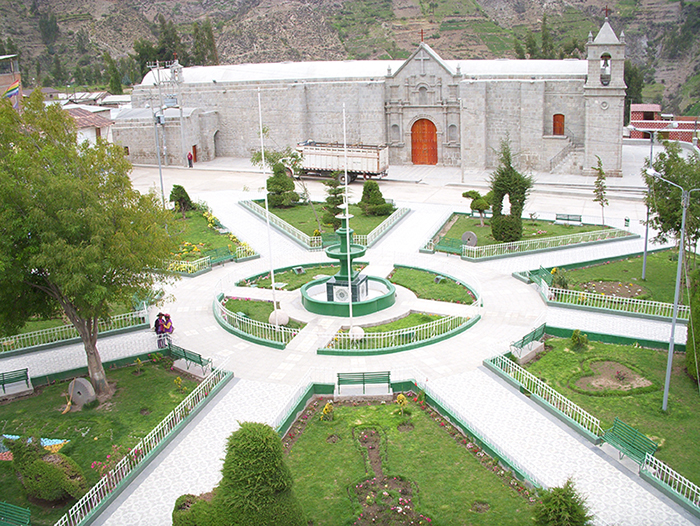
Since time immemorial, the Peruvian town of Carumas, set deep in the Ticsani valley in the Moquegua Region, has been the center of a great diversity of religious celebrations.
Support the Folklife Festival, Smithsonian Folkways Recordings, Cultural Vitality Program, educational outreach, and more.