
more
Mexico
Posts tagged with Mexico
Olivia Cadaval, Smithsonian curator, speaks in depth about the field research conducted for the México program.
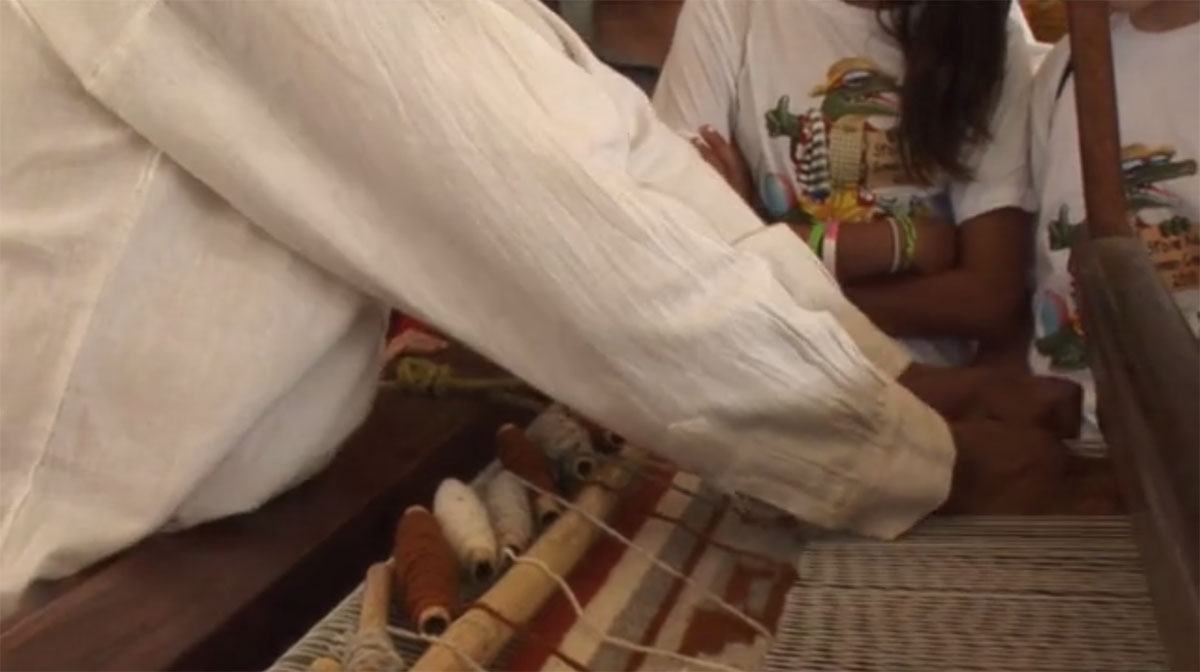
The Vincente Sosa family are weavers who operate a workshop above their home in Teotitlan del Valle. Together they create rugs influenced by both traditional and modern designs.
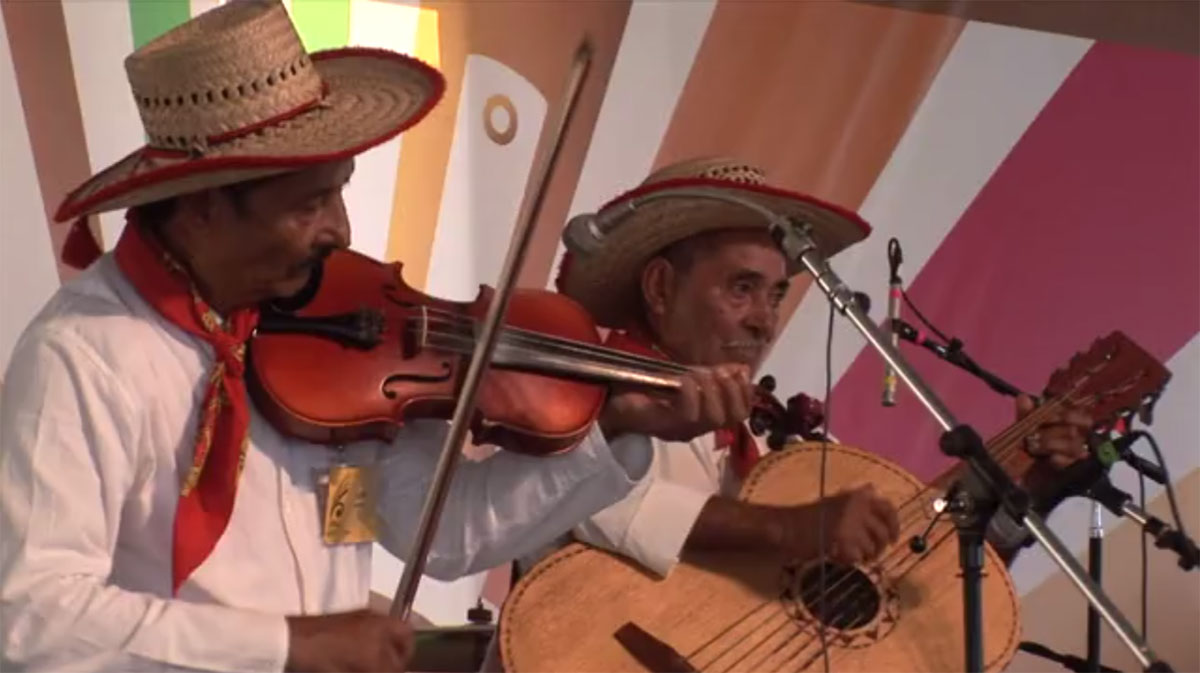
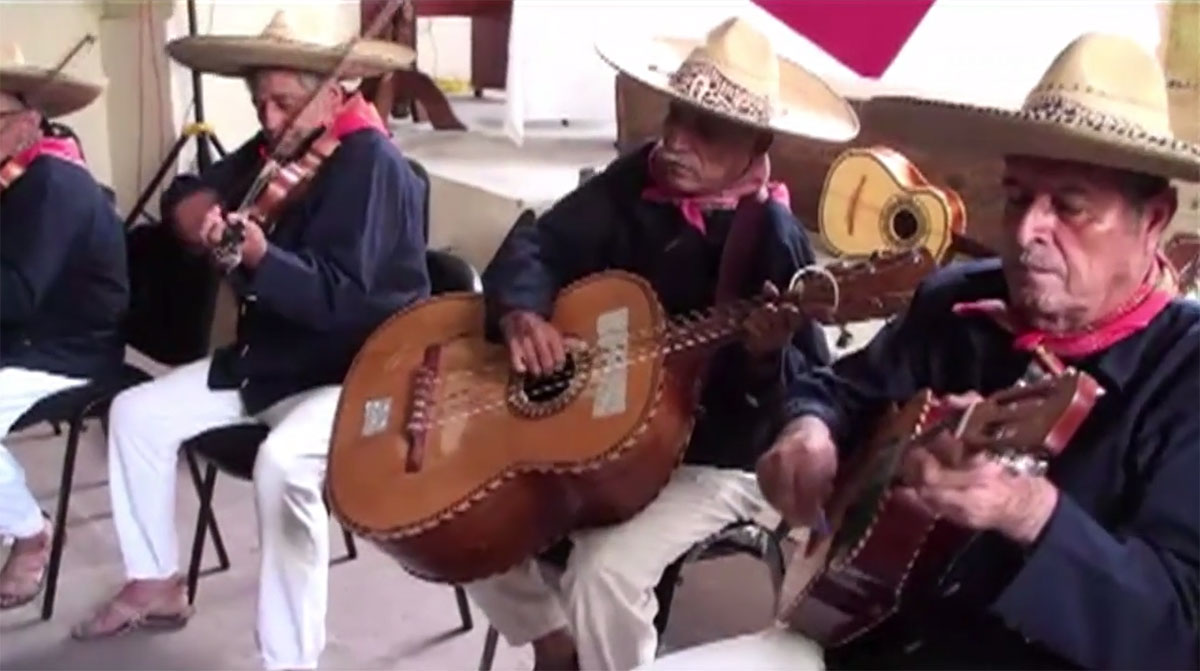
Mariachi Tradicional Los Tios from El Manguito, a remote community in the Sierra Madre Occidental Mountains of Jalisco, perform in a distinctive regional style that has flourished for more than 150 years.


Members of Chinelos de Atlatlahuacan come from the state of Morelos in Mexico. Their dance, still performed in communities today, originated in the 16th and 17th centuries and playfully mocks Spanish colonists.

Los Cardencheros de Sapioriz from the Comarca Lagunera region of Mexico perform their song "Hasta pronto mis queridos amigos" (Farewell My Dear Friends) in their passionate a capella style.
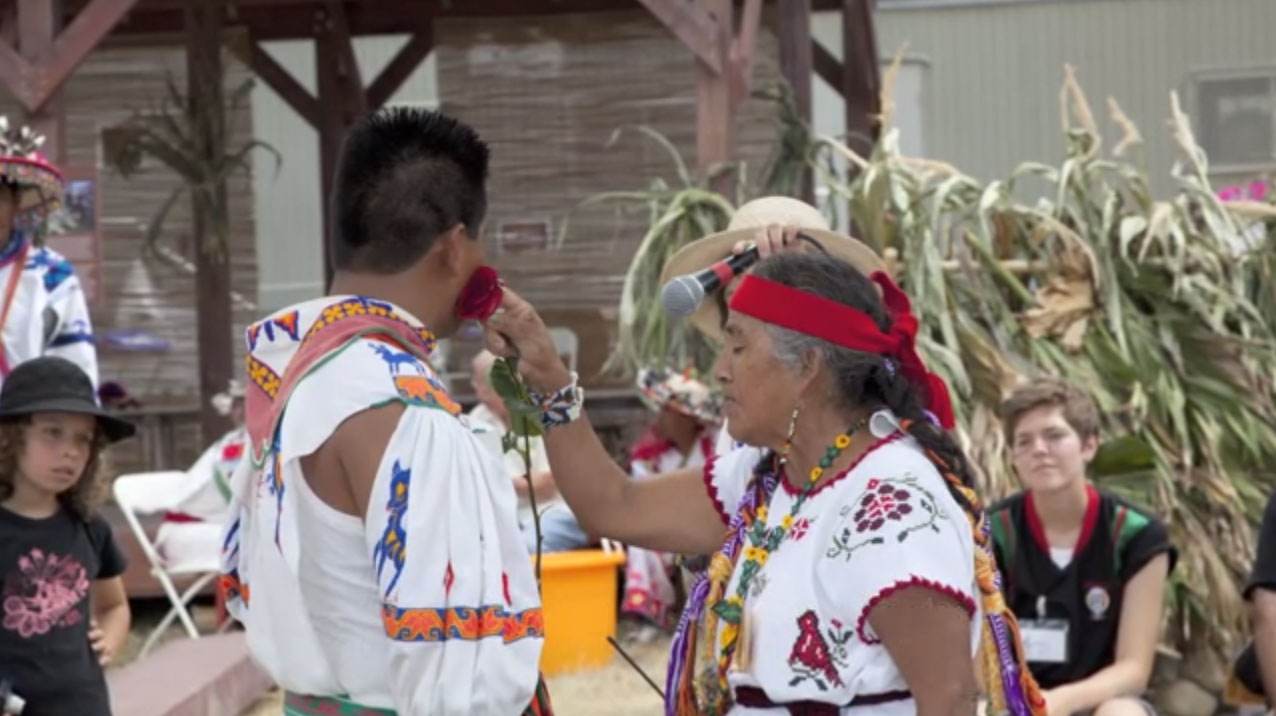
Amalia Salas is a well-respected healer and craftswoman in her community of Xochimilco, Mexico.

Blending the traditional Comcaac language, Seri, with the modernity of rock and roll, the Mexican band Hamac Caziim engages the crowd at the 2010 Smithsonian Folklife Festival.
Support the Folklife Festival, Smithsonian Folkways Recordings, Cultural Vitality Program, educational outreach, and more.