
more
2013 Festival
Posts tagged with 2013 Festival
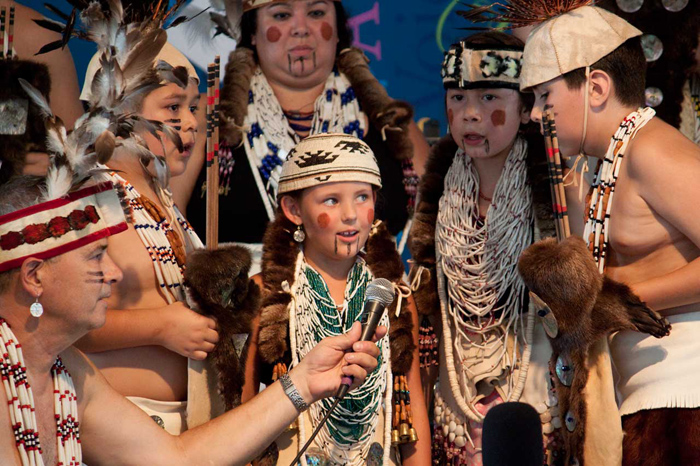
For a lot of people who read these words, it may be a bit difficult to understand the real plight of endangered languages around the world.
On a hot day this past summer, I had the opportunity to capture footage, help direct, and edit videos about the Smithsonian Folklife Festival

Have you noticed the black and white patterned squares on signs and advertisements, offering more information?
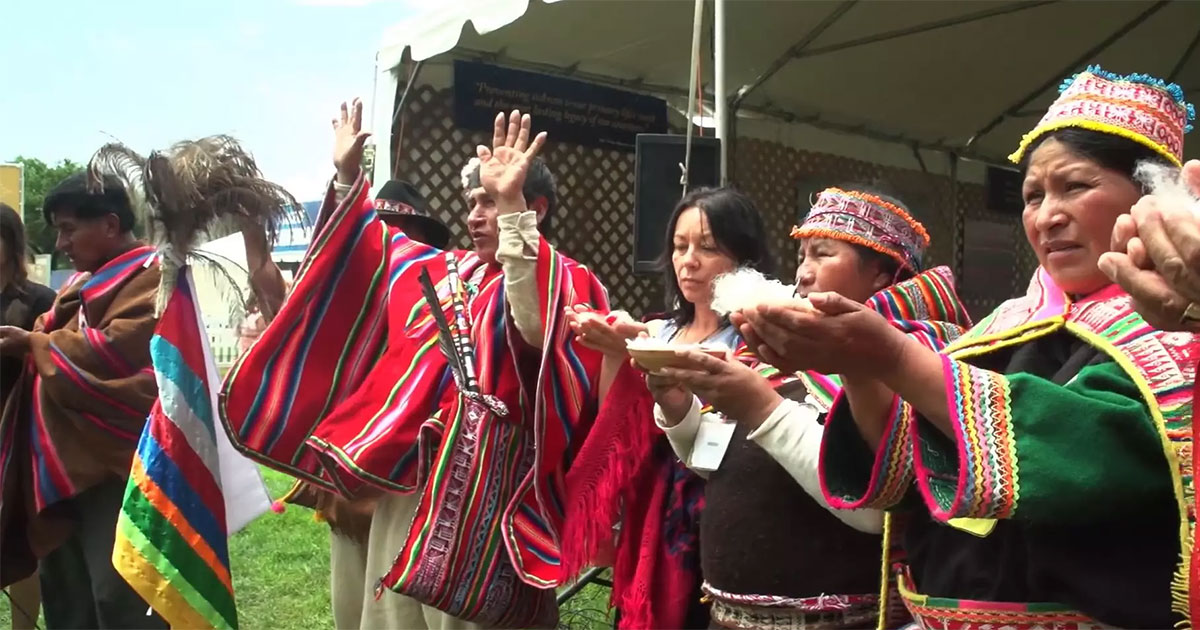
The Kallawaya people, who make their home high in the Bolivian Andes, developed intricate systems of traditional medicinal practices and belief.
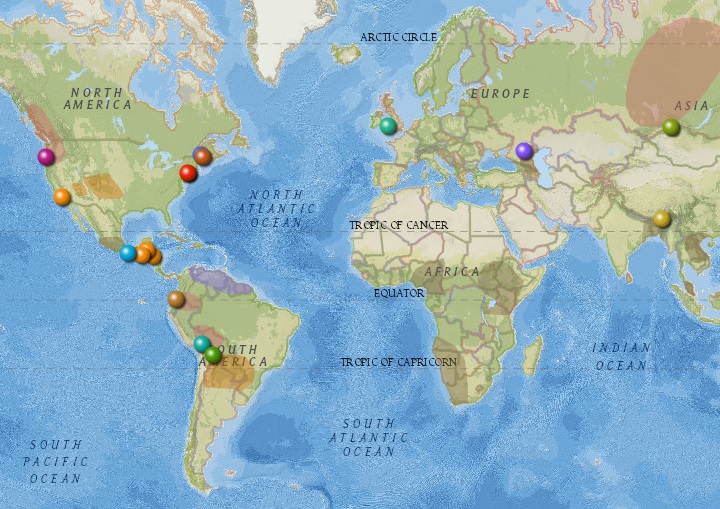
I’m approaching the day when I must leave school and make my way in the world; as a graduate student, I’ve been asking myself on a daily basis
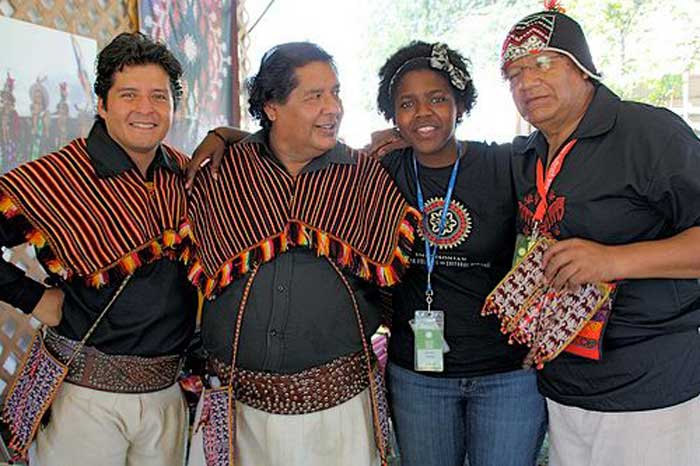
Countless times throughout the Festival as I walked through the One World, Many Voices site, I couldn’t help but feel an overwhelming sense of how fortunate I was

When Marjorie Hunt, co-curator of this past summer’s One World, Many Voices: Endangered Languages and Cultural Heritage program
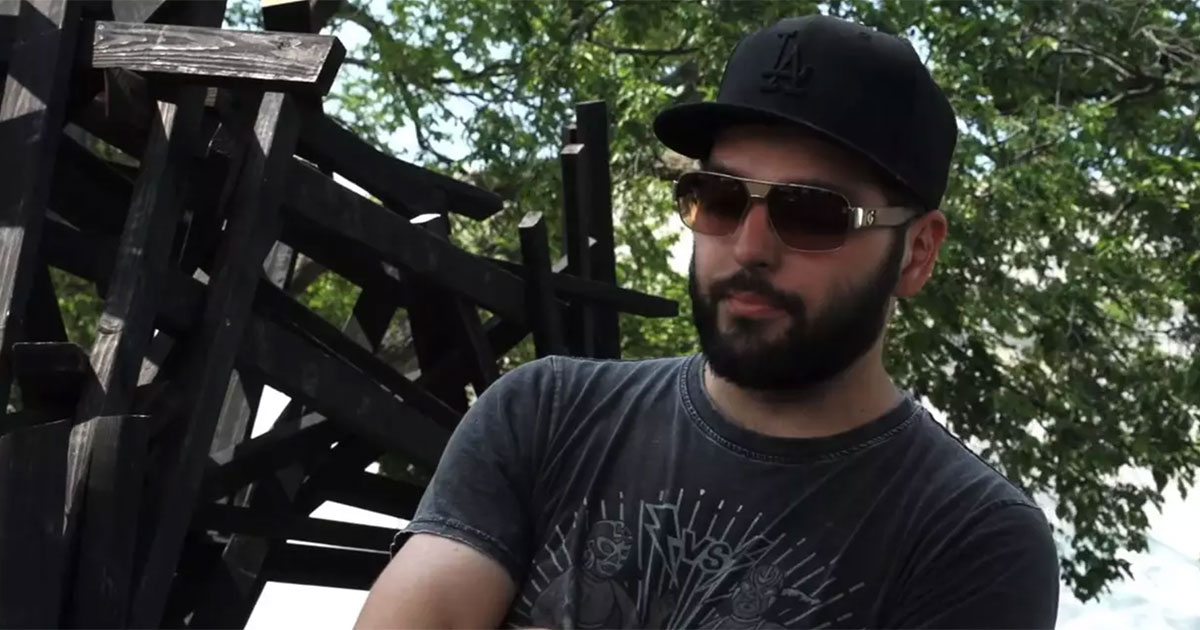
The Hungarian contemporary artist Gábor Miklós Szőke created a large-scale Puli dog sculpture for the Hungarian Heritage: Roots to Revival program at the 2013 Smithsonian Folklife Festival.
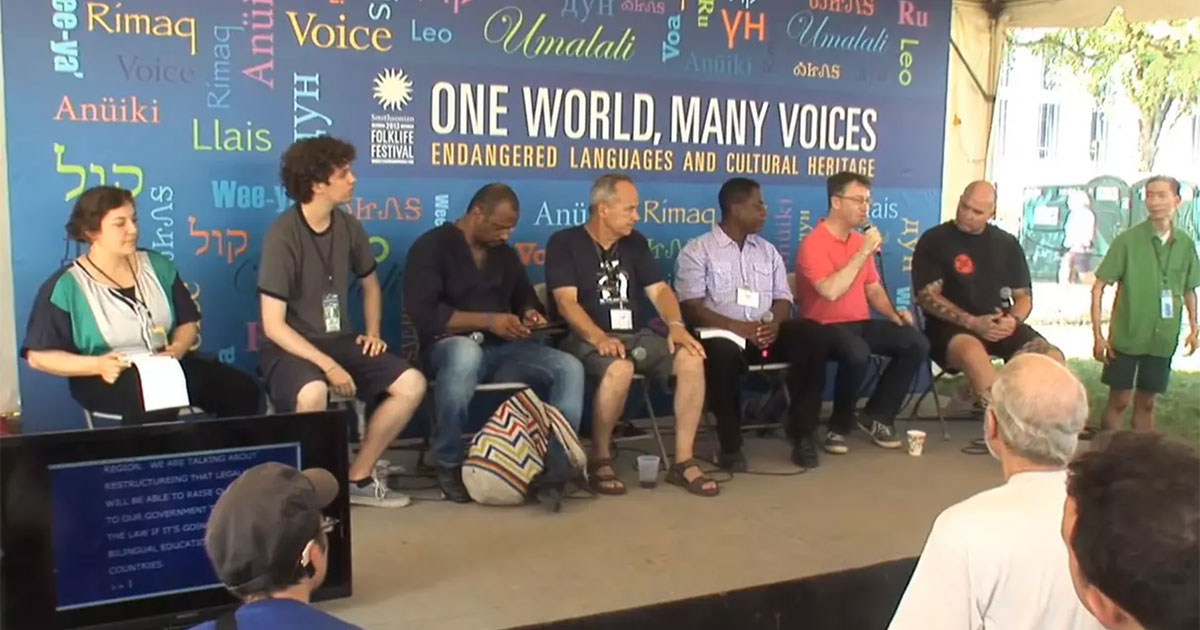
International participants of the One World, Many Voices program discuss their experiences with federal, state, and community language policies.
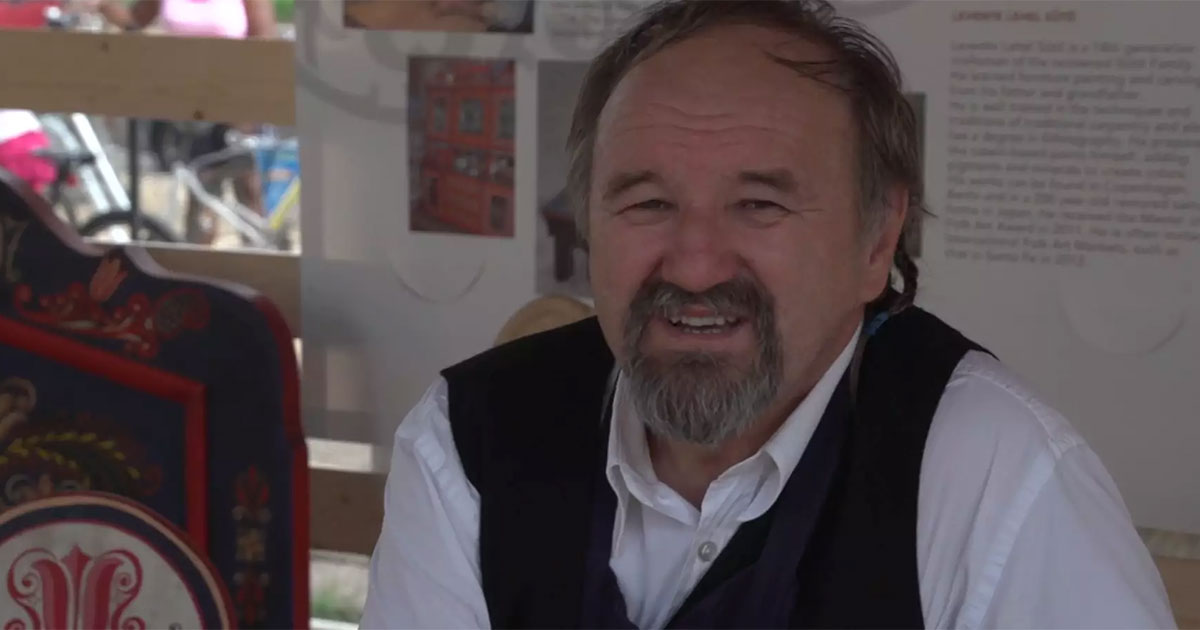
Artisan Levente Lehel Sütő’s family has been making traditional furniture since the end of the 16th century. At the 2013 Smithsonian Folklife Festival, Sütő shed light on his craft tradition and its significance for Hungarian cultural identity.
Support the Folklife Festival, Smithsonian Folkways Recordings, Cultural Vitality Program, educational outreach, and more.