
more
2013 Festival
Posts tagged with 2013 Festival
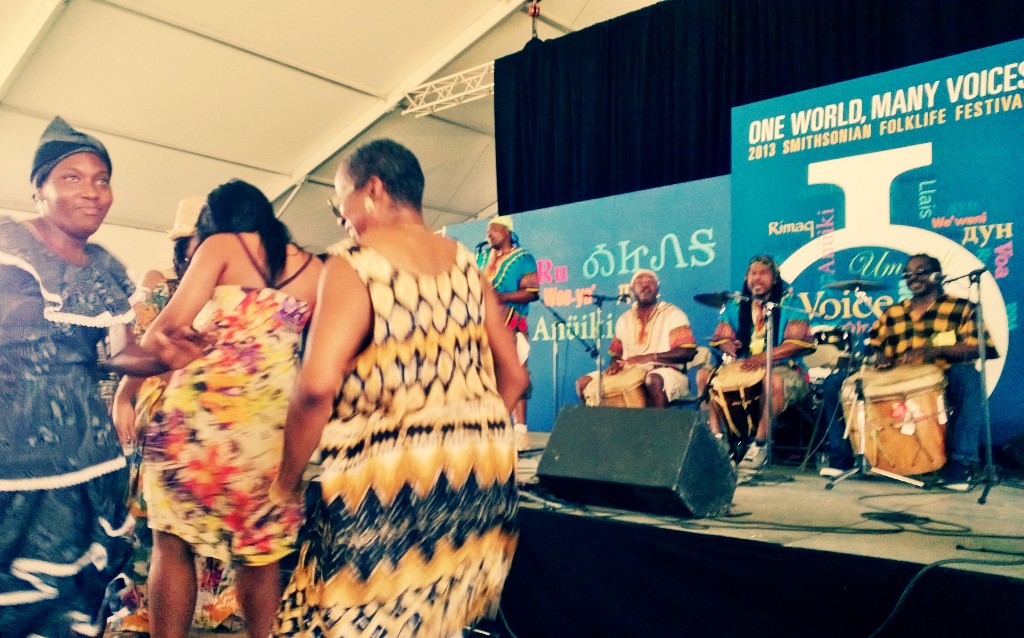
A crowd favorite at the 2013 Folklife Festival was the Garifuna drumming and dance group.
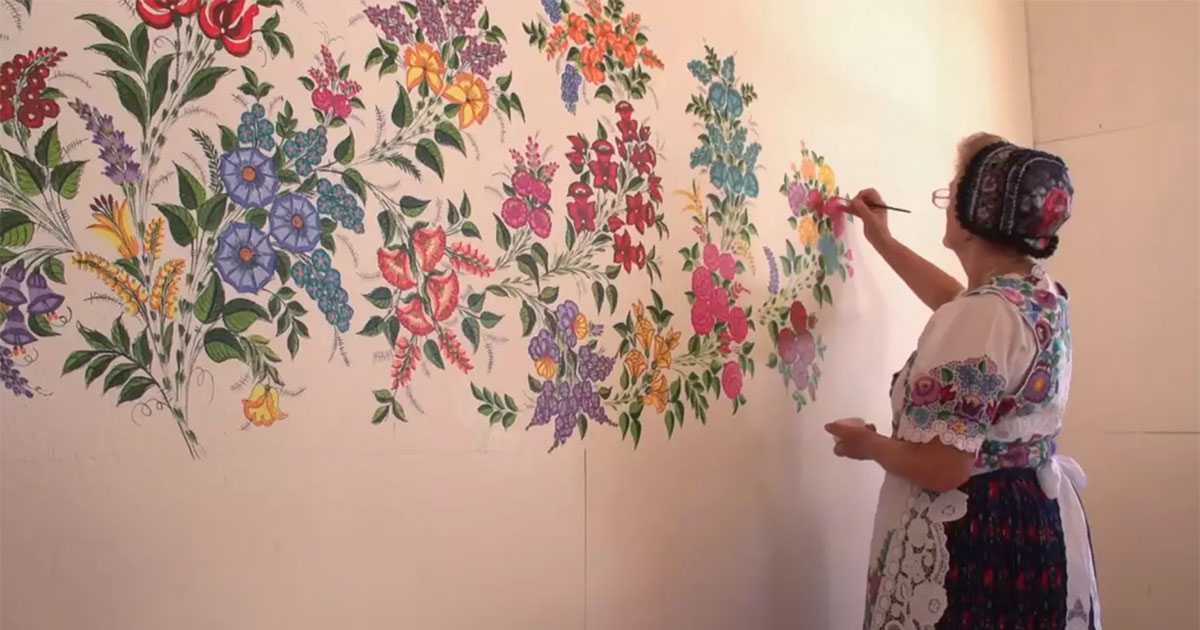
The 2013 Smithsonian Folklife Festival featured Hungarian Heritage: Roots To Revival as one of its three programs.
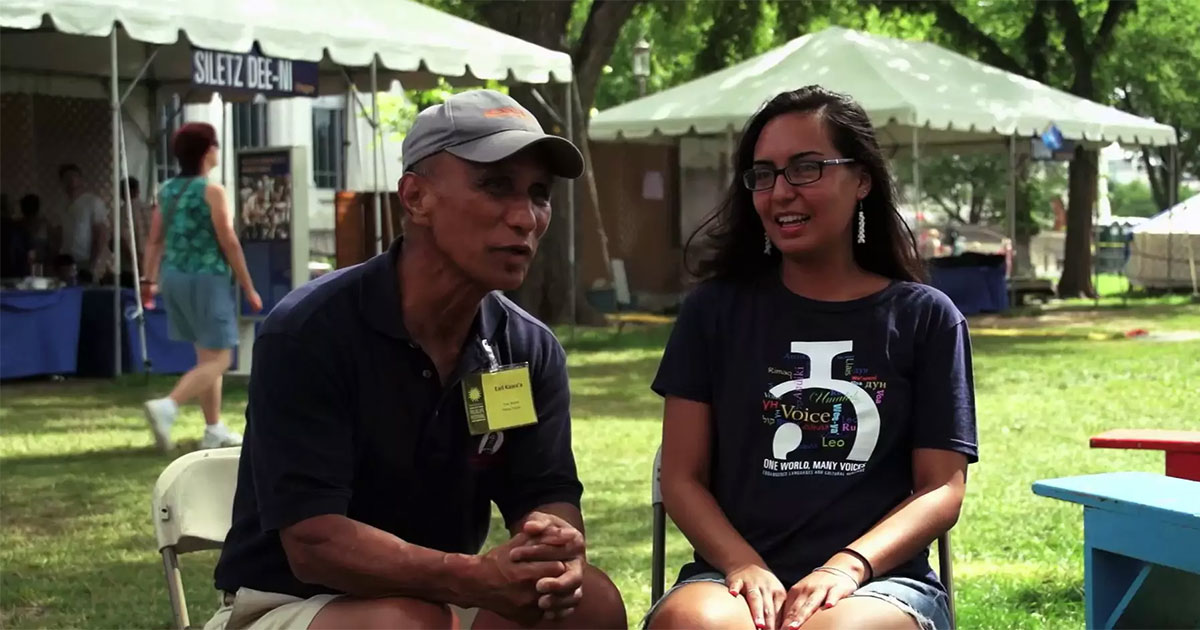
One World, Many Voices presenter Ka‘ai McAfee-Torco and her uncle Earl Kawa‘a, a taro farmer and therapist, explain the central role of the taro plant in the Hawaiian creation story and the importance of storytelling to the preservation of the Ha
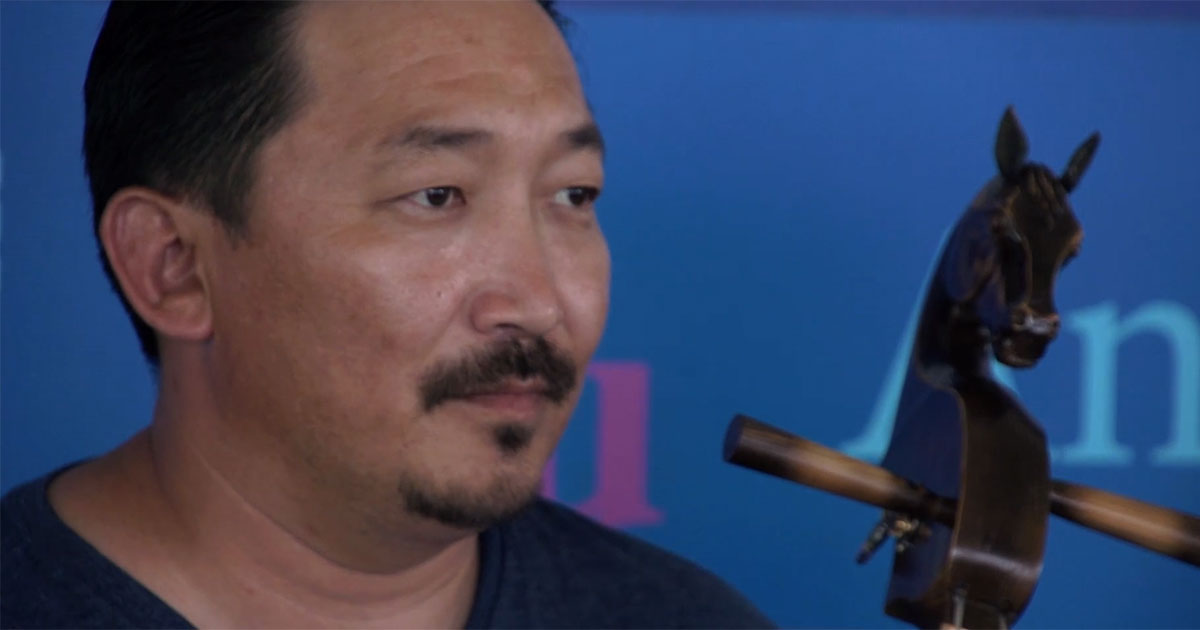
During a “cross-program” presentation at the 2013 Smithsonian Folklife Festival, participants demonstrated the influence of nature on their musical traditions.
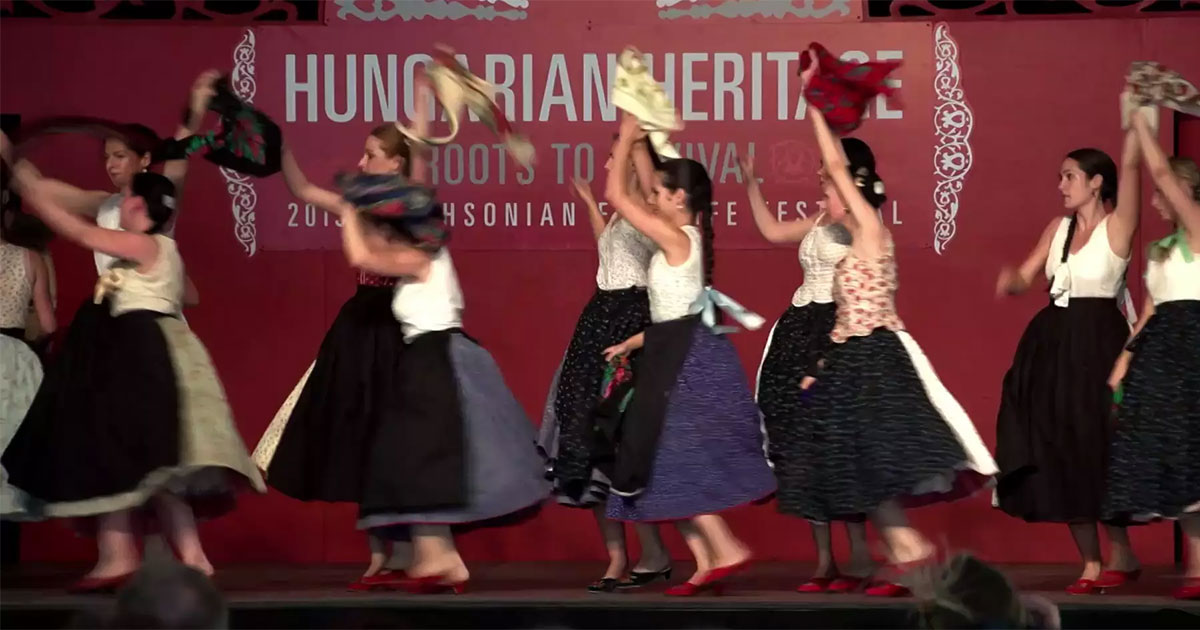
For the 2013 Smithsonian Folklife Festival, Hungarian choreographers Dezső Fitos and Enikő Kocsis created the “Hungarian Village” program, which presented the diverse customs, songs, music, and dances of Hungarian rural society from the 1900s.

Speakers of the Isthmus Zapotec language from Juchitán de Zaragoza in Oaxaca, Mexico, form a procession through the One World, Many Voices program space at the 2013 Smithsonian Folklife Festival.
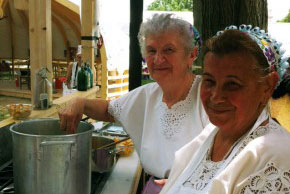
On the closing day of the 2013 Folklife Festival, Ilona Bolvári and Éva Bagó of the Kalocsa region of Hungary prepared one of the most iconic examples of Hungarian folk cuisine
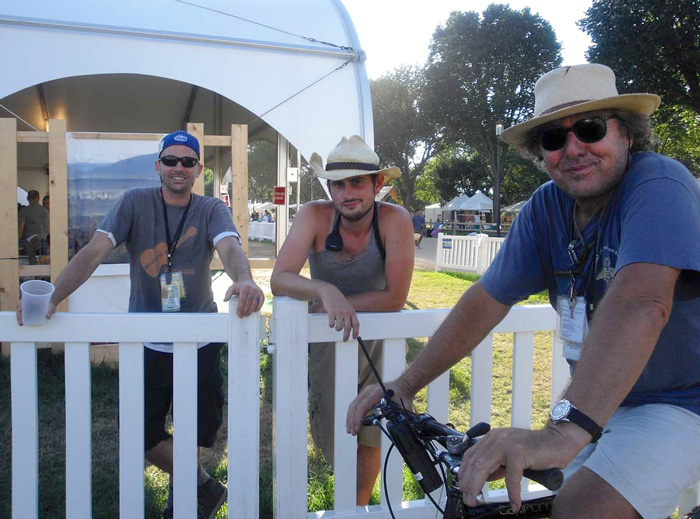
Today was the last day of the 2013 Smithsonian Folklife Festival. Before the day’s final performances and presentations were in full swing, Festival sound engineer Steve Fisher took a moment to talk about his role.

On the last day of the 2013 Smithsonian Folklife Festival, we are delighted to bring you our tenth gallery of visitor photos.
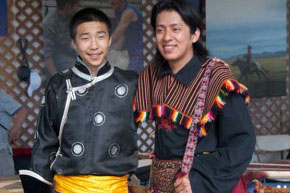
After ten days of extraordinary performances, workshops, and demonstrations, the 2013 Smithsonian Folklife Festival is officially over.
Support the Folklife Festival, Smithsonian Folkways Recordings, Cultural Vitality Program, educational outreach, and more.