
more
Lili A. Kocsis
Posts tagged with Lili A. Kocsis
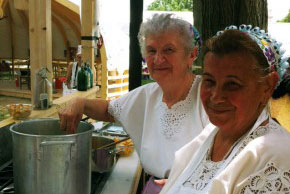
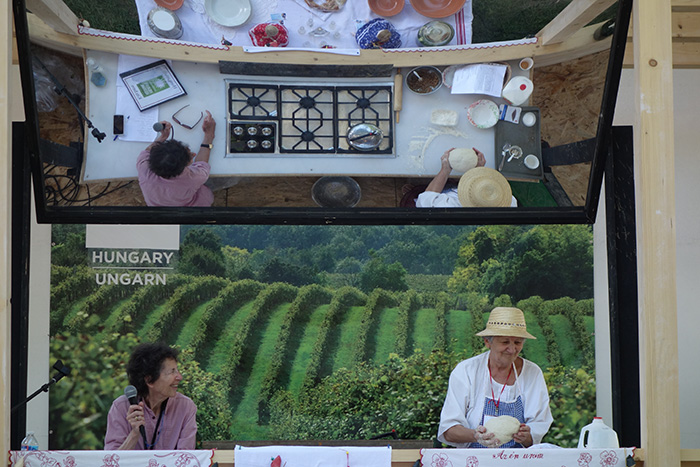
On the closing day of the 2013 Folklife Festival, Ilona Bolvári and Éva Bagó of the Kalocsa region of Hungary prepared one of the most iconic examples of Hungarian folk cuisine
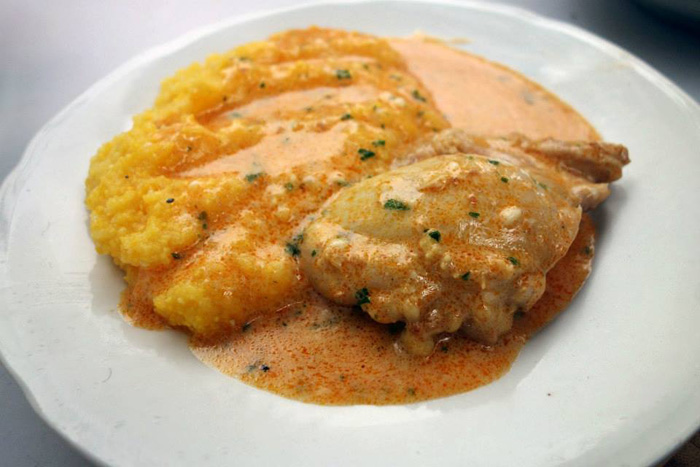
Porridge made of ground corn (or, more traditionally, corn flour) has been documented in writing from as early as the beginning of the 18th century.
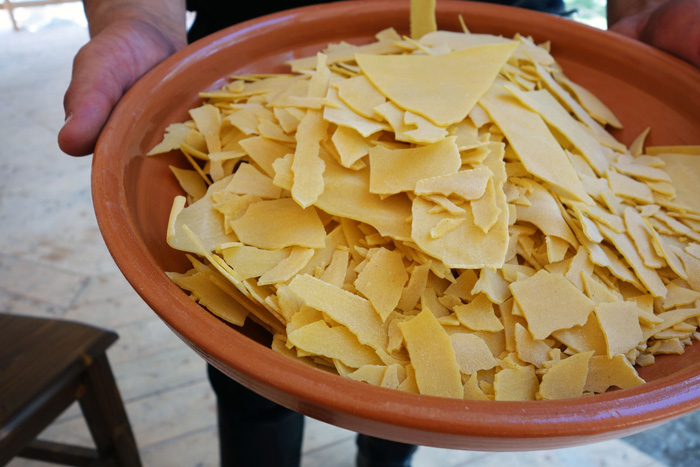
Cauldrons were bubbling over open fire as usual yesterday afternoon at the Hungarian Heritage program’s Cauldron Cooking area, where the Csontos shepherd family of Karcag prepared their famously delicious version of slambuc.
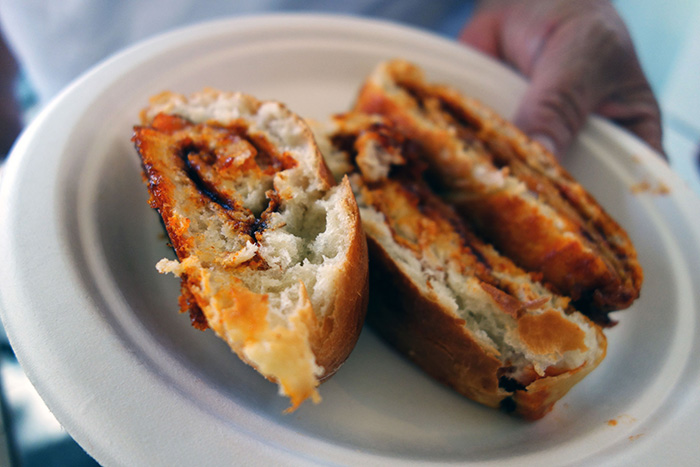
This pastry is often served either as dessert or instead of a main dish, following a hearty soup or stew.
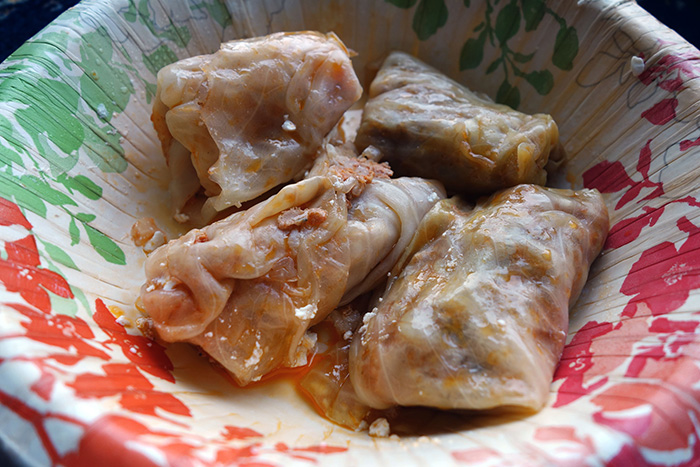
Stuffed cabbage rolls are truly iconic dish, representative of the Szék region of Romania.
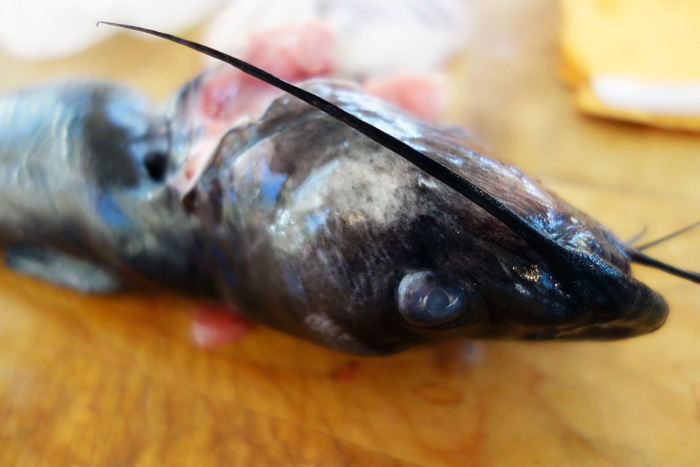
Halászlé (Hungarian fisherman’s stew) is a popular celebratory dish, often served during Lent or on Christmas Eve.
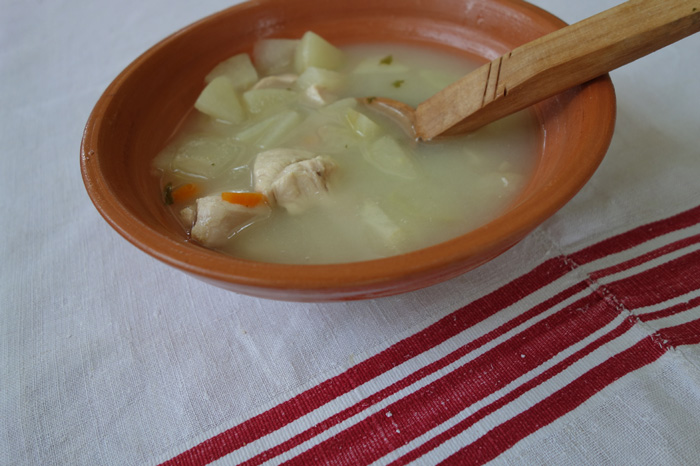
Meat-based soups, with a sour flavor resulting from the addition of seasonal fruit have been an important part of the Transylvanian Hungarian cuisine
These flaky, savory biscuits are a quintessential snack in Hungary, with each region or city claiming its own unique version, with variations size, shape, texture and flavor.
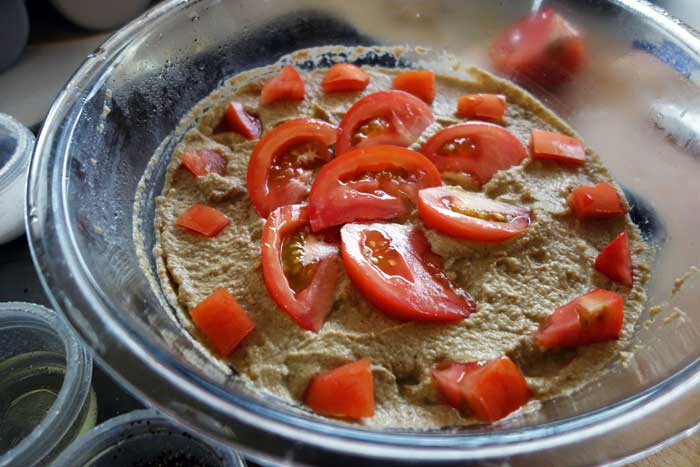
Vinetta is the Transylvanian name for a dish known in Hungary as padlizsán krém or salată de vinete in the rest of Romania.
Support the Folklife Festival, Smithsonian Folkways Recordings, Cultural Vitality Program, educational outreach, and more.