
more
Kenya
Posts tagged with Kenya
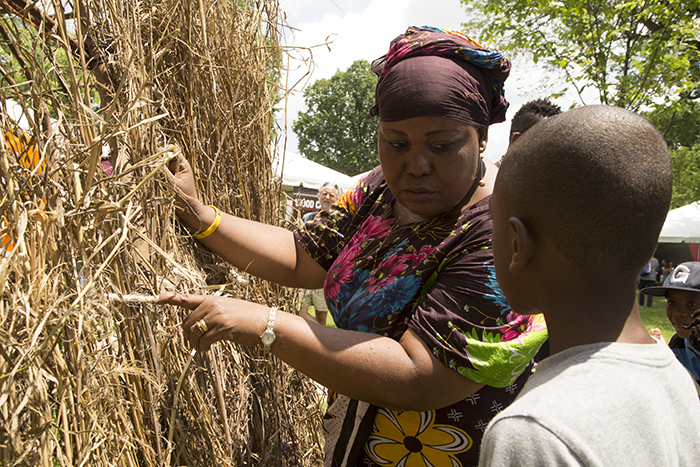
Visitors flocked to stare in awe as Kenyan participants Malika Badiribu and Salma Maro constructed a traditional Pokomo hut onsite, using natural materials that had been shipped from Kenya.

Cooking, by nature, is a deeply personal experience. Each ingredient is a cultural attribute, each method a piece of cultural knowledge, and each meal a social experience.
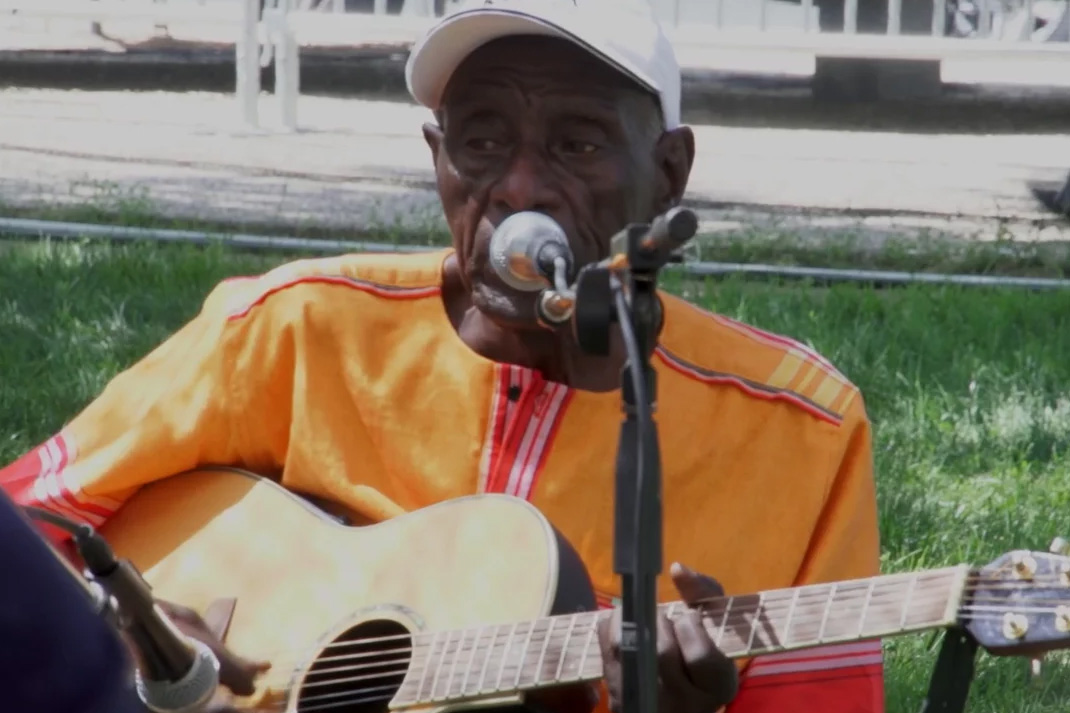
During one of the “Songs of Struggle” discussion sessions at the 2014 Smithsonian Folklife Festival’s Kenya program, musicians Peter Akwabi and John Nzenze performed a song that Nzenze originally wrote in 1963
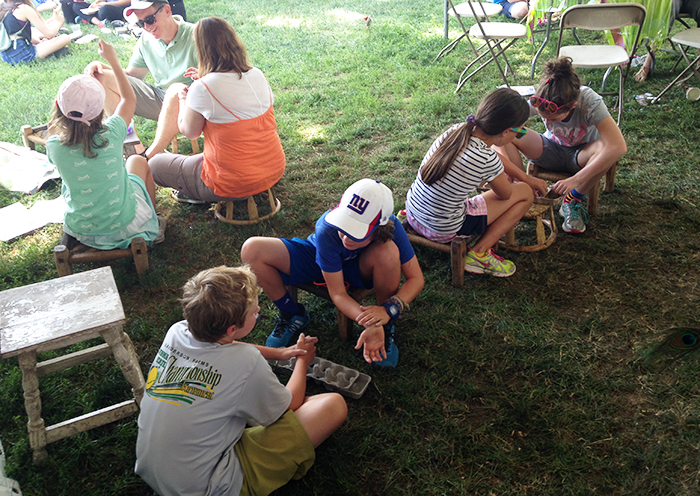
“I have to go show the flip-flop guys! They’re going to be so proud, right?” It was day five of the Festival, and an eight-year-old boy, beaming and sweaty, was proudly presenting to me the result of his labors in the Kenya Family Activities tent

If you visited the 2014 Folklife Festival, you may have noticed a wacky construction in the Kenya program area with beer bottles and other odds and ends sticking out of the sides.
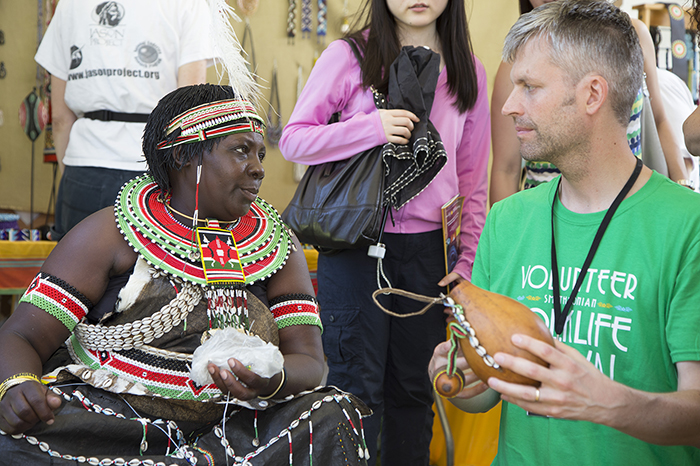
The Kenya: Mambo Poa program at the 2014 Smithsonian Folklife Festival invited two bead artists from Kenya: Susana Daniel Chemakwany and Susan Naserian Nketoria.

Three and a half weeks after the Folklife Festival, there are still a few pieces to pick up. Participants settled back home in Kenya and China are starting to send in their feedback

Amid the bustling crowds, impromptu Maasai dances, and rhythmic benga tunes that filled the Kenya: Mambo Poa site on the National Mall during the 2014 Smithsonian Folklife Festival
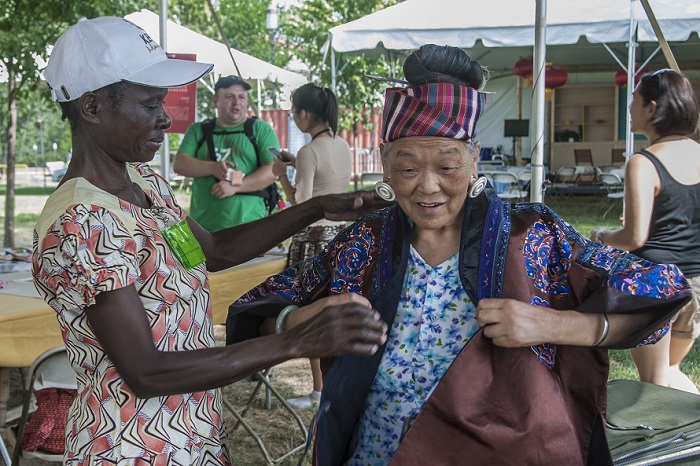
Before beginning my internship with the Smithsonian Center for Folklife and Cultural Heritage, I could not have imagined what a chaotic, enlightening, exhausting and truly wonderful event the Folklife Festival would turn out to be.
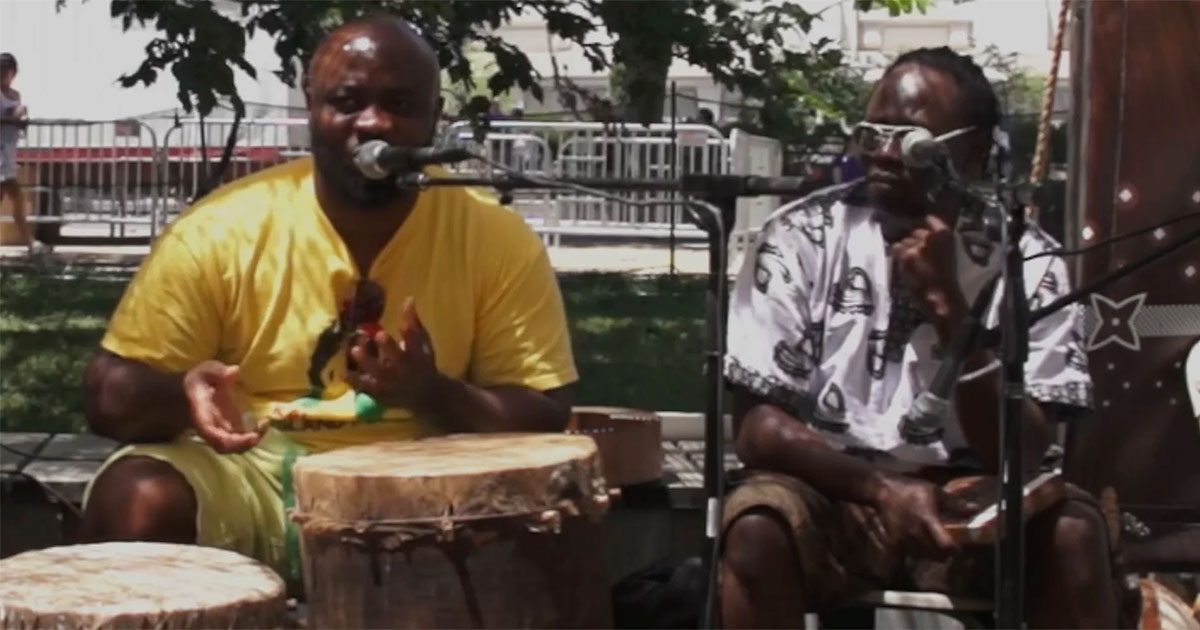
In a 2014 Smithsonian Folklife Festival workshop, Kenyan musicians Makadem, Justo and Joseck Asikoye, and Singing Wells project advisor Bill Odidi discussed music as a controversial form of socio-political expression and communication.
Support the Folklife Festival, Smithsonian Folkways Recordings, Cultural Vitality Program, educational outreach, and more.