
more
Sounds of California
Posts tagged with Sounds of California
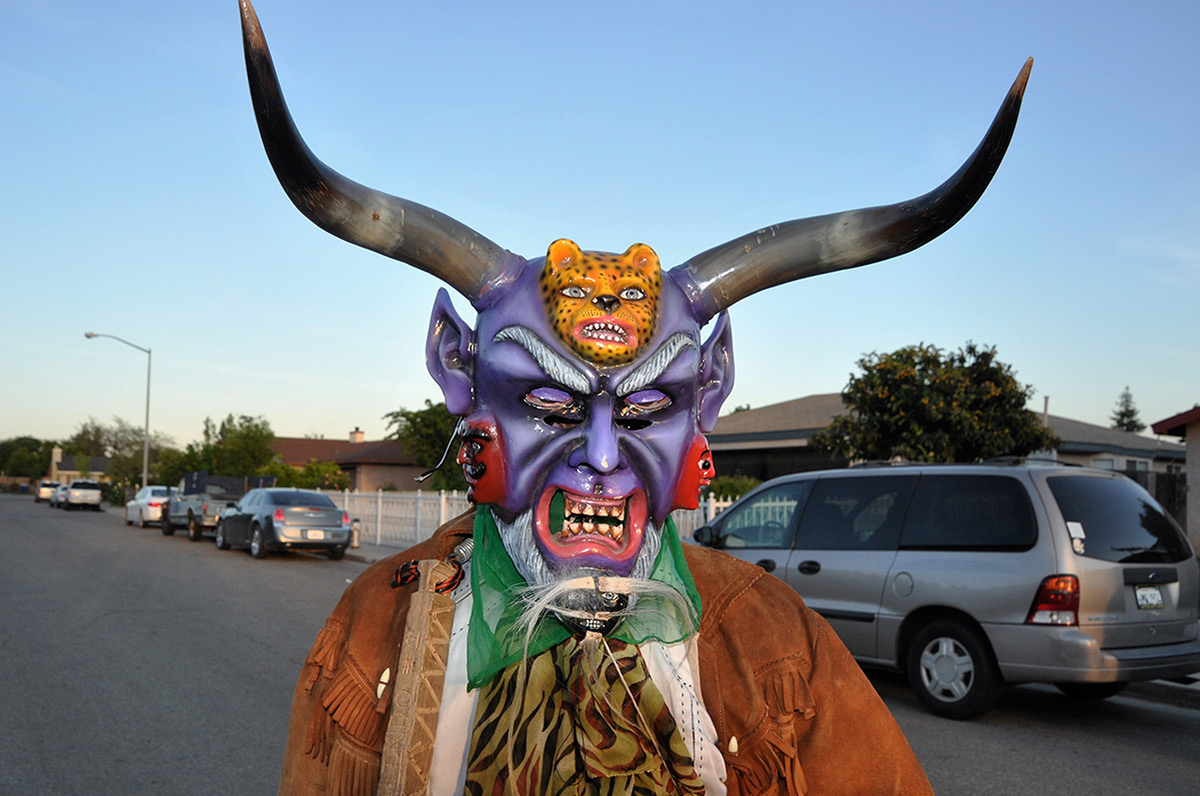
En el corazón agrícola del valle de San Joaquín de California, que se extiende 250 millas de Stockton en el norte a Bakersfield en el sur, dos grupos de artistas mantienen las tradiciones de sus comunidades mixtecas.
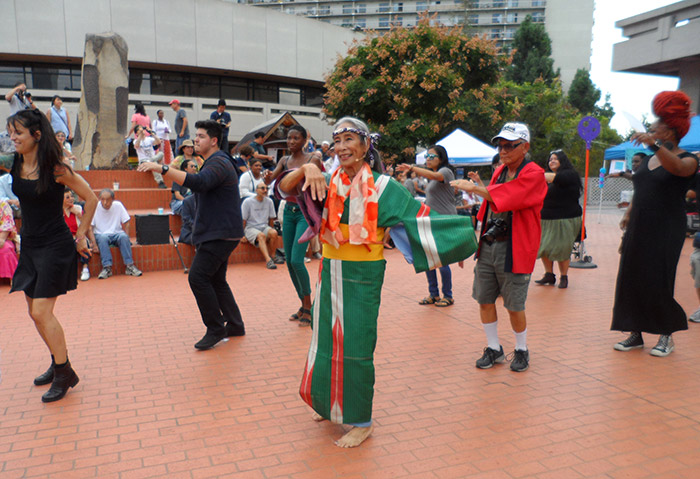
Summer in Los Angeles means it’s time to go to as many Japanese American obon gatherings as I can, to join in the dances known as bon odori.
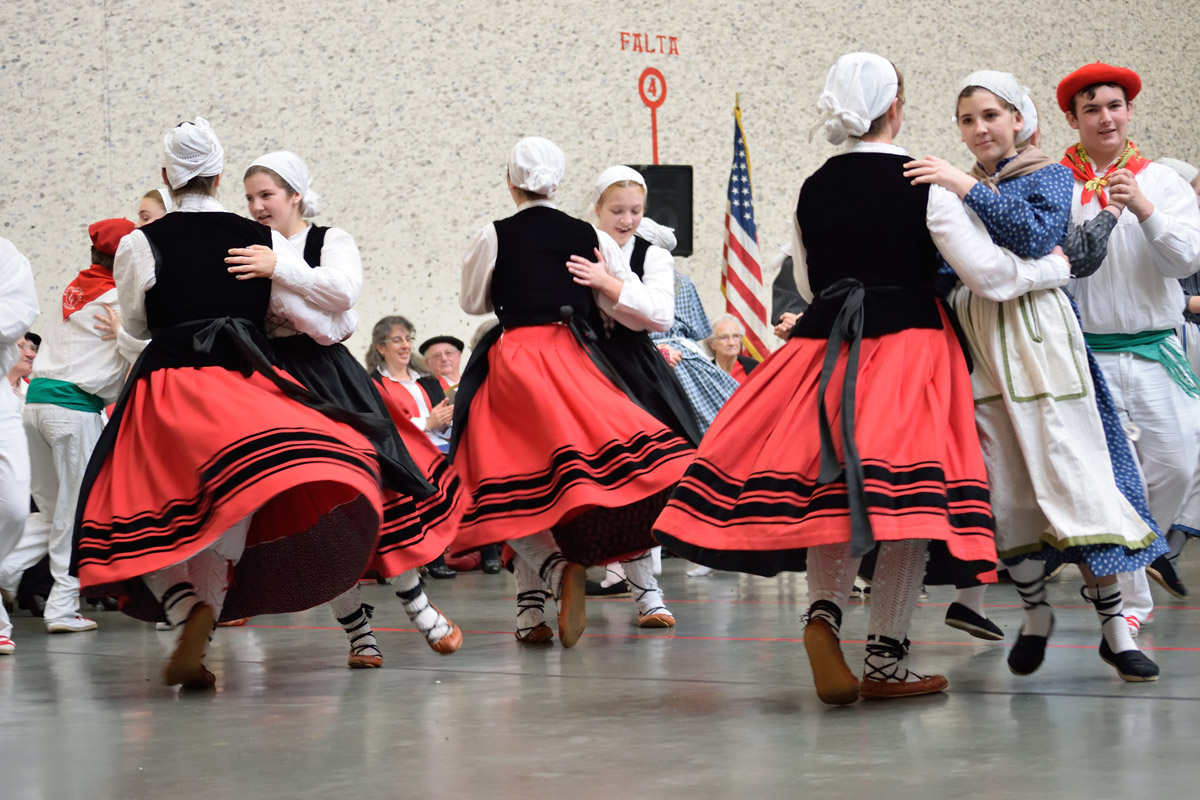
The 2016 Folklife Festival is full of family-friendly activities, but if you have kids with you the best place to start is at the Txiki-Txoko (pronounced “CHEE-kee CHO-ko) Kids’ Corner.
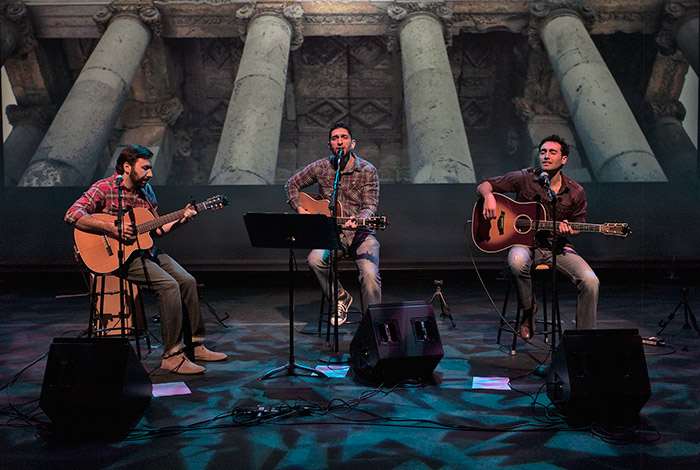
Despite its name, Armenian Public Radio is not an Armenian public radio station. It is an acoustic guitar trio that melds contemporary musical styles and the music of their homeland to create a new perspective to Armenian folk songs.
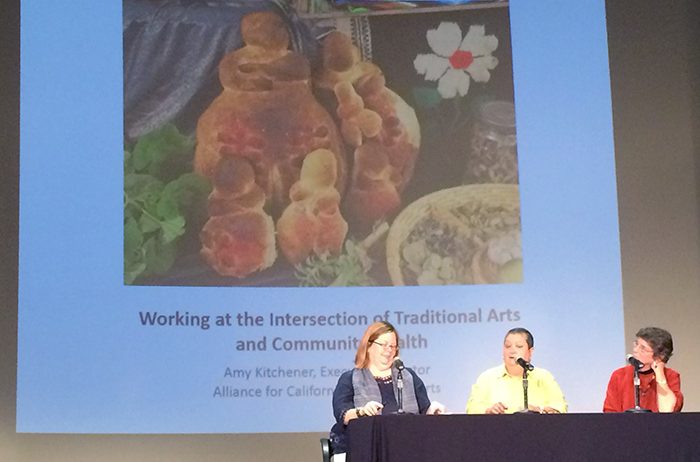
Last month, the Smithsonian Center for Folklife and Cultural Heritage hosted the symposium Cultural Sustainability in the Age of Globalization along with the Alliance for California Traditional Arts and the Royal Textile Academy of Bhutan.
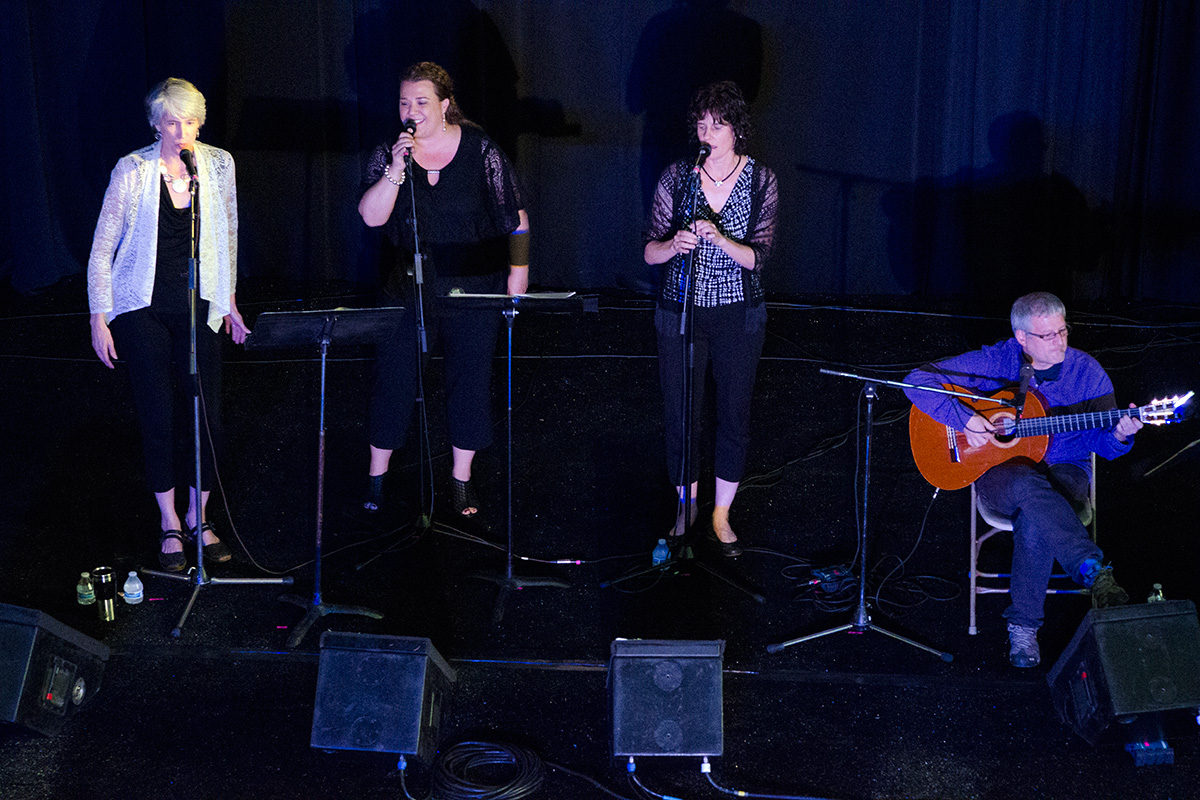
I met Begoña Echeverría and Andrea Bidart at the Basque Club in Chino, a city in Southern California’s Inland Empire, an hour’s drive from Los Angeles.
In the agricultural heart of California’s San Joaquin Valley, stretching 250 miles from Stockton in the north to Bakersfield in the south, two groups of artists uphold the performance traditions of their Mixteco communities.
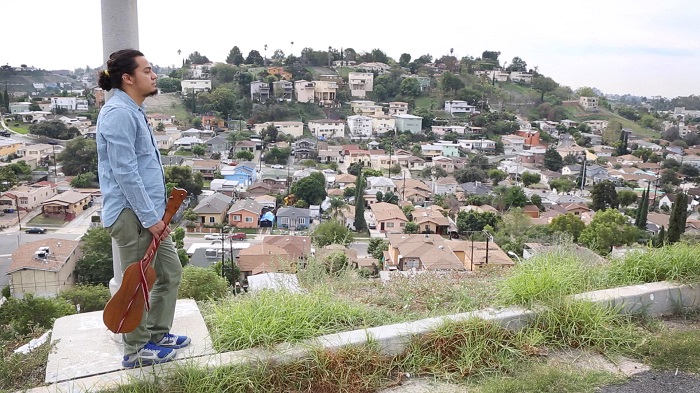
César Castro is a young master of son jarocho, a music genre that originated over 250 years ago in Veracruz, Mexico, combining Indigenous Mexican, African, Spanish, and Arabic influences

We presented a related precursor Sounds of California event at the Oakland Museum of California on December 6, celebrating the power of music to express community identity, migration experiences, and cultural resilience.
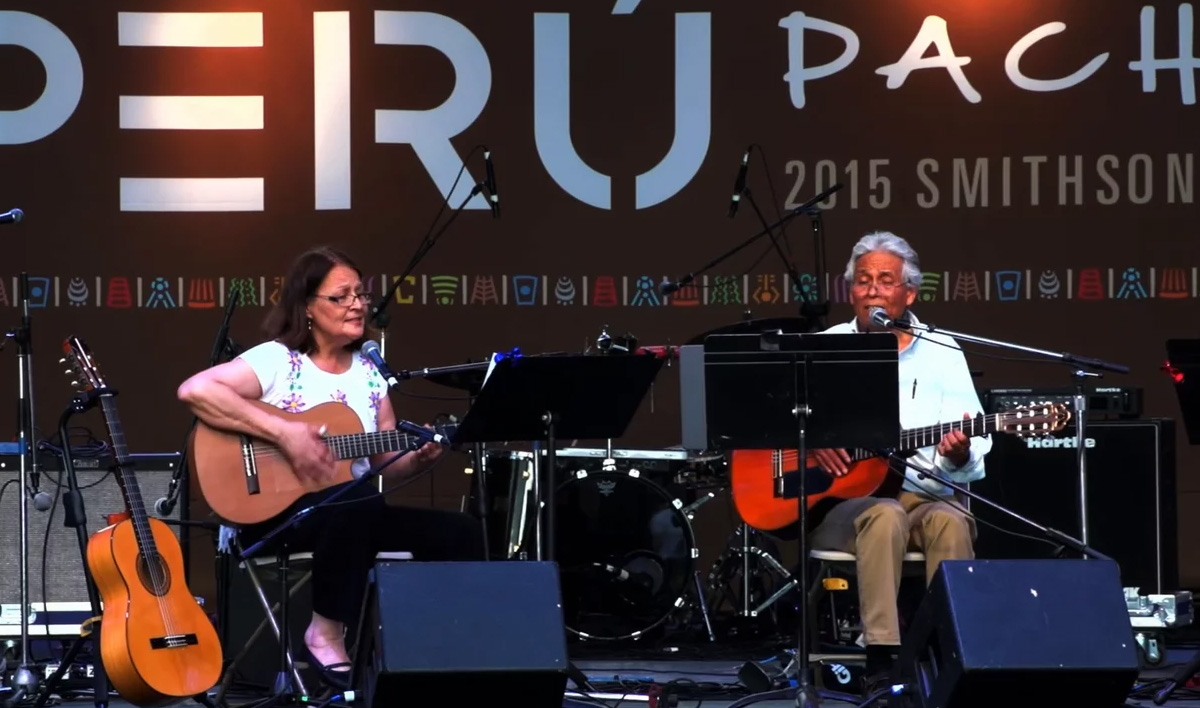
Agustín Lira & Alma chronicle the experiences and hidden histories of Chicano, Indigenous, and immigrant communities integral to California’s cultural fabric.
Support the Folklife Festival, Smithsonian Folkways Recordings, Cultural Vitality Program, educational outreach, and more.