

more
2017 Festival
Posts tagged with 2017 Festival

Throughout the week, we’ll post photos of selected items in the Marketplace. Tag a friend who you would like to shop at the Marketplace with and be entered for a chance to win a vintage Folklife Festival T-shirt.

In this excerpted interview, former circus clown David Carlyon recalls his time as a performer, focusing on his adventures aboard the circus train as it wound its way through the country.

Kiran Singh Sirah is no stranger to the many mispronunciations of his name. In fact, he enjoys hearing the innumerable iterations of “Kiran,” a Sanskrit name that translates to “light from the sun” or “ray of sunshine.”
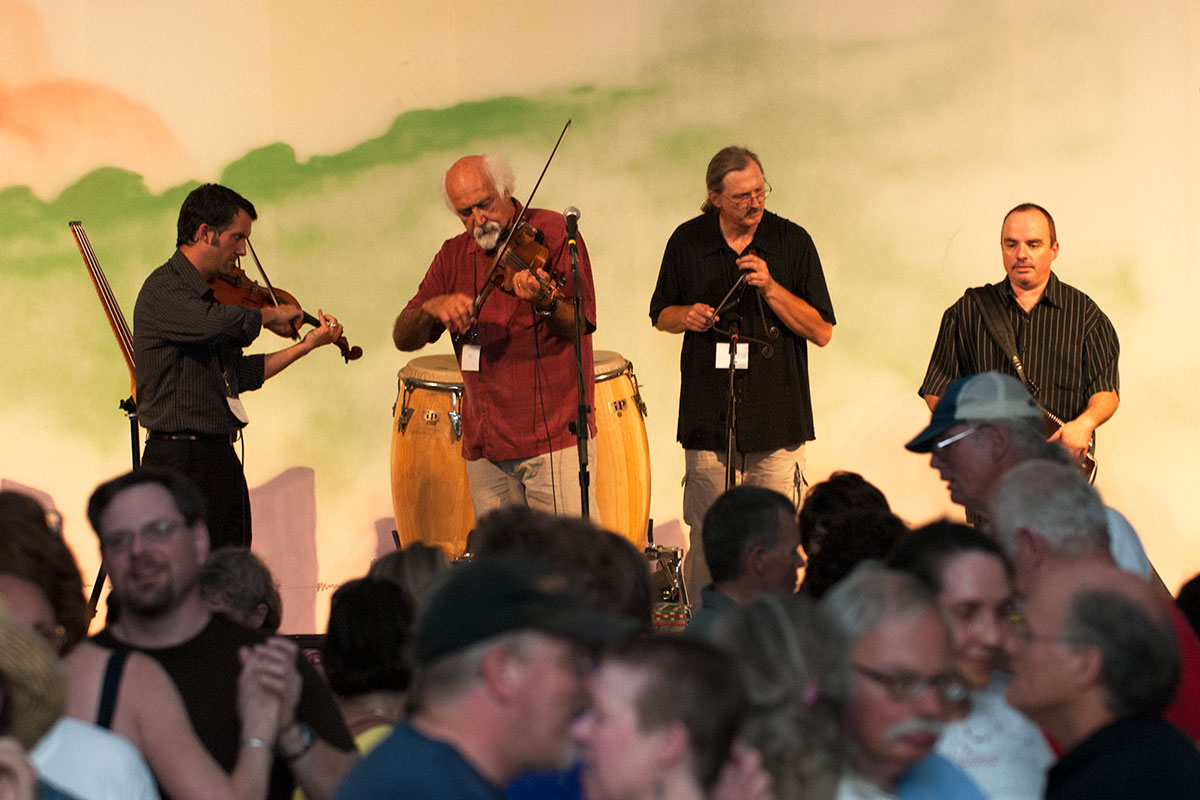
Cajun music is rooted in the songs and fiddle tunes of the Acadians—French speakers who migrated from France to Canada in the seventeenth century, and from Canada to Louisiana in the eighteenth century.
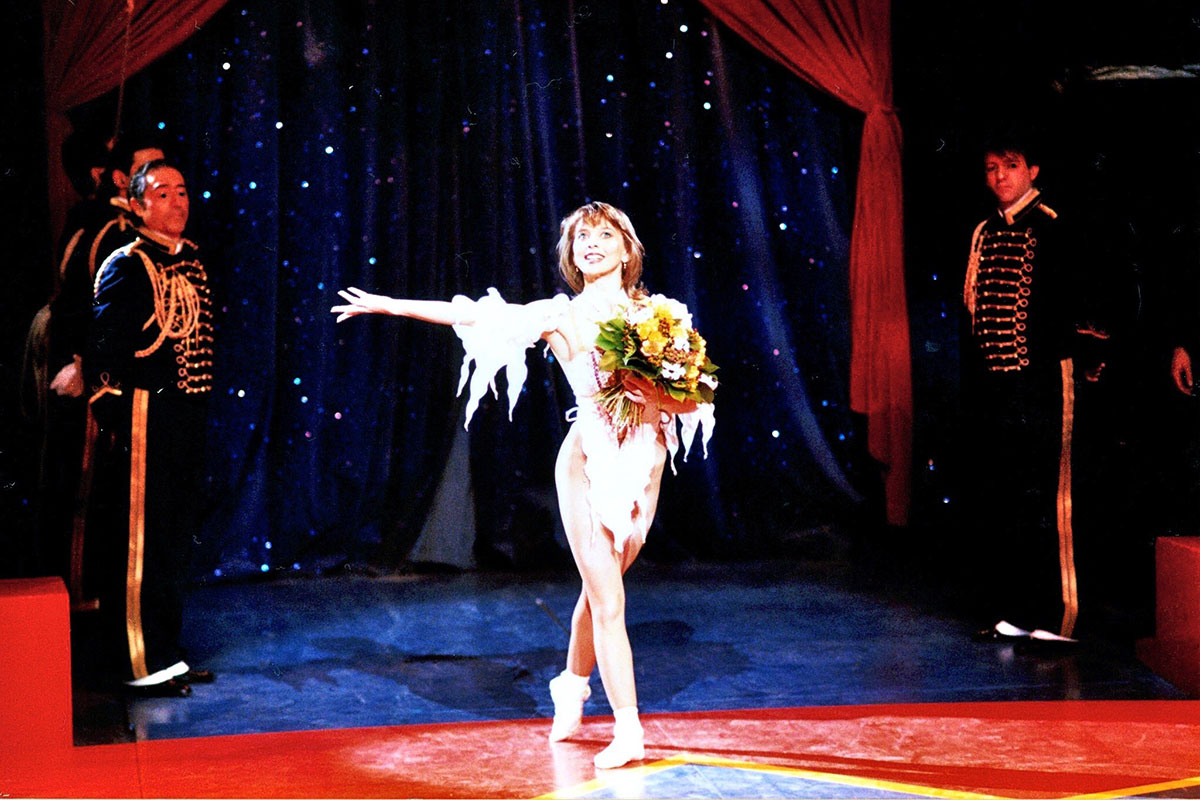
Elena Panova is a Russian-born aerialist currently living in the United States. She was active in the circus for twenty years, starting her career in 1985 with the Moscow Circus, then in 1991 she went to New York City to work with the Big Apple Circus.

A graffiti-cloaked, smoke-filled, off-yellow school bus idled in front of the Washington Monument, stuffed with a group of 20 ecstatic water protectors. I had a tray of cookies from Costco and they were hungry.
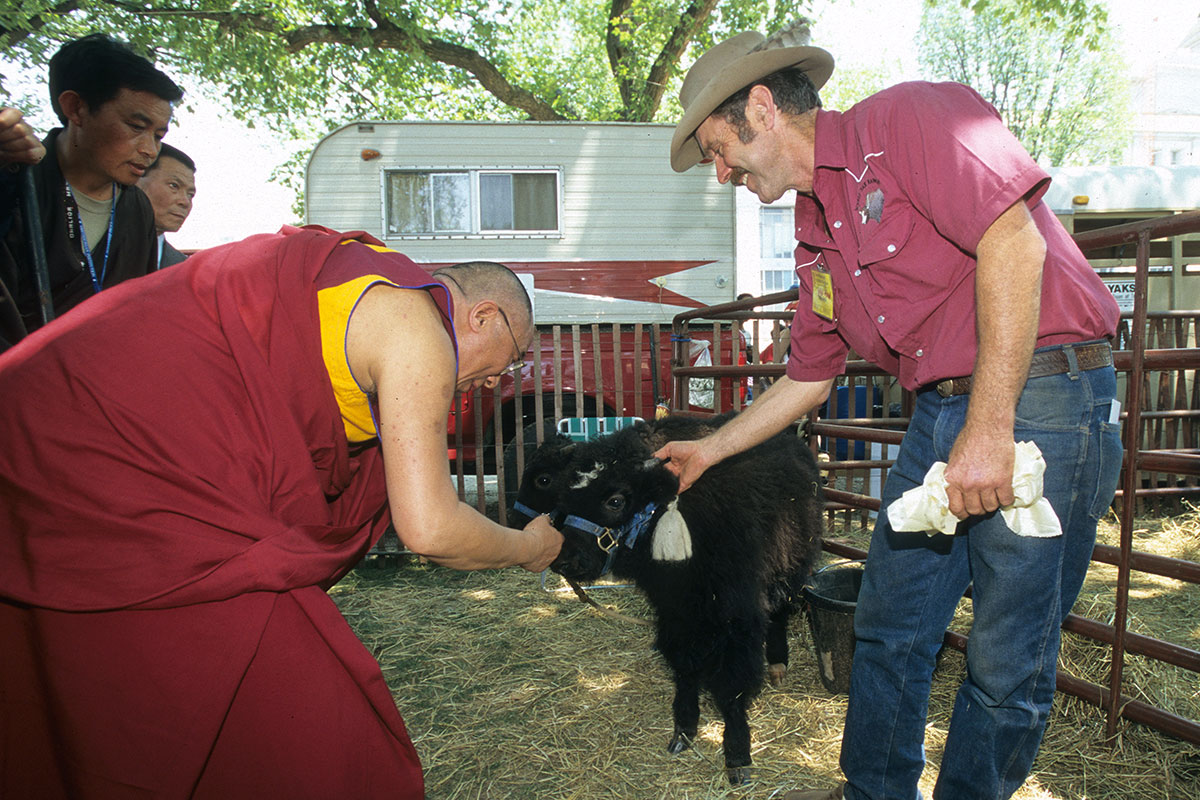
While many articles tended to be repetitive or dry, there were also some gems: highly descriptive, full of stories and quotes, and containing detailed bios and quirky facts about Festival participants.

According to aerialist Dolly Jacobs, creating a circus act is “like making a cake.” A single performance’s many ingredients—the acrobatics skills, the entrance, the costume, the music, the drama—all contribute to the spectacle.

Based on my experience as a circus clown and a historian of performance, I have identified six eras that illustrate how clowns have been central to the circus
Support the Folklife Festival, Smithsonian Folkways Recordings, Cultural Vitality Program, educational outreach, and more.