

more
Armenia
Posts tagged with Armenia
Shortly after the first wave of Armenian immigration in the 1890s, newspapers for Armenian Americans began publishing news and covering community events.

Whoever bakes or eats bread, makes or drinks wine, uses metal tools, or wears jewelry or shoes is tied by invisible bonds of cultural inheritance to Armenia.
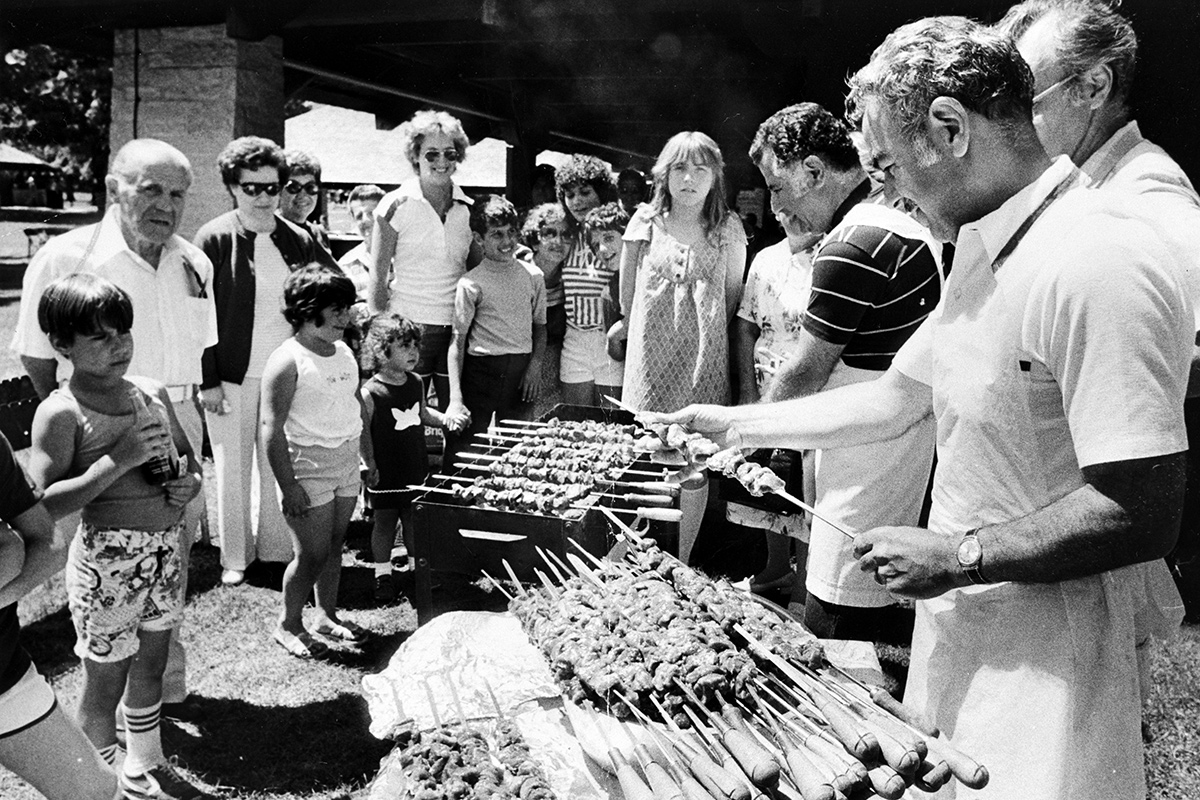
An enduring feature of Armenian life, picnics have been a way to share traditions of food, storytelling, music, and dance, keeping the culture vibrant.
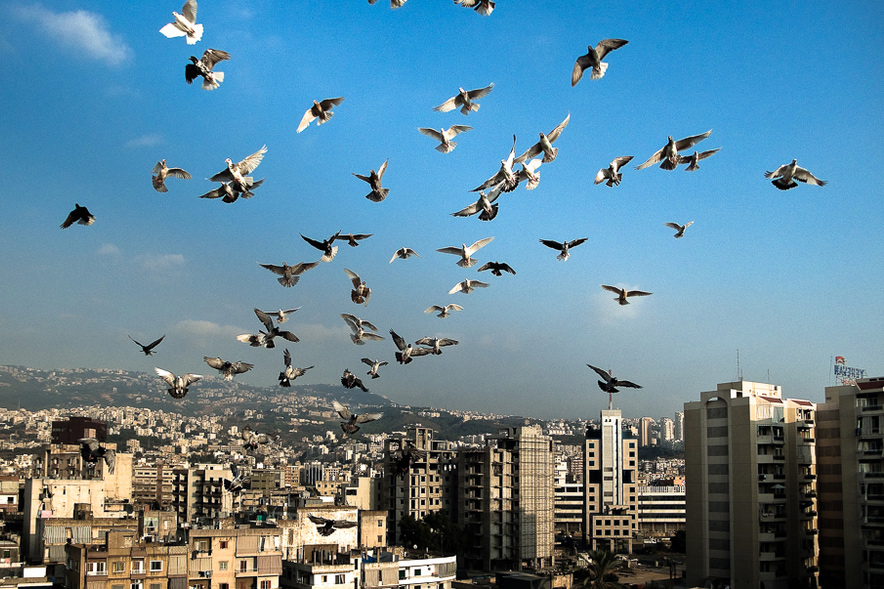
How a suburb of Beirut, Lebanon, became a safe haven for Armenians forced to create a home away from home.
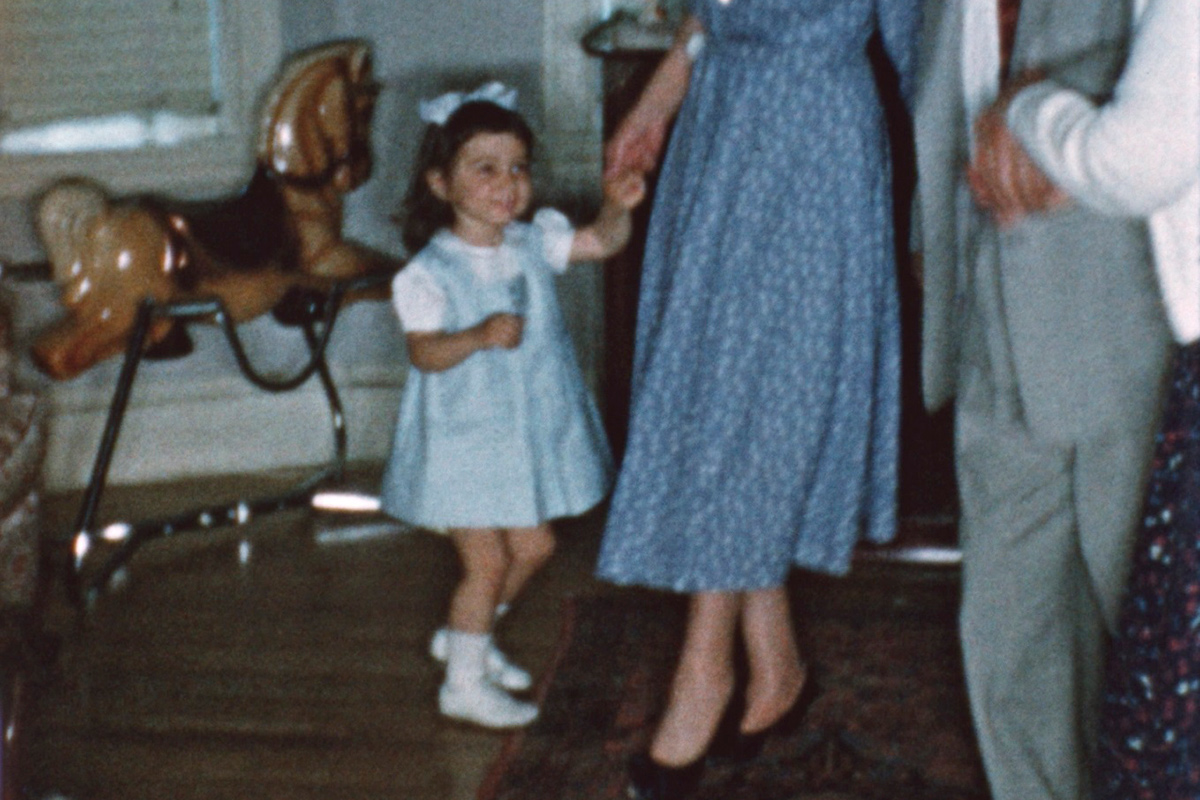
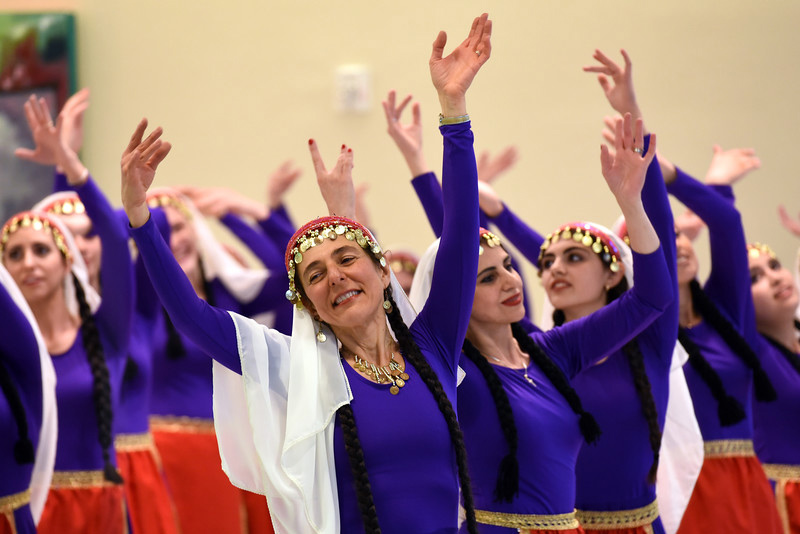
Through dance we nurture our Armenian identity, connecting communities around the world.
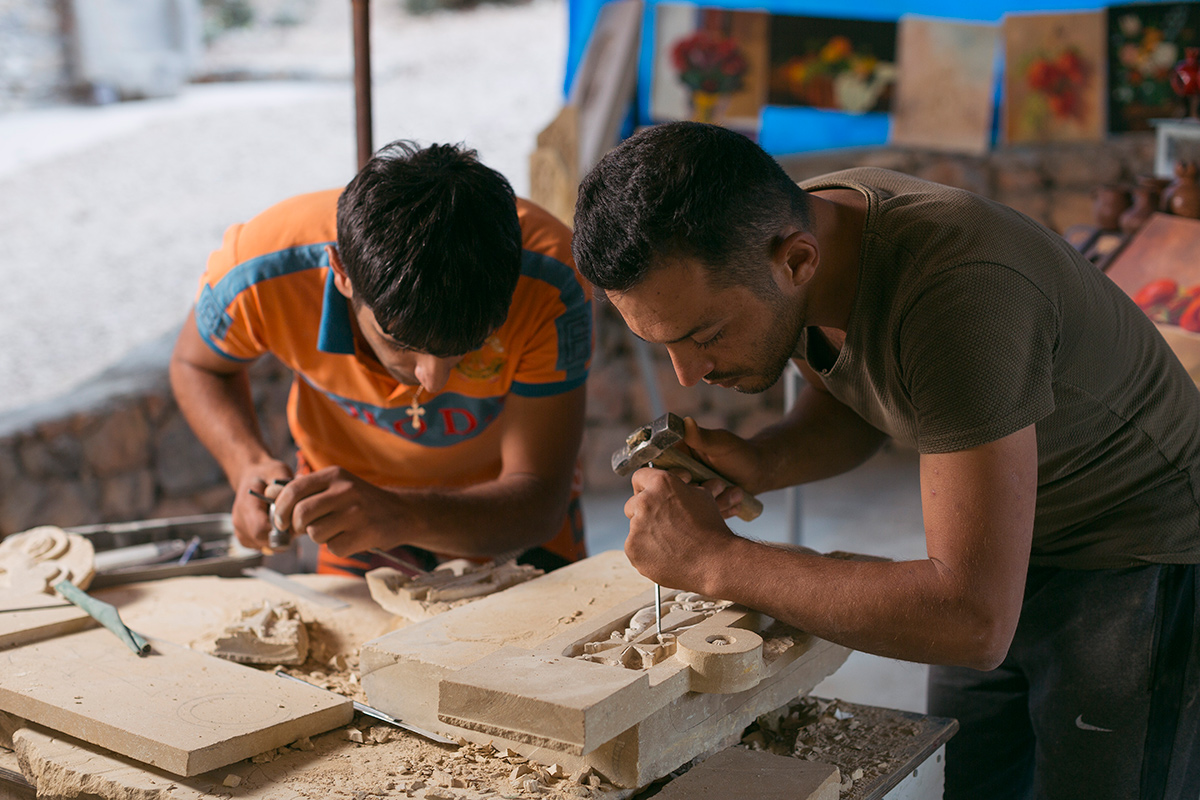
It was a clear and quiet autumn morning when we visited Ruben and Karen during our fieldwork visit for this summer’s Folklife Festival Marketplace.
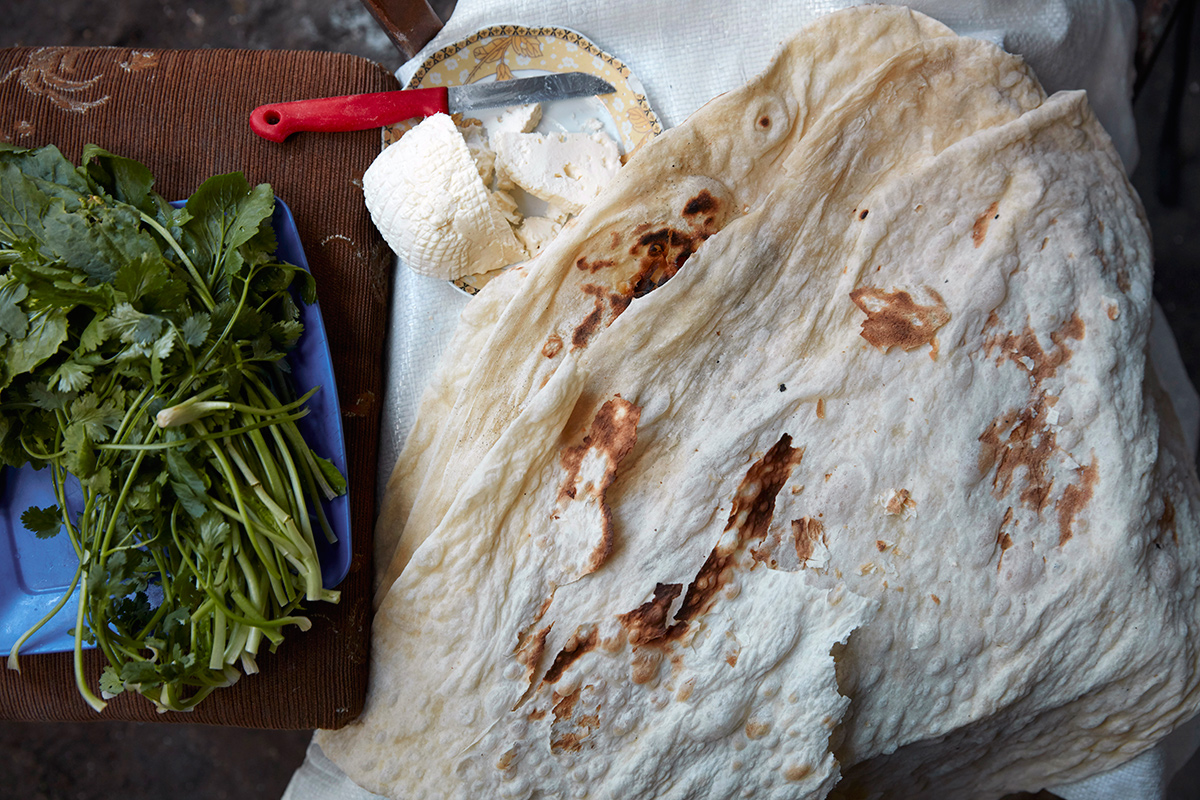
One English-language cookbook suggests that tortillas make a good substitute for lavash. They don’t.
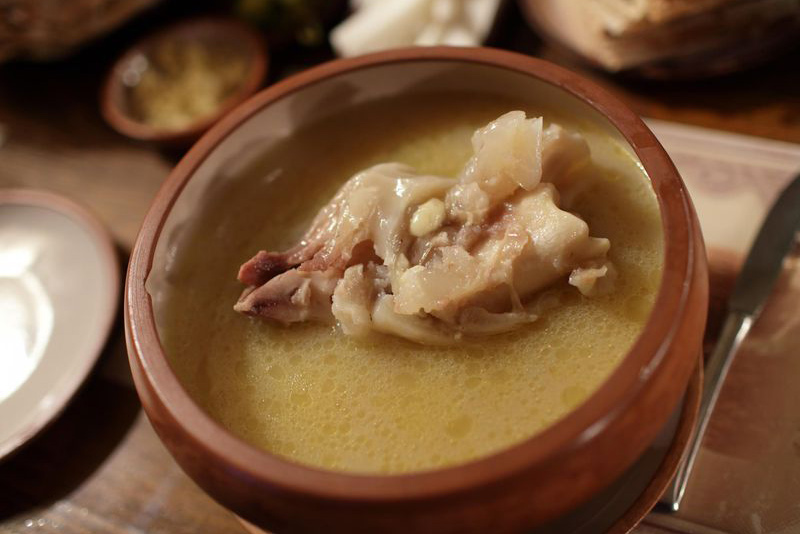
A recipe for the Armenian soup called khash, at its most basic, goes something like this: simmer cows’ hooves overnight. Serve.

I’m no wine snob, but when I was invited to Armenia to report a story for the Smithsonian’s Sidedoor podcast, I said cheers and booked my ticket.
Support the Folklife Festival, Smithsonian Folkways Recordings, Cultural Vitality Program, educational outreach, and more.