

more
Audio
Posts tagged with Audio
The frontón is a centerpiece of Basque community life. A pelota or handball court at its core, these spaces were once sides of village churches and now can be found in parks, community centers, and casinos in Basque Country and around the world.

We presented a related precursor Sounds of California event at the Oakland Museum of California on December 6, celebrating the power of music to express community identity, migration experiences, and cultural resilience.
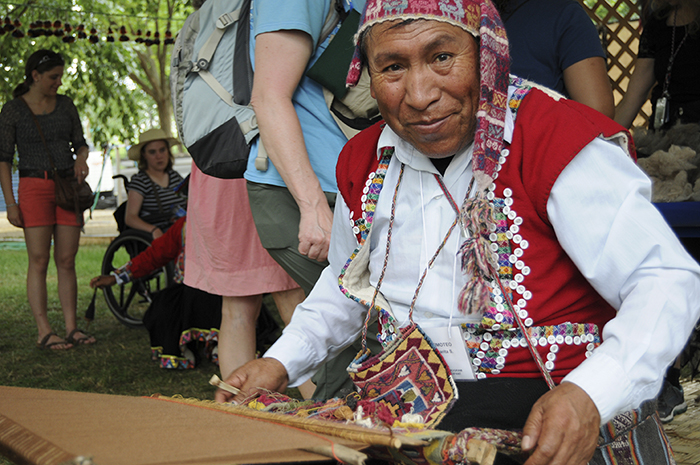
Long before the Perú: Pachamama artisans flew thousands of miles to grace the National Mall, Spanish colonists sailed thousands of miles to find indigenous communities inhabiting what would become the country of Peru.

There I was, standing in front of the Smithsonian Folklife Festival main stage, with a circling sway of skirts and handkerchiefs. I was speechless. It was my second day in Washington, D.C., but for a fleeting instant I felt at home.
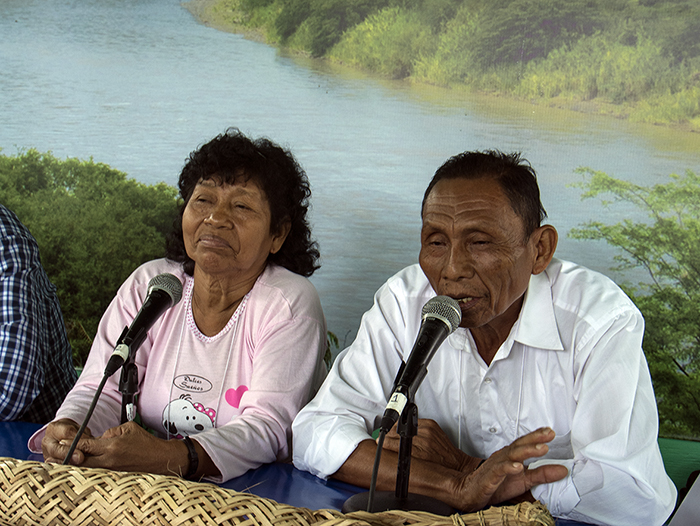
Kukama is a “deeply endangered language” (according to the Endangered Languages Archive) spoken in the city of Nauta in the Peruvian Amazon.
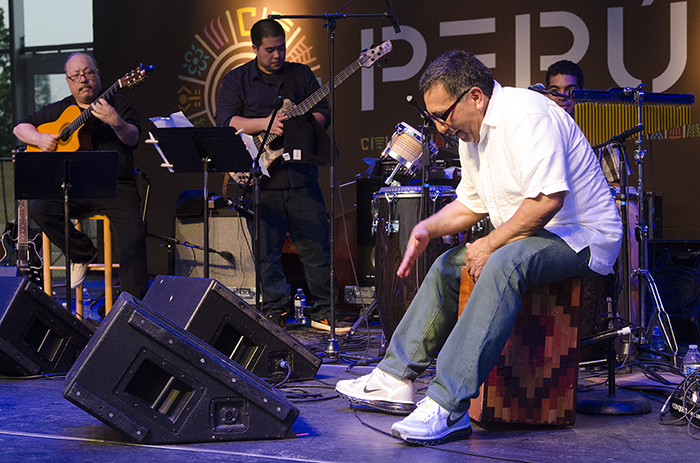
You may not know his name, but you have probably heard his music. Since the 1960s, percussionist Alex Acuña has performed and recorded with Paul McCartney, U2, Whitney Houston, Ella Fitzgerald
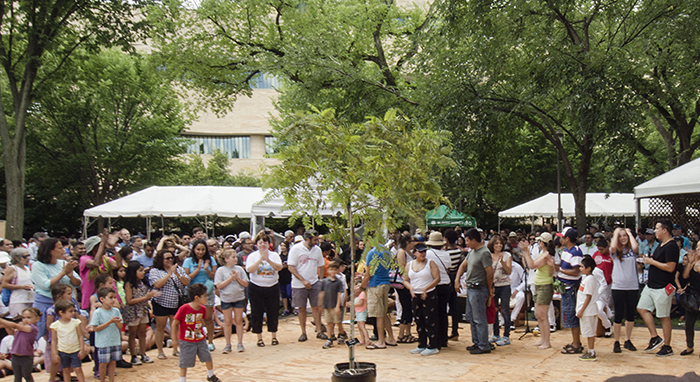
The Ballumbrosio family and other members of the Afro-Peruvian group Tutuma invite visitors to join in this celebration as they provide the soundtrack: guitars, various percussion, a rattling quijada donkey jawbone, and infectious group vocals.
What is ethnic media and why is it relevant today? In this podcast, several figures active in ethnic media discuss its fundamental importance to societies across the world.

Bicycles in China have long been perceived as a widely used form of cheap transportation. However, this tradition has decreased drastically in recent years with regard to air pollution, new subway lines, and gentrification of cities.

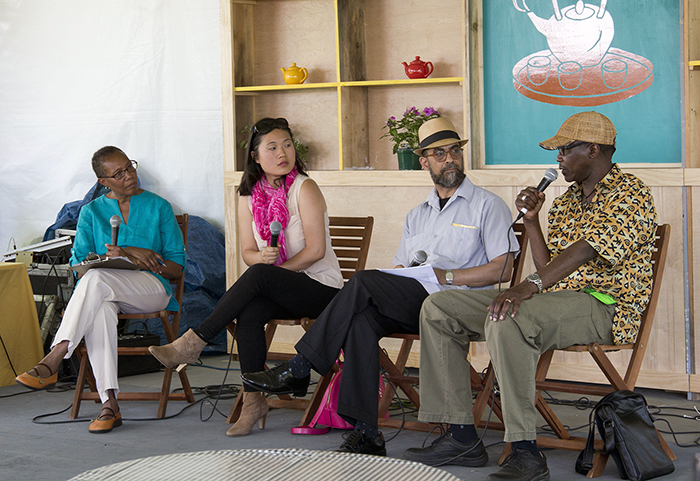
Songs with politically sensitive lyrics are often censored. In this discussion session from the 2014 Smithsonian Folklife Festival, panelists discuss how this happens across multiple geographies, and why musicians always find it meaningful to fight back.
Support the Folklife Festival, Smithsonian Folkways Recordings, Cultural Vitality Program, educational outreach, and more.