
more
Building Arts
Posts tagged with Building Arts
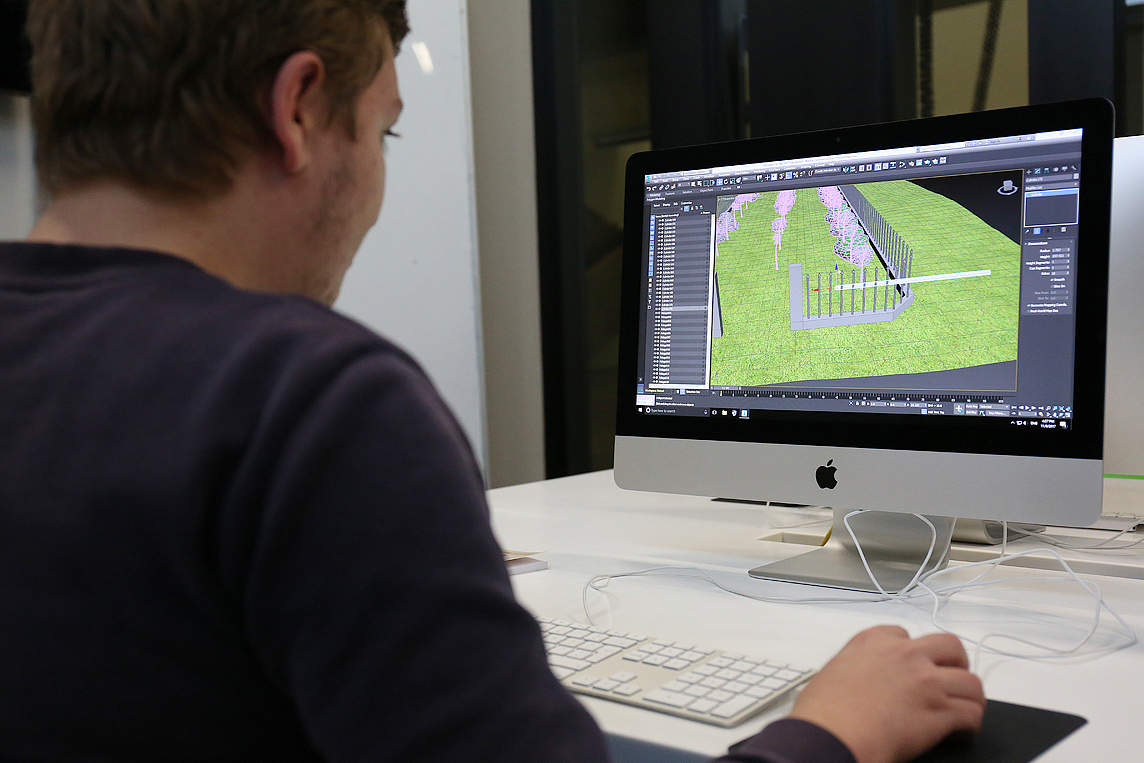
At the TUMO Center for Creative Technologies, staff and alumni work with students to motivate, inspire, and spark curiosity.

We bring our traditions with us as we move through life, and those traditions change on our path—sometimes in surprising ways.
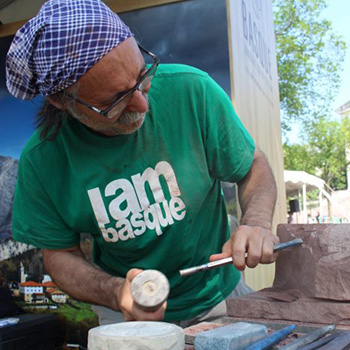
Learning the limitations of any particular stone is a skill that only comes from pushing the boundaries. Bernat Vidal, a stone carver from Basque country, has learned how to expertly read a stone, even characterize its personality.

One of the most telling marks of mastery is the apparent ease with which an artist approaches his or her craft—the willingness with which the material complies with their hand, chisel, brush, or hammer to form the objects we admire.
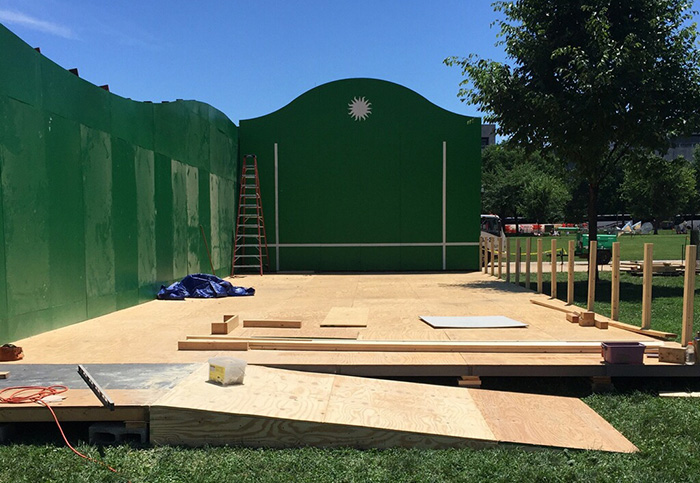

“What a beautiful building! As I told you, the world is a curious place.” Bernat Vidal sent me this response after I emailed him a photograph of the Smithsonian Castle, the institution’s iconic red brick building on the National Mall.

Wherever you stood on the Folklife Festival grounds, the Q’eswachaka Bridge was always noticeable, drawing diverse crowds and intrigue.
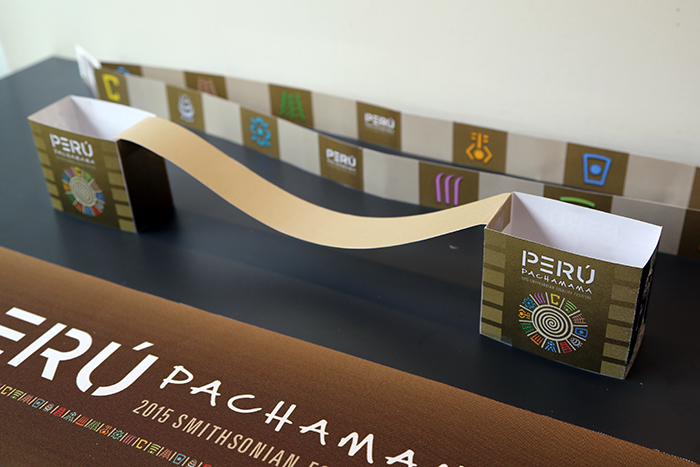
An event as large as the Folklife Festival relies on many moving parts behind the scenes, and the technical team has one of the most important roles in ensuring that the National Mall is ready for thousands of visitors

Hanging across the Apurímac River in Huinchiri, Peru, is the world’s last remaining traditional Inka rope bridge: the Q’eswachaka.
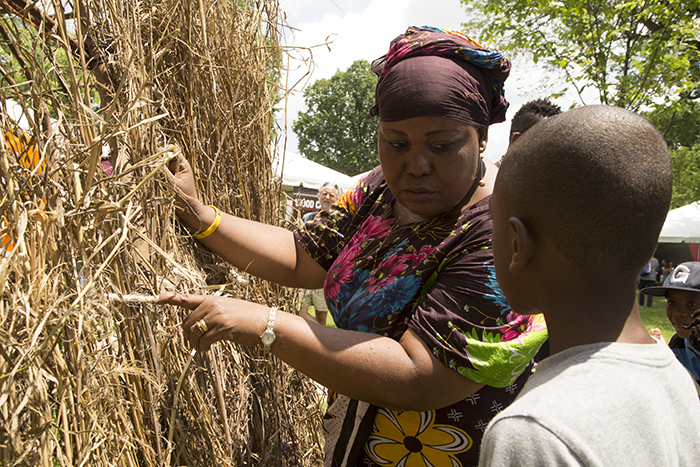
Visitors flocked to stare in awe as Kenyan participants Malika Badiribu and Salma Maro constructed a traditional Pokomo hut onsite, using natural materials that had been shipped from Kenya.
Support the Folklife Festival, Smithsonian Folkways Recordings, Cultural Vitality Program, educational outreach, and more.