
more
Celebrations
Posts tagged with Celebrations
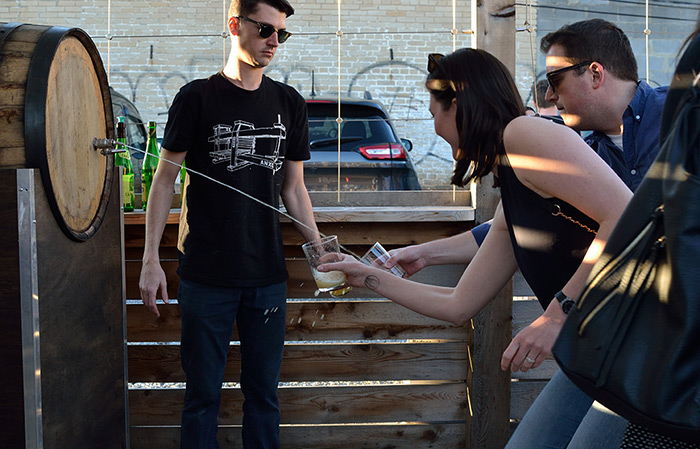
“Alright, everybody! Txotx!” With this exclamation, Tim Prendergast (beverage director at ANXO Cidery & Pintxos Bar) flips a lever on a large oak cask

The frontón is a centerpiece of Basque community life. A pelota or handball court at its core, these spaces were once sides of village churches and now can be found in parks, community centers, and casinos in Basque Country and around the world.

Every July 15 to 18, the otherwise small, sleepy town of Paucartambo, Peru, becomes a kaleidoscope of color, music, and dance for the Fiesta de la Virgen del Carmen.
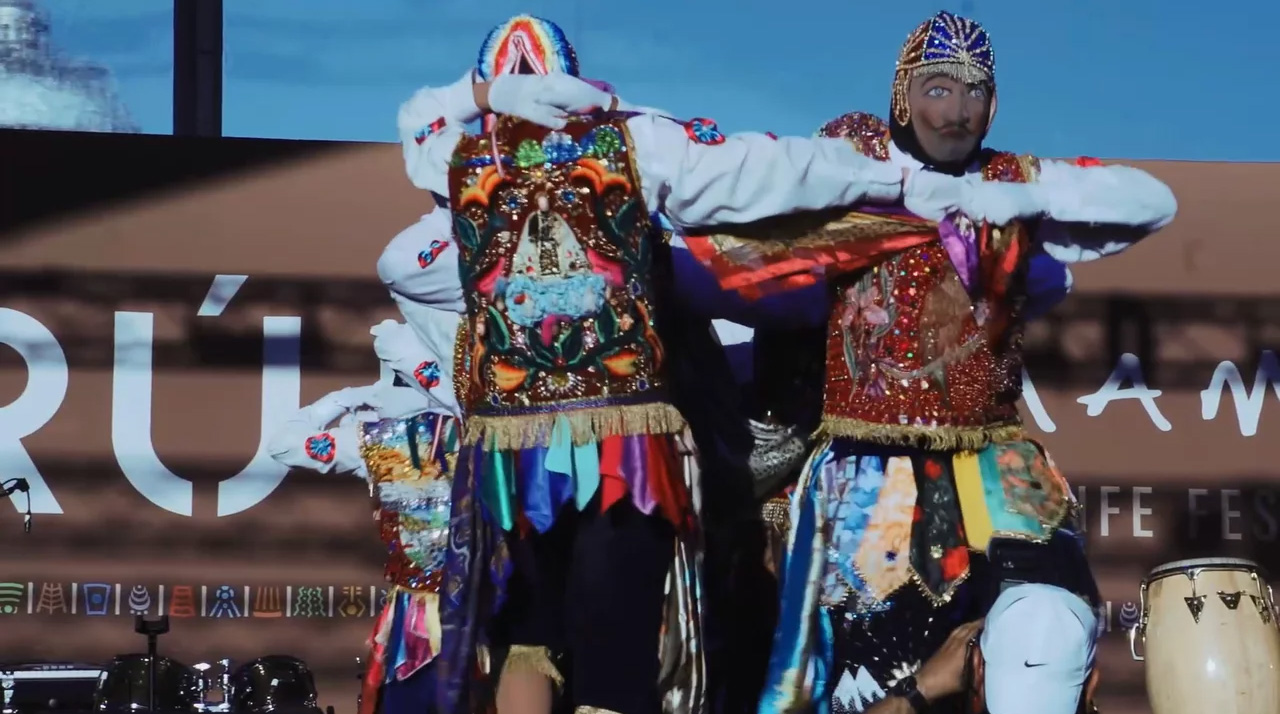
La Fiesta de la Virgen del Carmen de Paucartambo represents a much larger celebration that pours into the small town of Paucartambo, Peru, every July to honor the town’s patron saint, the Virgin Mamacha Carmen.
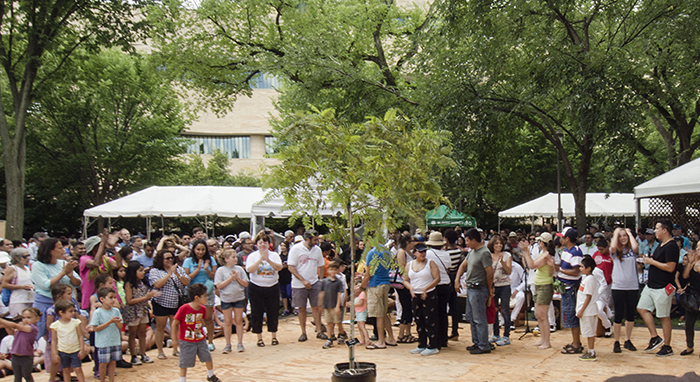
The Ballumbrosio family and other members of the Afro-Peruvian group Tutuma invite visitors to join in this celebration as they provide the soundtrack: guitars, various percussion, a rattling quijada donkey jawbone, and infectious group vocals.
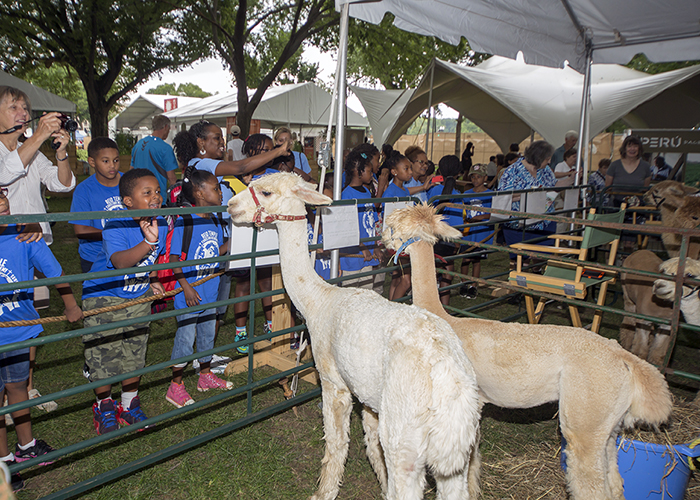
Of the many animals significant to Peruvian traditional culture, one is especially celebrated in the Andes: the alpaca. Smaller than their llama cousins, alpacas are too small to use as pack animals
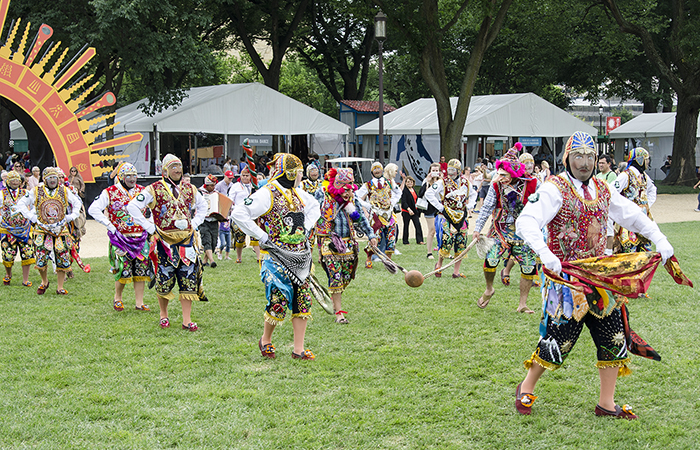
With their glittering multicolored costumes, ear-splitting whip cracks, expressive masks, and a marching song you’re sure to get stuck in your head, the Fiesta de la Virgen del Carmen procession has been a crowd favorite at the Folklife Festival.
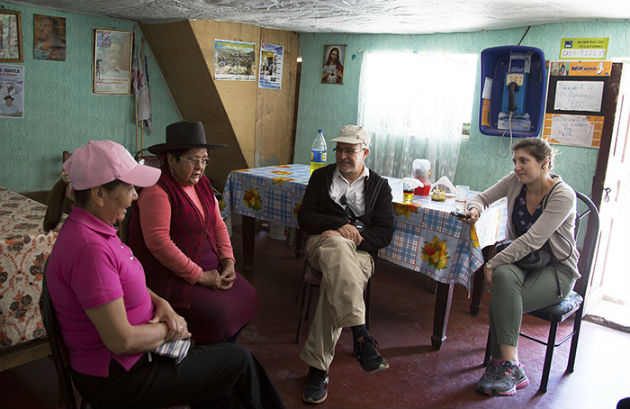
To develop the Perú: Pachamama program, the Festival’s research, technical, graphic, and administrative teams exchanged ideas, strategies, and concerns with our Peru-based partners.

The Smithsonian Folklife Festival is turning 49 this year, and we think our Perú: Pachamama program deserves a welcome as vibrant and dynamic as the performers, artisans, cooks, and musicians representing their country on the National Mall.

Rufino Turpo shares the life-sustaining role of Pachamama: mother of all living beings, the core of existence, the symbol of fertility.
Support the Folklife Festival, Smithsonian Folkways Recordings, Cultural Vitality Program, educational outreach, and more.