
more
Language
Posts tagged with Language
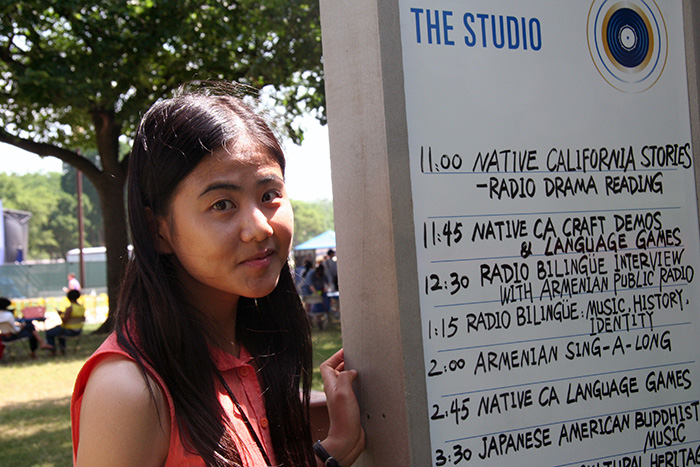
In May, the Smithsonian Asian Pacific American Center presented a two-day event, CrossLines: A Culture Lab on Intersectionality, in the Arts and Industries Building.
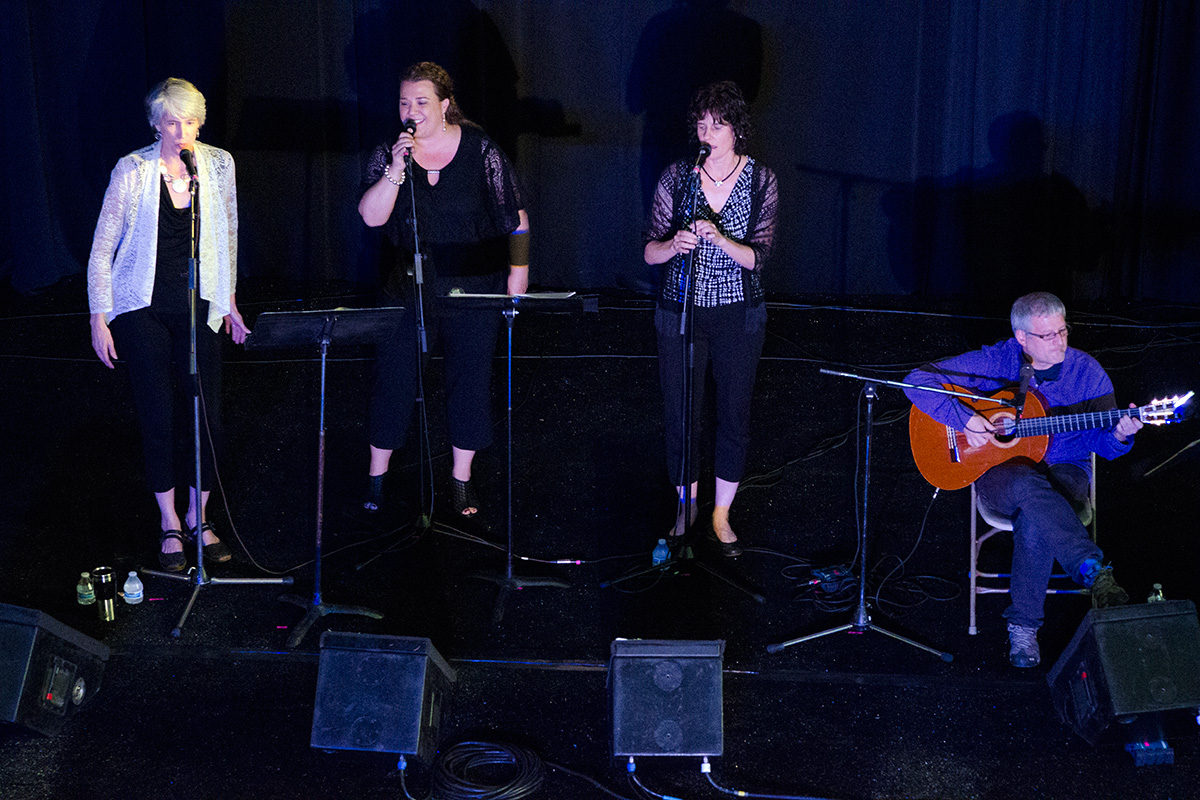
I met Begoña Echeverría and Andrea Bidart at the Basque Club in Chino, a city in Southern California’s Inland Empire, an hour’s drive from Los Angeles.
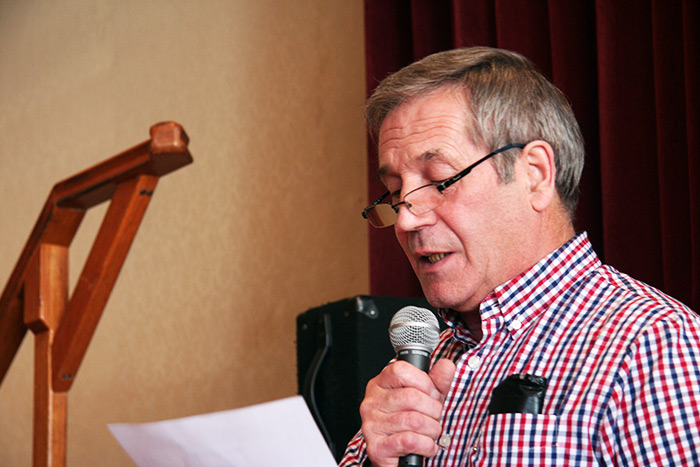
Quick wits, a keen ear, a powerful voice, and a thousand rhymes—these are the instruments of the Basque bertsolari.
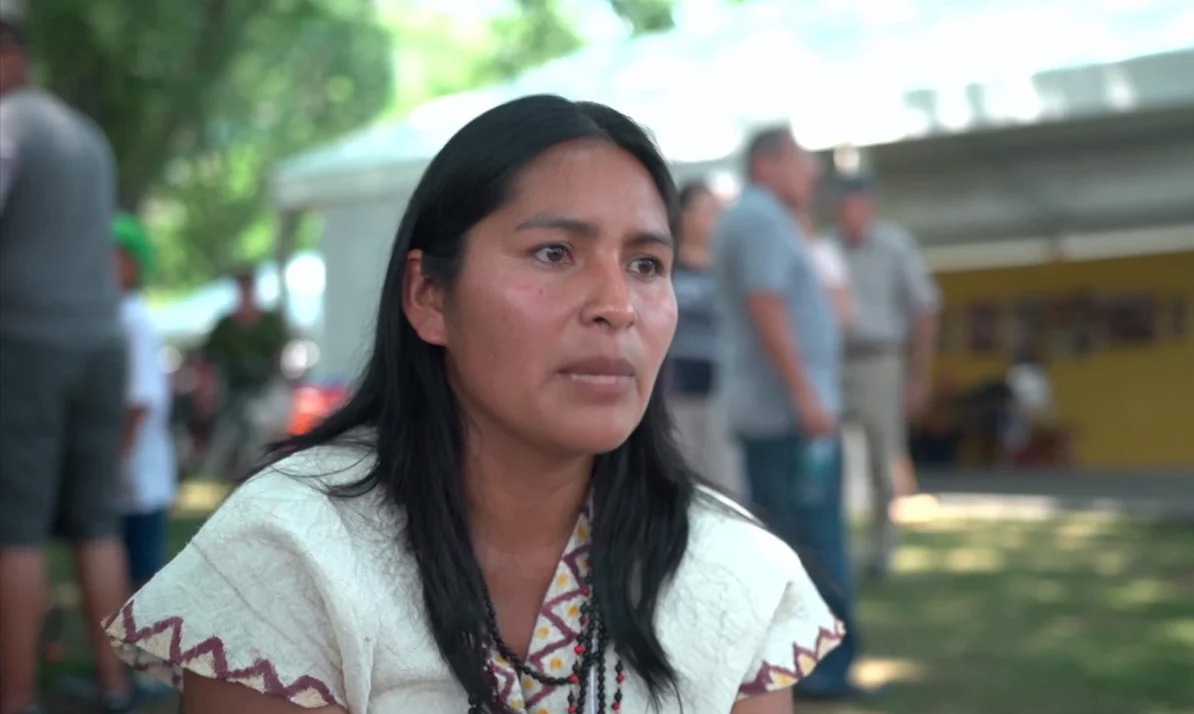
The Wachiperi were easy to spot at the 2015 Folklife Festival, in their hand-painted, hand-cut cushmas, beige tunics stretched from the fiber of tree bark.
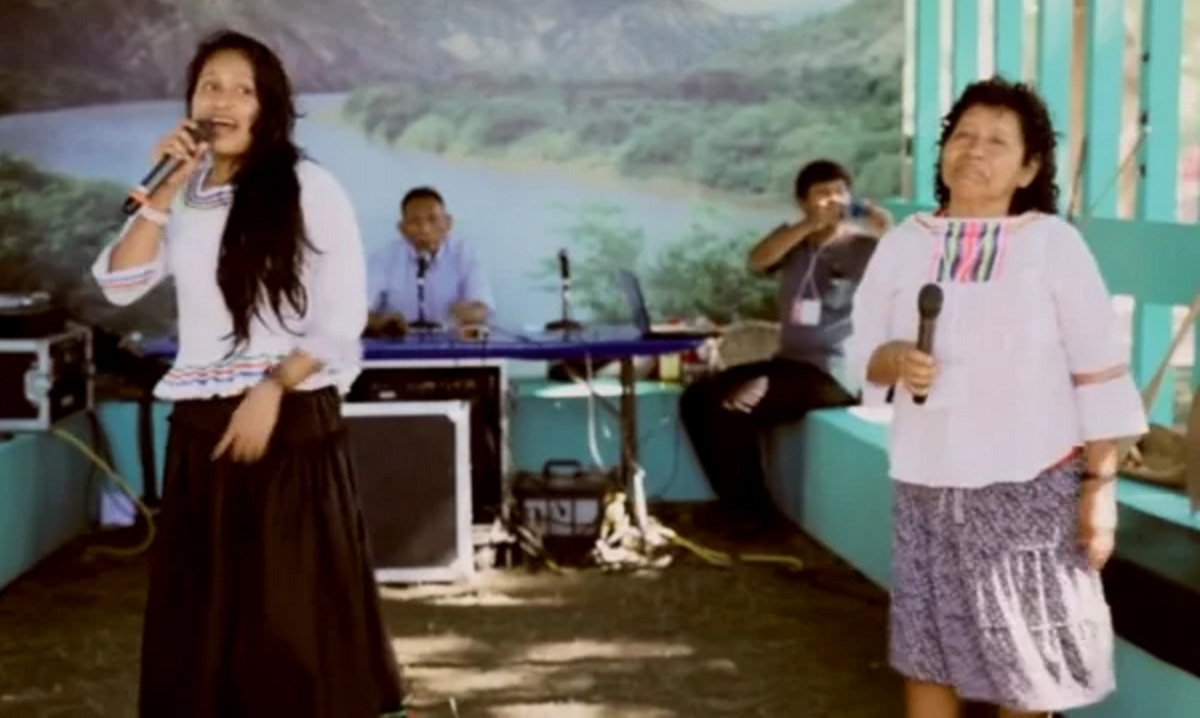
Through participatory methods, this radio station in the Peruvian Amazon works across generations to keep their community’s Kukama culture and oral traditions alive.
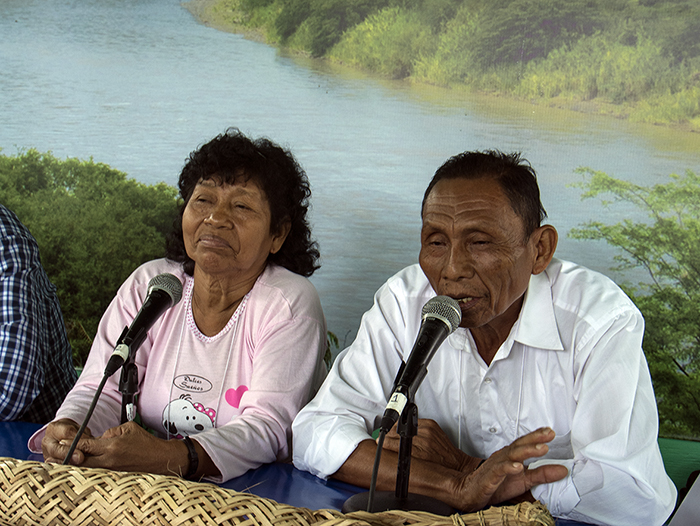
Kukama is a “deeply endangered language” (according to the Endangered Languages Archive) spoken in the city of Nauta in the Peruvian Amazon.

As the Perú: Pachamama program opened on the National Mall, the Peruvian Ministry of Education announced a new policy officially recognizing the alphabets of twenty-four indigenous languages.

Peru is a country of great linguistic diversity. While Spanish is used widely throughout the country, Peru is also home to more than ninety indigenous languages.
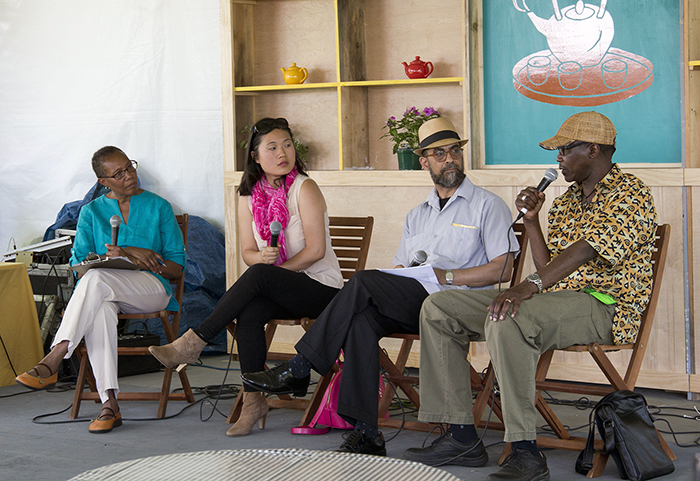
What is ethnic media and why is it relevant today? In this podcast, several figures active in ethnic media discuss its fundamental importance to societies across the world.
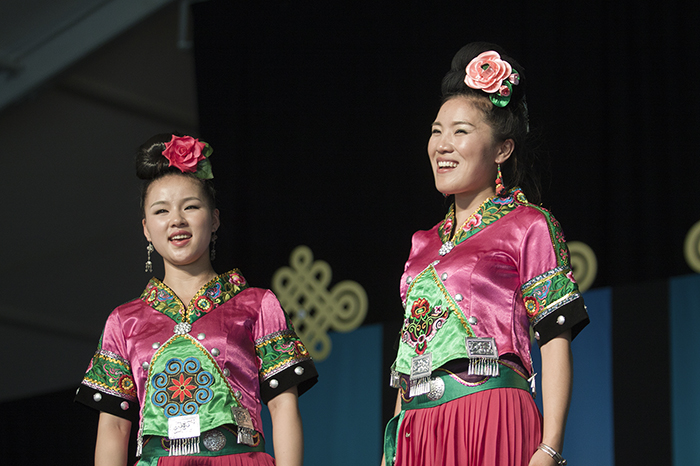
Growing up in China, the word “reunion” (tuan ju 团聚) always reminded me of a crowded, cozy, and chatty occasion when the extended family got together to catch up, eat a feast, and celebrate.
Support the Folklife Festival, Smithsonian Folkways Recordings, Cultural Vitality Program, educational outreach, and more.