
more
Social Justice
Posts tagged with Social Justice
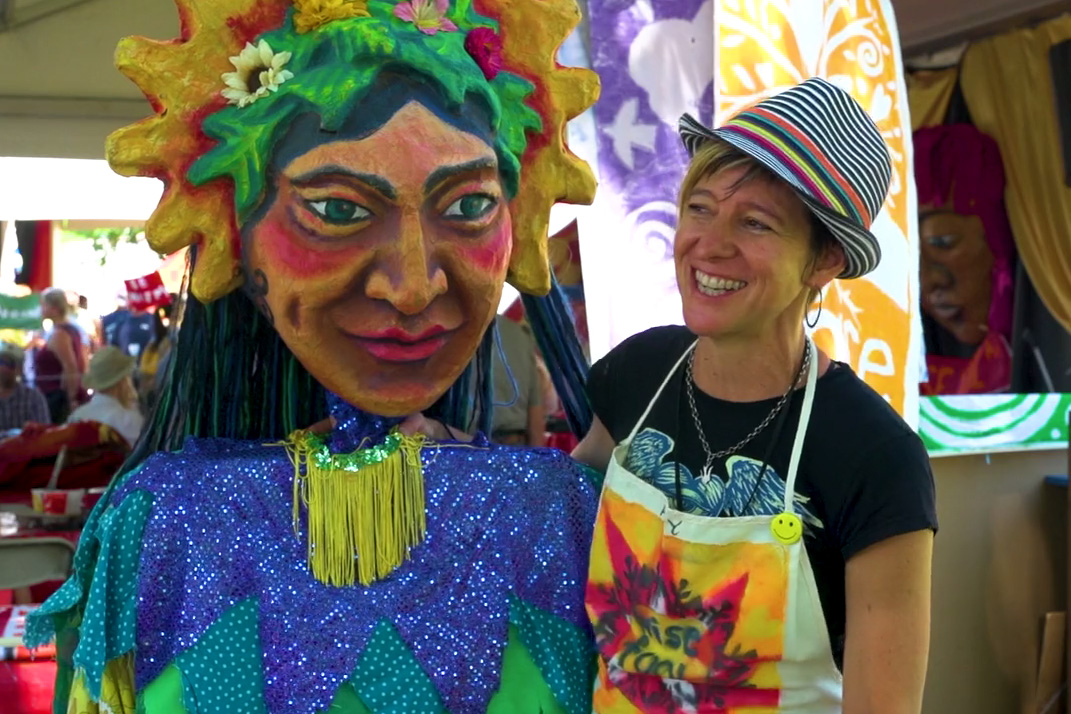
Artistic director Amy Christian explains the group’s origins and the social impact of circus.
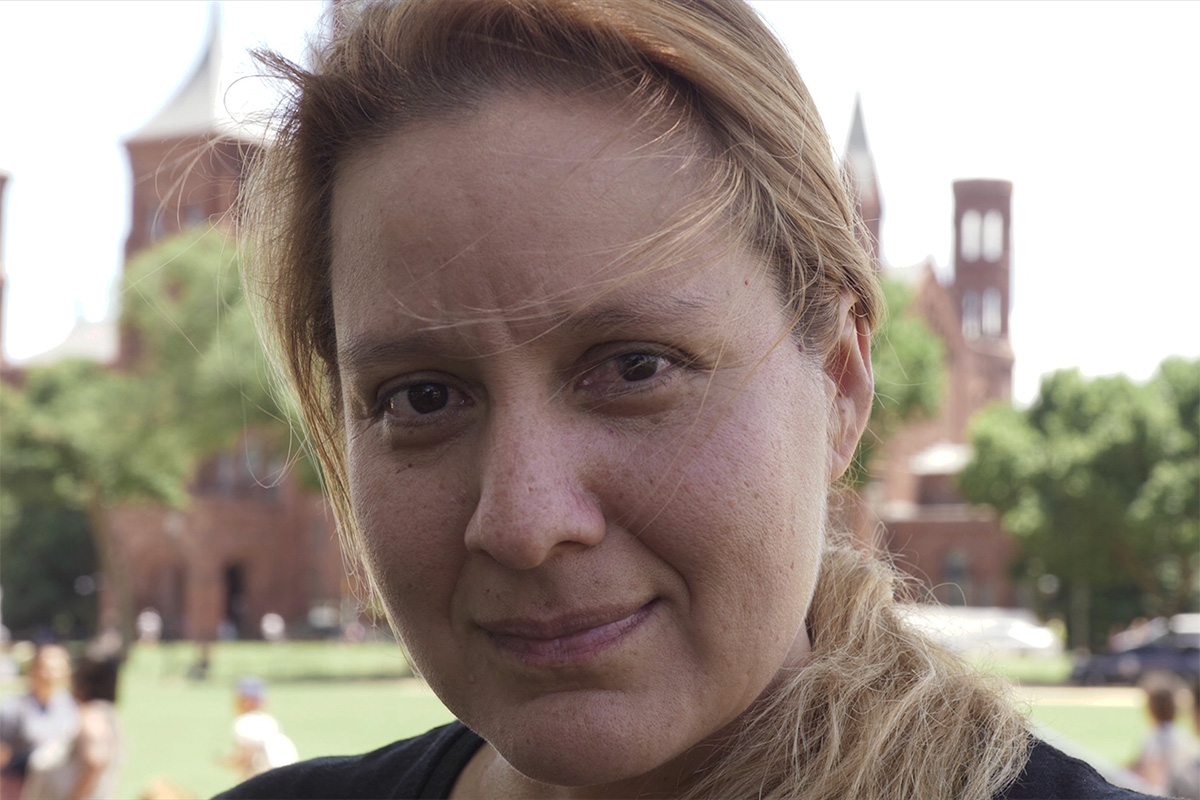
“My daughter is transgender, and she changed the lives of everyone in our family. I thought she was confused and abnormal, but I realized the person who was confused was me.”
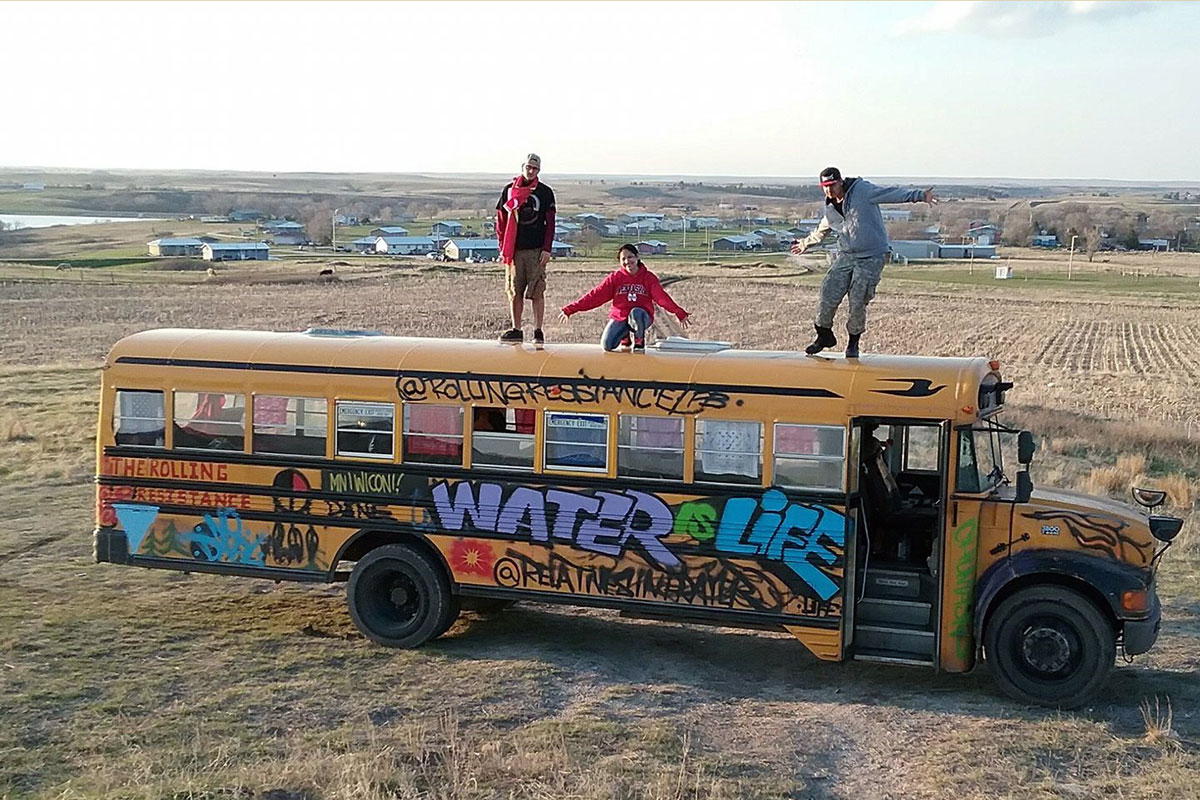
A graffiti-cloaked, smoke-filled, off-yellow school bus idled in front of the Washington Monument, stuffed with a group of 20 ecstatic water protectors. I had a tray of cookies from Costco and they were hungry.
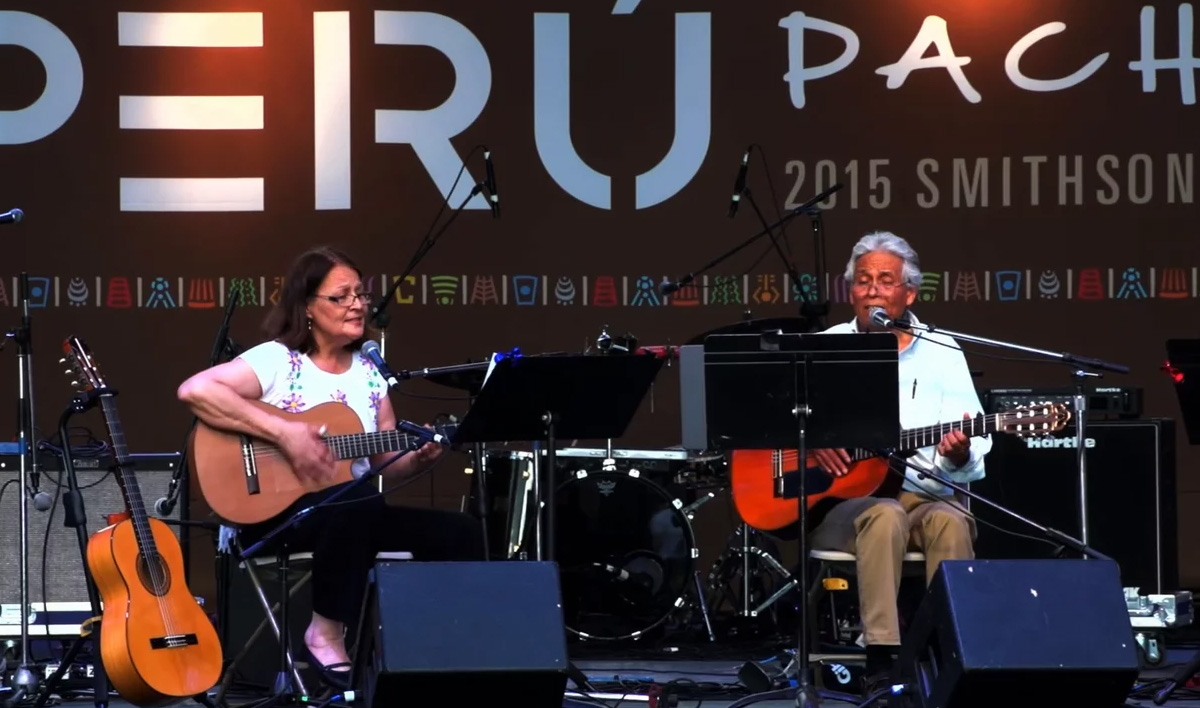
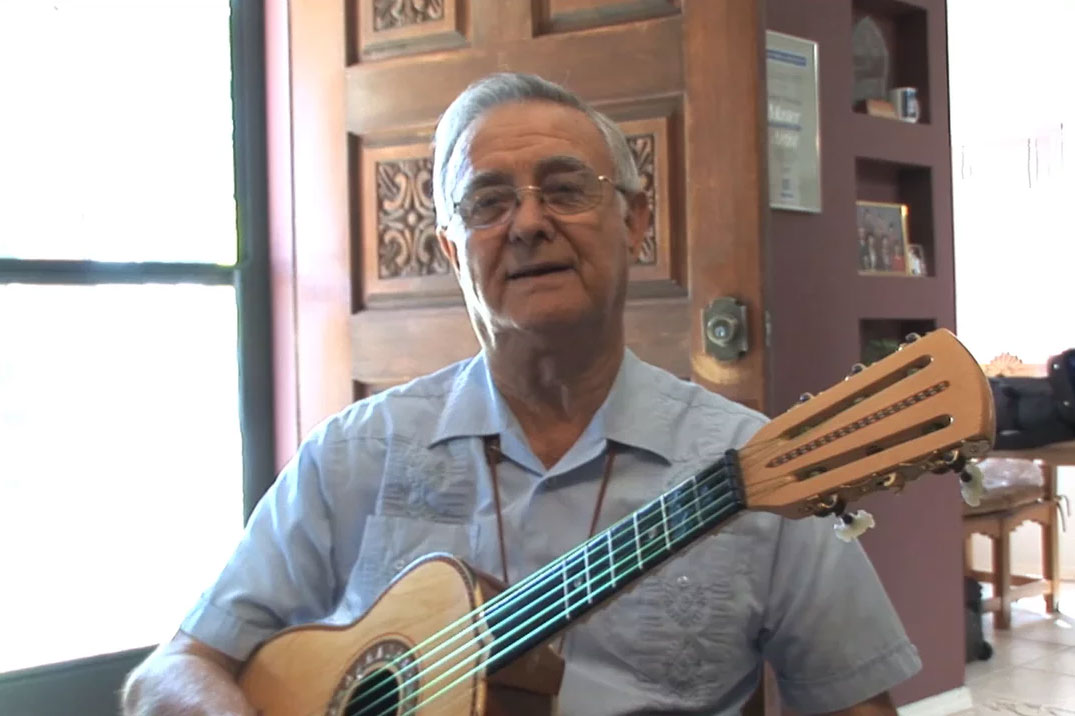
Agustín Lira & Alma chronicle the experiences and hidden histories of Chicano, Indigenous, and immigrant communities integral to California’s cultural fabric.

Now a Smithsonian Folkways Recordings artist based in Fresno, Agustín Lira continues to chronicle the experiences and little-known histories of Chicano, Indigenous, and immigrant communities in California.

Songs with politically sensitive lyrics are often censored. In this discussion session from the 2014 Smithsonian Folklife Festival, panelists discuss how this happens across multiple geographies, and why musicians always find it meaningful to fight back.
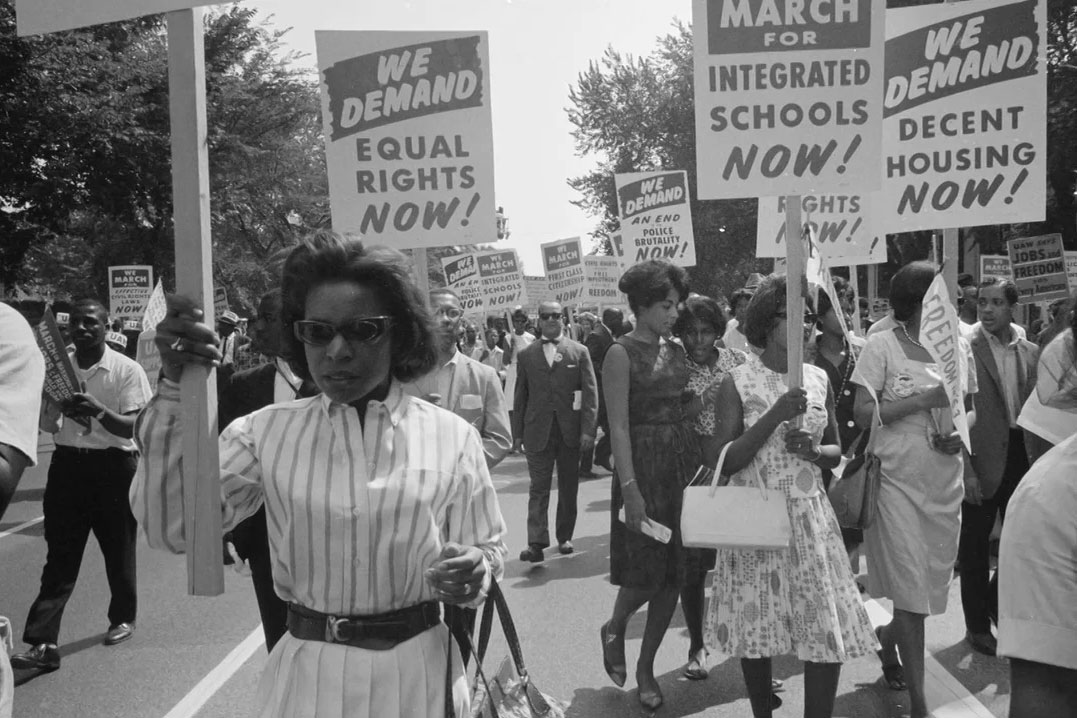
Januwa Moja discusses her experiences growing up in Civil Rights-era Baltimore and the insights that both led her to become a designer and influenced her art.
Las Gorras Negras (The Black Berets) were a multi-ethnic group that fought for social transformation amidst Civil Rights movements in New Mexico.
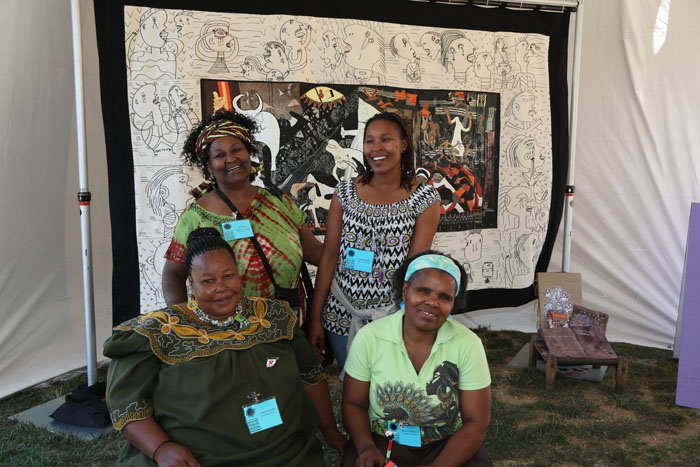
International Women’s Day marks an opportunity to take a stand for equality and emancipation
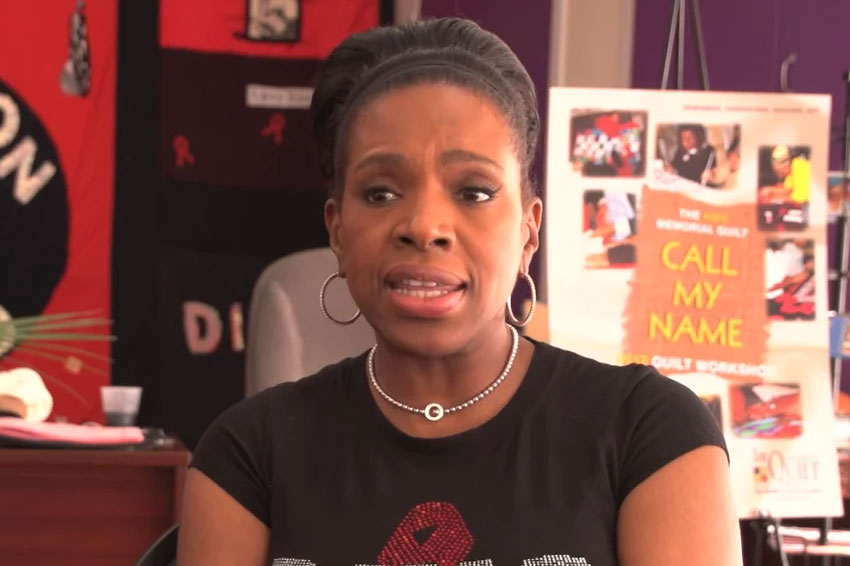
In March 2012, a team from The NAMES Project Foundation came to The Women’s Collective in Washington, D.C., to conduct a “Call My Name” quilting workshop.
Support the Folklife Festival, Smithsonian Folkways Recordings, Cultural Vitality Program, educational outreach, and more.