
more
Sports & Games
Posts tagged with Sports & Games
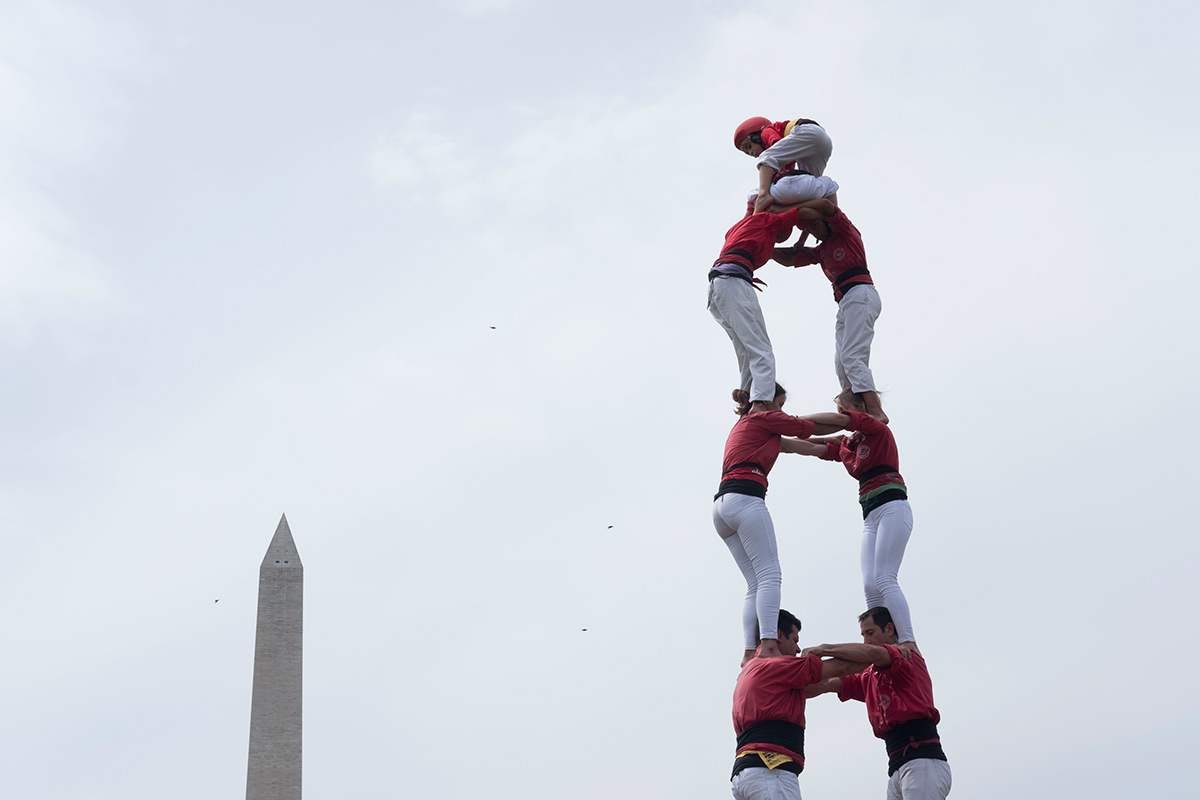
For the first time in history, hundreds of skilled performers brought the human tower building tradition of Catalonia to the National Mall.
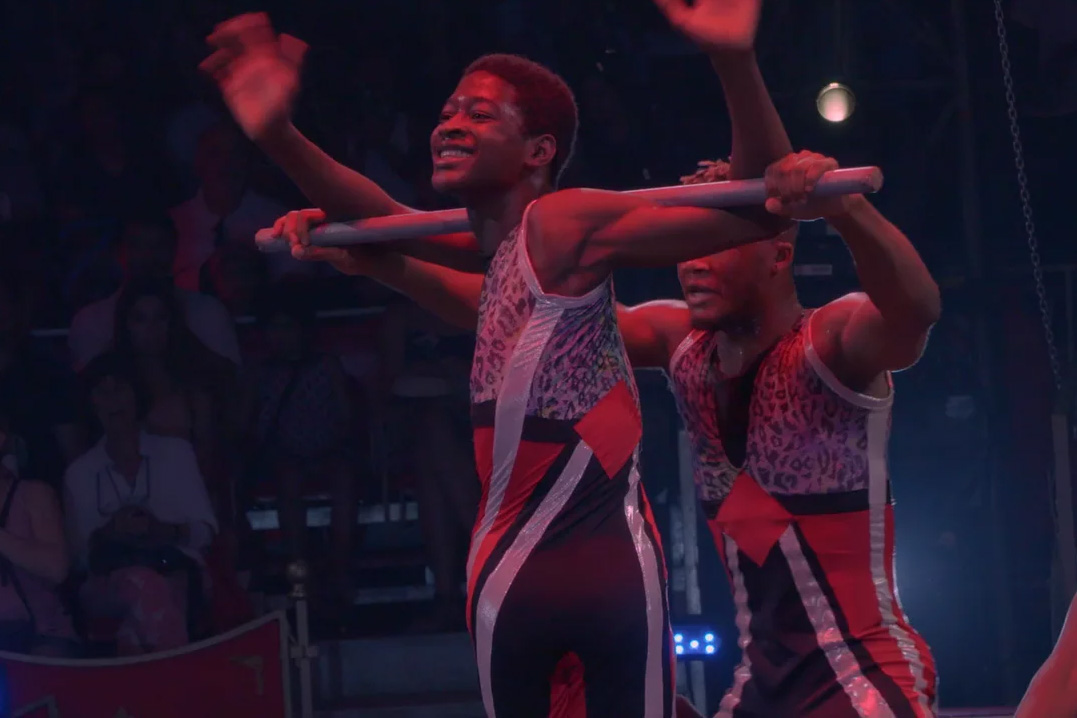
Among UniverSoul Circus’s many mind-boggling acts under the Folklife Festival’s Big Top, the Bone Breakers were the most twisted.

Capoeira developed in Brazil, derived from traditions brought across the Atlantic Ocean by enslaved Africans and fueled by the burning desire for freedom.
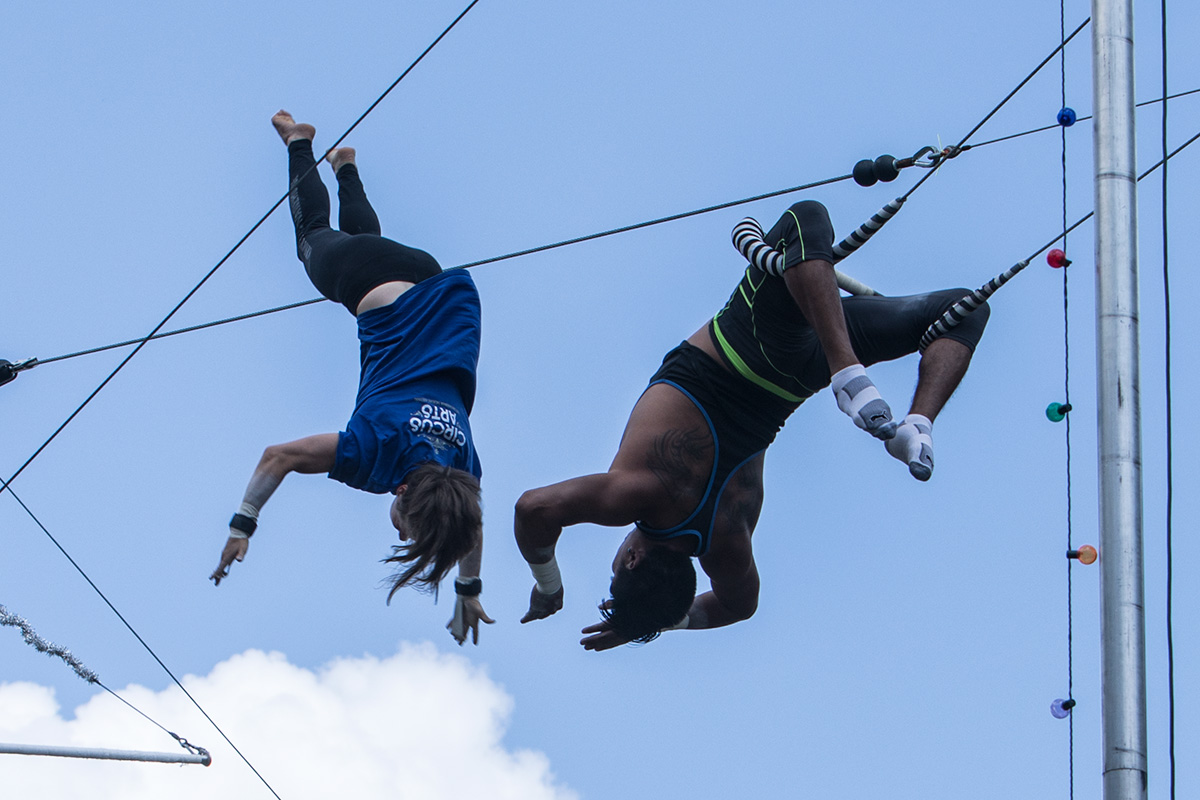
Watch a video of Listo Trapèze Volant, an aerialist team formed specifically for the Smithsonian Folklife Festival to showcase some of the best flying trapeze artists from around the world.

Two traditions of the Brazilian dance and martial art capoeira came together yesterday on the Migration Walkway.
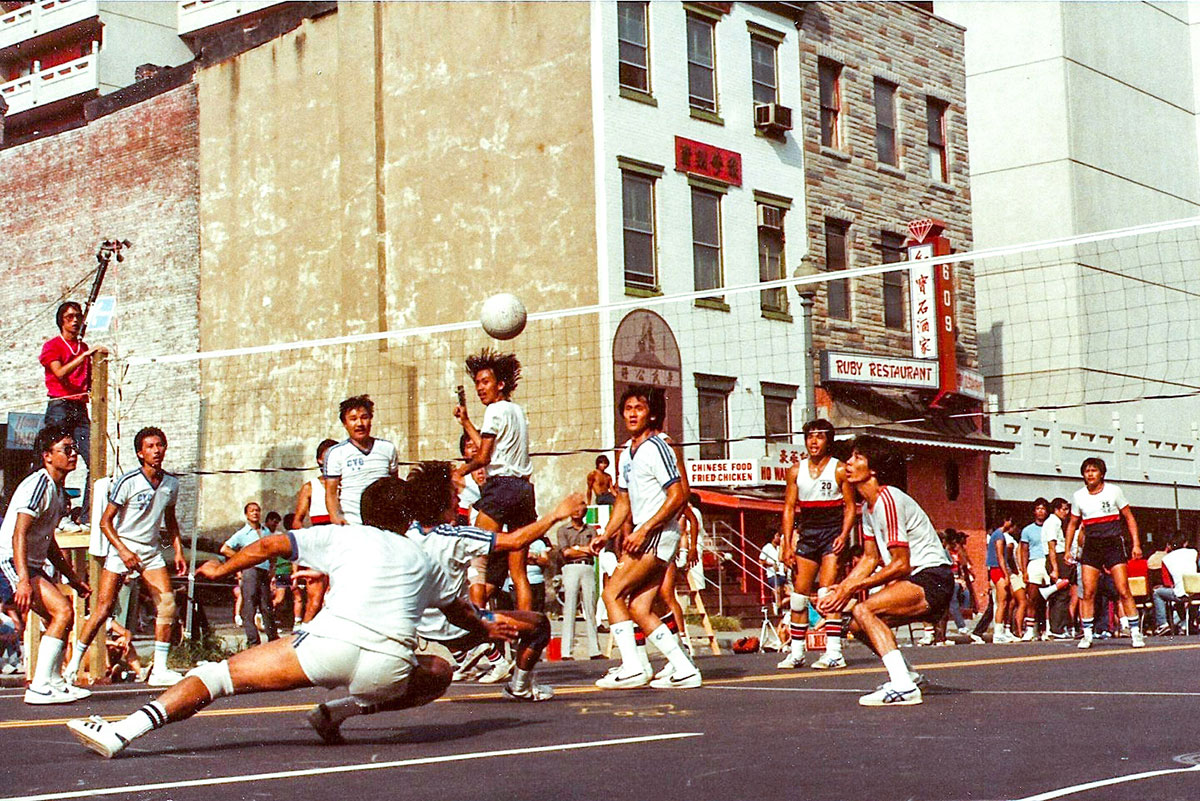
For more than four decades, I have spent my Labor Day Weekends masquerading as a back row defensive specialist on a 9-man volleyball team. What am I doing here?
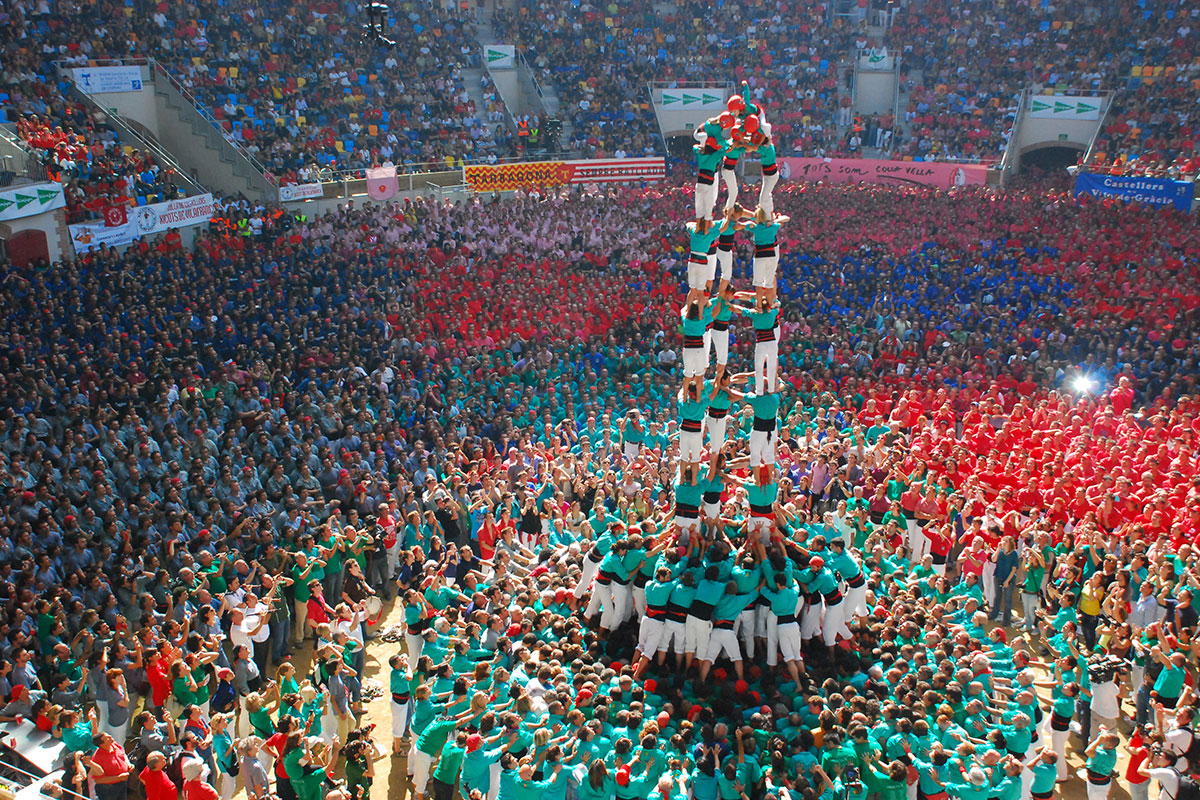
When I arrived to Catalonia in 2012, the two things that struck me most were Catalan nationalism and human towers called castells.
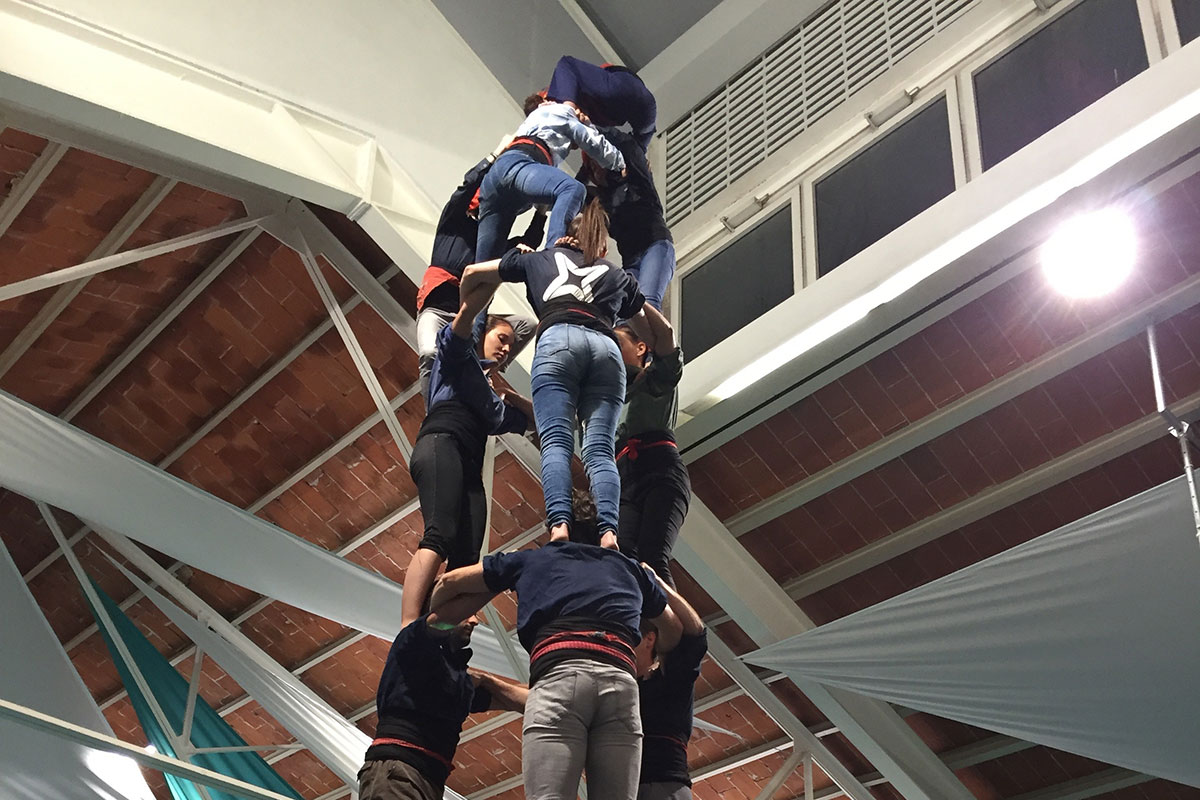
Always looking for new ways to keep people engaged in our work, even as it is unfolding, we will provide regular updates on the planning and development of the Catalonia program for the 2018 Folklife Festival.

When people play sports at the frontoia, the community comes together. As the center of cultural life in the Basque country, the frontoia (pilota handball court) is a place not only to watch games but to participate.
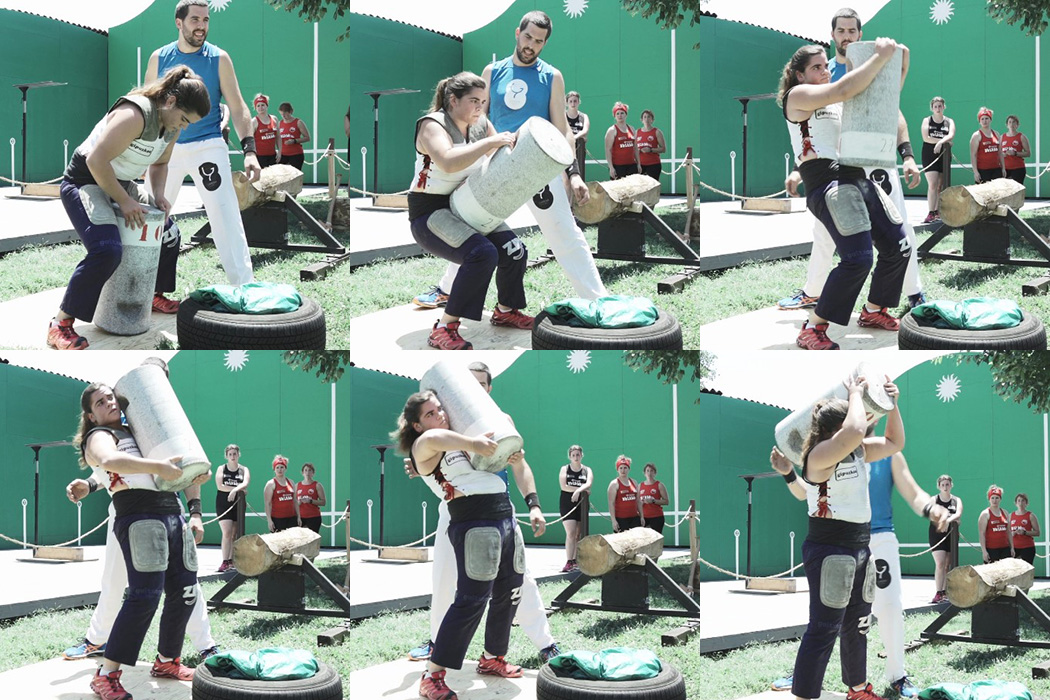
Every time there was a rural sports demonstration at the Folklife Festival’s Frontoia, or Basque handball court, you could hear cheers of “aupa neskak!”—let’s go, girls!
Support the Folklife Festival, Smithsonian Folkways Recordings, Cultural Vitality Program, educational outreach, and more.