

more
Traditional Knowledge
Posts tagged with Traditional Knowledge
Peru is a country of great linguistic diversity. While Spanish is used widely throughout the country, Peru is also home to more than ninety indigenous languages.
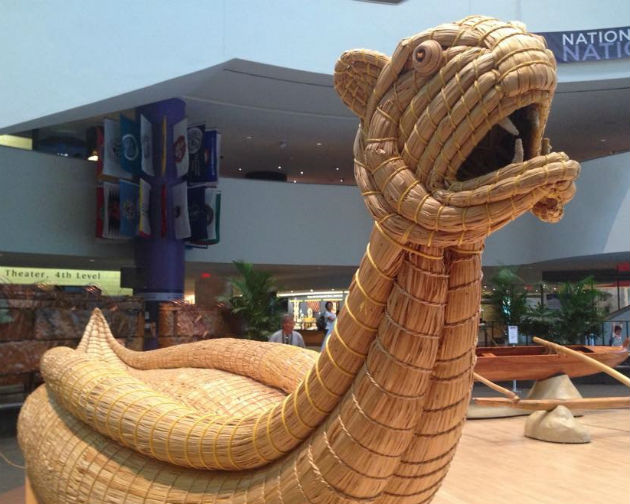
During my summer as an intern at the Smithsonian Center for Folklife and Cultural Heritage in Washington, D.C., I want to soak in as much of the city as possible.

Hanging across the Apurímac River in Huinchiri, Peru, is the world’s last remaining traditional Inka rope bridge: the Q’eswachaka.

I started taking calligraphy classes in 1997 at a local museum in Nanjing dedicated to a renowned modern calligrapher Lin Sanzhi (1898–1989).
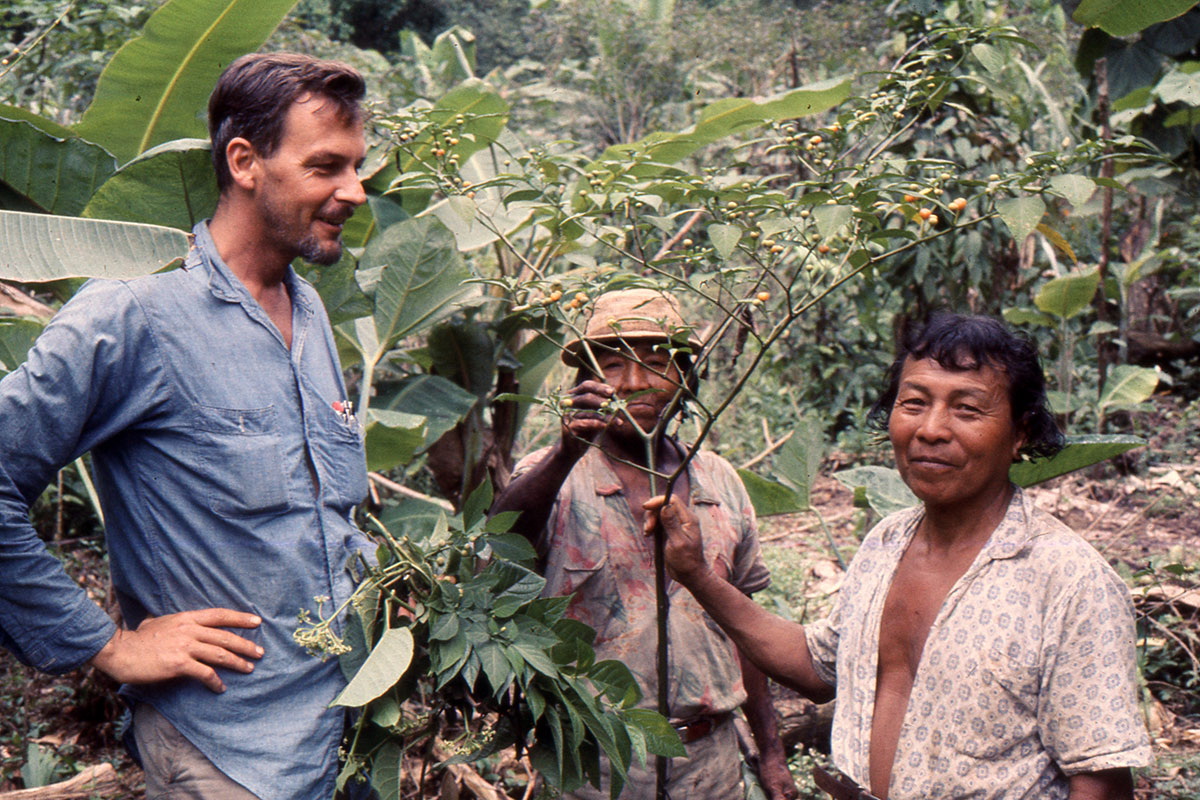
As part of background research for a possible future Smithsonian Folklife Festival themed around medical traditions, we visited Dr. James Duke at his garden in Fulton, Maryland.
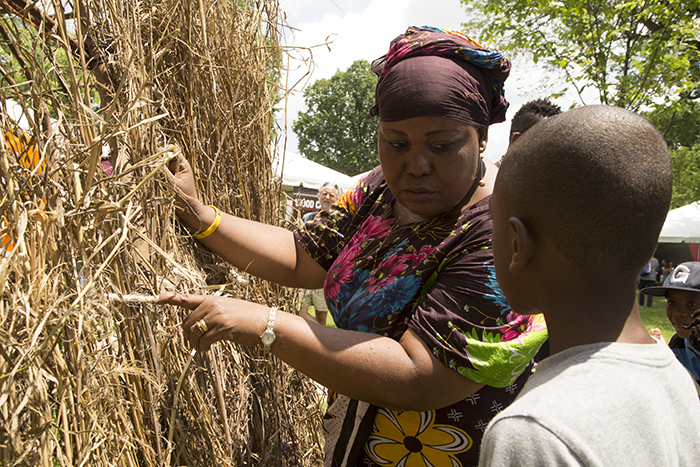
Visitors flocked to stare in awe as Kenyan participants Malika Badiribu and Salma Maro constructed a traditional Pokomo hut onsite, using natural materials that had been shipped from Kenya.
In the spring of 2011, Smithsonian Center for Folklife and Cultural Heritage researchers visited medicinal herb specialist Dr. James Duke to discuss a possible future program about medical traditions.
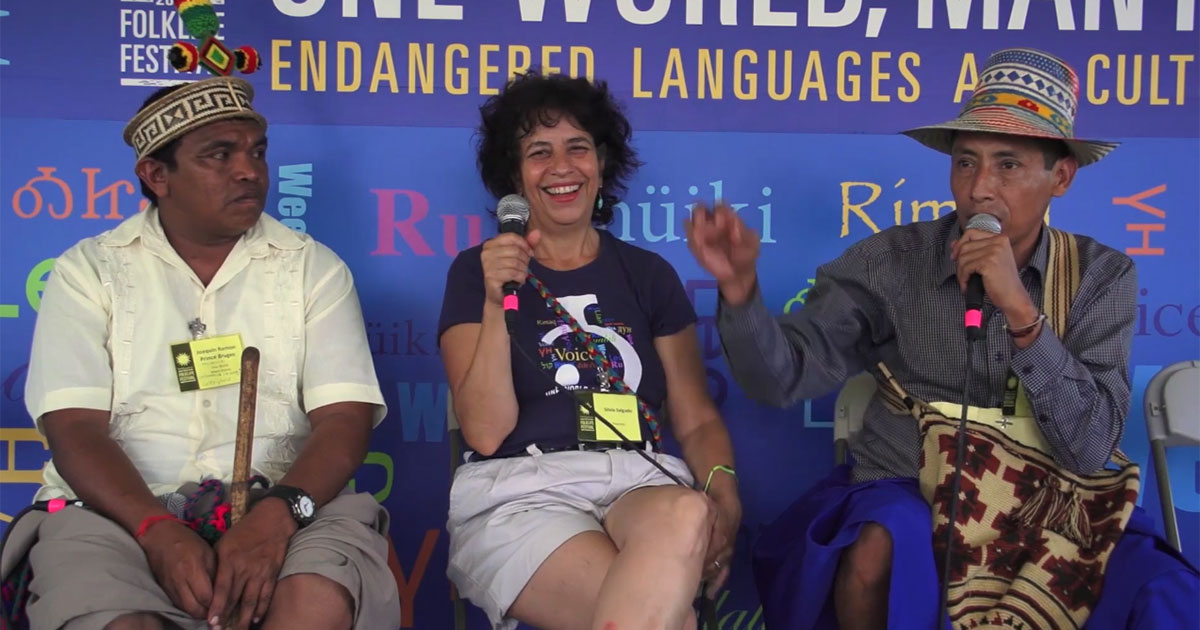
What’s in a greeting? Instead of wishing their neighbors good morning, the Wayuu people of Colombia and Venezuela ask each other about the preceding night’s dreams.
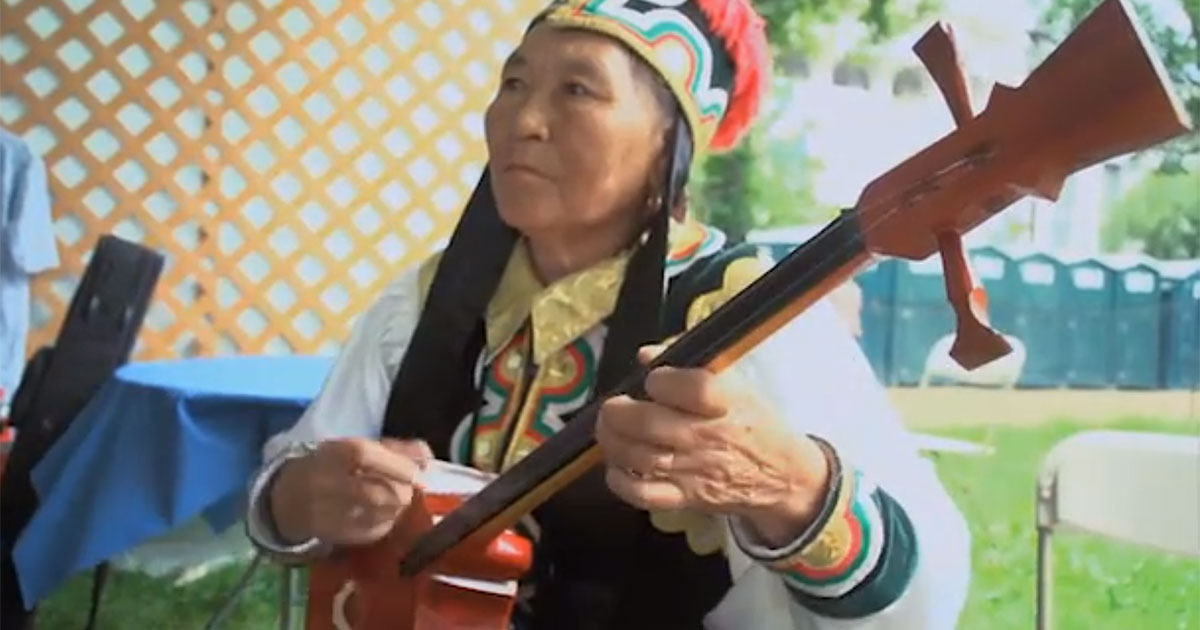
A process of cultural renewal and linguistic revival is taking place in Kalmykia, Russia, home to the westernmost group of Mongolic peoples.
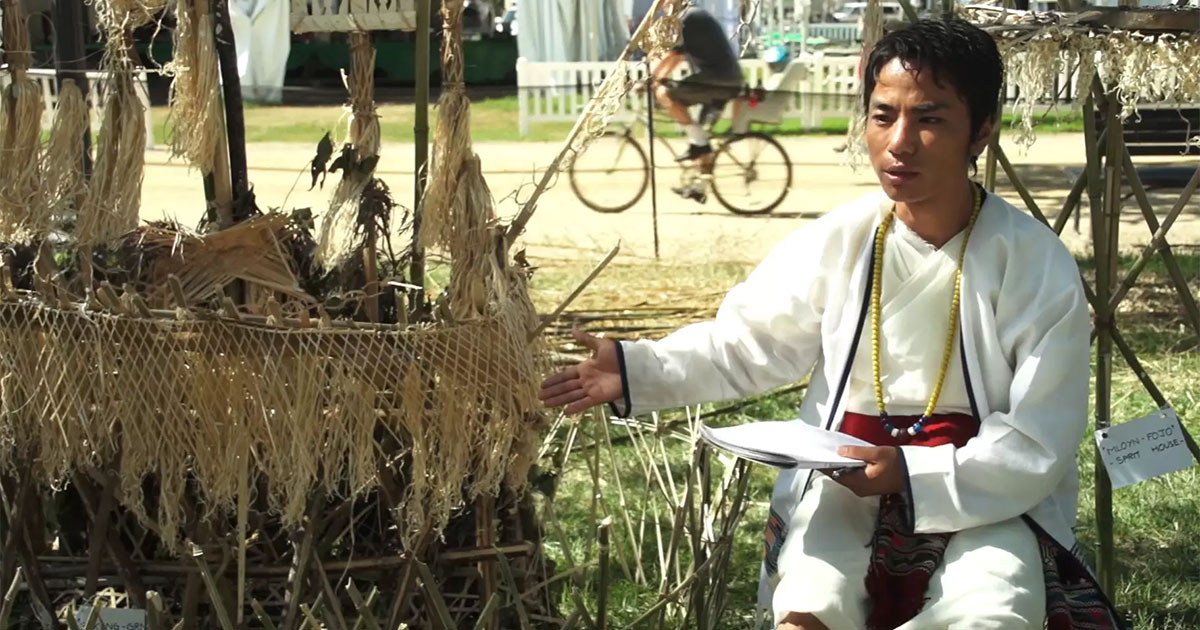
Koro is an endangered Tibeto-Burman language spoken in Arunachal Pradesh, India, with an estimated six to eight hundred speakers. Khandu Degio
Support the Folklife Festival, Smithsonian Folkways Recordings, Cultural Vitality Program, educational outreach, and more.