

more
China
Posts tagged with China
You can’t even hear yourself think, let alone someone else speaking, when you’re standing between two competing karaoke stations. So we just kept moving through the covered walkway in the middle of the park
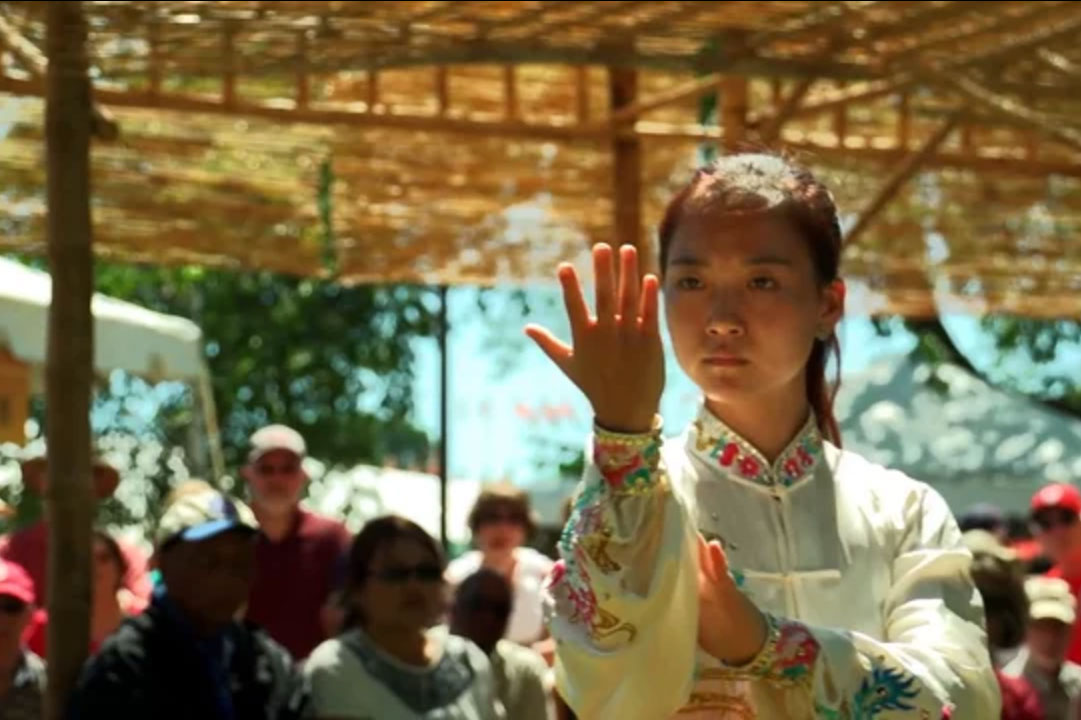
When I ask my American friends what impressions they have of China, the most common answers I get are Bruce Lee, Jackie Chan, and kung fu.
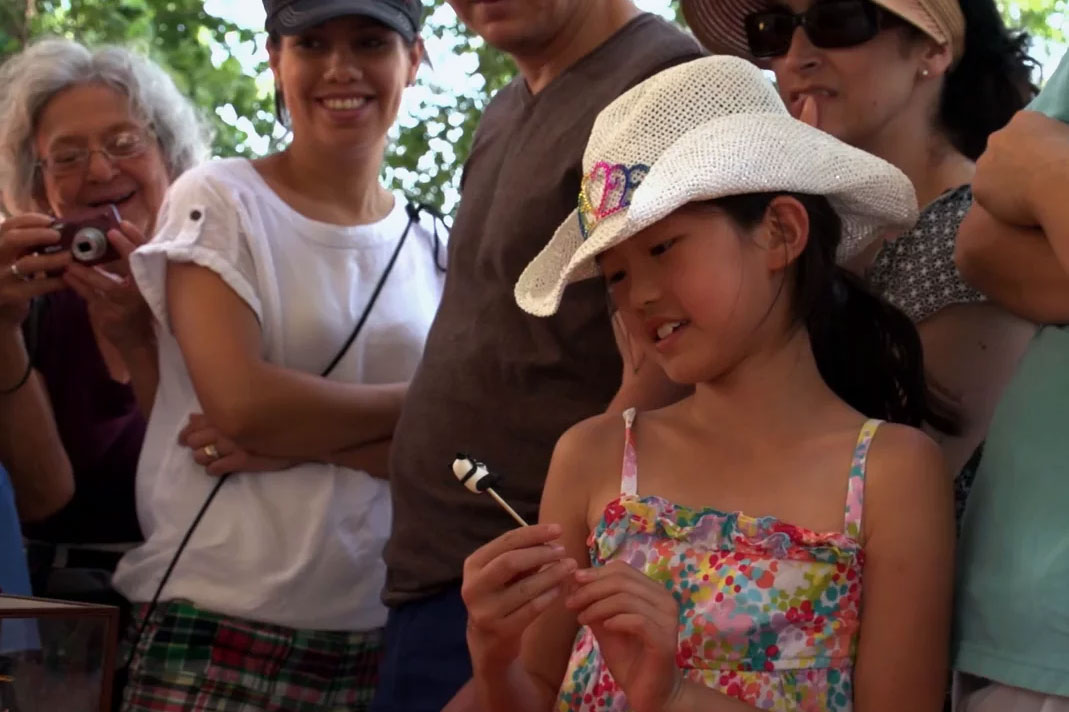
The Chinese art of dough modeling dates back more than two thousand years. At the 2014 Smithsonian Folklife Festival, artist Zhang Baolin explains the history and his own introduction to the intricate sculptures as a young boy.
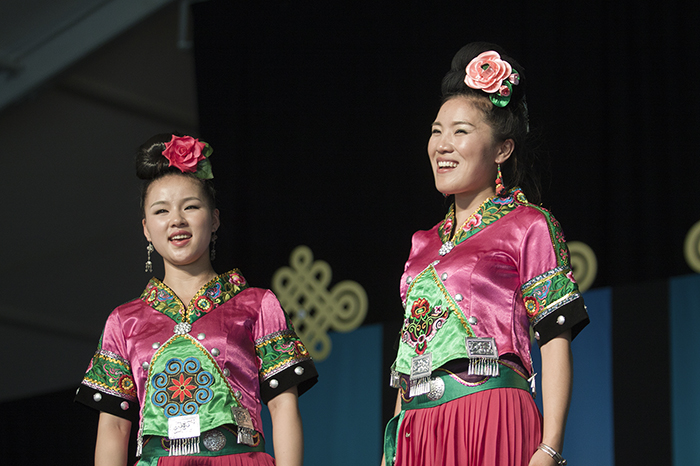
Growing up in China, the word “reunion” (tuan ju 团聚) always reminded me of a crowded, cozy, and chatty occasion when the extended family got together to catch up, eat a feast, and celebrate.
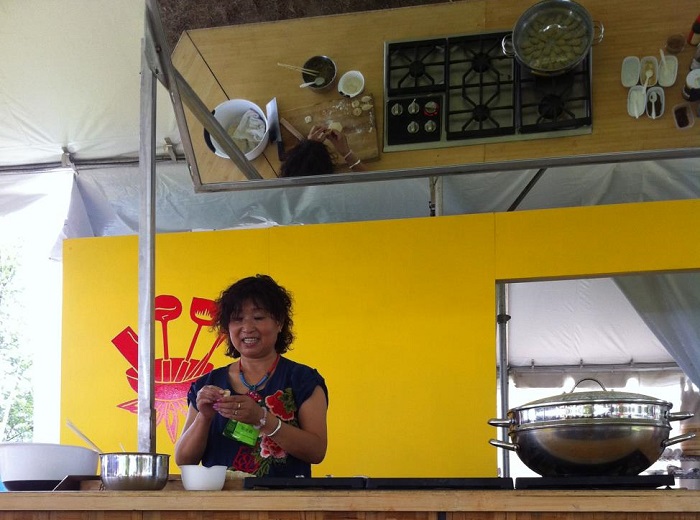
Tian Yali brought this dish to the 2014 Folklife Festival from Tongchuan City in Yijun County, Shaanxi Province.
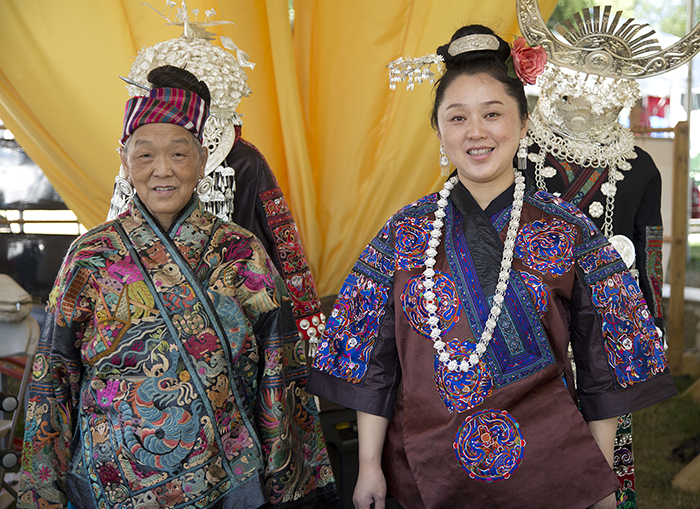
During the Festival, I worked closely with Pan Yuzhen 潘玉珍 and her daughter Zhang Hongying 张红英, embroiderers who are Miao, an ethnic minority.
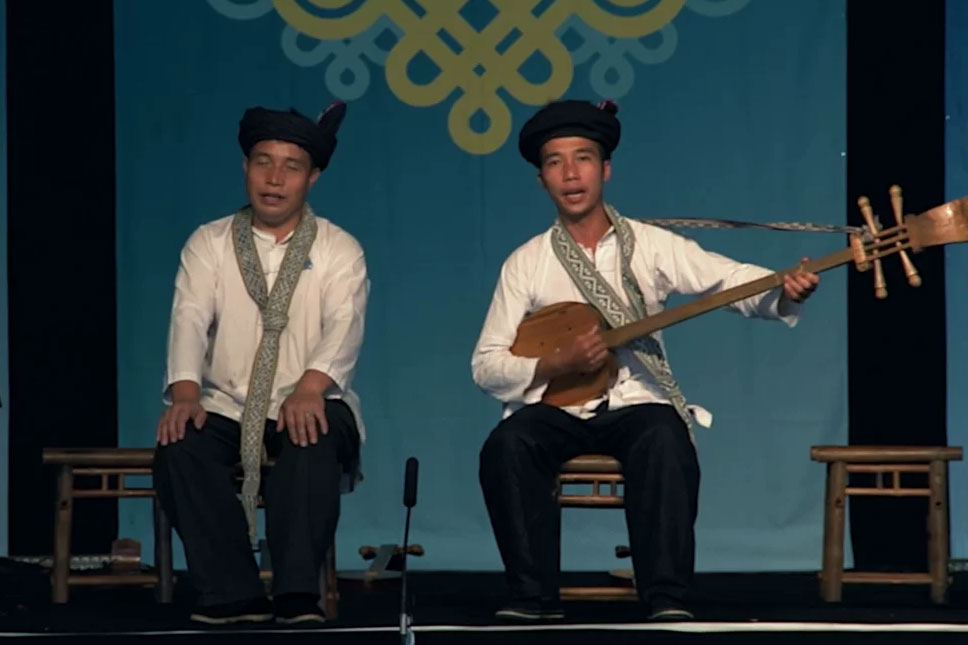
At the 2014 Smithsonian Folklife Festival, musician Qianchun Wu from the Dimen Dong Folk Chorus explains the stringed instruments common in their region of Guizhou Province, China.

Jiànzi, which was offered in the People’s Park area of the Festival, is a jingling, feathered Chinese shuttlecock that is played like American hacky-sack

Changes occur when ethnic music, which is typically passed down from generation to generation within a family in intimate settings, is institutionalized and commercialized
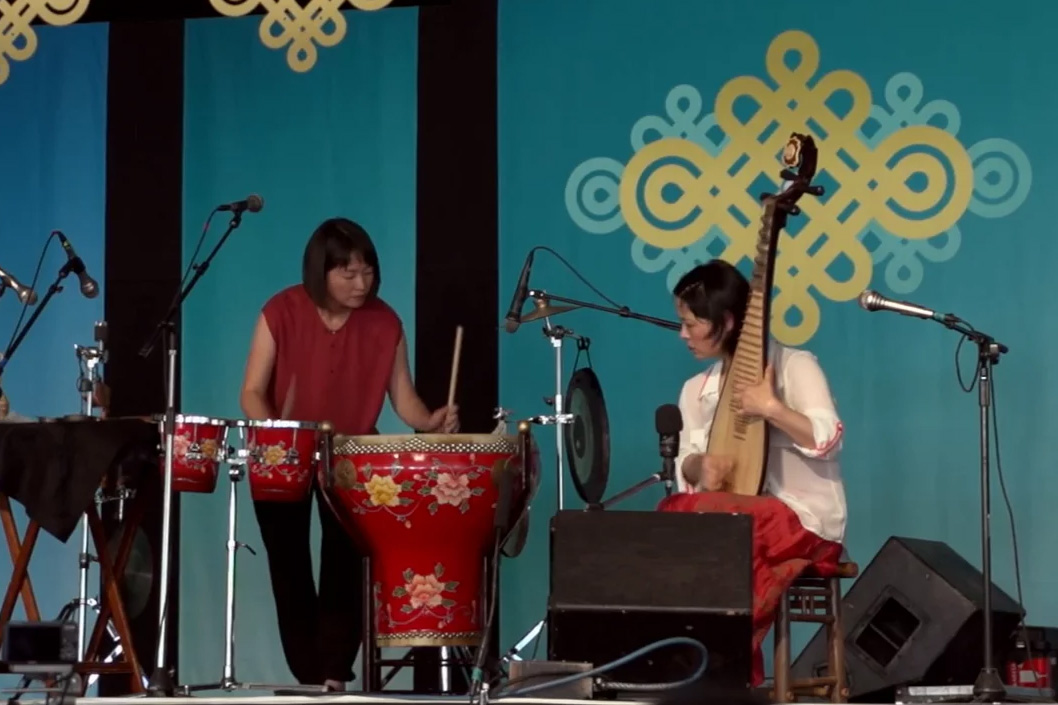
During the 2014 Smithsonian Folklife Festival, Wu Man performed an original composition on the pipa entitled “Night Thoughts,” based on a work by Chinese poet Li Bo.
Support the Folklife Festival, Smithsonian Folkways Recordings, Cultural Vitality Program, educational outreach, and more.