
more
China
Posts tagged with China
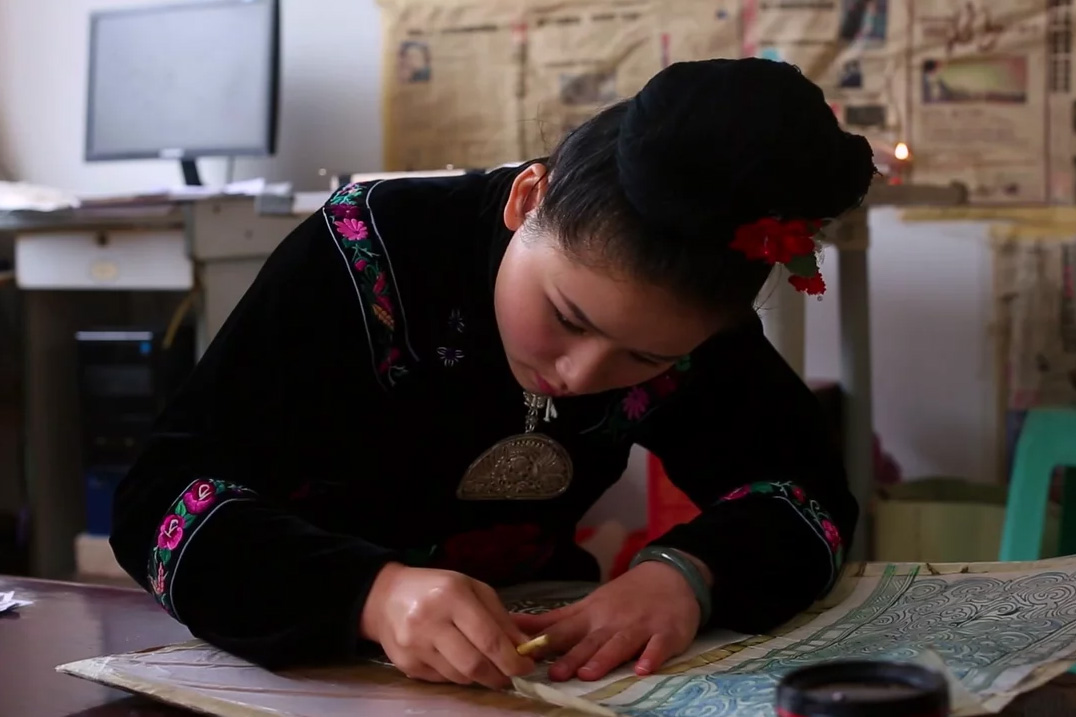
Lian Xiaoyin is a performer with the Leishan Miao Music and Dance Group and a student of the ancient art of batik dyeing.
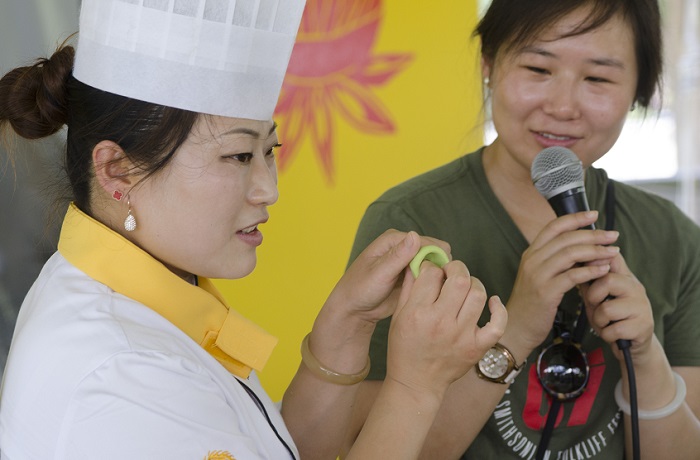
There are many different kinds of the small Chinese dumpling called shumai. The variety featured in this recipe is called “jade” shumai because both the filling and wrapper are a pale green color when cooked.

Cooking, by nature, is a deeply personal experience. Each ingredient is a cultural attribute, each method a piece of cultural knowledge, and each meal a social experience.

China program coordinator Jing Li visited Songpan County in Sichuan Province to talk with Zewang Renqing and Geluo Zhaxi, the artists and brothers who performed Qiang polyphonic singing at this year’s Folklife Festival
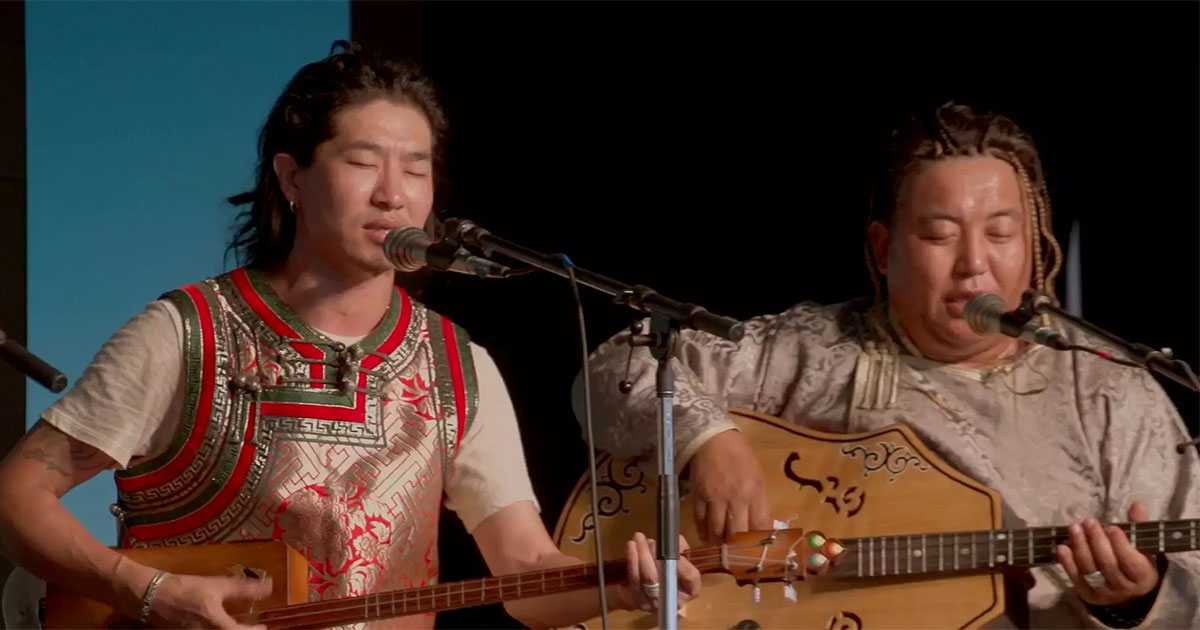
The Inner Mongolian ensemble Ih Tsetsn won over crowds at the 2014 Smithsonian Folklife Festival with their complex harmonies and high-energy music. Here, they perform a traditional song of worship, or song ge, praising the land and nature.
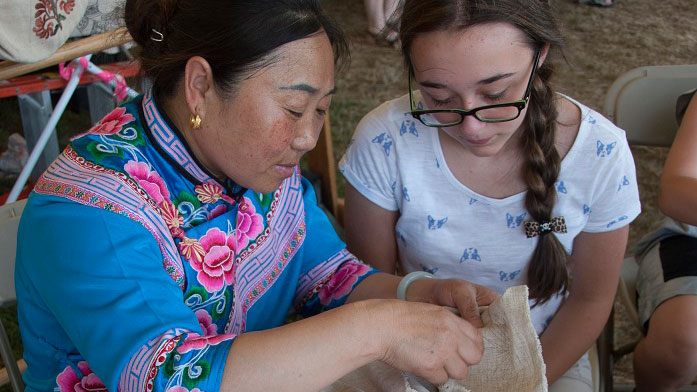
It used to all depend on individual effort to promote Qiang embroidery, which was very difficult, but after the earthquake the government funded “help centers” for us to help teach women to embroider in order to make a living.
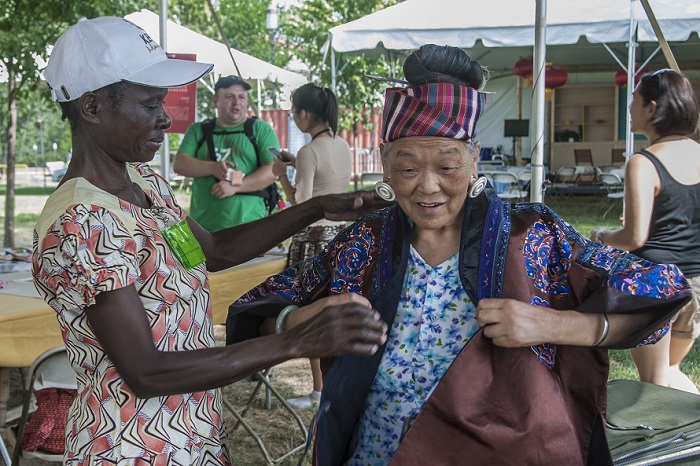
Before beginning my internship with the Smithsonian Center for Folklife and Cultural Heritage, I could not have imagined what a chaotic, enlightening, exhausting and truly wonderful event the Folklife Festival would turn out to be.

The mysterious art of bian lian or face-changing originated in Sichuan Opera, and has long been a closely guarded secret of Chinese performers.

Even with a million things to do to ensure that the Folklife Festival goes off without a hitch, the staff of the Center for Folklife and Cultural Heritage still find opportunities to experience exciting things on the National Mall.

During the 2014 Folklife Festival, international tai chi champion Chai Yunlong of the Beijing Sports University performed martial arts demonstrations and led daily sessions for visitors to learn the basics of the Chen style of tai chi.
Support the Folklife Festival, Smithsonian Folkways Recordings, Cultural Vitality Program, educational outreach, and more.