
more
2014 Festival
Posts tagged with 2014 Festival
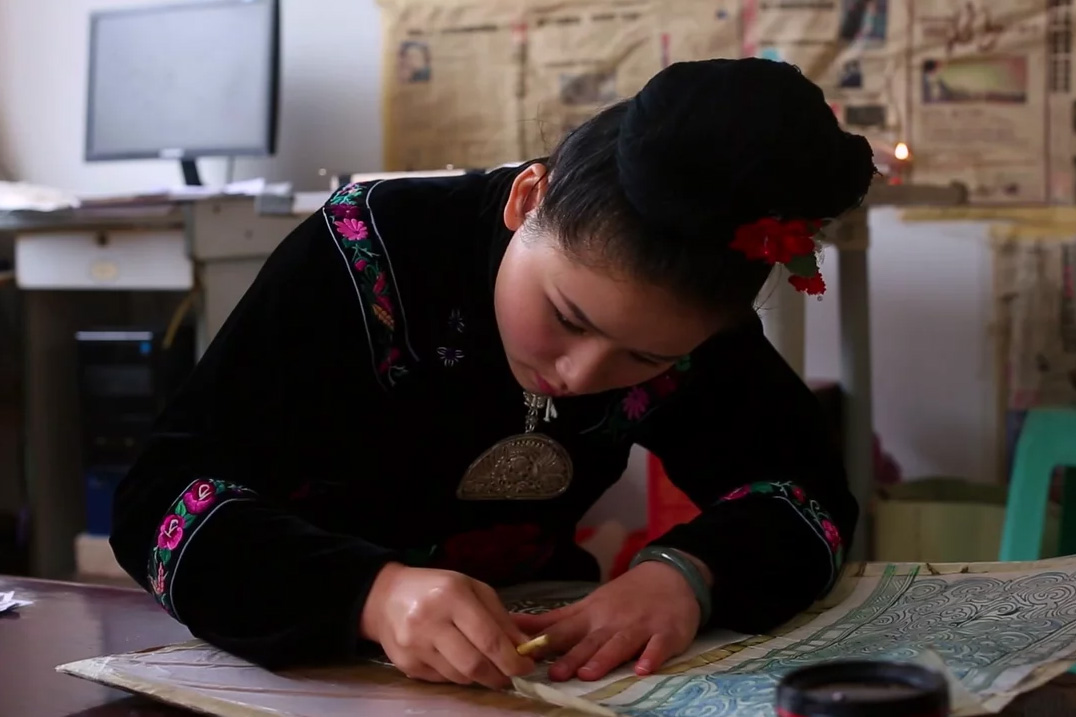
Lian Xiaoyin is a performer with the Leishan Miao Music and Dance Group and a student of the ancient art of batik dyeing.
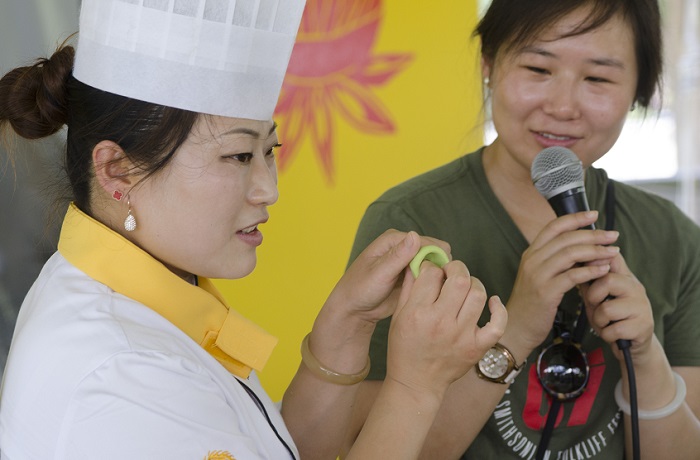
There are many different kinds of the small Chinese dumpling called shumai. The variety featured in this recipe is called “jade” shumai because both the filling and wrapper are a pale green color when cooked.

Cooking, by nature, is a deeply personal experience. Each ingredient is a cultural attribute, each method a piece of cultural knowledge, and each meal a social experience.
This summer, twenty-four Smithsonian museums and centers are competing to find the one object that best represents the Smithsonian—and you can help choose!
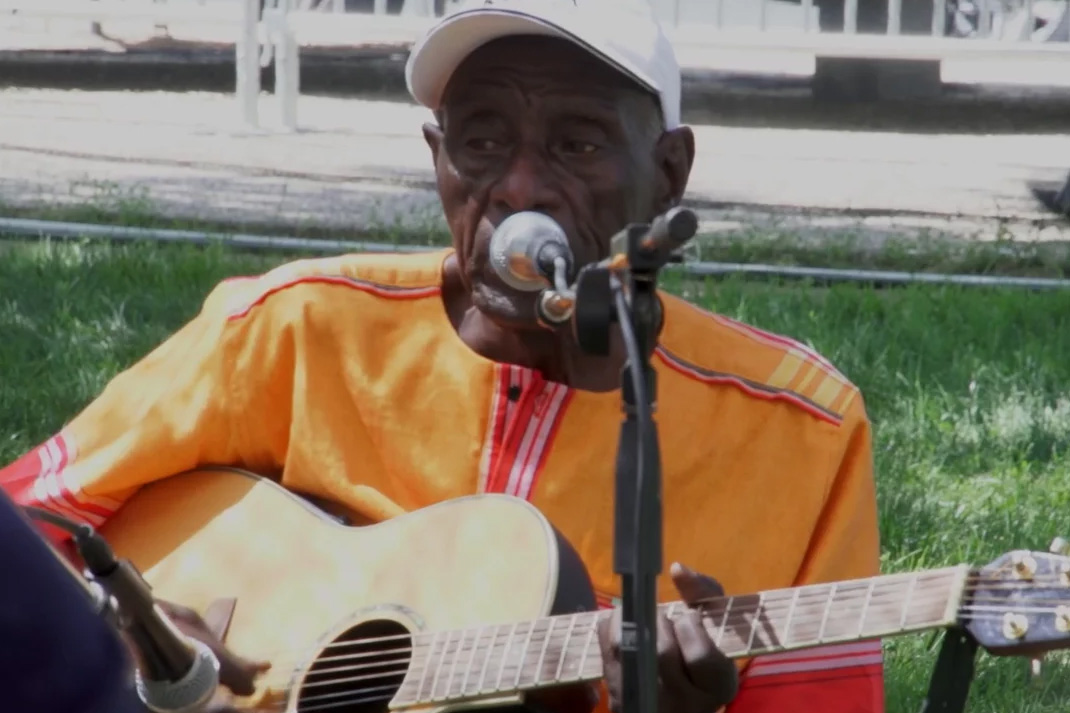
During one of the “Songs of Struggle” discussion sessions at the 2014 Smithsonian Folklife Festival’s Kenya program, musicians Peter Akwabi and John Nzenze performed a song that Nzenze originally wrote in 1963
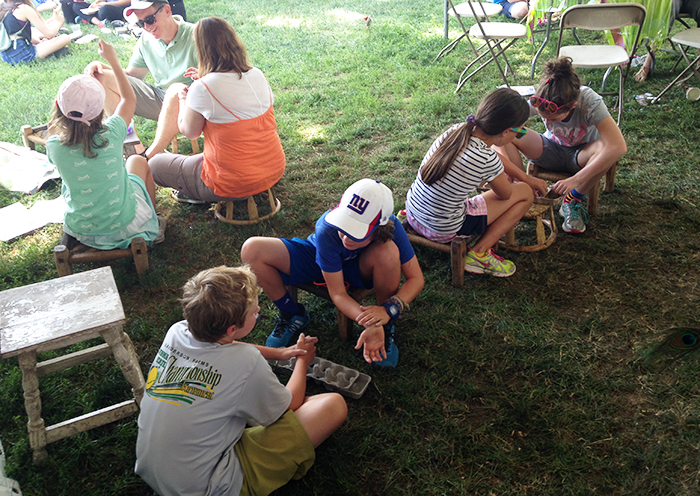
“I have to go show the flip-flop guys! They’re going to be so proud, right?” It was day five of the Festival, and an eight-year-old boy, beaming and sweaty, was proudly presenting to me the result of his labors in the Kenya Family Activities tent

China program coordinator Jing Li visited Songpan County in Sichuan Province to talk with Zewang Renqing and Geluo Zhaxi, the artists and brothers who performed Qiang polyphonic singing at this year’s Folklife Festival

If you visited the 2014 Folklife Festival, you may have noticed a wacky construction in the Kenya program area with beer bottles and other odds and ends sticking out of the sides.
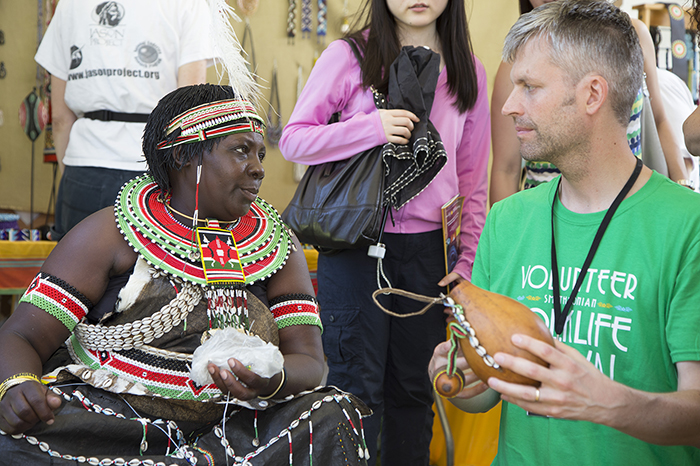
The Kenya: Mambo Poa program at the 2014 Smithsonian Folklife Festival invited two bead artists from Kenya: Susana Daniel Chemakwany and Susan Naserian Nketoria.
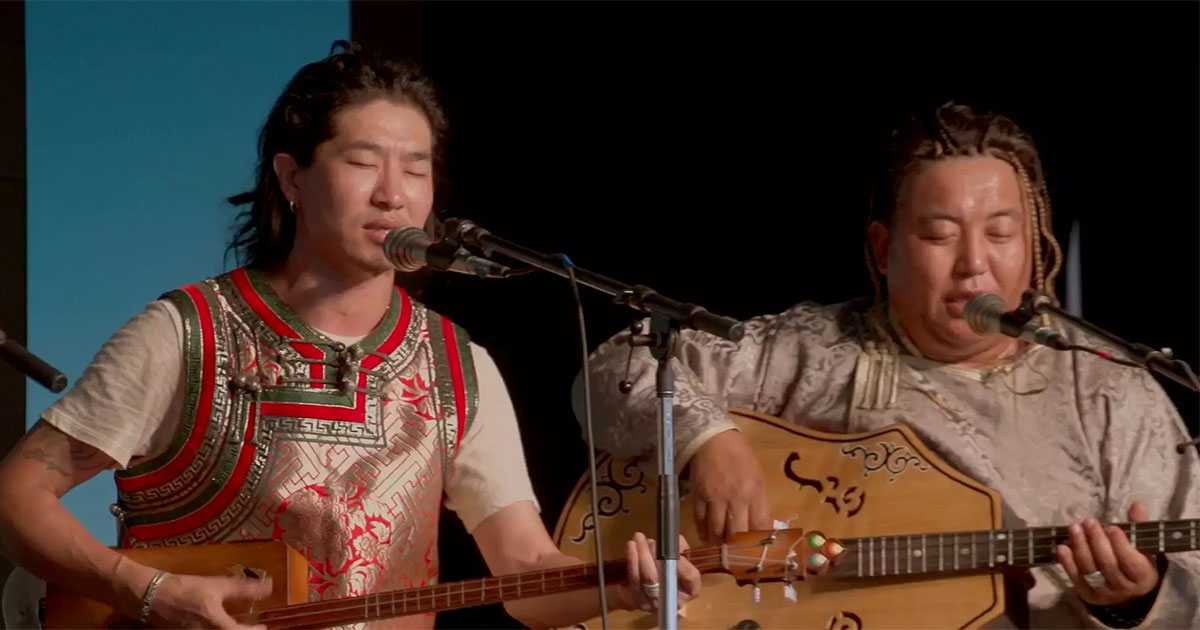
The Inner Mongolian ensemble Ih Tsetsn won over crowds at the 2014 Smithsonian Folklife Festival with their complex harmonies and high-energy music. Here, they perform a traditional song of worship, or song ge, praising the land and nature.
Support the Folklife Festival, Smithsonian Folkways Recordings, Cultural Vitality Program, educational outreach, and more.