

more
2014 Festival
Posts tagged with 2014 Festival
Three and a half weeks after the Folklife Festival, there are still a few pieces to pick up. Participants settled back home in Kenya and China are starting to send in their feedback
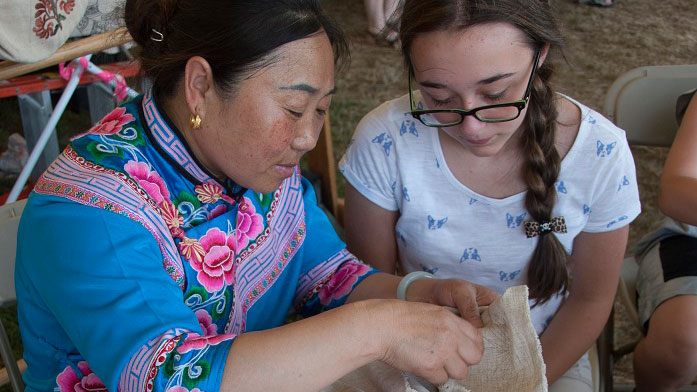
It used to all depend on individual effort to promote Qiang embroidery, which was very difficult, but after the earthquake the government funded “help centers” for us to help teach women to embroider in order to make a living.

Amid the bustling crowds, impromptu Maasai dances, and rhythmic benga tunes that filled the Kenya: Mambo Poa site on the National Mall during the 2014 Smithsonian Folklife Festival
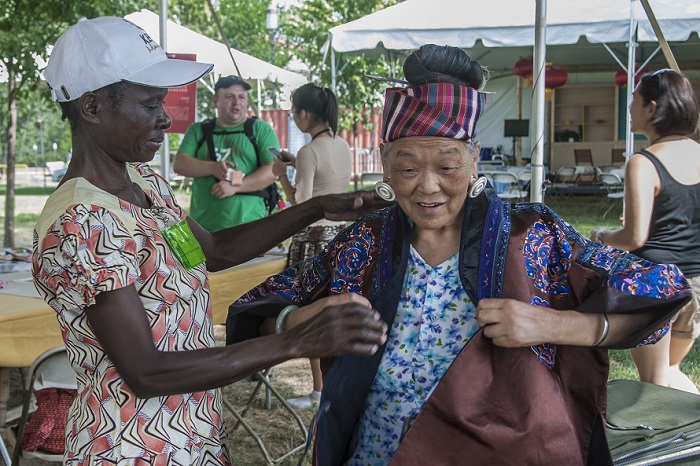
Before beginning my internship with the Smithsonian Center for Folklife and Cultural Heritage, I could not have imagined what a chaotic, enlightening, exhausting and truly wonderful event the Folklife Festival would turn out to be.
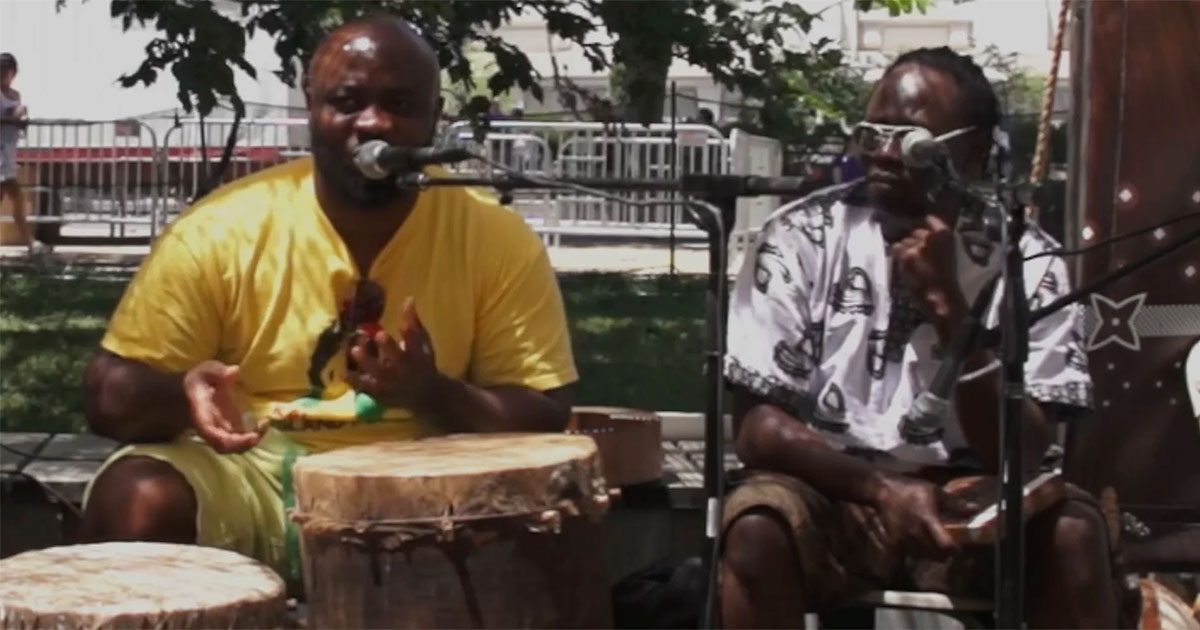
In a 2014 Smithsonian Folklife Festival workshop, Kenyan musicians Makadem, Justo and Joseck Asikoye, and Singing Wells project advisor Bill Odidi discussed music as a controversial form of socio-political expression and communication.
The ingredients for this recipe come from 2014 Festival participant Fatma Ali Busaidy, whose traditional Swahili cooking from the east coast of Kenya frequently uses coconut milk, cardamom, and rice.

The mysterious art of bian lian or face-changing originated in Sichuan Opera, and has long been a closely guarded secret of Chinese performers.

Even with a million things to do to ensure that the Folklife Festival goes off without a hitch, the staff of the Center for Folklife and Cultural Heritage still find opportunities to experience exciting things on the National Mall.

During the 2014 Folklife Festival, international tai chi champion Chai Yunlong of the Beijing Sports University performed martial arts demonstrations and led daily sessions for visitors to learn the basics of the Chen style of tai chi.
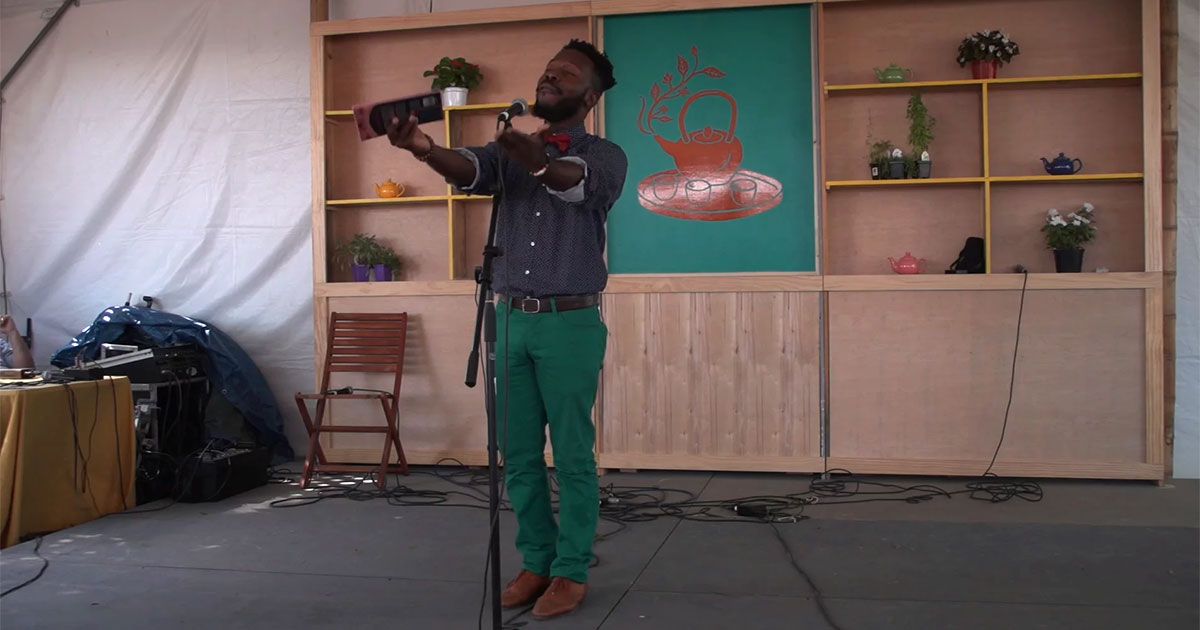
Through sublime rhymes, poet Pages Matam paid tribute to his Cameroonian mother on Diaspora Day at the 2014 Smithsonian Folklife Festival.
Support the Folklife Festival, Smithsonian Folkways Recordings, Cultural Vitality Program, educational outreach, and more.