
more
2016 Festival
Posts tagged with 2016 Festival
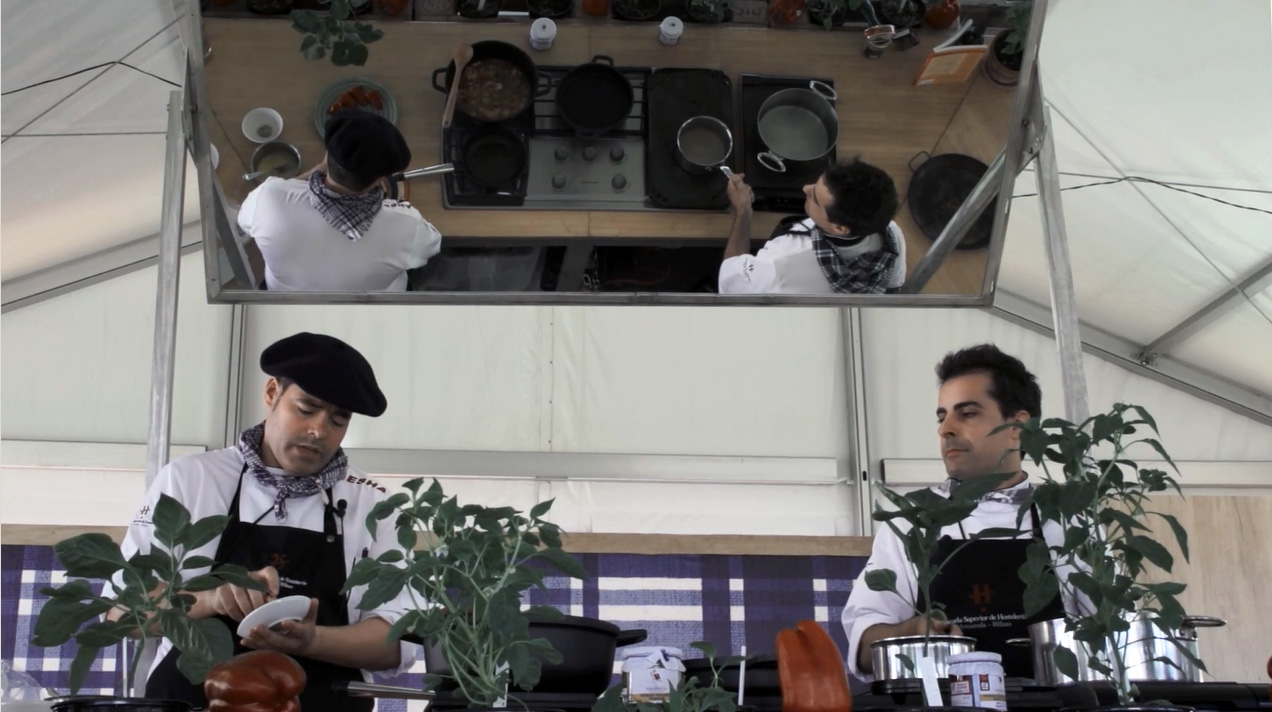
Traditional food tells a sensory history of Basque country that is unique and integral to the culture. Family recipes are persevered and passed down through the generations.
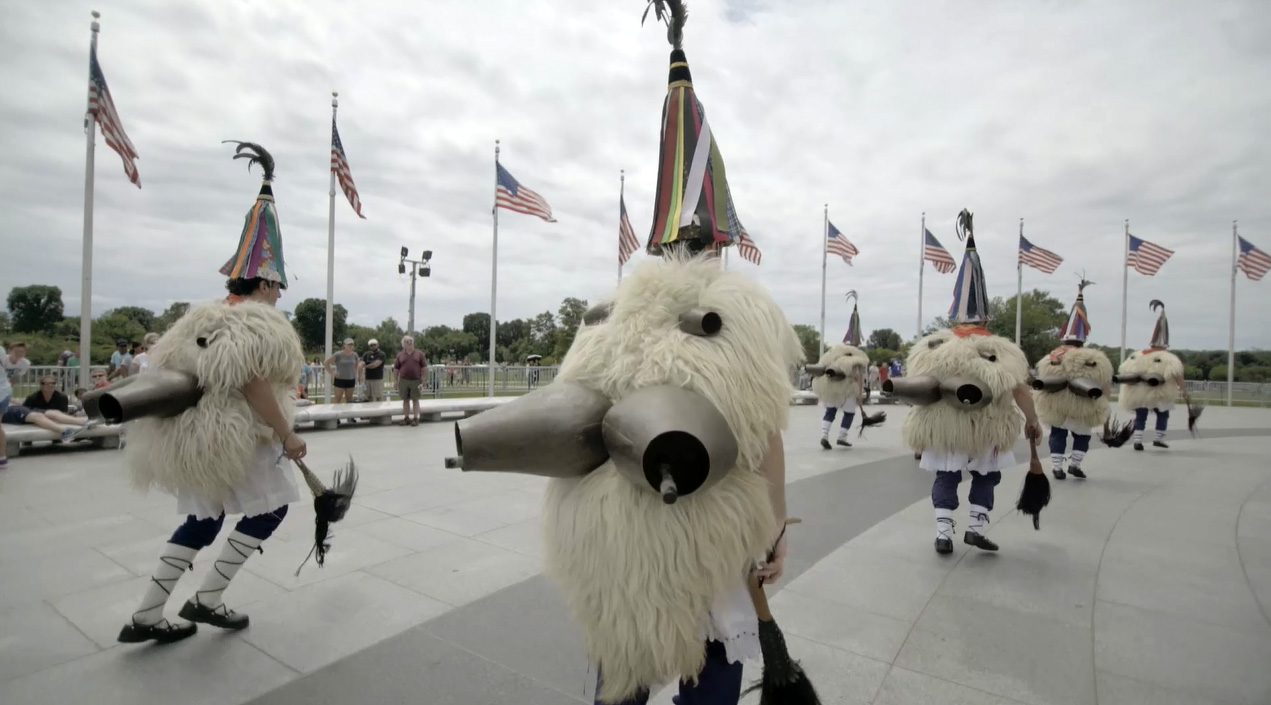
Throughout the first week of the 2016 Folklife Festival, the rhythmic clang of bells frequently echoed down the National Mall as the Joaldunak marched along paths, between tents, and, on one occasion, around the Washington Monument.
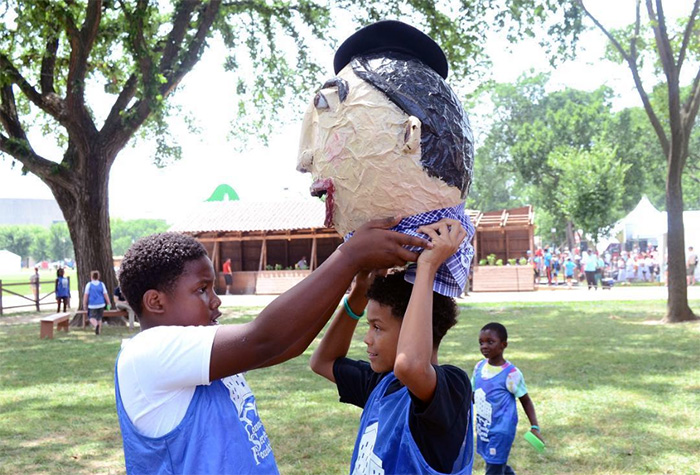
The Fiesta de San Fermin is one of the biggest festivals in Basque country. The weeklong celebration in Pamplona (also called Iruña, Nafarroa) honors the martyr San Fermin, who was beheaded while preaching in France in 303 AD.
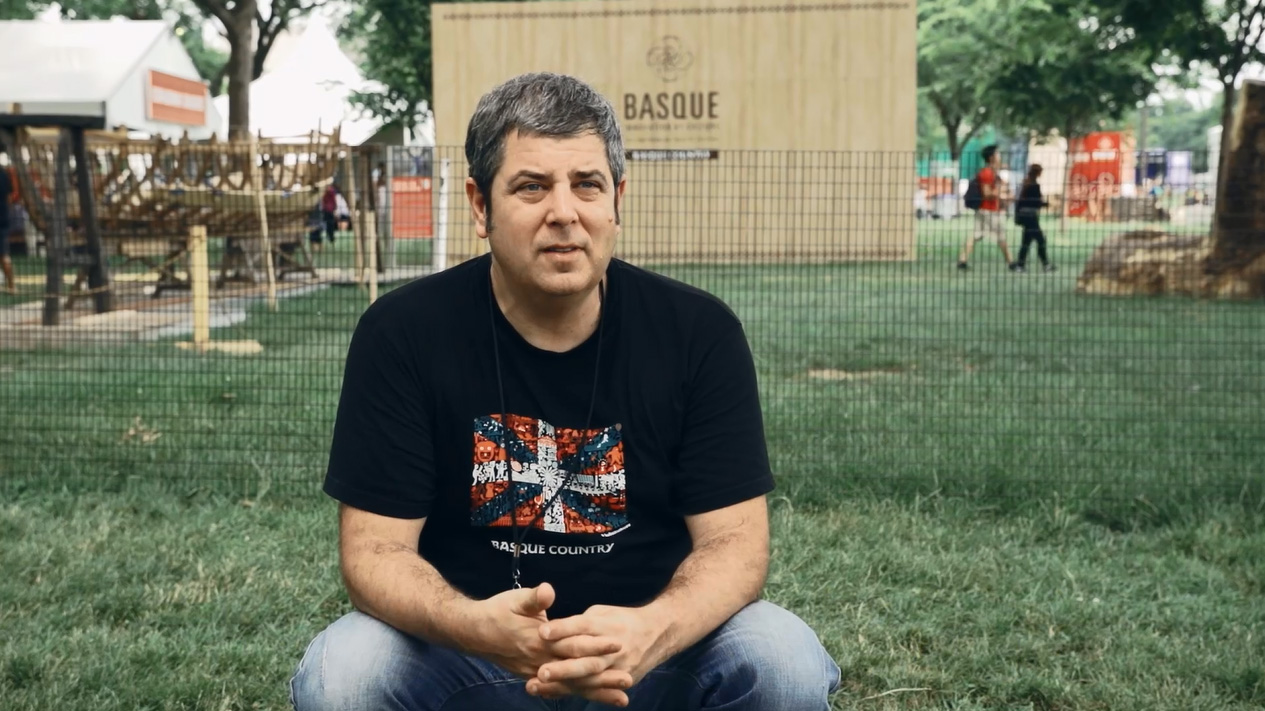
Kepa Junkera kicked off the 2016 Folklife Festival evening concert series with a riveting performance alongside the all-women group Sorginak, showcasing his nimble accordion skills and musical genius that earned him a Latin GRAMMY in 2004.

I was in high school when the HBO premiered the series Brave New Voices (2009). I remember being in awe of the force behind the voices of teenagers collectively sharing their stories through spoken word, across the cities spotlighted on the show.
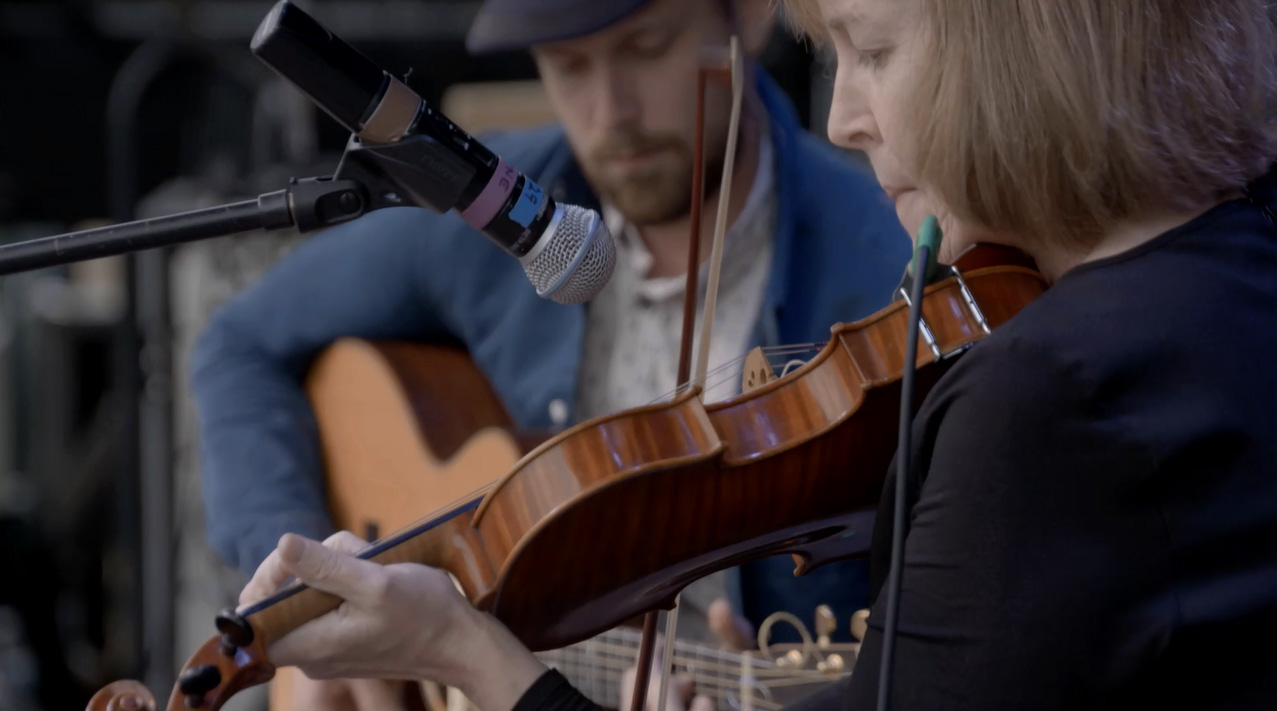
Irish American fiddler Liz Carroll from Chicago, Illinois, is renowned as both a virtuosic musician and a gifted composer.
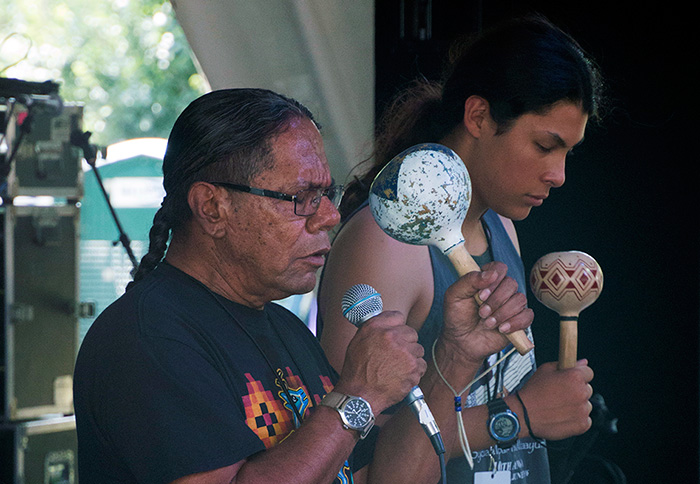
Many ancient cultures tell tales of why the sun shines during the day and the moon at night. In some stories the sun and the moon are siblings, in others they are lovers.
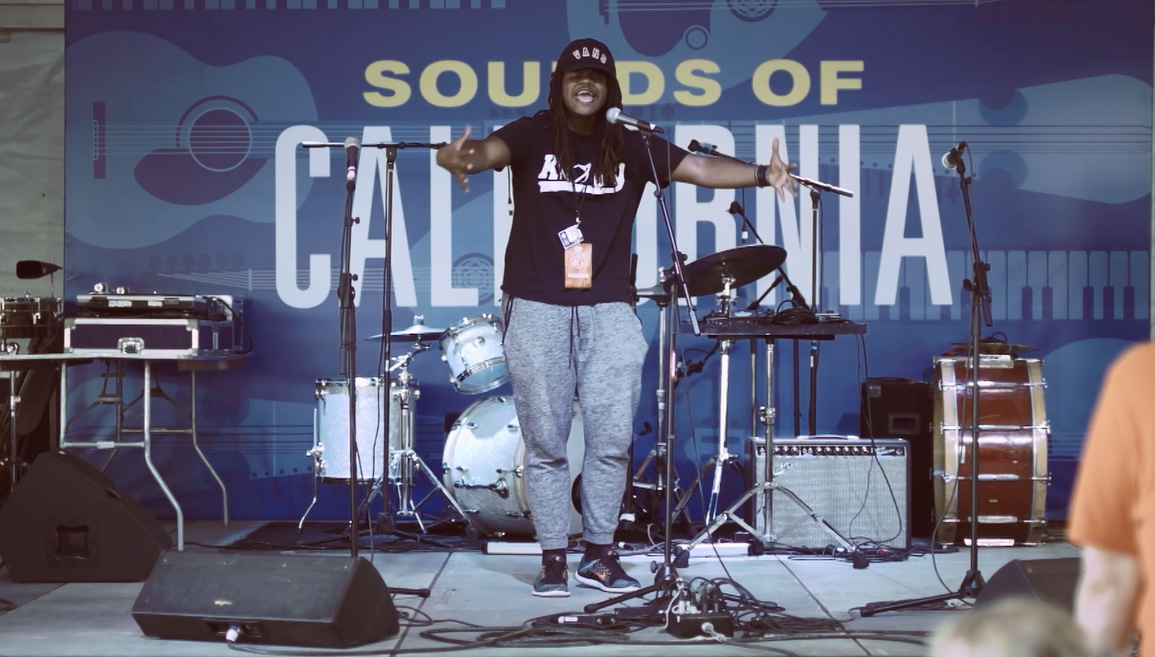
Rhythm is not inherently musical, as Benjamin Earl Turner demonstrates in “Diatribe of a Shepard’s Son.” The ebb and flow of Ben’s poetry guides the audience along the journey of his verse, and challenges the perception of the norm.
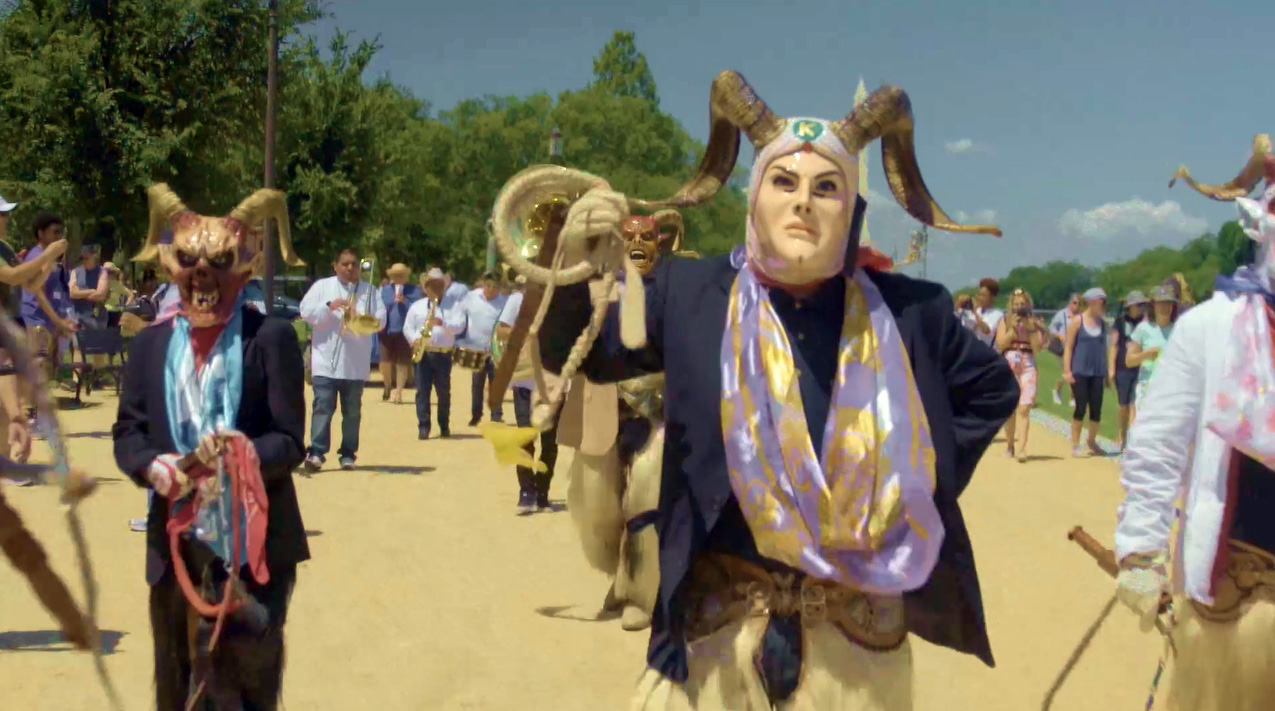
Throughout the Folklife Festival, the sounds of upbeat banda music and the cracks of whips wafted through the air.
In May, the Smithsonian Asian Pacific American Center presented a two-day event, CrossLines: A Culture Lab on Intersectionality, in the Arts and Industries Building.
Support the Folklife Festival, Smithsonian Folkways Recordings, Cultural Vitality Program, educational outreach, and more.