
more
Video
Posts tagged with Video
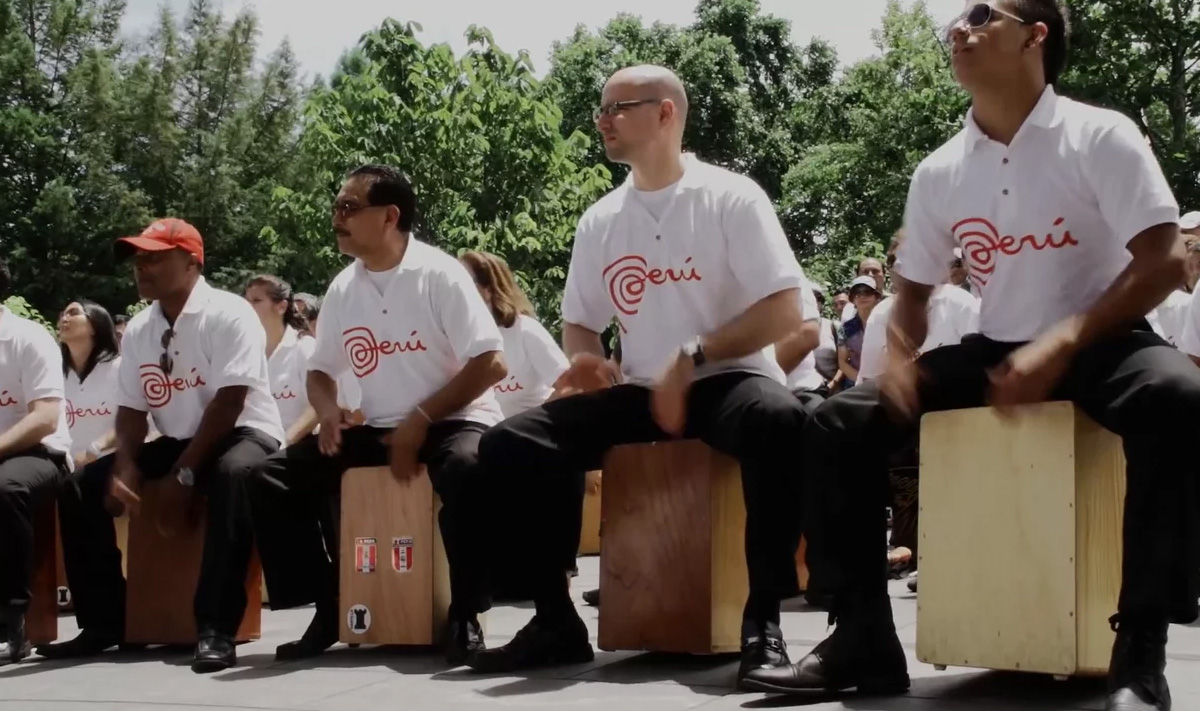
After the Opening Ceremony of the 2015 Folklife Festival, 100 Cajoneros—an ensemble of Peruvians living in the United States—welcomed the Perú: Pachamama program to the National Mall.
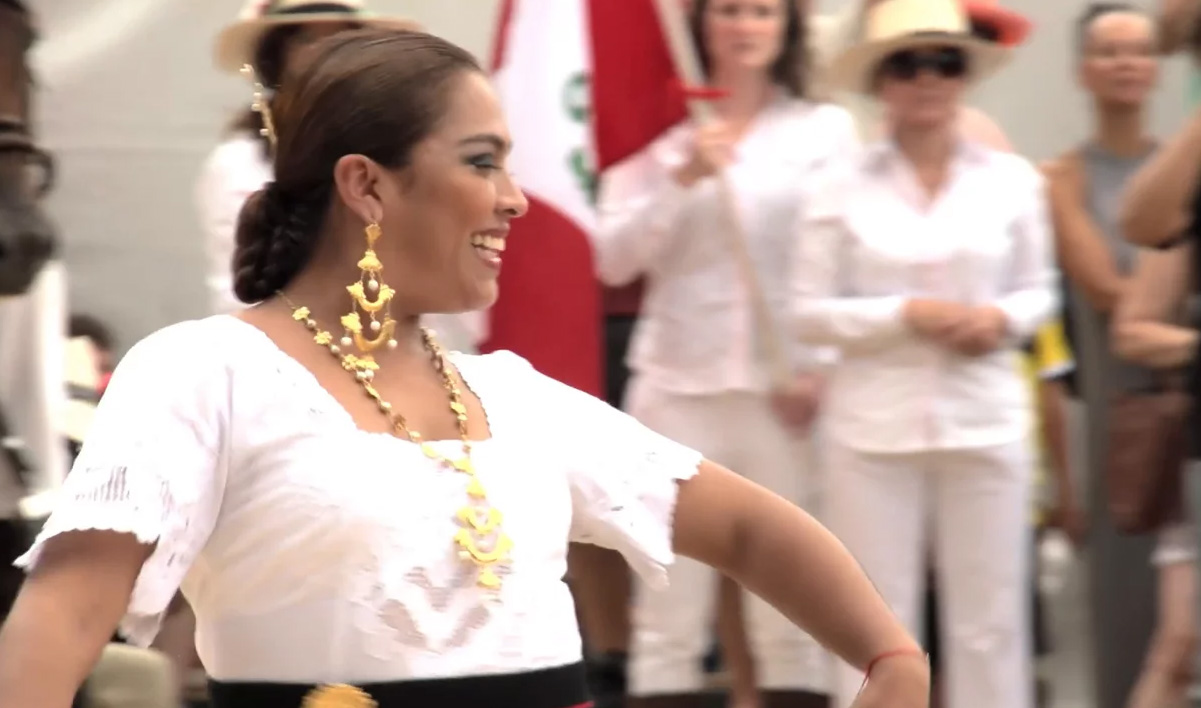
One of the origin theories behind Marinera dance is the story of a soldier who, when riding through a village in coastal Peru, noticed a beautiful young woman.
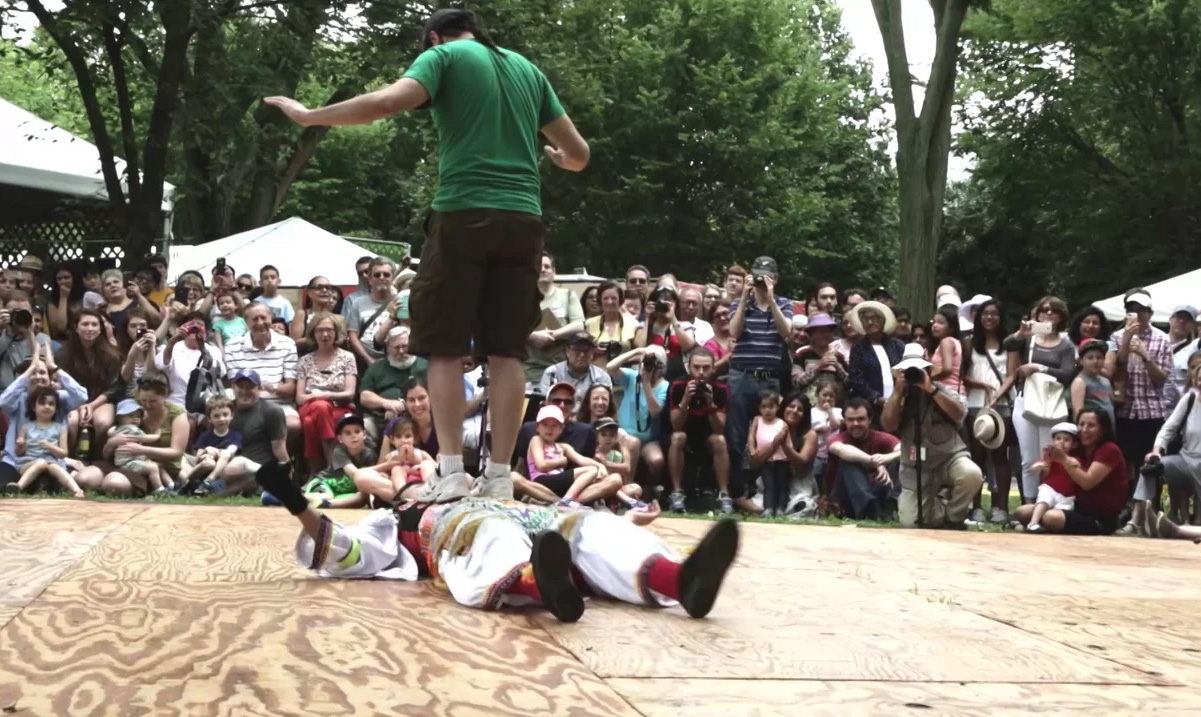
During the first Festival Community Day at the 2015 Festival, Peruvian dancer Steve Cotaquispe, who was born in Ayacucho, came from New York to present the danza de las tijeras—the scissors dance.
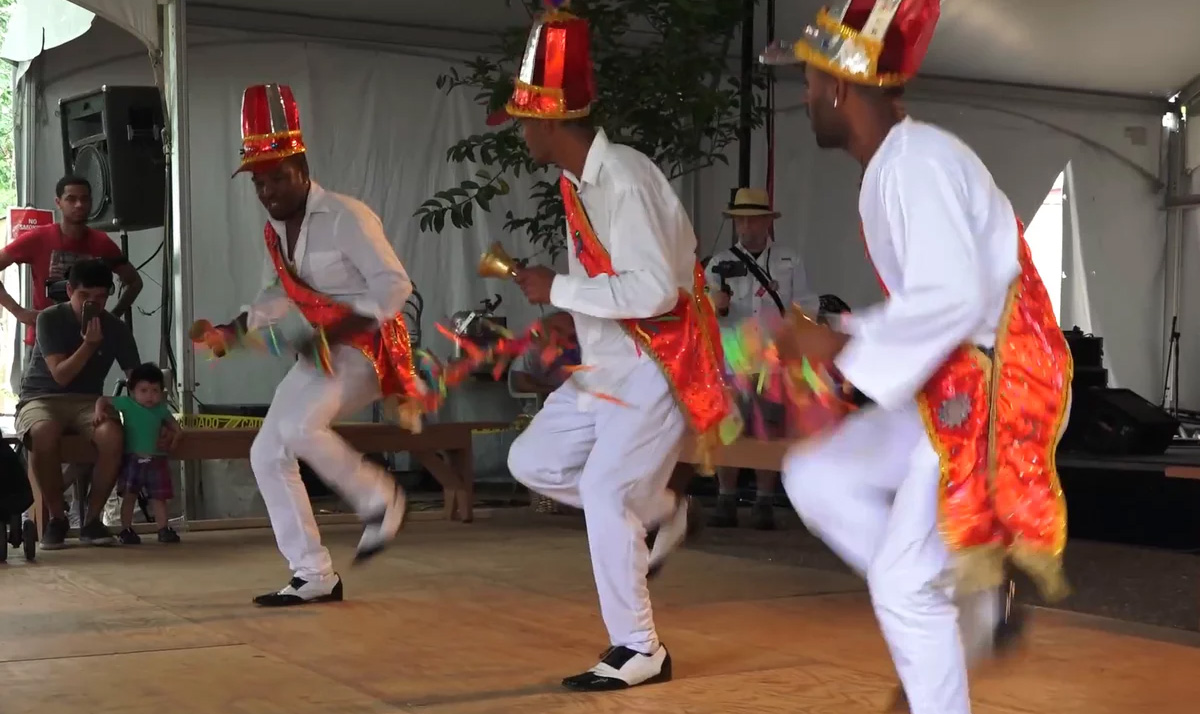
The members of Afro-Peruvian dance group Tutuma use their feet as percussion instruments with tap-like zapateo steps that have evolved from the historical dance traditions of enslaved Africans in Peru.
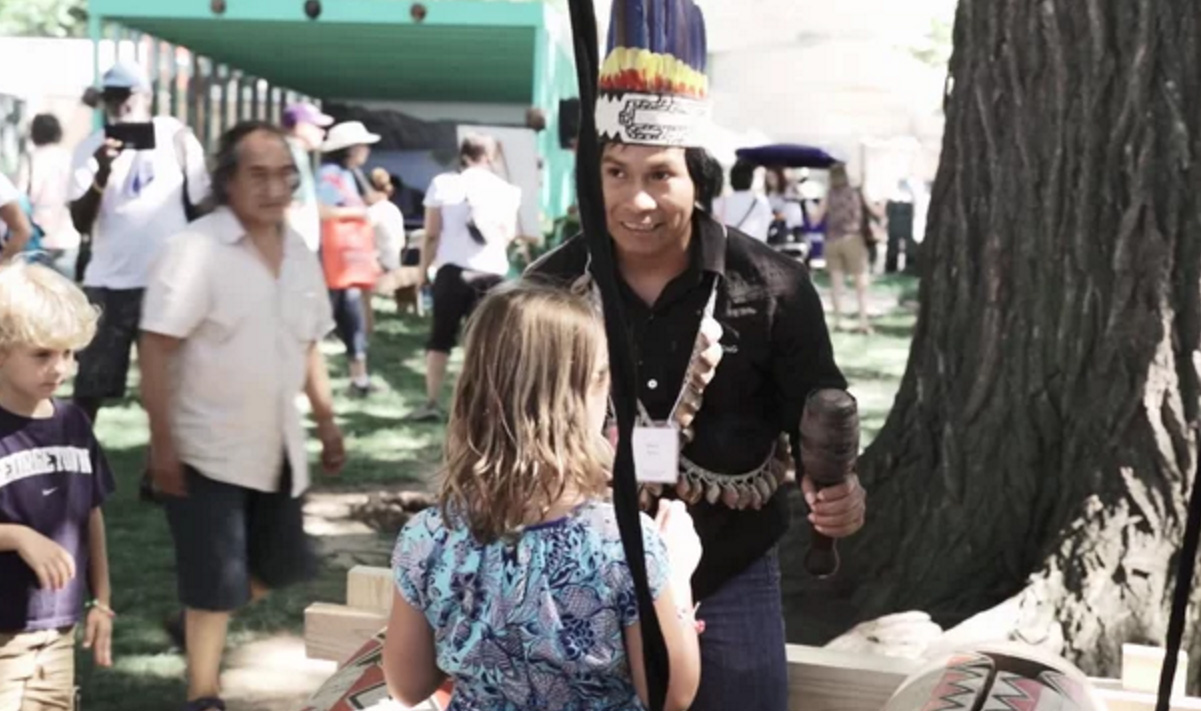
Amazonian painter Brus Rubio creates abstract scenes of Huitoto-Bora myths, local stories, and songs in addition to singing and playing the manguaré, a pair of drums made from tree trunks.

The event featured a few of the visiting performance groups representing the Perú: Pachamama program, plus speakers from the Smithsonian, the National Park Service, American and Peruvian embassies, and more.
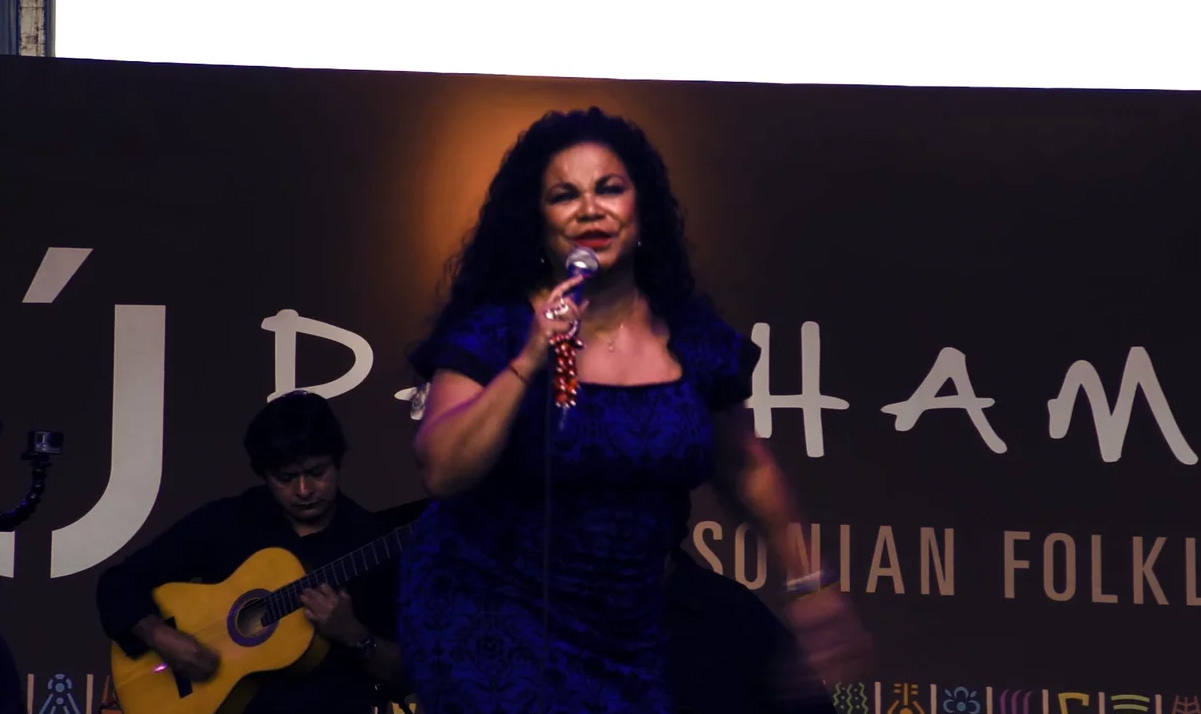
Eva Ayllón began singing and dancing as a young girl in Lima, carrying on traditions of Afro-Peruvian music: the combination of Andean, Spanish, and African influences, characterized by spirited rhythms.
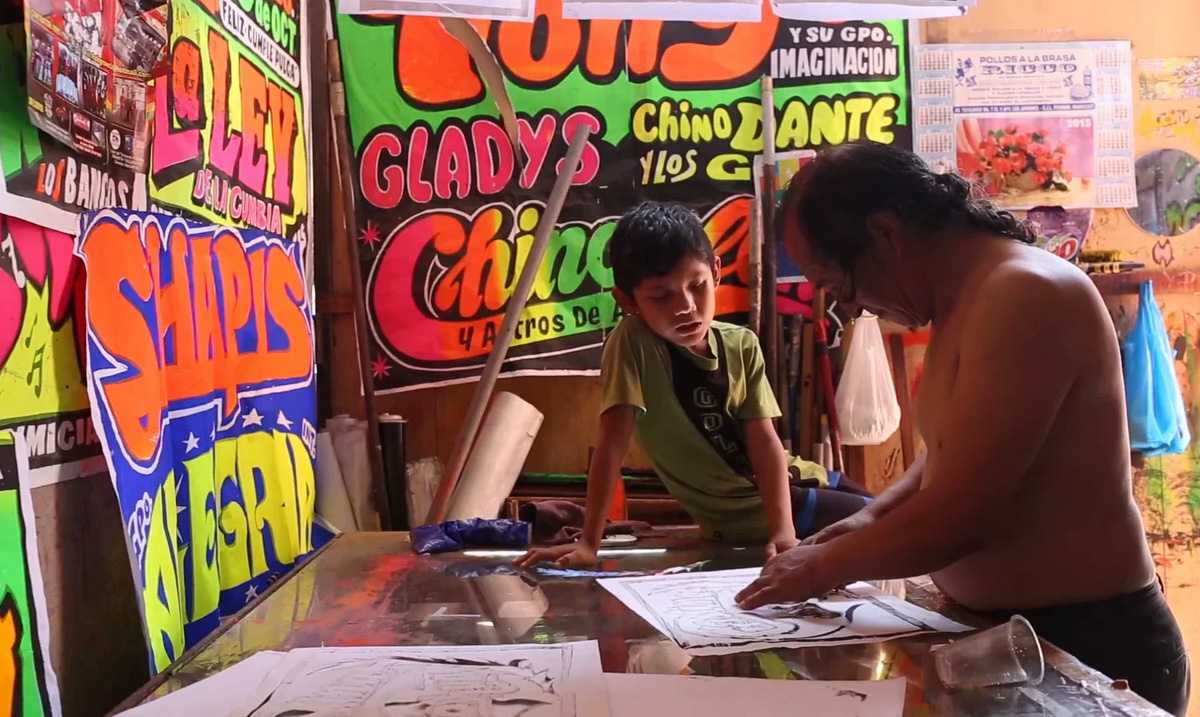
Silkscreen artist Pedro “MONKY” Rojas uses the same bold colors worn by mountain Quechua people to create advertisements for chicha musicians.
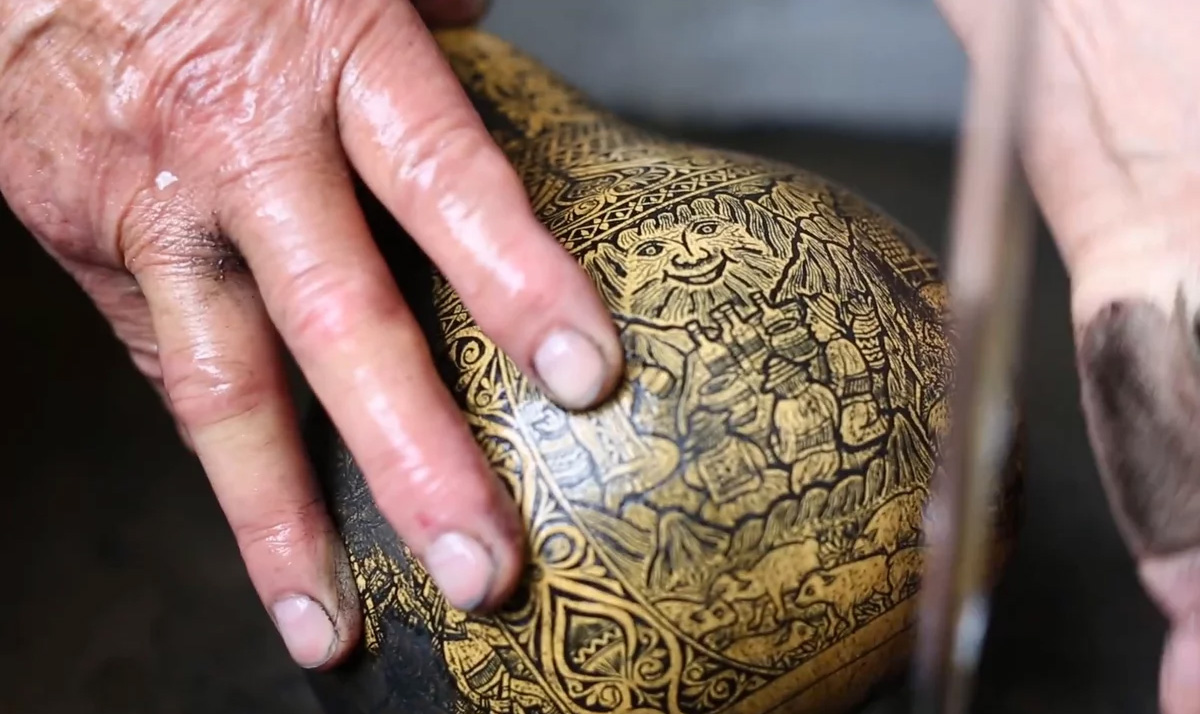
Eulogio Medina Sanabria has dedicated his life to the Peruvian art of mate burilado (gourd carving). While many carvers are drifting away from tradition, Sanabria continues to focus on detailed techniques
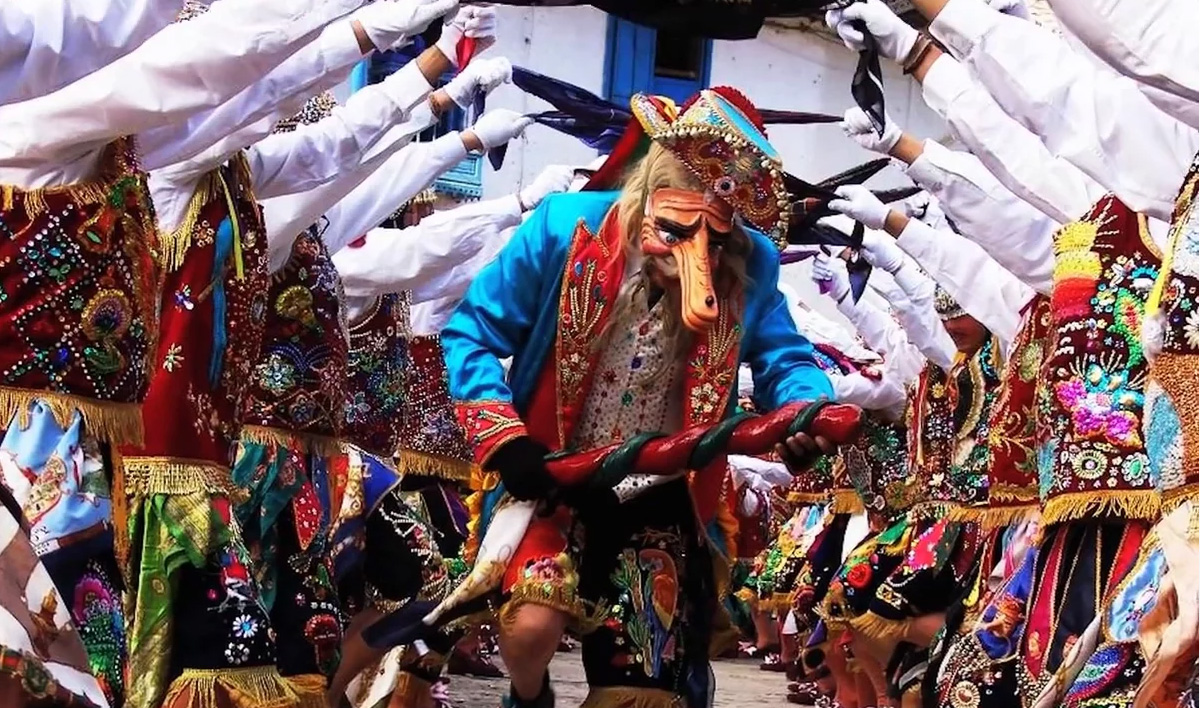
Meet the people and places featured in the Perú: Pachamama program in this introductory video for the 2015 Folklife Festival.
Support the Folklife Festival, Smithsonian Folkways Recordings, Cultural Vitality Program, educational outreach, and more.