
more
Video
Posts tagged with Video
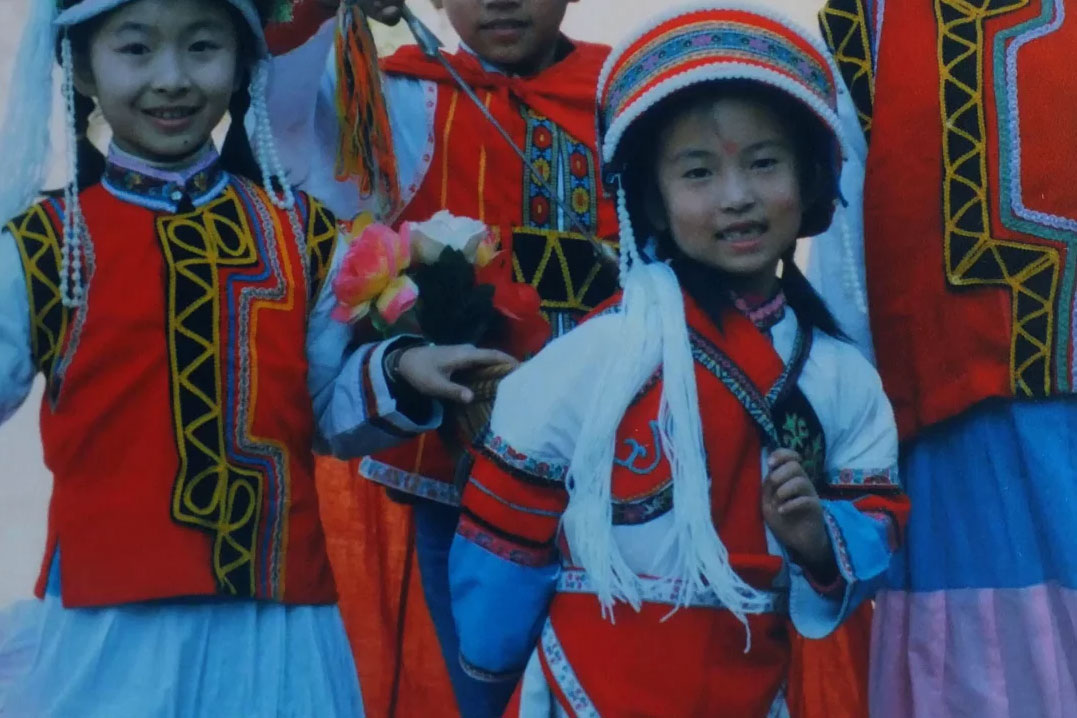
Shiyu Wang began interning at the Center for Folklife and Cultural Heritage last summer. Originally from Yunnan Province, China, she moved to the United States to earn an MFA in film media from American University.
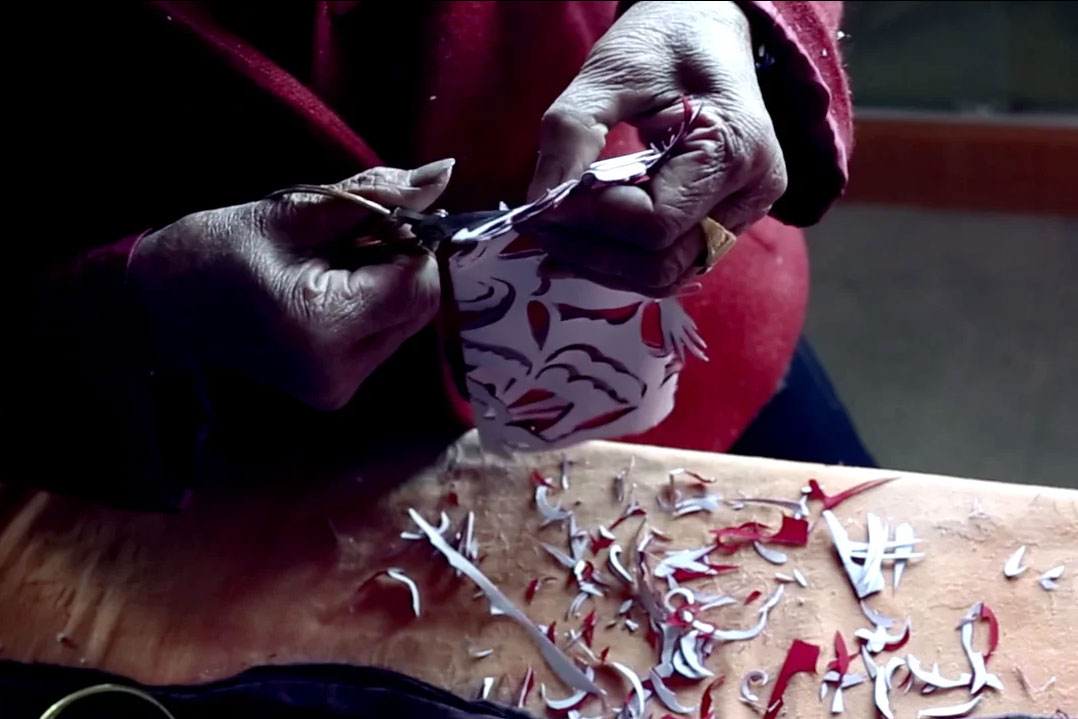
Gao Fenglian, deeply affected by her family traditions, has loved paper cutting since she was a little girl. She feels most comfortable with scissors and paper in hand.
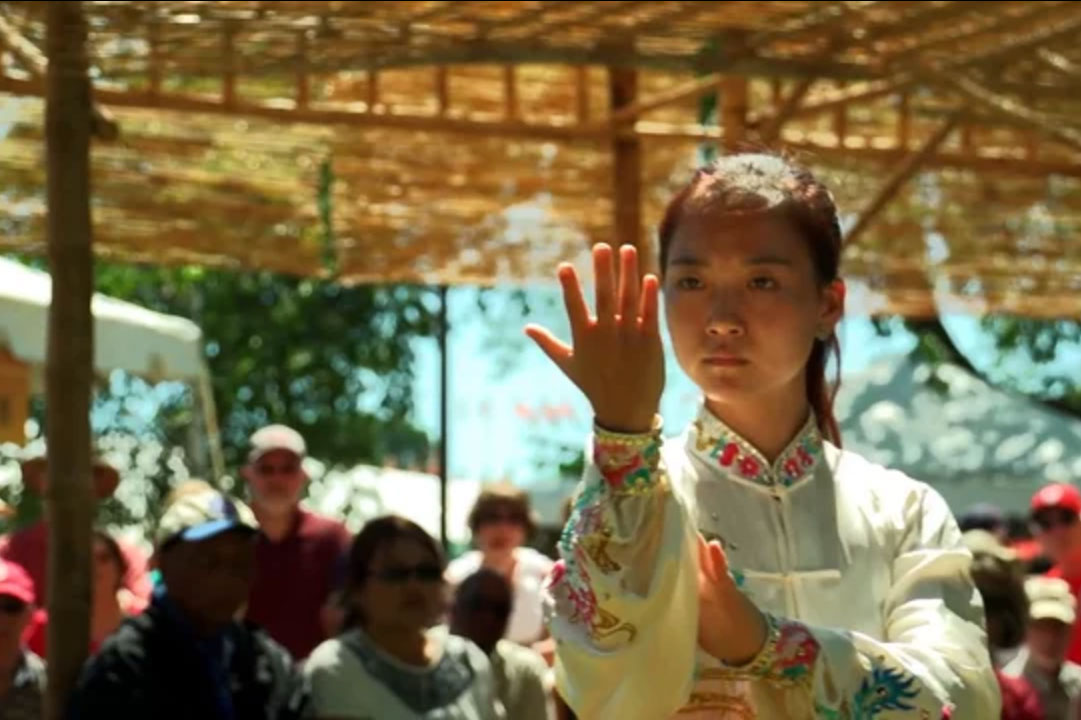
When I ask my American friends what impressions they have of China, the most common answers I get are Bruce Lee, Jackie Chan, and kung fu.
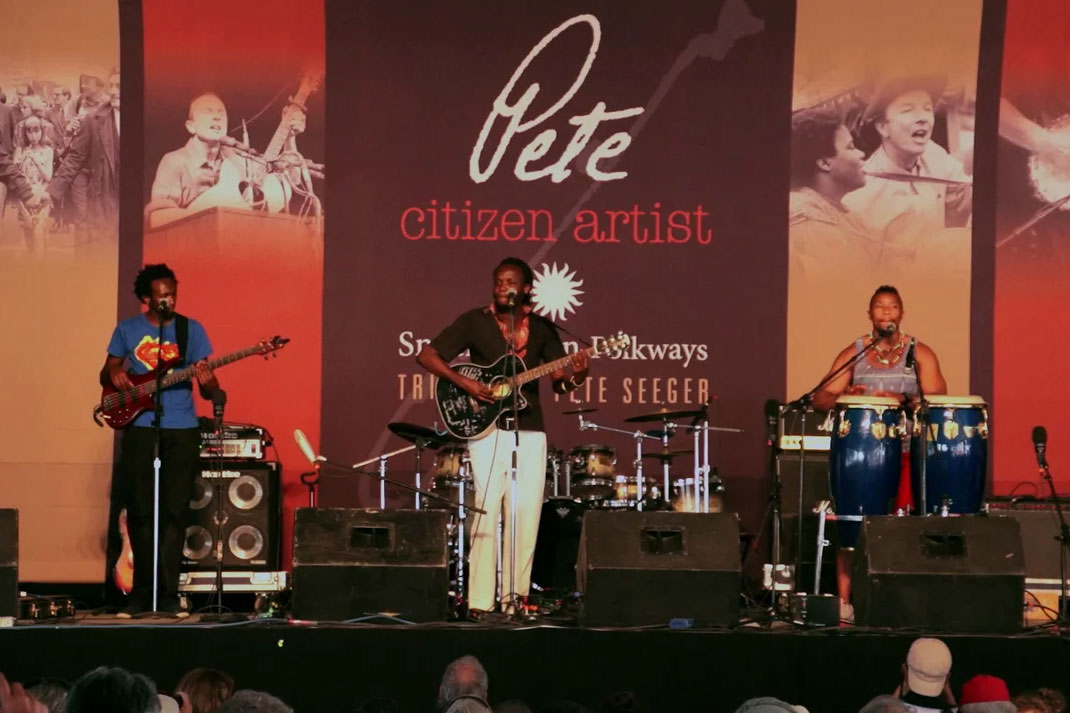
Winyo performed throughout the 2014 Folklife Festival, representing the Kenyan benga music scene. At the Ralph Rinzler Memorial Concert: Tribute to Pete Seeger, he played his song “Everything Is Okay.”
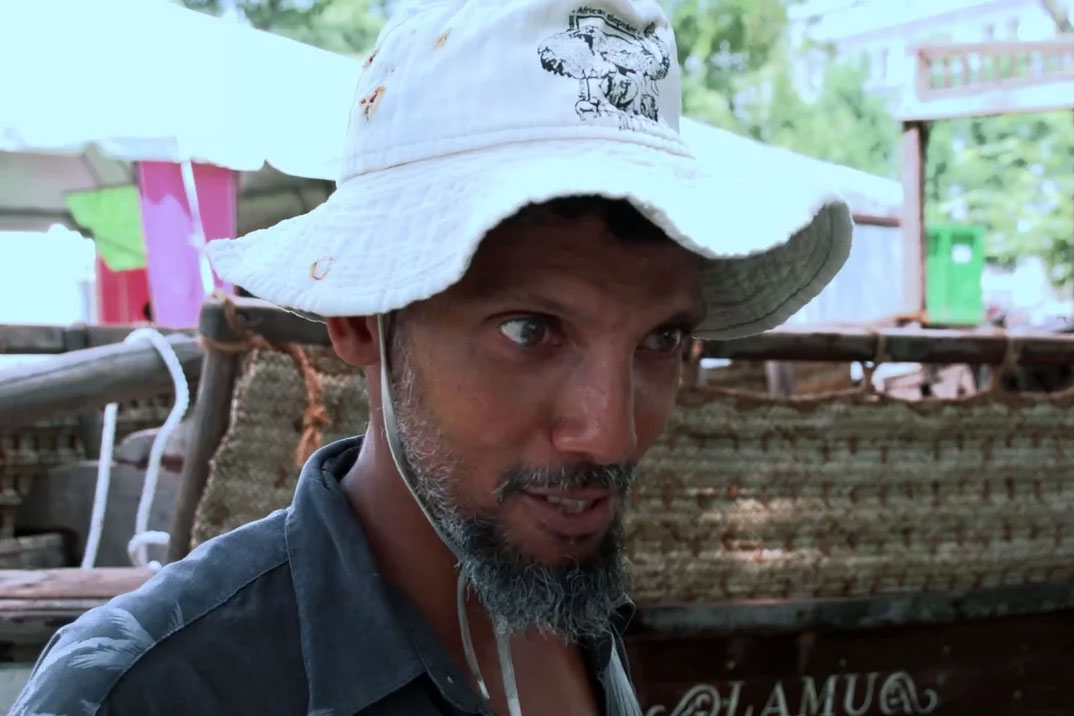
Ali Abdalla Skanda comes from a family of carpenters and dhow builders in Lamu, Kenya. For the 2014 Folklife Festival, he donated one of his dhows and restored it on the National Mall.

In 1965, at age 21, Kenyan artist Elkana Ong’esa sold one of his earliest sculptures to an American student doing research in Kisii. Almost fifty years later, the two met by chance at the Folklife Festival.
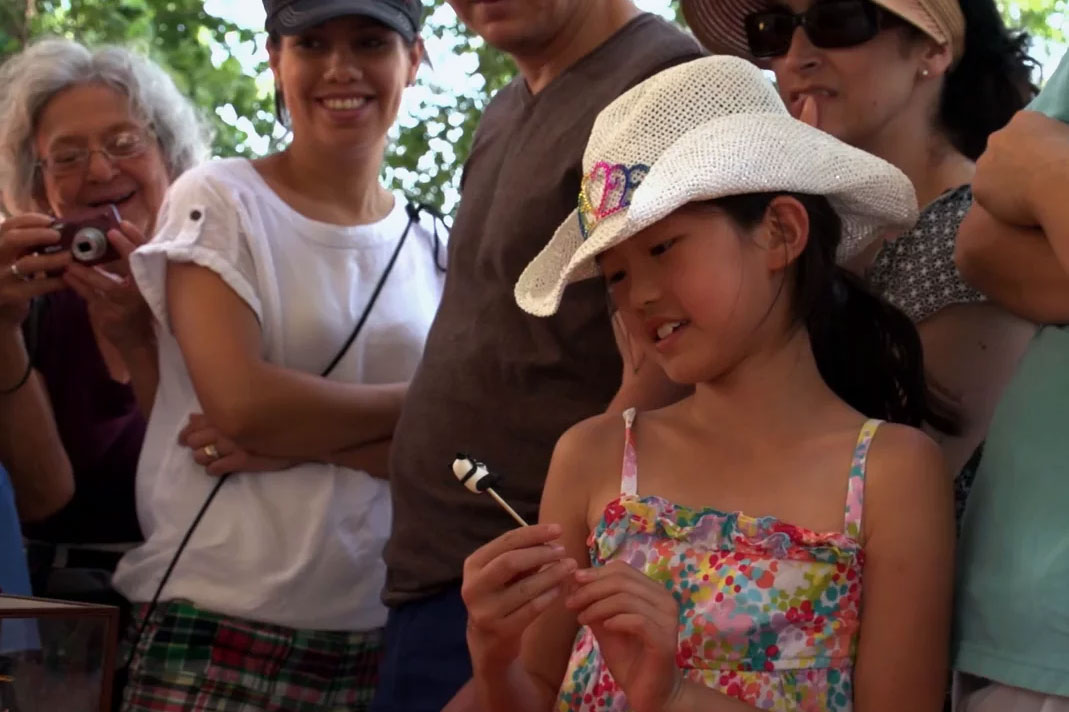
The Chinese art of dough modeling dates back more than two thousand years. At the 2014 Smithsonian Folklife Festival, artist Zhang Baolin explains the history and his own introduction to the intricate sculptures as a young boy.
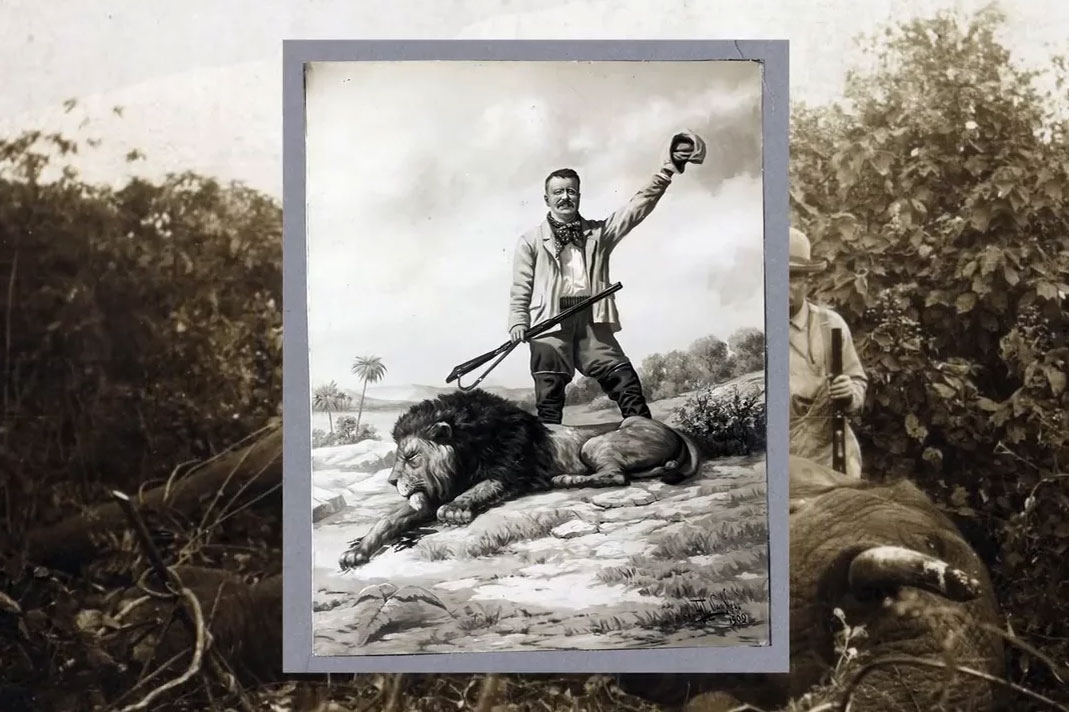
In 1909, President Theodore Roosevelt’s African expedition collected thousands of plant and animal specimens, along with important cultural artifacts.
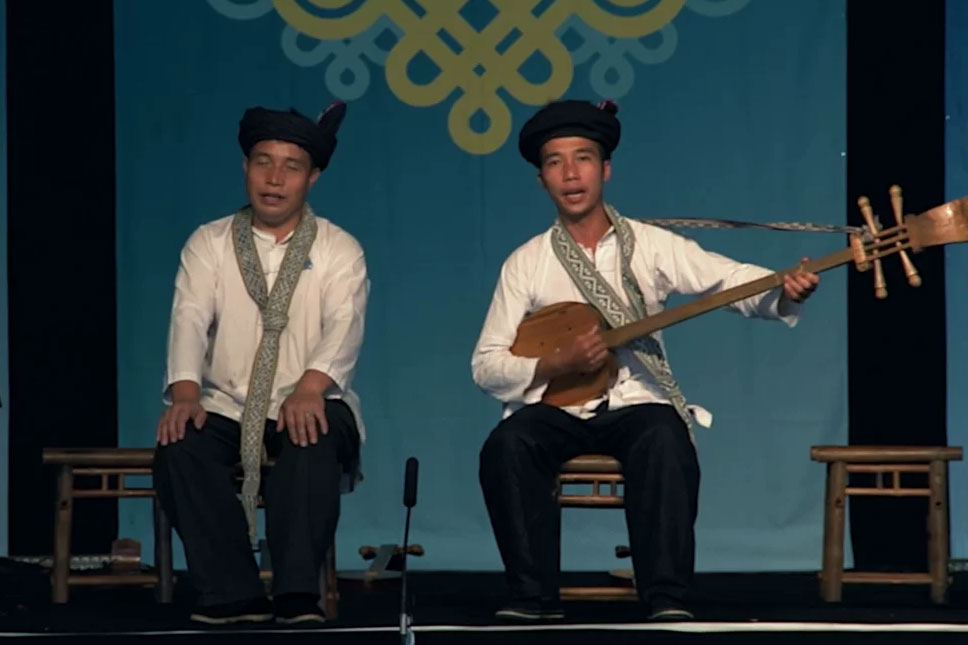
At the 2014 Smithsonian Folklife Festival, musician Qianchun Wu from the Dimen Dong Folk Chorus explains the stringed instruments common in their region of Guizhou Province, China.
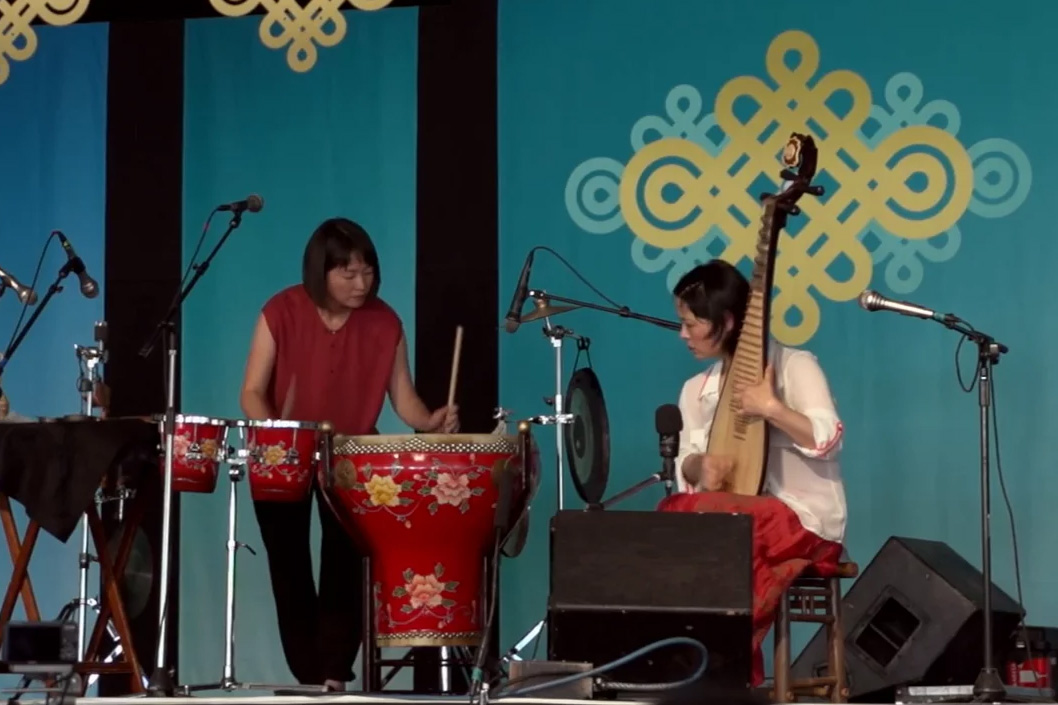
During the 2014 Smithsonian Folklife Festival, Wu Man performed an original composition on the pipa entitled “Night Thoughts,” based on a work by Chinese poet Li Bo.
Support the Folklife Festival, Smithsonian Folkways Recordings, Cultural Vitality Program, educational outreach, and more.