
more
Video
Posts tagged with Video
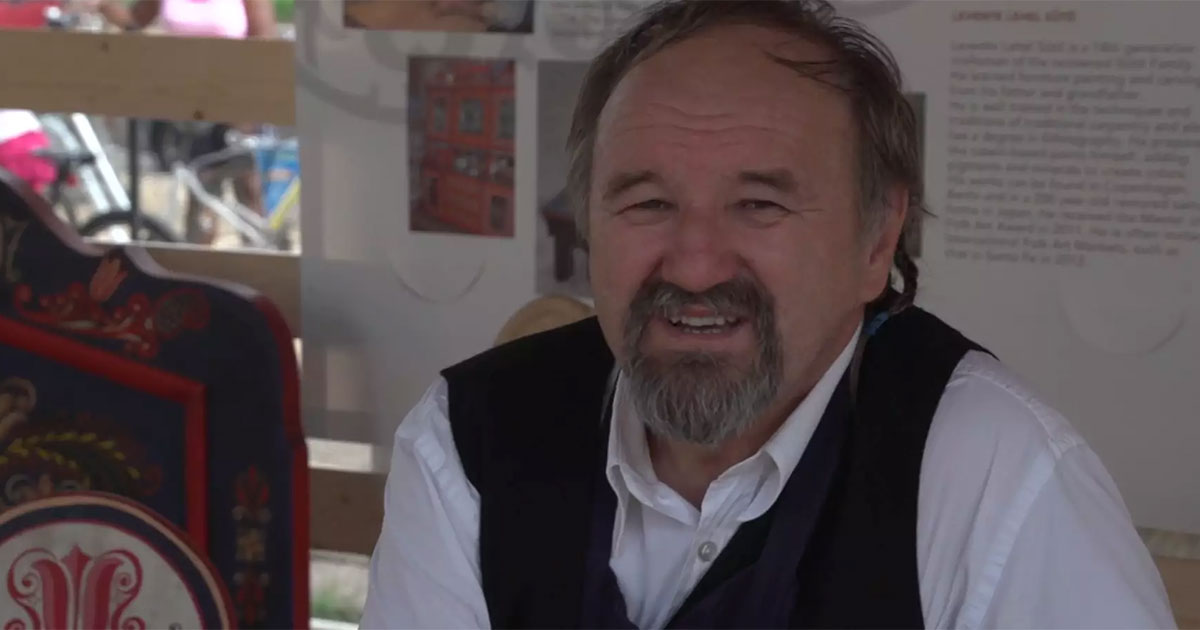
Artisan Levente Lehel Sütő’s family has been making traditional furniture since the end of the 16th century. At the 2013 Smithsonian Folklife Festival, Sütő shed light on his craft tradition and its significance for Hungarian cultural identity.
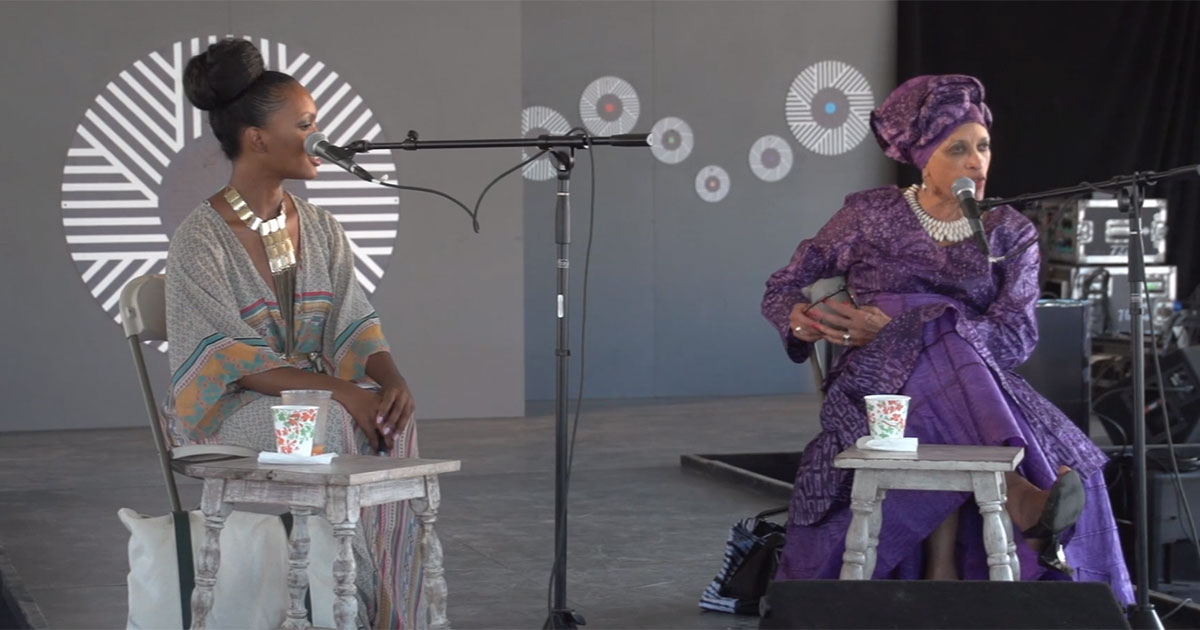
The Will To Adorn program at the 2013 Smithsonian Folklife Festival explored the identity and culture of African Americans through the lens of dress.
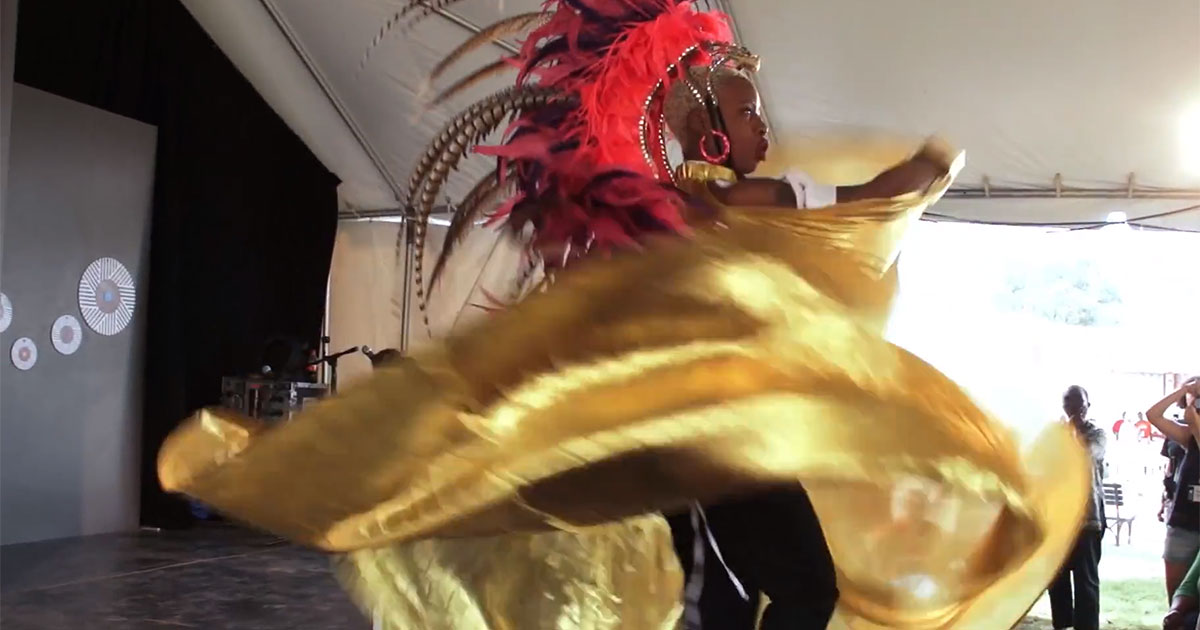
Earle Bannister, a Baltimore tailor, talks to presenter Althea Grey-McKenzie about the history of voguing, a dance style that originated in the African American and Latino American LGBT ballroom communities of the 1980s.
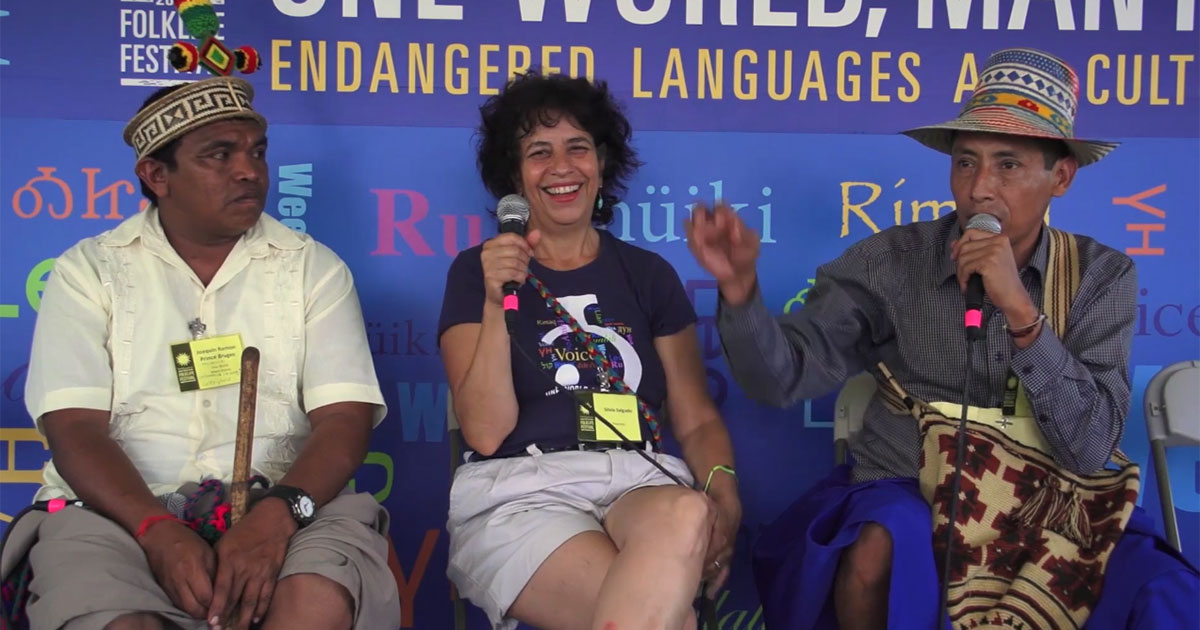
What’s in a greeting? Instead of wishing their neighbors good morning, the Wayuu people of Colombia and Venezuela ask each other about the preceding night’s dreams.
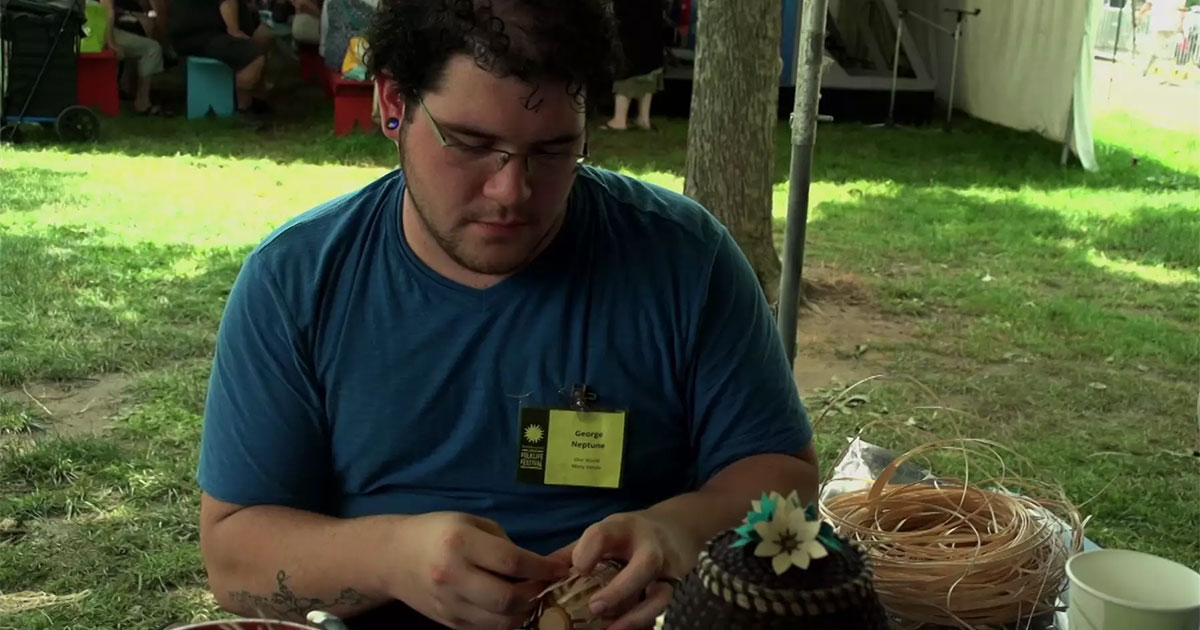
Passamaquoddy is a unique language spoken by the Wabanaki Indians of northern Maine, with only a few hundred native speakers left.
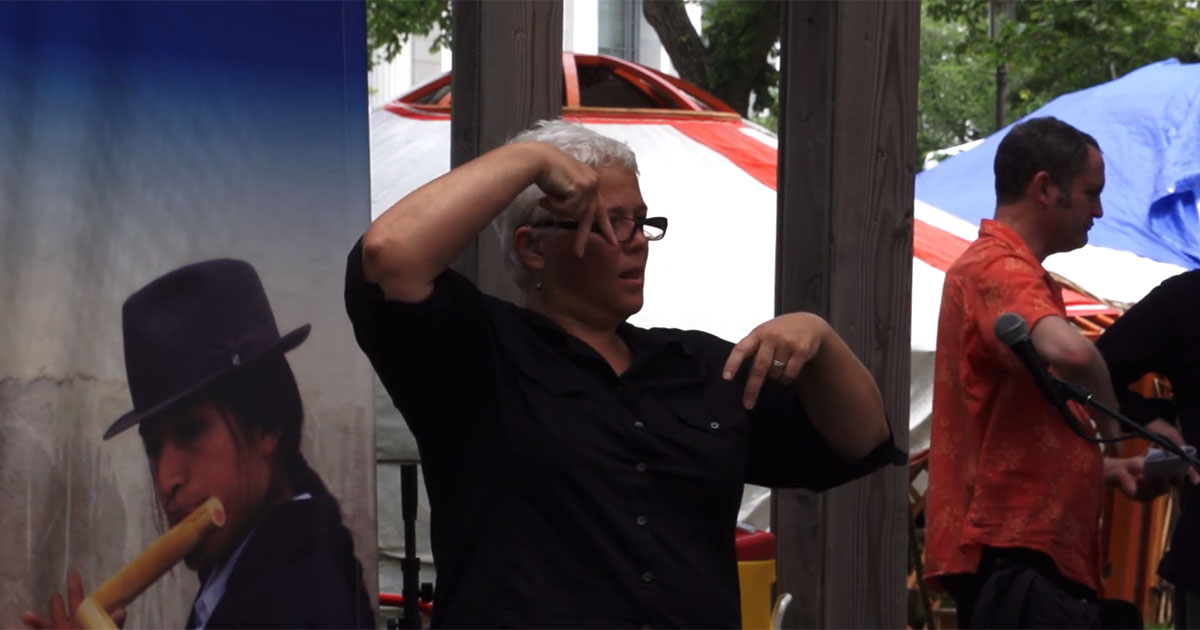
Glenna Cooper, a graduate student at Gallaudet University, recounts how her father supported her during an early experience of discrimination.
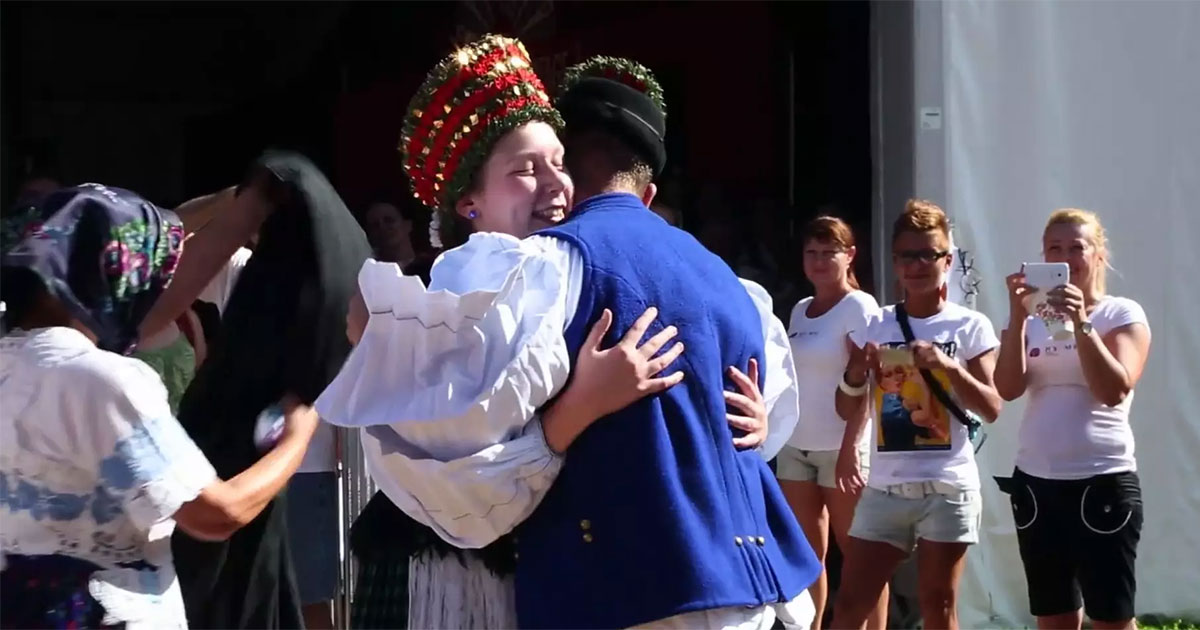
One day during the 2013 Smithsonian Folklife Festival, a group of participants in the Hungarian Heritage program staged a wedding procession wearing costumes typical of the Szék region of Transylvania, Romania.
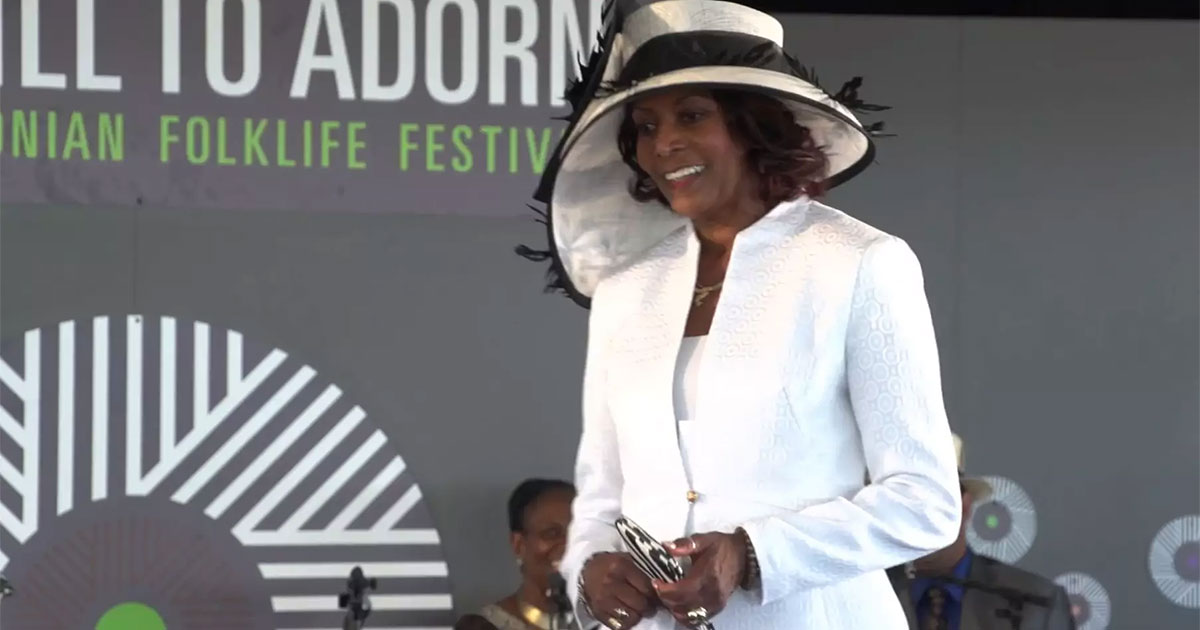
Milliner Anthony Gaskins discussed the history of hats in the African American community and also displayed some of his work in a fashion show at the 2013 Smithsonian Folklife Festival.
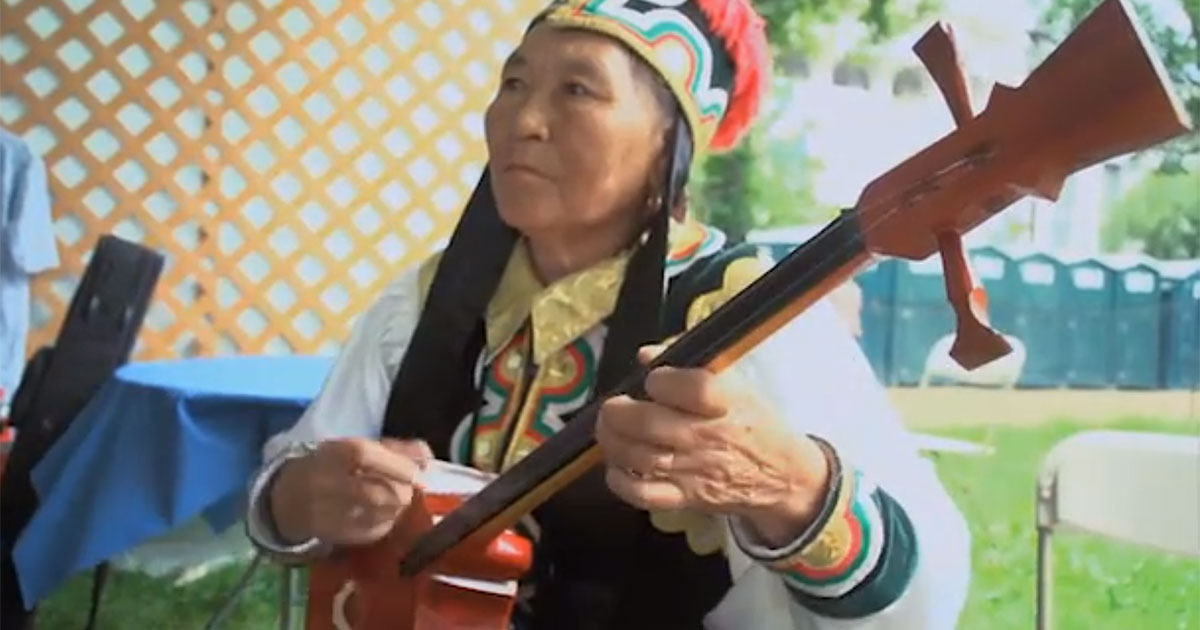
A process of cultural renewal and linguistic revival is taking place in Kalmykia, Russia, home to the westernmost group of Mongolic peoples.
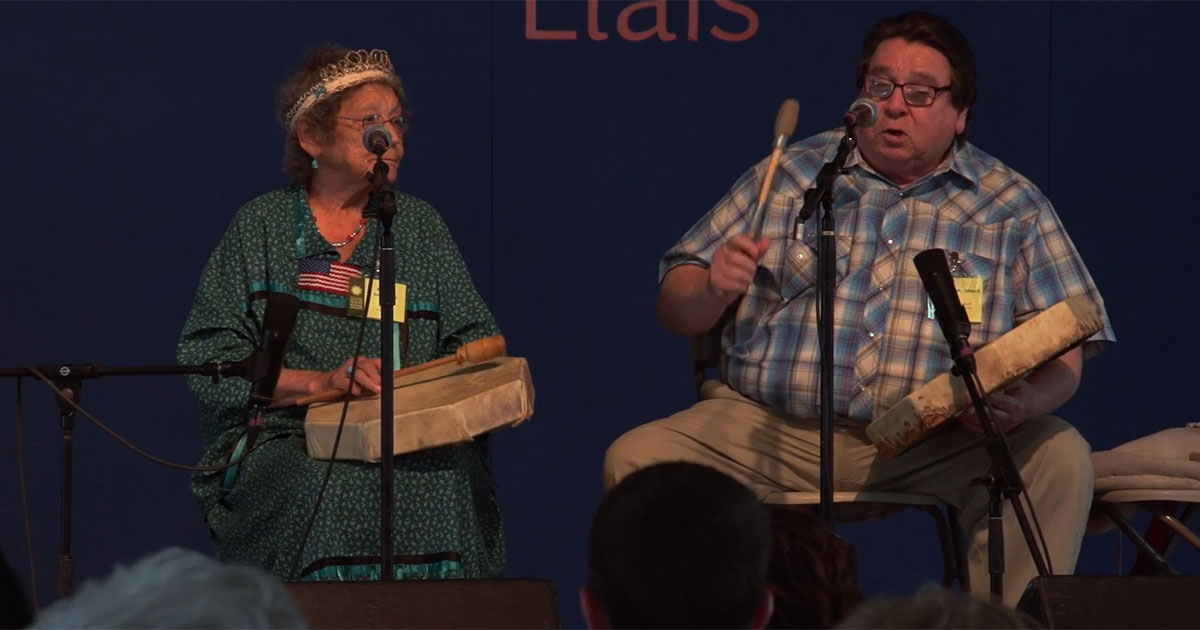
The Passamaquoddy Wabanaki Indians of northern Maine have gone to great lengths to restore and revitalize the cultural knowledge and traditions of their ancestors.
Support the Folklife Festival, Smithsonian Folkways Recordings, Cultural Vitality Program, educational outreach, and more.