
more
Video
Posts tagged with Video
The 2013 Smithsonian Folklife Festival featured Hungarian Heritage: Roots To Revival as one of its three programs.
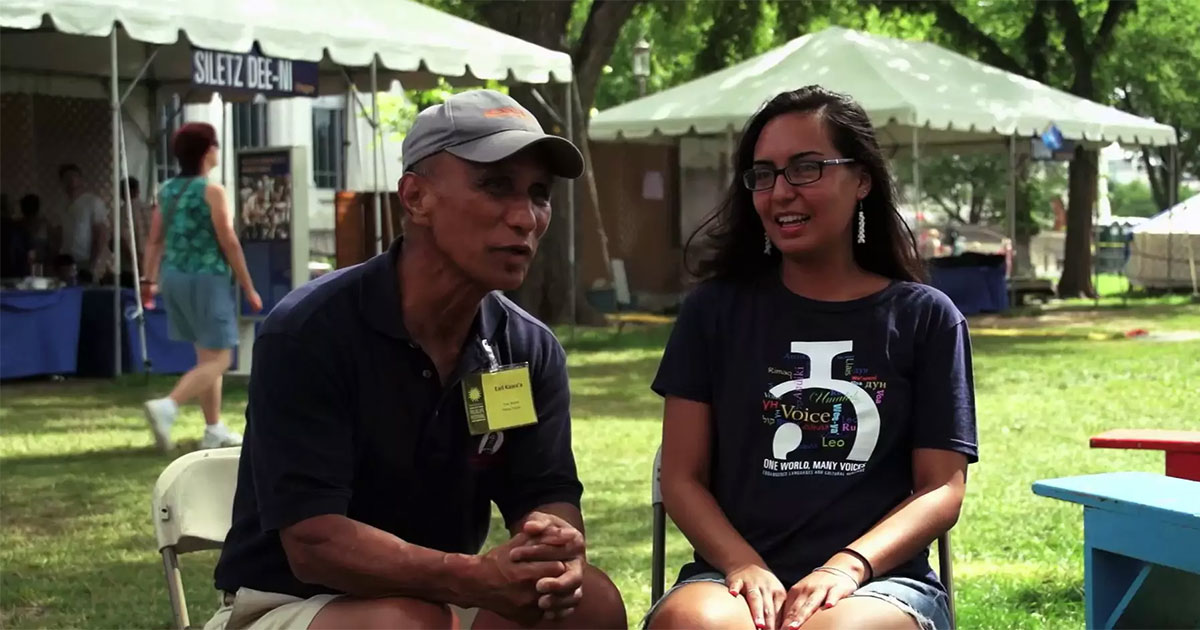
One World, Many Voices presenter Ka‘ai McAfee-Torco and her uncle Earl Kawa‘a, a taro farmer and therapist, explain the central role of the taro plant in the Hawaiian creation story and the importance of storytelling to the preservation of the Ha
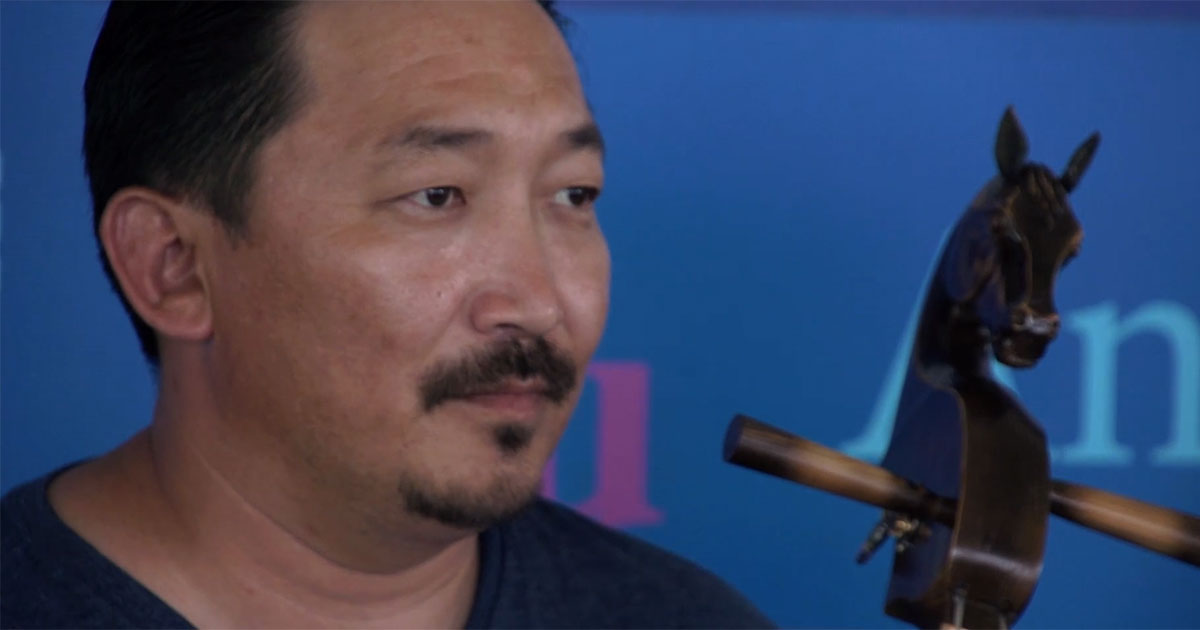
During a “cross-program” presentation at the 2013 Smithsonian Folklife Festival, participants demonstrated the influence of nature on their musical traditions.
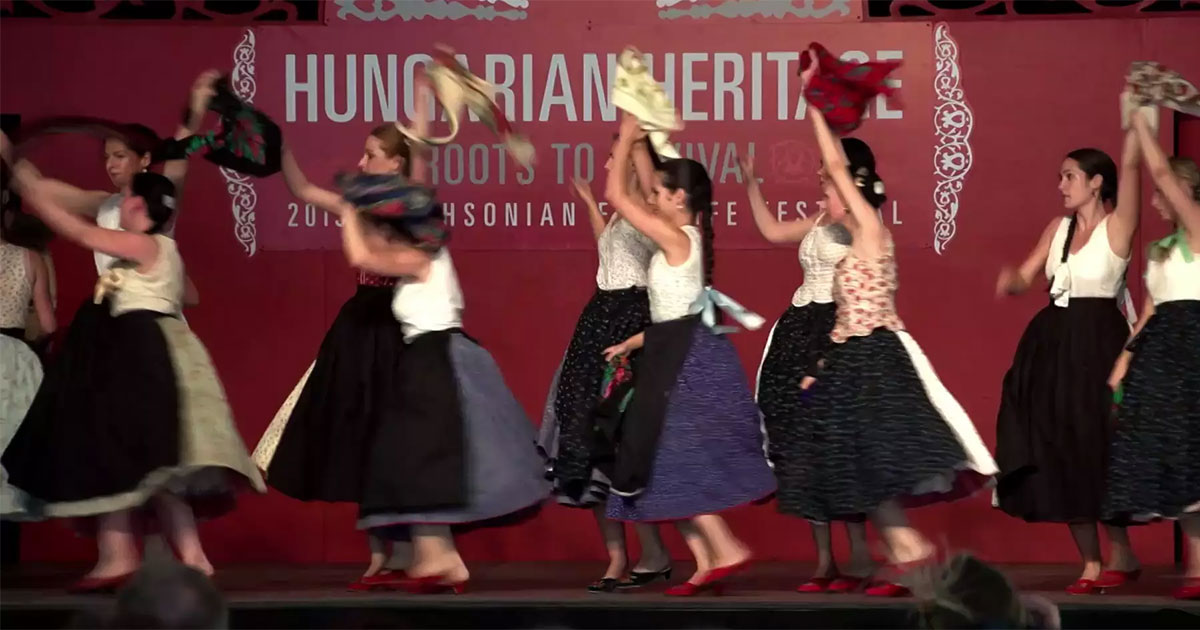
For the 2013 Smithsonian Folklife Festival, Hungarian choreographers Dezső Fitos and Enikő Kocsis created the “Hungarian Village” program, which presented the diverse customs, songs, music, and dances of Hungarian rural society from the 1900s.

Speakers of the Isthmus Zapotec language from Juchitán de Zaragoza in Oaxaca, Mexico, form a procession through the One World, Many Voices program space at the 2013 Smithsonian Folklife Festival.
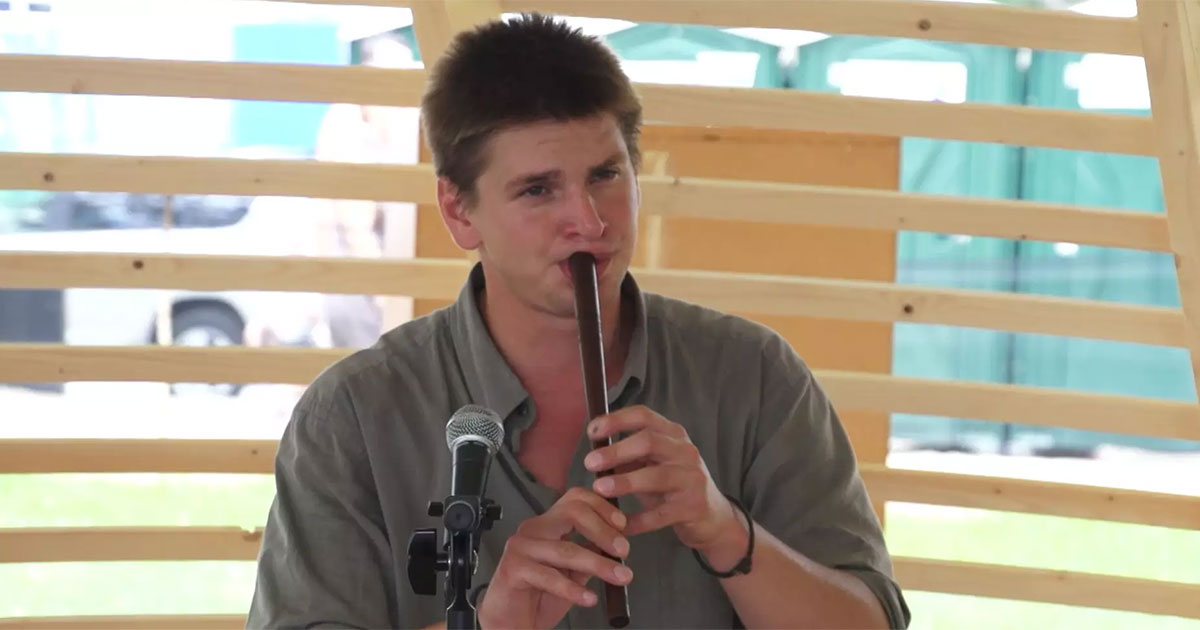
The folk music of Hungary is one of the country’s most important expressions of national identity. However, Hungary’s music varies greatly by region.
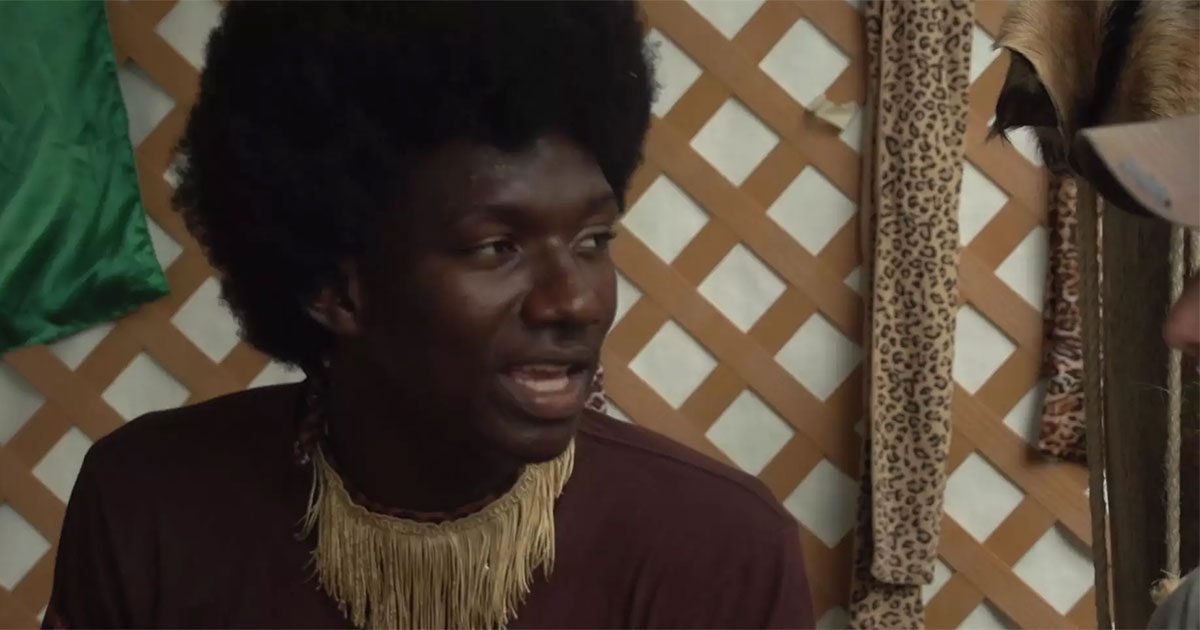
At the 2013 Smithsonian Folklife Festival, Andris Padilla Julio, a Palenque percussionist and community youth leader, has an impromptu musical conversation with Alexandro Hernández
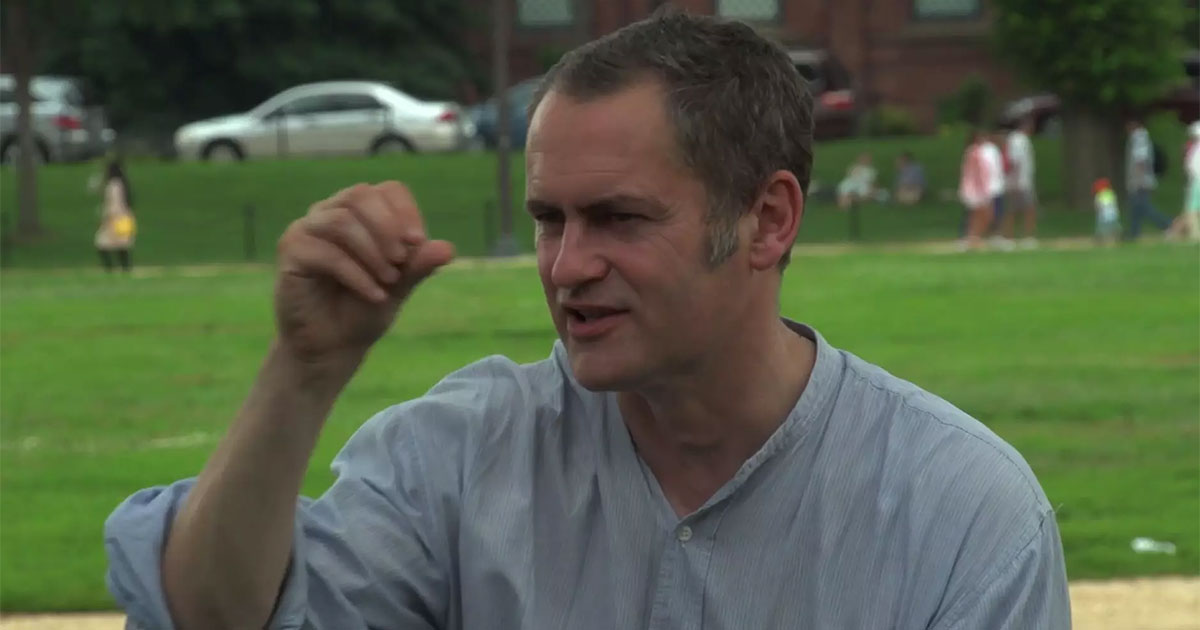
Ifor ap Glyn, Welsh poet and broadcaster, came to the 2013 Smithsonian Folklife Festival to talk with audiences about the power of language in culture.

The An-Sky Yiddish Heritage Ensemble performed on the “Voices of the World Stage” at the 2013 Smithsonian Folklife Festival.

The choral musical tradition widespread in southwestern China’s Dong communities is an a cappella polyphony.
Support the Folklife Festival, Smithsonian Folkways Recordings, Cultural Vitality Program, educational outreach, and more.