
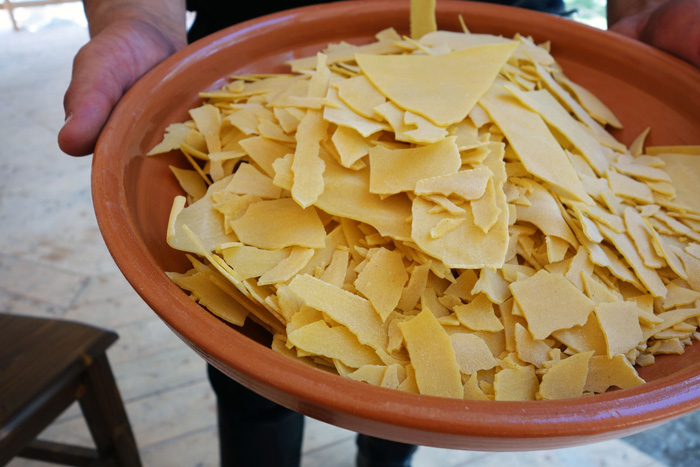
Cauldrons were bubbling over open fire as usual yesterday afternoon at the Hungarian Heritage program’s Cauldron Cooking area, where the Csontos shepherd family of Karcag prepared their famously delicious version of slambuc.
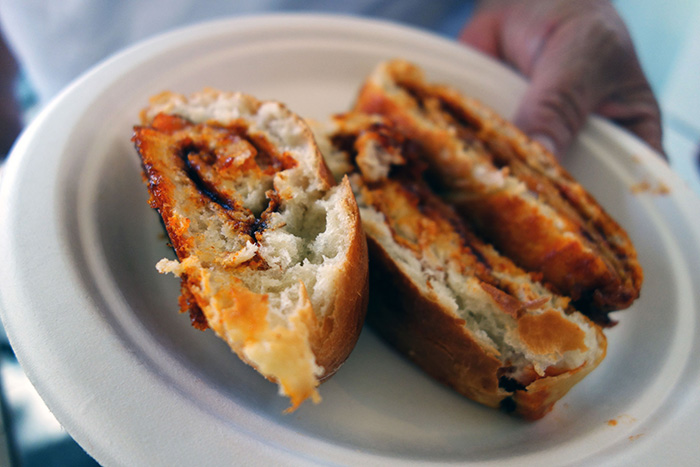
This pastry is often served either as dessert or instead of a main dish, following a hearty soup or stew.
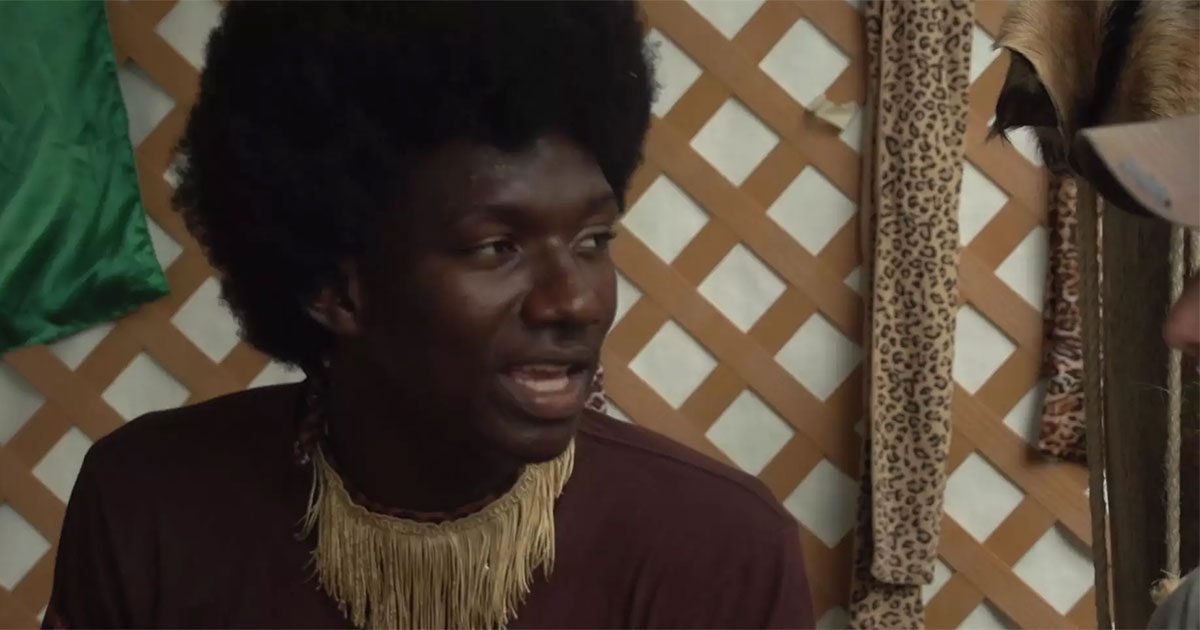
At the 2013 Smithsonian Folklife Festival, Andris Padilla Julio, a Palenque percussionist and community youth leader, has an impromptu musical conversation with Alexandro Hernández
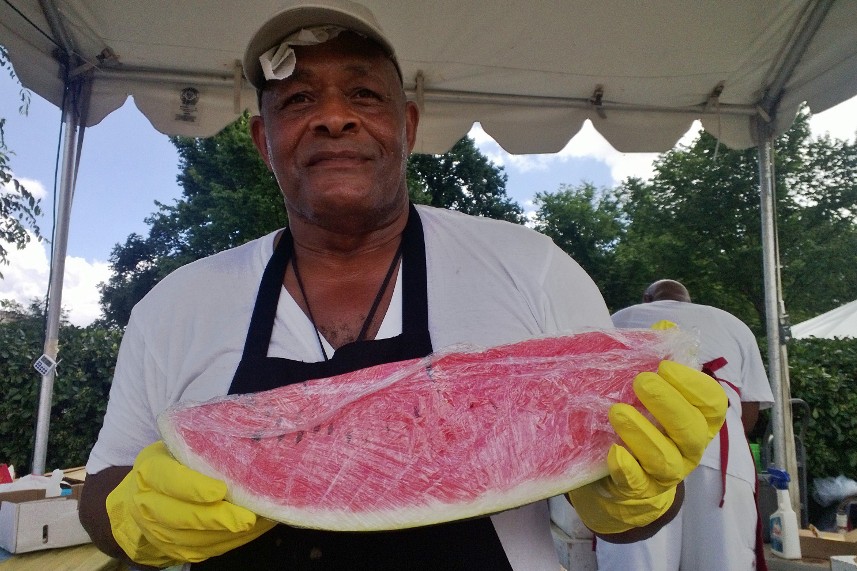
Historically, this particular brand of street vendor sells fresh fruit and vegetables from a decorated horse-drawn cart, singing out songs to attract customers.

Have you ever wanted to meet a Folklife Festival photographer? On the closing weekend of the Festival you’ll have a chance to do just that.
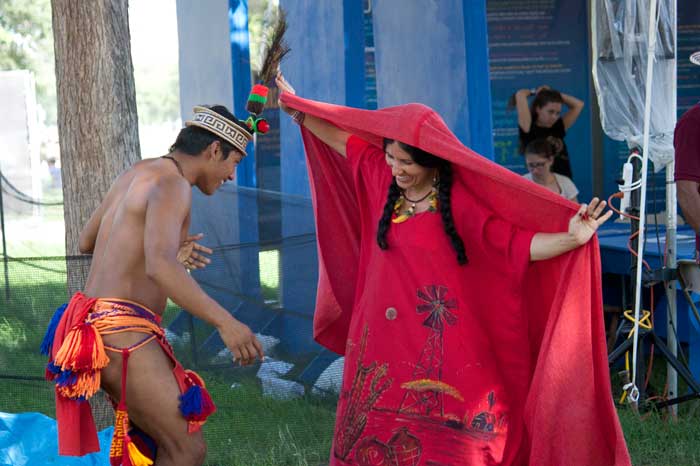
It’s Friday—the end of the work week! There are only two remaining days of the Festival. We enjoyed sunnier, drier weather today.
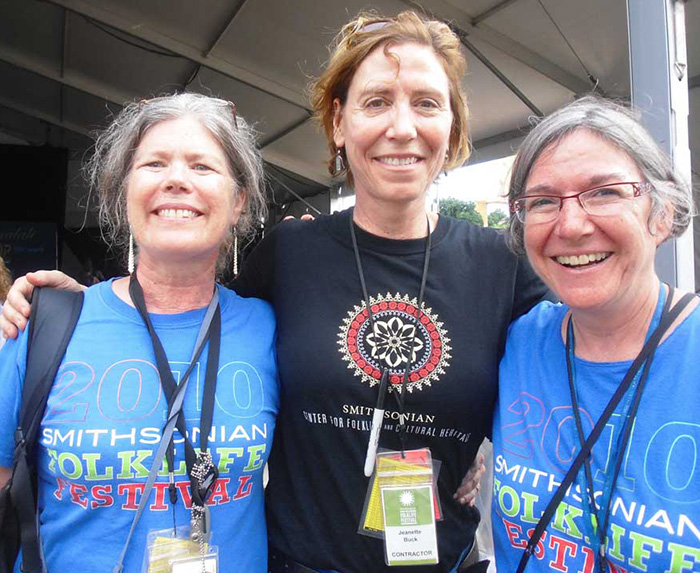
Smithsonian Folklife Festival stage manager Jeanette Buck speaks about life backstage and her experience working the Festival.
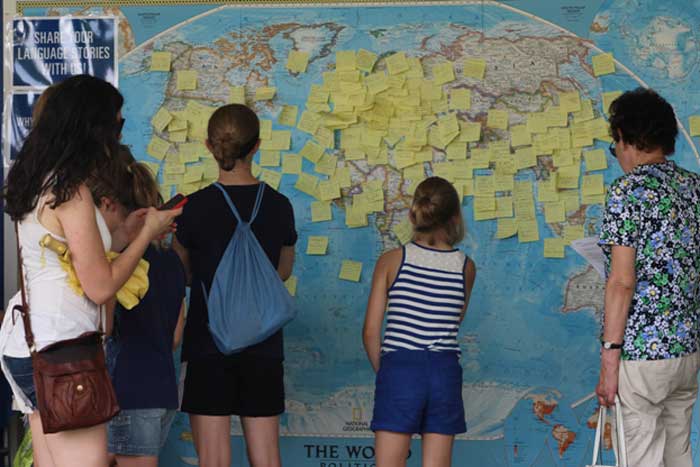
Festival participants aren’t the only ones sharing languages in One World, Many Voices.

Kihei Nahale-a remembers celebrating the Fourth of July as a child. Watching fireworks, eating hot dogs, and enjoying Independence Day in the quintessential American fashion.
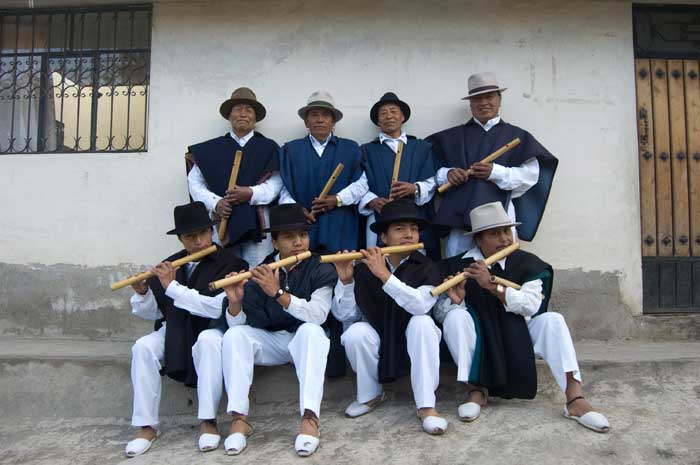
At the heart of this year’s One World, Many Languages program is a number of wonderful musical groups. Hatun Kotama hail from a small town in Ecuador and sing in Kichwa, a UNESCO-declared endangered language.