
Curator Diana Baird N’Diaye introduces the 2013 Smithsonian Folklife Festival program The Will to Adorn.
Hungarian Heritage curators Ágnes Fülemile and Jim Deutsch introduce the program.
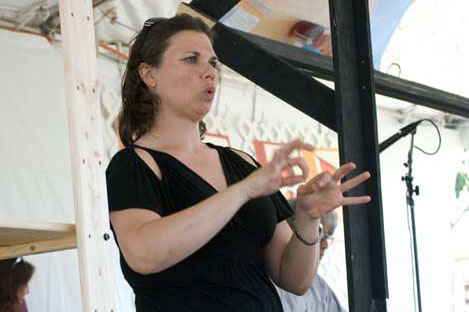
It is extremely important to us that the events and programs offered at the Folklife Festival are accessible to all visitors.
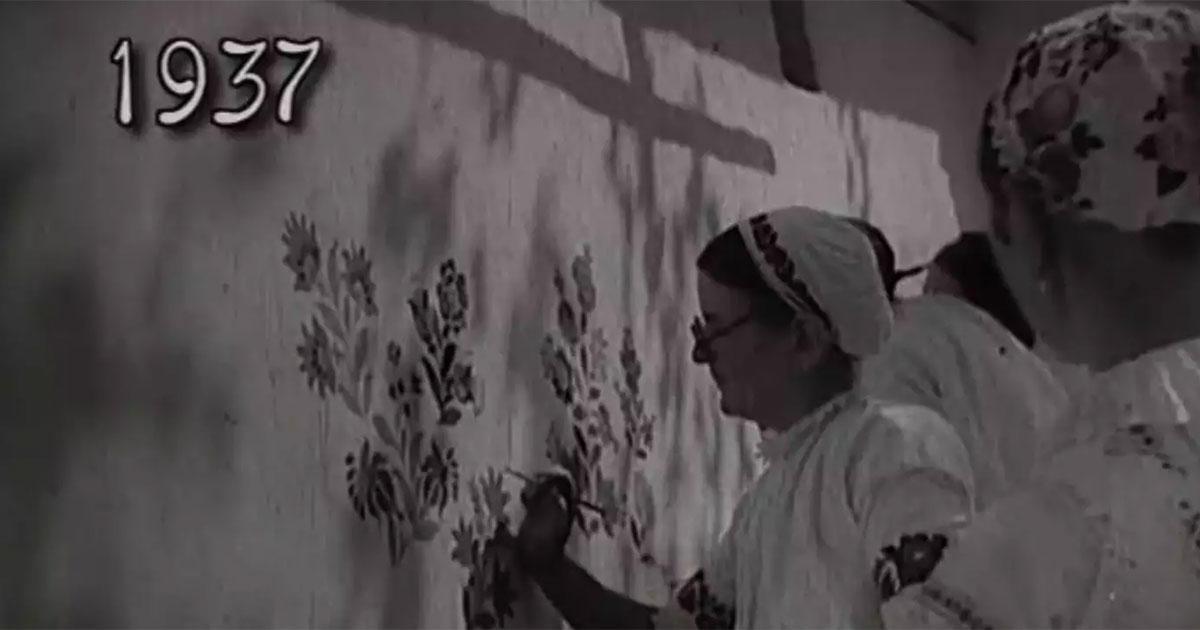
As they have for centuries, women in Kalocsa (Hungary) draw, paint, and embroider traditional floral motifs.
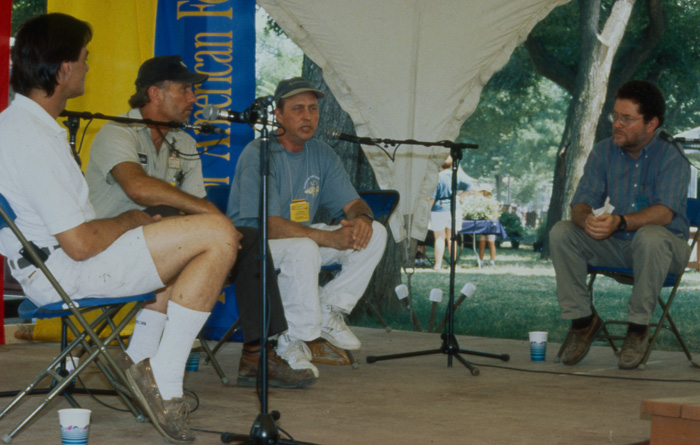

Two Hungarian construction crews have arrived in Washington and are hard at work building fences and fashioning the intricate details of the Festival’s twenty-three-foot-tall Peacock Tower.
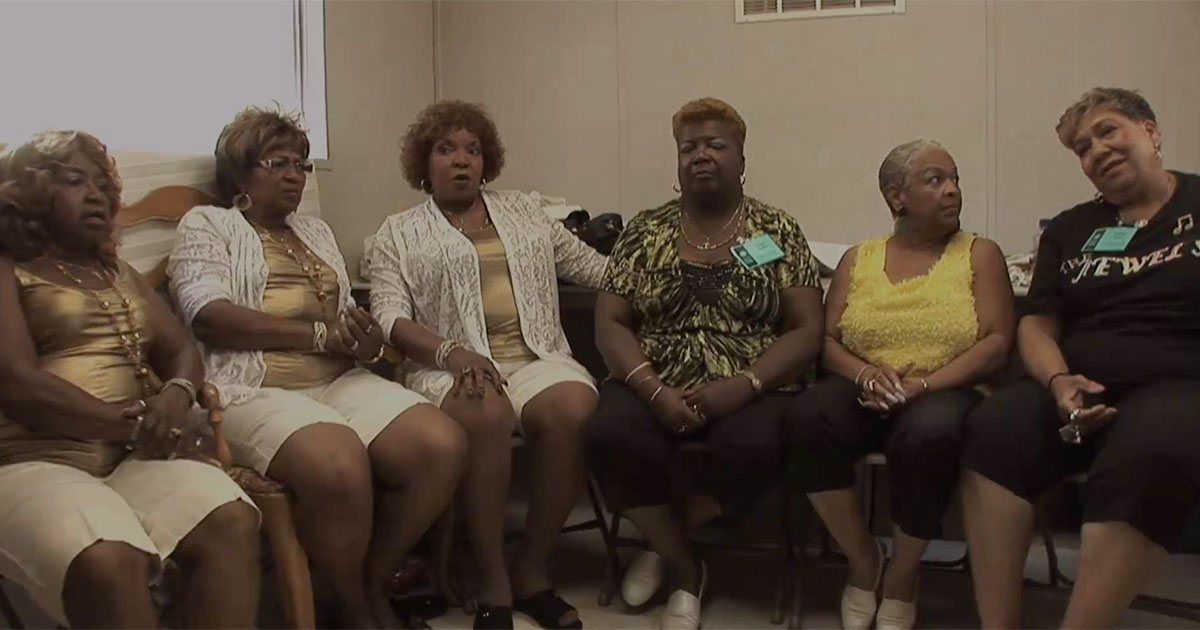
Both the Dixie Cups of New Orleans and The Jewels of Washington, D.C., began singing in the early 1960s.

Calling all photographers! The 2013 Smithsonian Folklife Festival Flickr Group is now open.
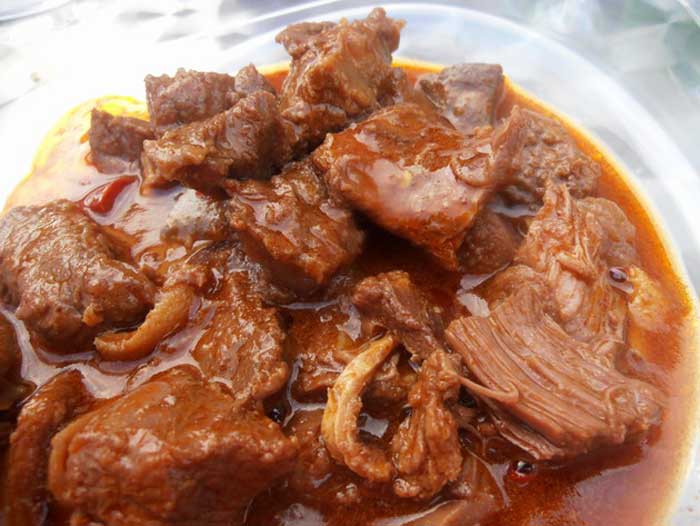
Few dishes are quite as rugged as Karcag Mutton Stew. The dish (Birkapörkölt in Hungarian) is often associated with the Nagykunság (Great Cumania) region of east-central Hungary
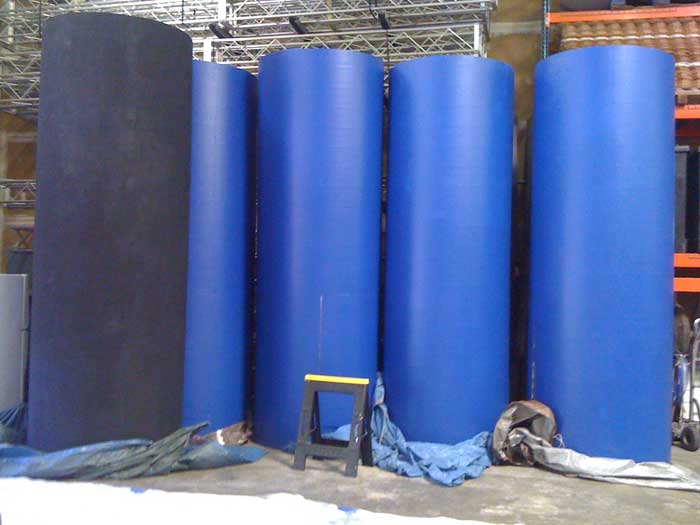
Thirteen miles east of the National Mall, the Smithsonian Center for Folklife and Cultural Heritage supply and technical crews gear up for their big move to the Mall for the Festival.