
more
By Our Interns
Posts tagged with By Our Interns
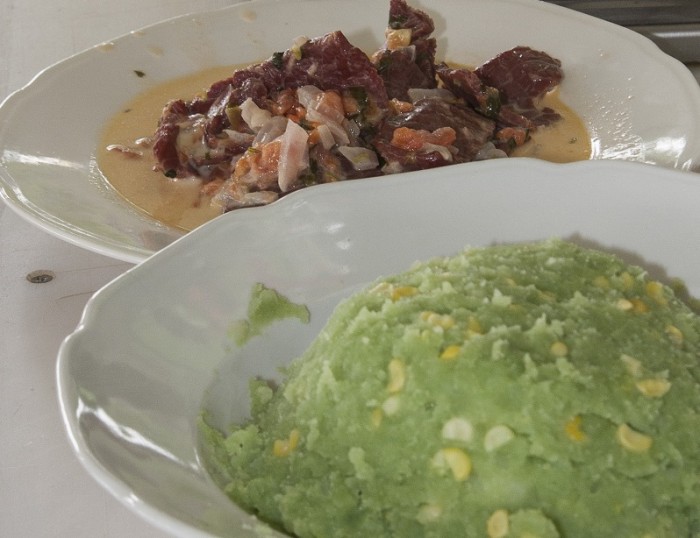
The vegetable medley called mukimo is common in Nairobi as a side for meals such as roasted chicken.

Jiànzi, which was offered in the People’s Park area of the Festival, is a jingling, feathered Chinese shuttlecock that is played like American hacky-sack
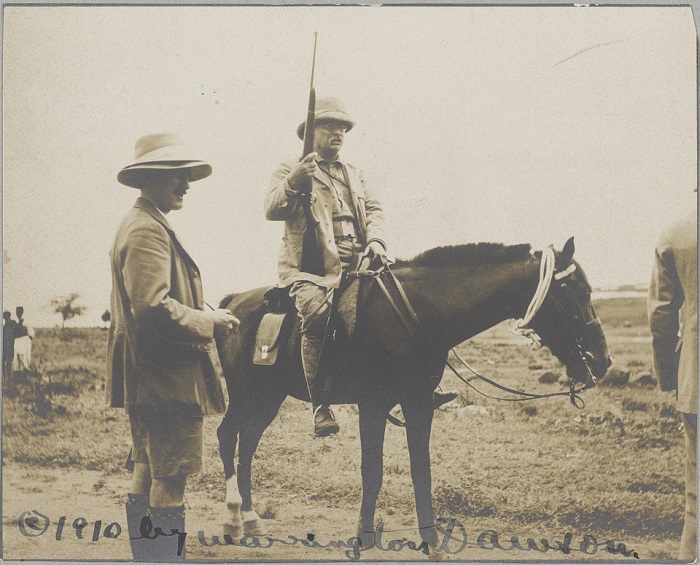
This year marks the hundred and fifth anniversary of the twenty-sixth president’s expedition to Kenya and eastern Africa, where he traveled and hunted big game with three Smithsonian scientists and his son Kermit Roosevelt

Changes occur when ethnic music, which is typically passed down from generation to generation within a family in intimate settings, is institutionalized and commercialized
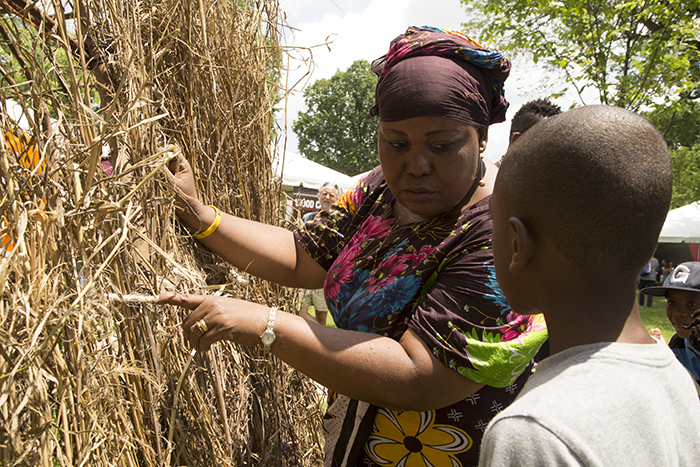
Visitors flocked to stare in awe as Kenyan participants Malika Badiribu and Salma Maro constructed a traditional Pokomo hut onsite, using natural materials that had been shipped from Kenya.
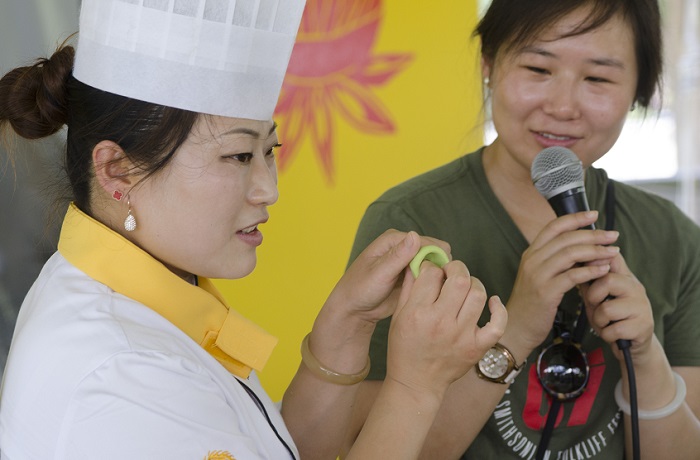
There are many different kinds of the small Chinese dumpling called shumai. The variety featured in this recipe is called “jade” shumai because both the filling and wrapper are a pale green color when cooked.

Cooking, by nature, is a deeply personal experience. Each ingredient is a cultural attribute, each method a piece of cultural knowledge, and each meal a social experience.
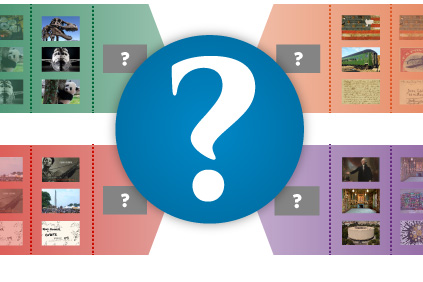
This summer, twenty-four Smithsonian museums and centers are competing to find the one object that best represents the Smithsonian—and you can help choose!
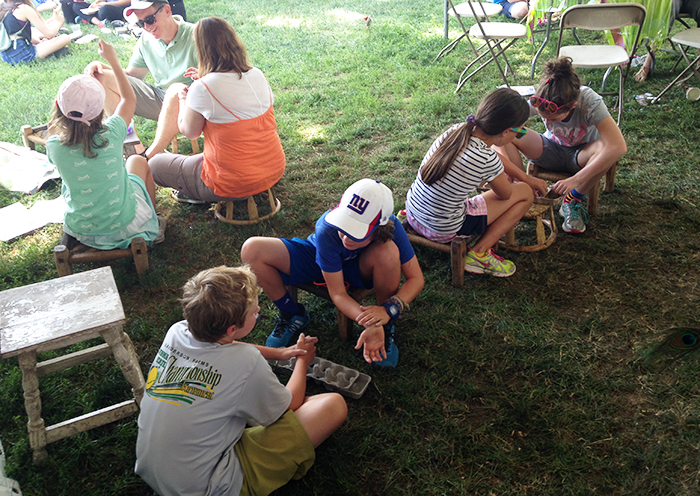
“I have to go show the flip-flop guys! They’re going to be so proud, right?” It was day five of the Festival, and an eight-year-old boy, beaming and sweaty, was proudly presenting to me the result of his labors in the Kenya Family Activities tent

If you visited the 2014 Folklife Festival, you may have noticed a wacky construction in the Kenya program area with beer bottles and other odds and ends sticking out of the sides.
Support the Folklife Festival, Smithsonian Folkways Recordings, Cultural Vitality Program, educational outreach, and more.