
more
By Our Interns
Posts tagged with By Our Interns
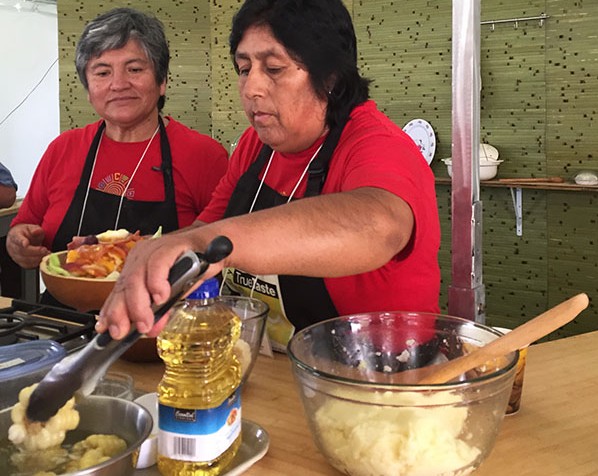
Causa en lapa is a mashed potato and salted fish dish commonly served during Holy Week, a time when many Catholics in Peru abstain from eating red meat.

In talking with folk artist Angel L. Callañaupa Alvares, this video gives insight about the expansive significance of Pachamama. His deep appreciation for Pachamama is ever present in his work

On the Mall, our crew built custom tiered wooden planter boxes filled with potato and quinoa plants so that Festival visitors could learn about Peruvian agricultural practices first-hand.
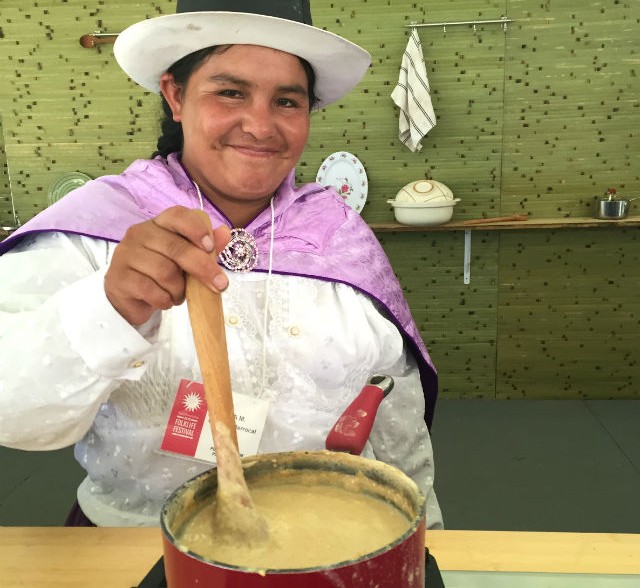
Ana Ccahuin Berrocal and Ives Gálvez Huamán demonstrated one of the countless ways in which seemingly bland quinoa seeds can create delectable dishes.

Most Americans think of “constellations” as linear figures drawn by connecting individual stars. We often associate them with Greek or Roman myths, but many other cultures attach their own stories to shapes they see in the night sky.

Peru is a country of great linguistic diversity. While Spanish is used widely throughout the country, Peru is also home to more than ninety indigenous languages.
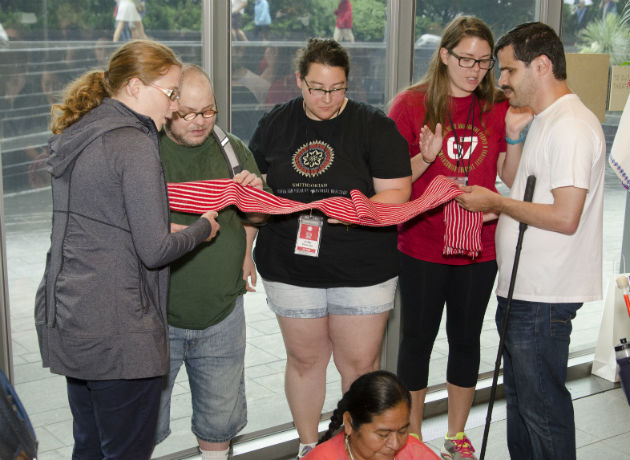
The rain on June 27 may have pushed the Festival inside the National Museum of the American Indian, but it didn’t stop this year’s first tactile and verbal description tour.
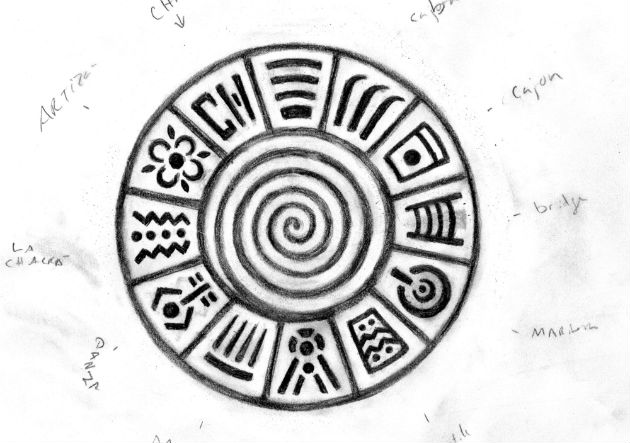
Much time and research went into its design, so the “icon” could thoughtfully and equally represent the twelve artisan groups we brought from Peru to the National Mall.
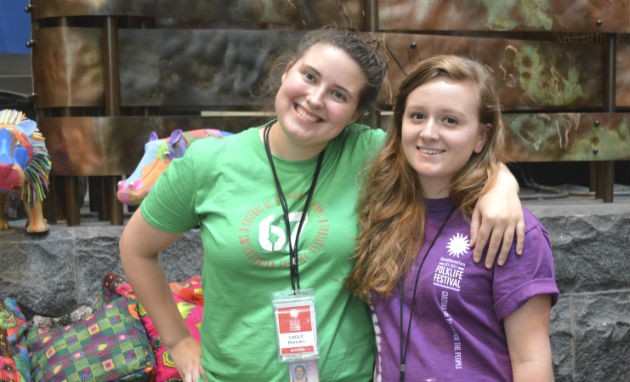
As the Marketplace interns, we have a few recommendations for our fellow D.C. summer interns, students, and other people living on the cheap.
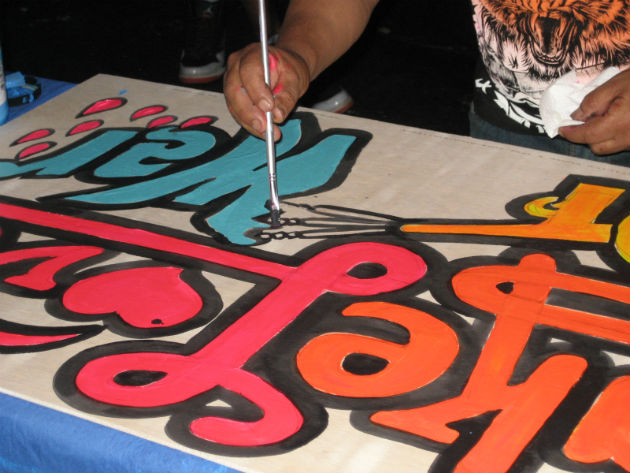
Chicha silkscreen artist Pedro “MONKY” Tolomeo and Festival presenter Alfredo Villar (a.k.a. DJ Sabroso) arrived a few days early last week, just in time for the SMITHSONIAN at 8 kickoff event, “Chicha! A Peruvian Dance Party.”
Support the Folklife Festival, Smithsonian Folkways Recordings, Cultural Vitality Program, educational outreach, and more.