

more
By Our Interns
Posts tagged with By Our Interns
When I was six years old, I took a modern dance class, and in the classroom next door was a traditional Irish step dance class. Thanks to his love of all things Irish, my father convinced me to join.

Basque sports are an integral part of Basque identity. Springing from the traditional activities of day-to-day farming and fishing life, the competitive nature of Basque people created a series of unique sports that test strength, speed, and endurance.

Under clear blue skies, our technical team is installing white tents and billowing signs on the green grass of the National Mall. You know what that means? The Smithsonian Folklife Festival will soon be upon us!
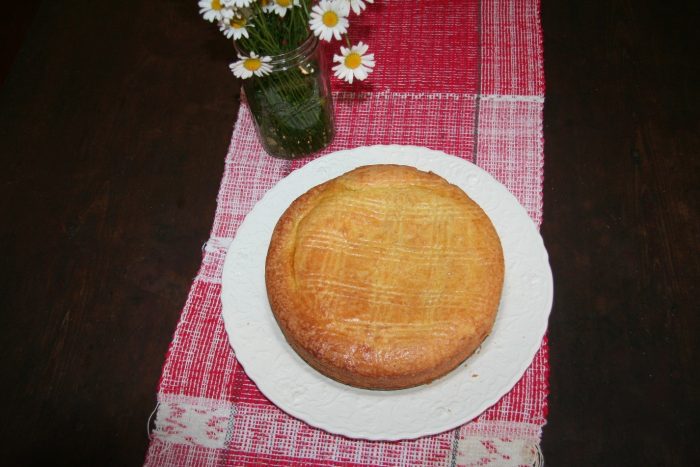
This relatively simple custard filled cake has a dedicated following within Basque communities.
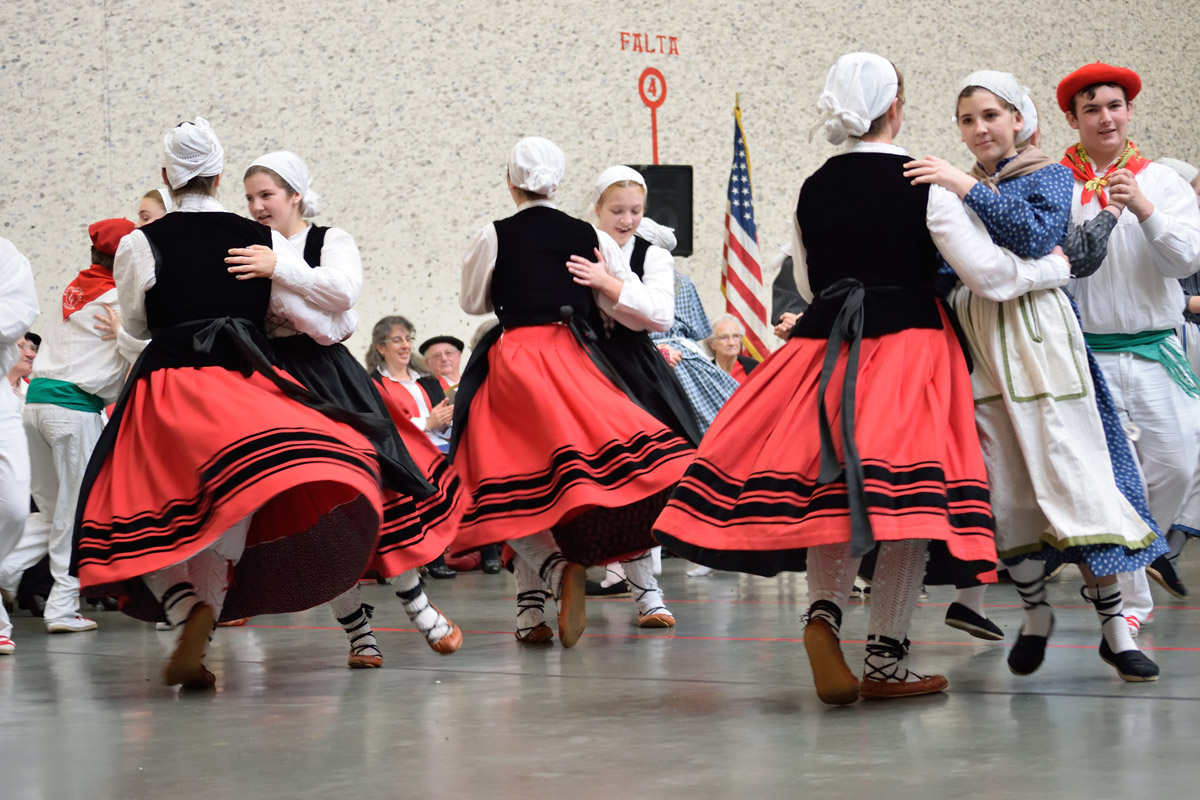
The 2016 Folklife Festival is full of family-friendly activities, but if you have kids with you the best place to start is at the Txiki-Txoko (pronounced “CHEE-kee CHO-ko) Kids’ Corner.
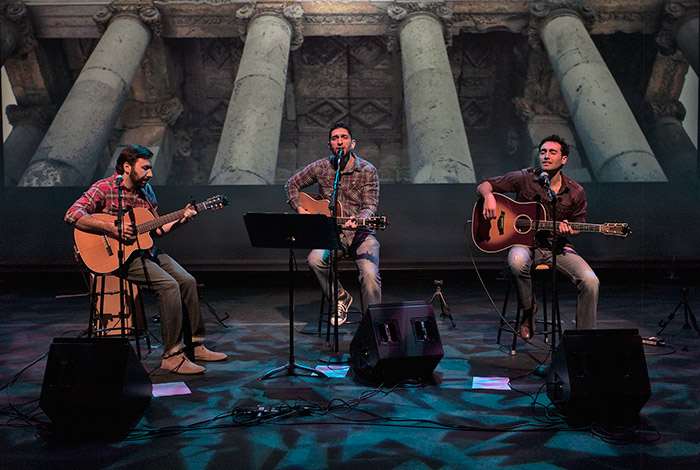
Despite its name, Armenian Public Radio is not an Armenian public radio station. It is an acoustic guitar trio that melds contemporary musical styles and the music of their homeland to create a new perspective to Armenian folk songs.
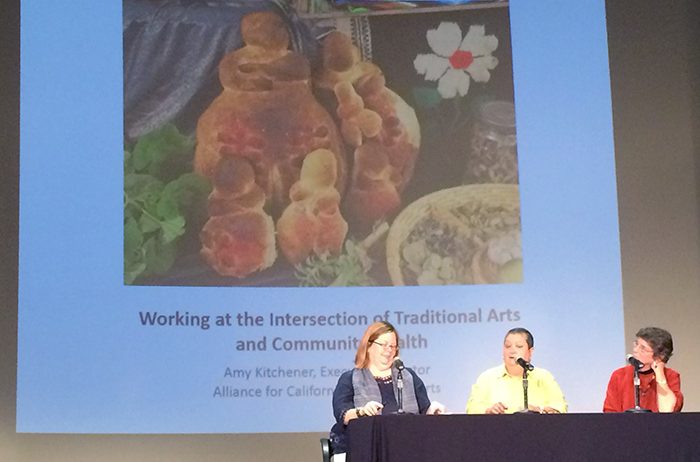
Last month, the Smithsonian Center for Folklife and Cultural Heritage hosted the symposium Cultural Sustainability in the Age of Globalization along with the Alliance for California Traditional Arts and the Royal Textile Academy of Bhutan.
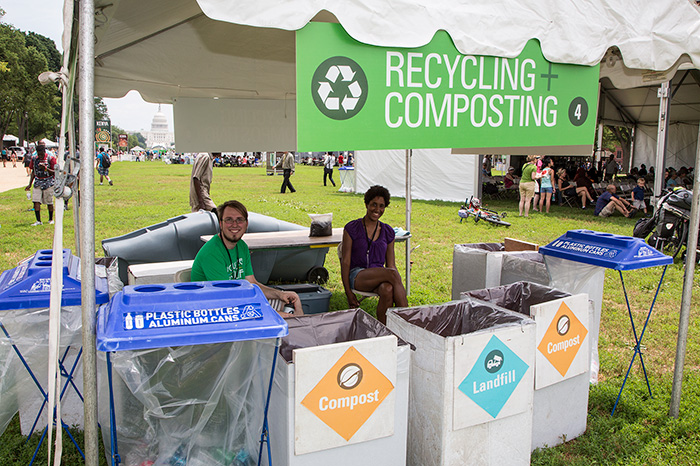
What do you remember after you leave a large festival at closing time? The sights, sounds, and smells? Or all of the Styrofoam cups and containers on the ground?
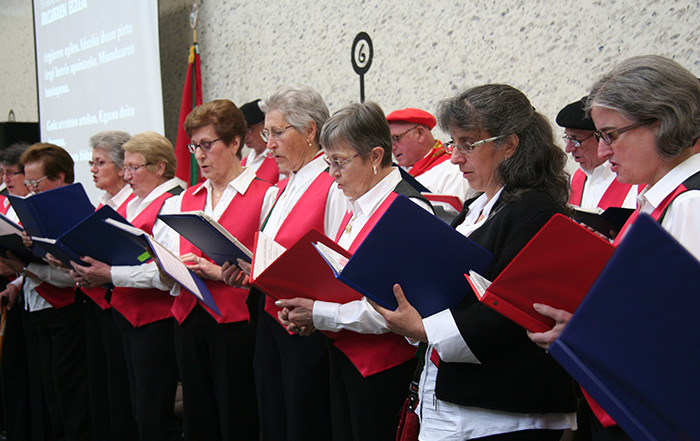
In France, to “sing like a Basque” means you sing “loudly, well, and often,” according to Mark Kurlansky’s Basque History of the World.
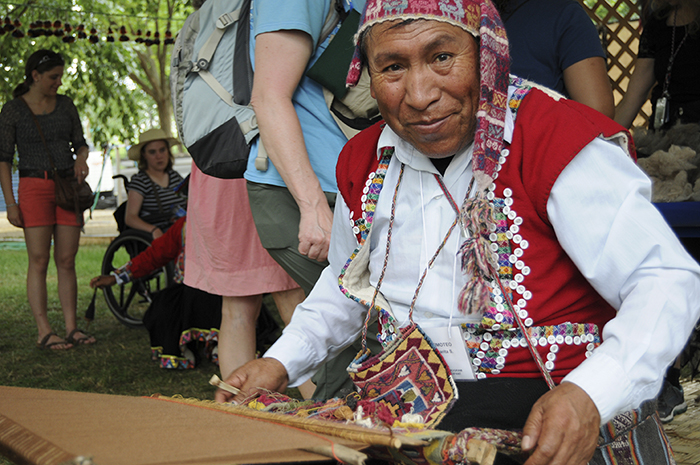
Long before the Perú: Pachamama artisans flew thousands of miles to grace the National Mall, Spanish colonists sailed thousands of miles to find indigenous communities inhabiting what would become the country of Peru.
Support the Folklife Festival, Smithsonian Folkways Recordings, Cultural Vitality Program, educational outreach, and more.