
more
Cultural Transmission
Posts tagged with Cultural Transmission
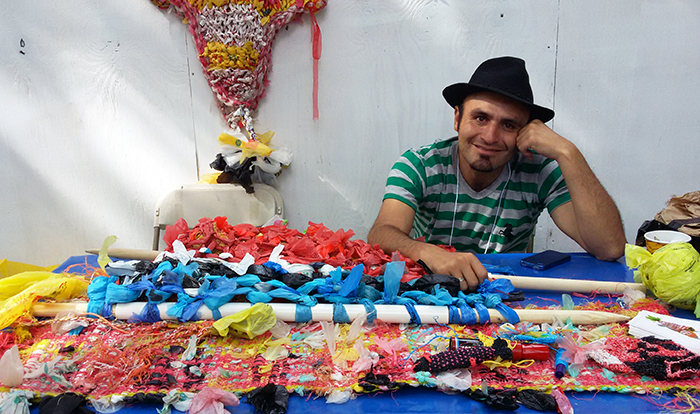
Artist Aymar Ccopacatty knits, weaves, braids, and collages with recycled plastic bags that he collects mostly from his homeland of Peru.
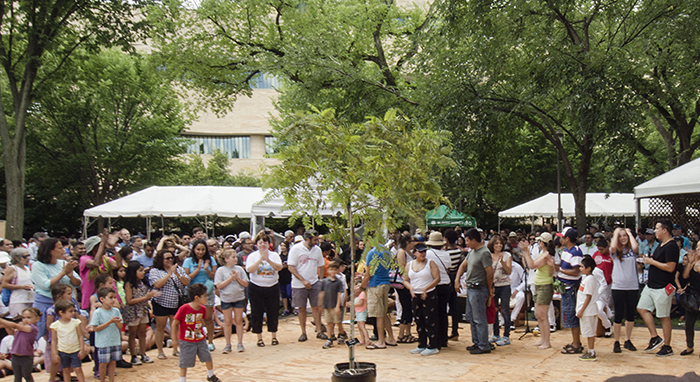
The Ballumbrosio family and other members of the Afro-Peruvian group Tutuma invite visitors to join in this celebration as they provide the soundtrack: guitars, various percussion, a rattling quijada donkey jawbone, and infectious group vocals.
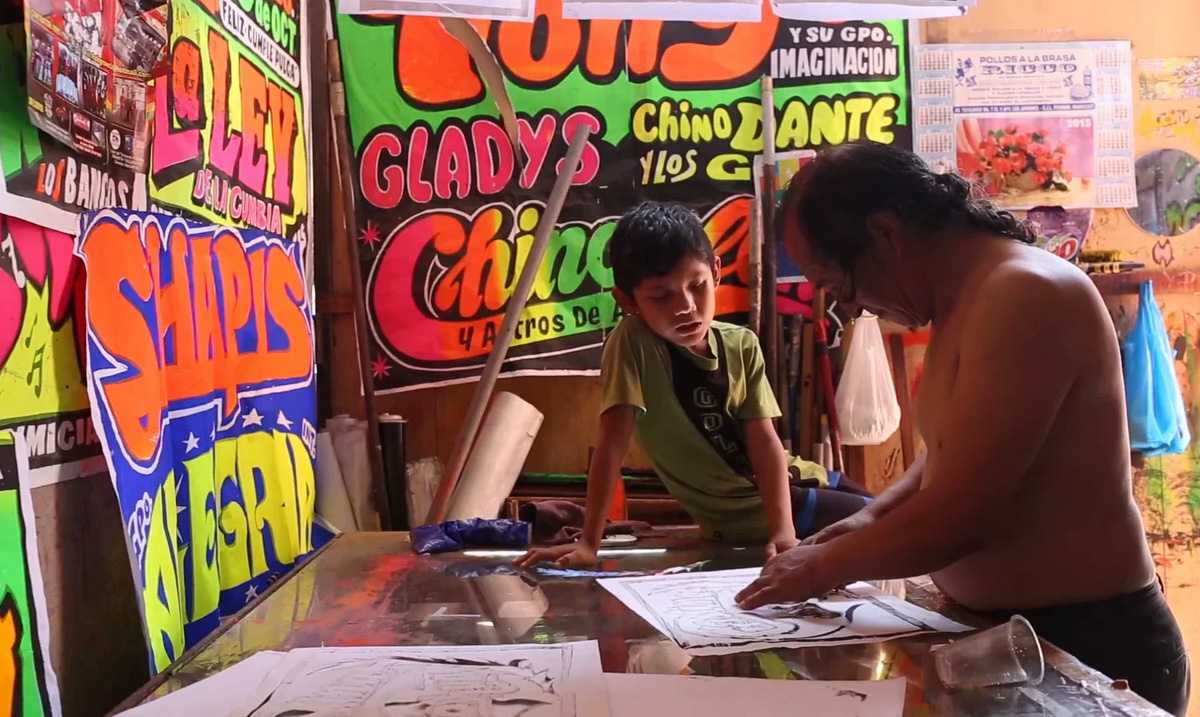
Silkscreen artist Pedro “MONKY” Rojas uses the same bold colors worn by mountain Quechua people to create advertisements for chicha musicians.

Rufino Turpo shares the life-sustaining role of Pachamama: mother of all living beings, the core of existence, the symbol of fertility.

Hanging across the Apurímac River in Huinchiri, Peru, is the world’s last remaining traditional Inka rope bridge: the Q’eswachaka.
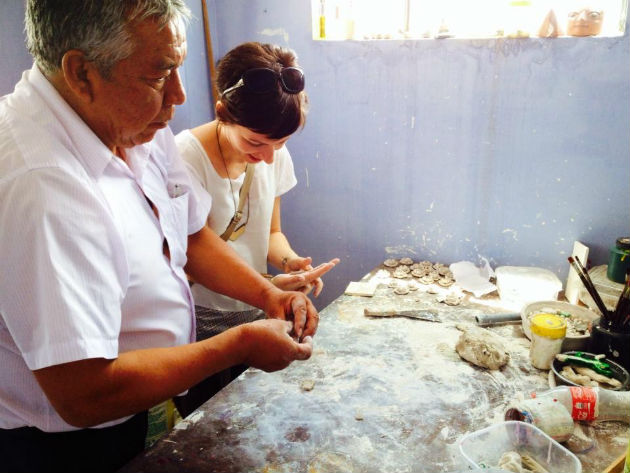
Two hundred miles southeast of Lima, Ayacucho has a rich craft heritage—ceramics, painted tin, masks, and retablo (story boxes)—with techniques rooted in Wari culture of this Andean region from about 500 to 1000 AD.

Born in the town of Moche in northern Peru, Ronald Fernández has dedicated his life to preserving and promoting the traditional Mochera style of Marinera, the national dance of Peru.

I started taking calligraphy classes in 1997 at a local museum in Nanjing dedicated to a renowned modern calligrapher Lin Sanzhi (1898–1989).
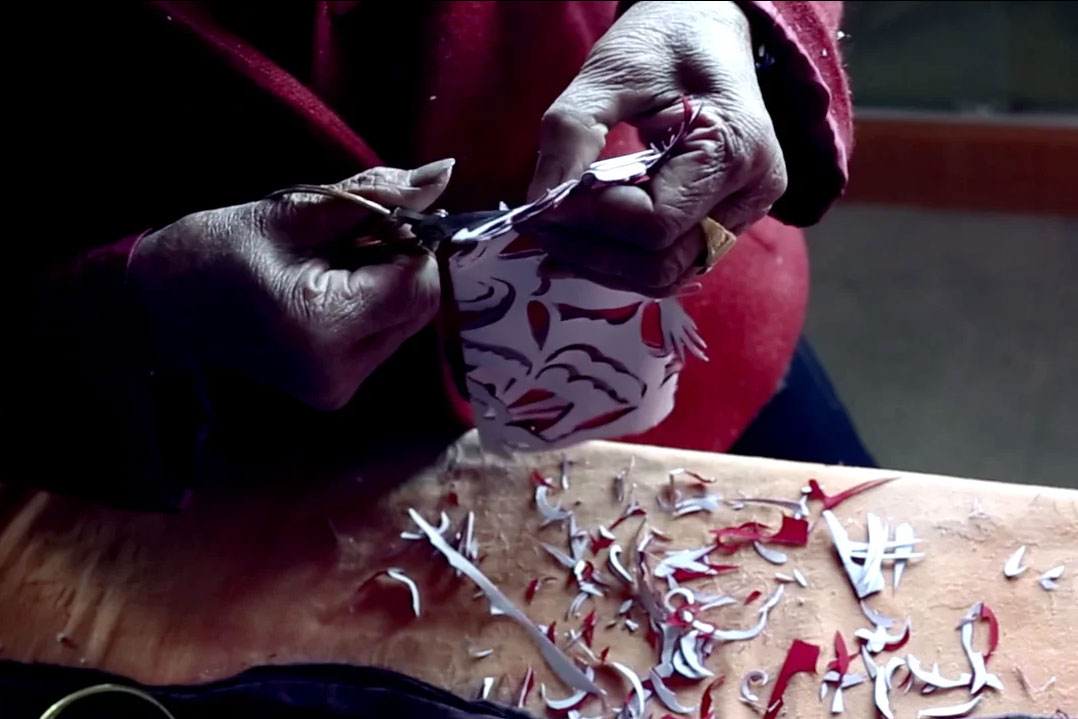
Gao Fenglian, deeply affected by her family traditions, has loved paper cutting since she was a little girl. She feels most comfortable with scissors and paper in hand.
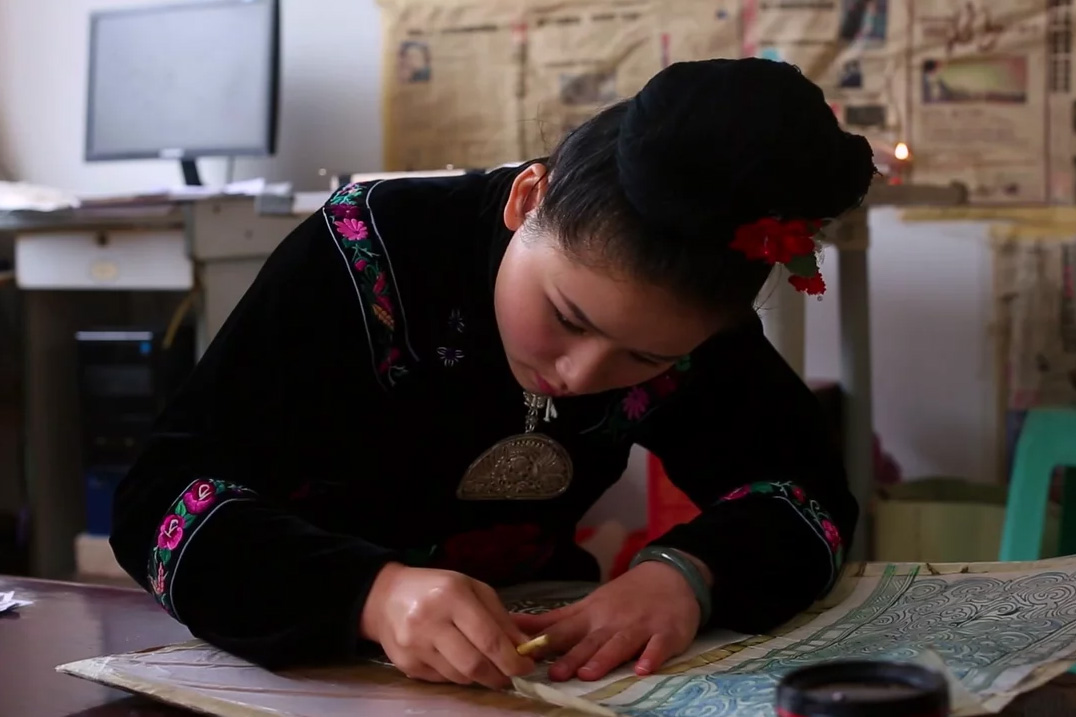
Lian Xiaoyin is a performer with the Leishan Miao Music and Dance Group and a student of the ancient art of batik dyeing.
Support the Folklife Festival, Smithsonian Folkways Recordings, Cultural Vitality Program, educational outreach, and more.