
more
Cultural Transmission
Posts tagged with Cultural Transmission
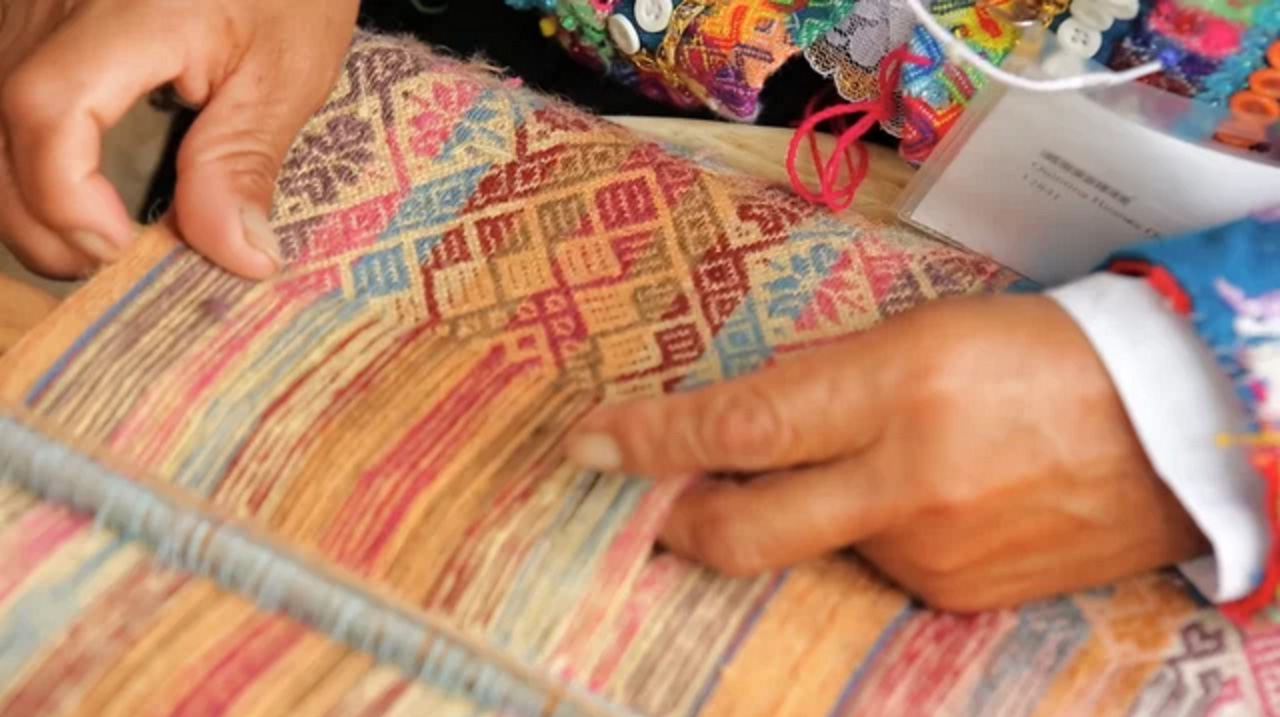
At the 2015 Festival, Nilda Callañaupa Alvarez represented the textile artisans from Chinchero in Cusco, Peru.
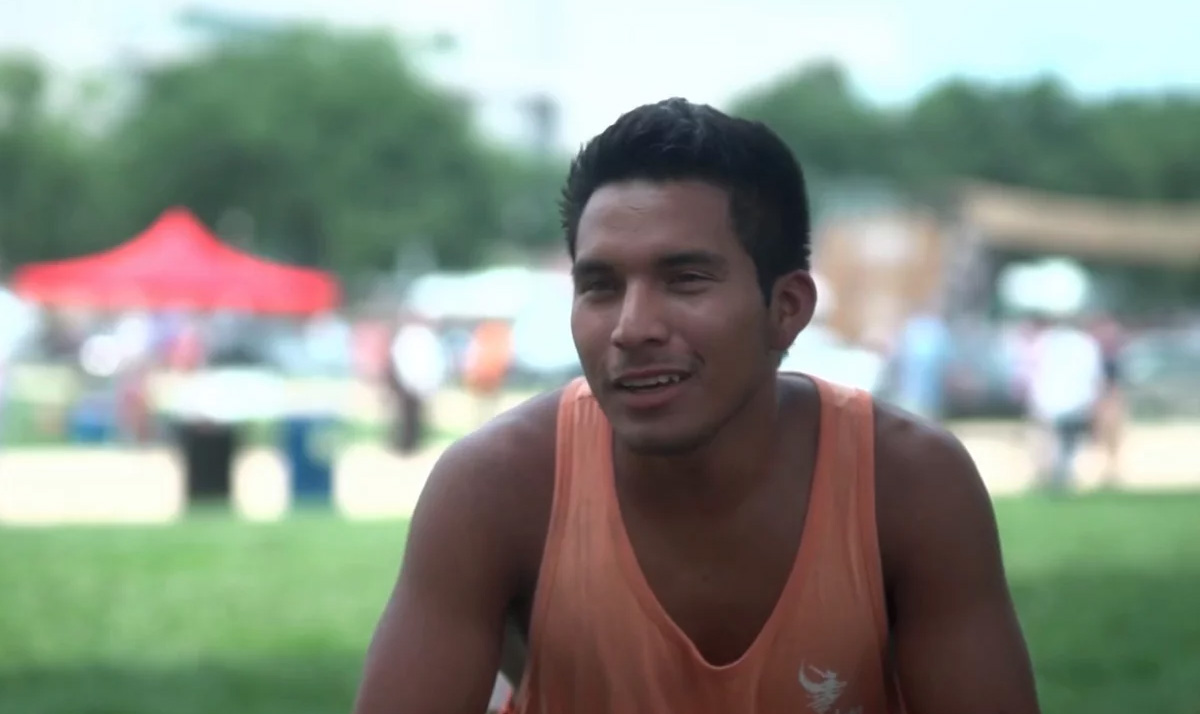
Matteo Valderrama Piminchumo shares his Peruvian communities' tradition of woven reed rafts called caballitos de totora.
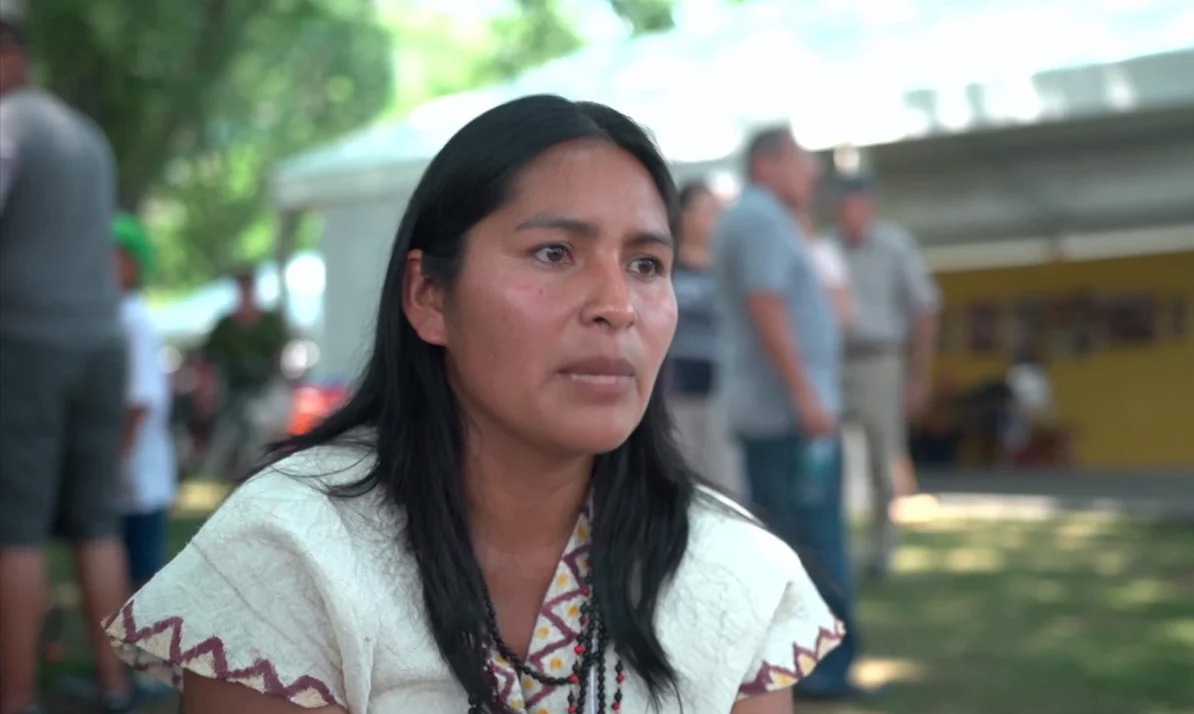
The Wachiperi were easy to spot at the 2015 Folklife Festival, in their hand-painted, hand-cut cushmas, beige tunics stretched from the fiber of tree bark.
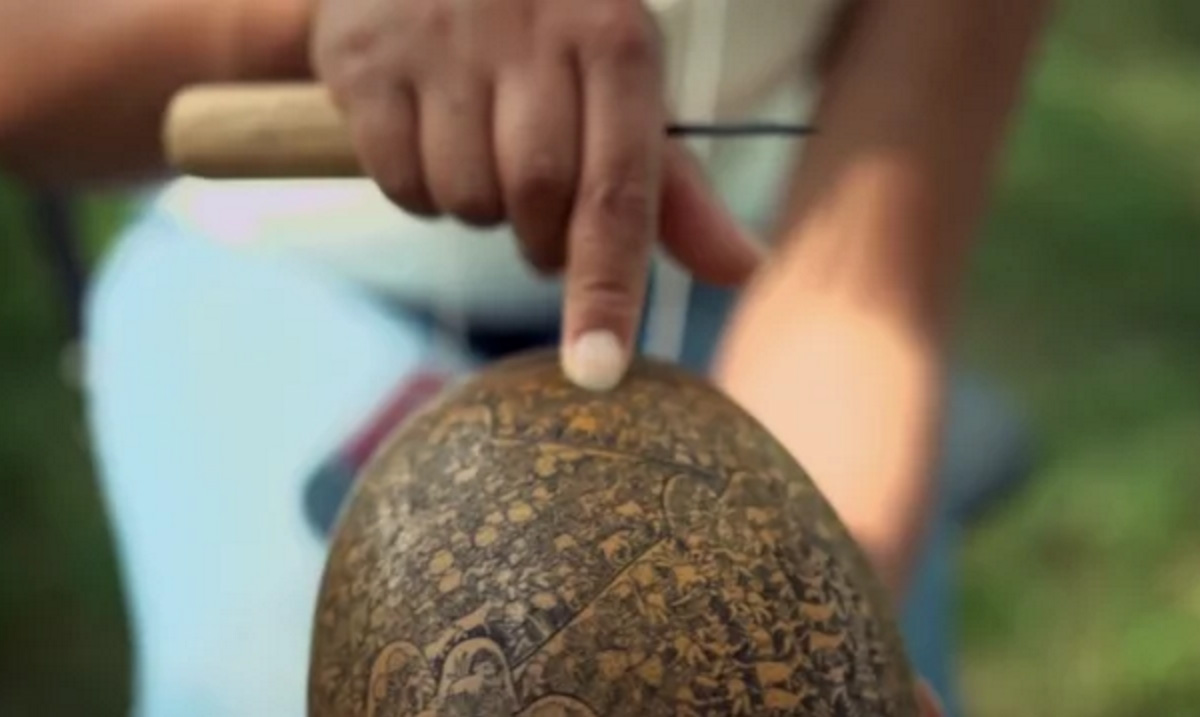
Katya Canto and her sister Blanca have dedicated their lives to maintaining the Peruvian tradition of mate burilado, or gourd carving. Such gourds are intricate stories, recounting daily life in Cochas Grande
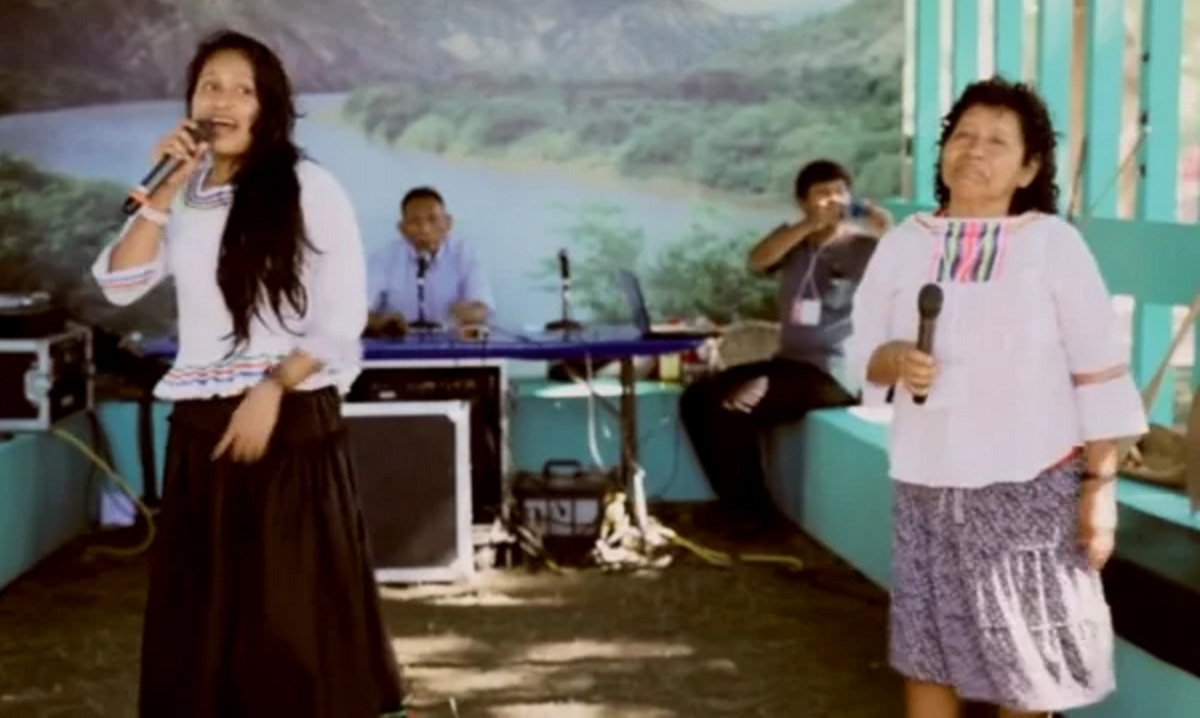
Through participatory methods, this radio station in the Peruvian Amazon works across generations to keep their community’s Kukama culture and oral traditions alive.
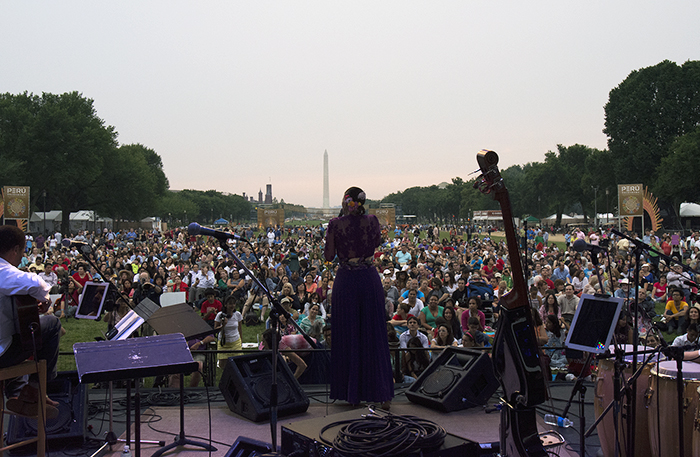
Julie Freundt was a participant in Perú: Pachamama, as the lead singer for the music and dance ensemble Marinera Viva!!! After seeing the 2015 Folklife Festival video “Crossing,” she sent us these song lyrics and reflection about her experience.

Wherever you stood on the Folklife Festival grounds, the Q’eswachaka Bridge was always noticeable, drawing diverse crowds and intrigue.

Now that the Folklife Festival is over, I had time to visit The Great Inka Road: Engineering an Empire exhibition at the National Museum of the American Indian.

The Perú: Pachamama program at the 2015 Festival featured a group of traditional weavers from the Centro de Textiles Tradicionales del Cusco, including Timoteo Ccarita Sacaca, a Cusco native.

As the Perú: Pachamama program opened on the National Mall, the Peruvian Ministry of Education announced a new policy officially recognizing the alphabets of twenty-four indigenous languages.
Support the Folklife Festival, Smithsonian Folkways Recordings, Cultural Vitality Program, educational outreach, and more.