
more
Music
Posts tagged with Music
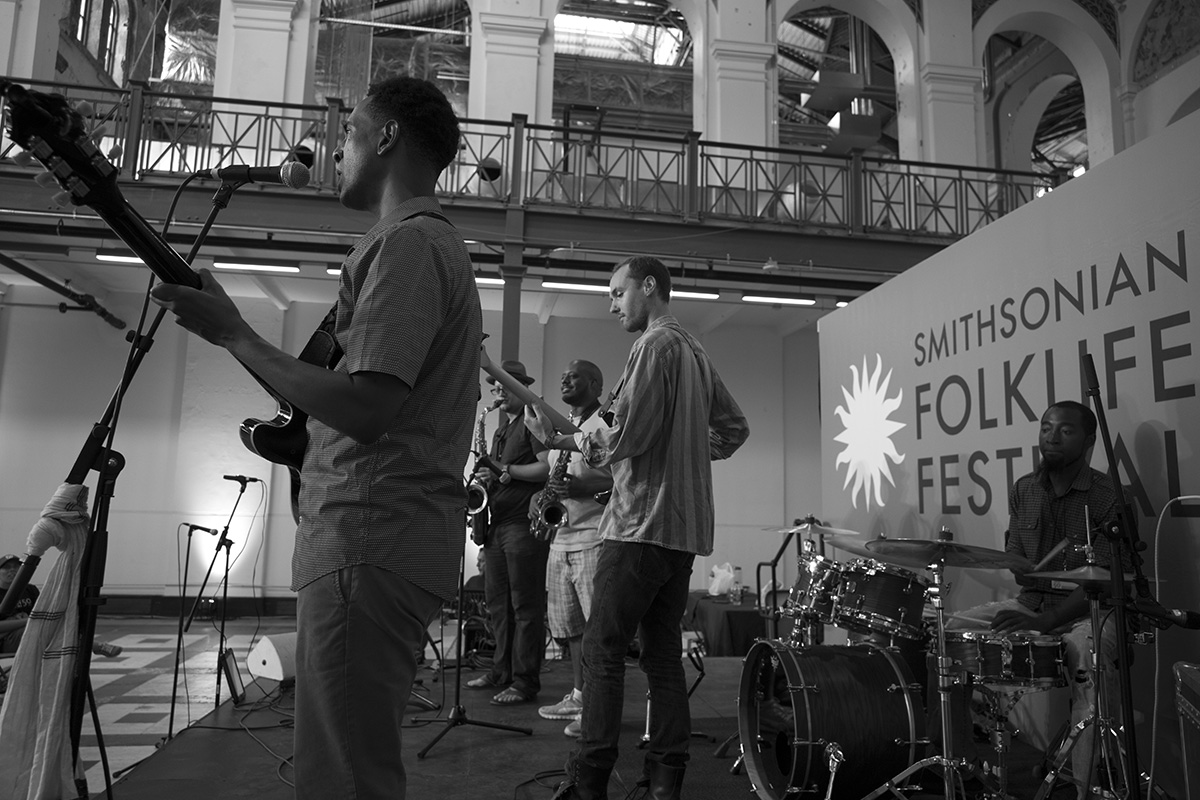
Kino Musica is a very D.C. band: the product of colliding music scenes, friendships made during Smithsonian internships, and the influence of Ethiopian community.

For the last few days, a nostalgic sound has been wafting through the Folklife Festival. It’s a familiar sound but from a likely unfamiliar musical instrument.

Two traditions of the Brazilian dance and martial art capoeira came together yesterday on the Migration Walkway.
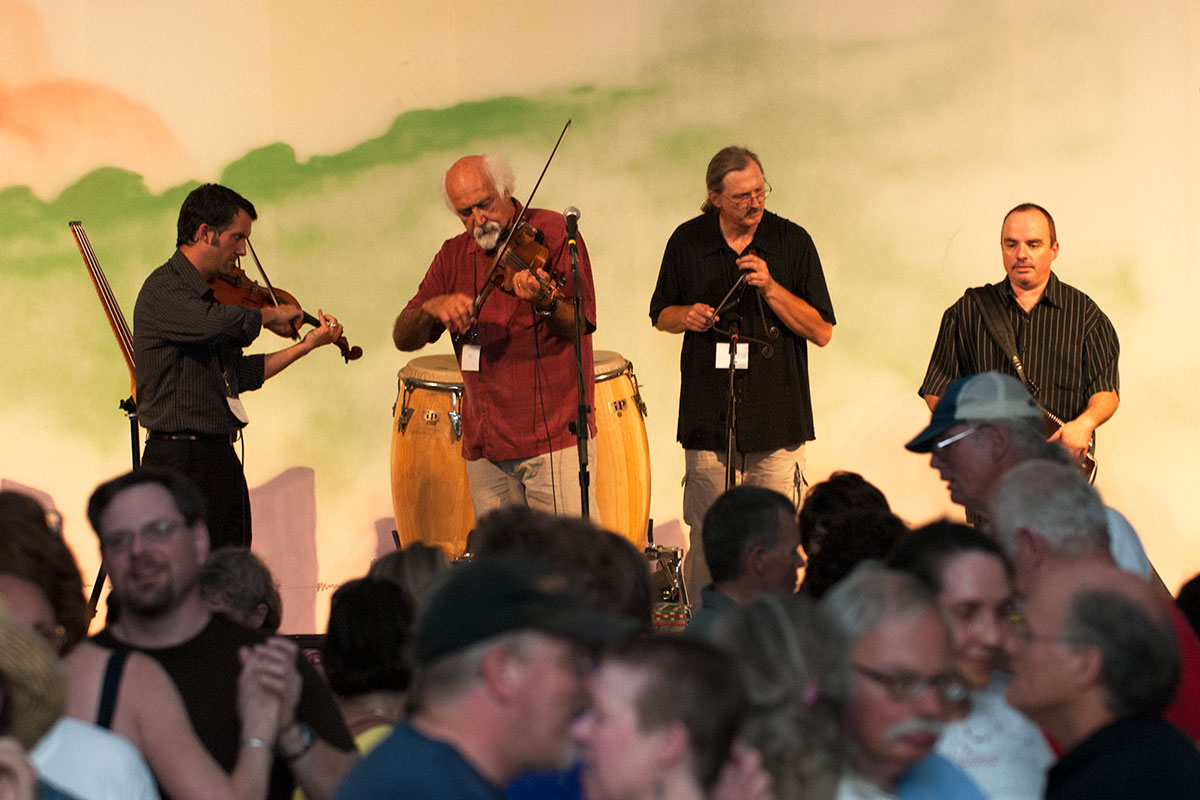
Cajun music is rooted in the songs and fiddle tunes of the Acadians—French speakers who migrated from France to Canada in the seventeenth century, and from Canada to Louisiana in the eighteenth century.

February 19, 2017, marked the 75th anniversary of President Franklin D. Roosevelt’s signing of Executive Order 9066, which authorized the exclusion of Japanese Americans from the West Coast during World War II.

In the face of colonization, migration, and other forces that cause people to leave home, those on the move often have few to no belongings to remind them of home. Instead, they must preserve traditions
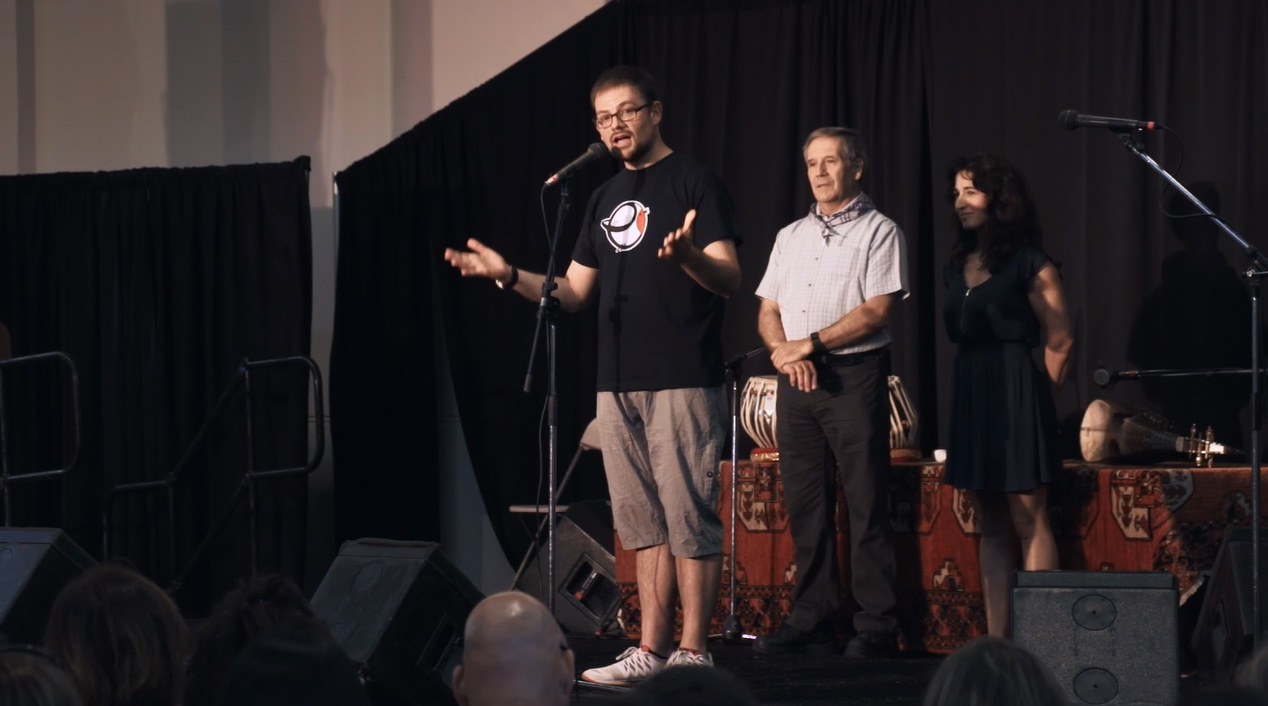
At Basque festivals, sporting events, and other ceremonial gatherings, it is traditional to invite bertsolariak to the stage to sing a greeting in rhymed verse.
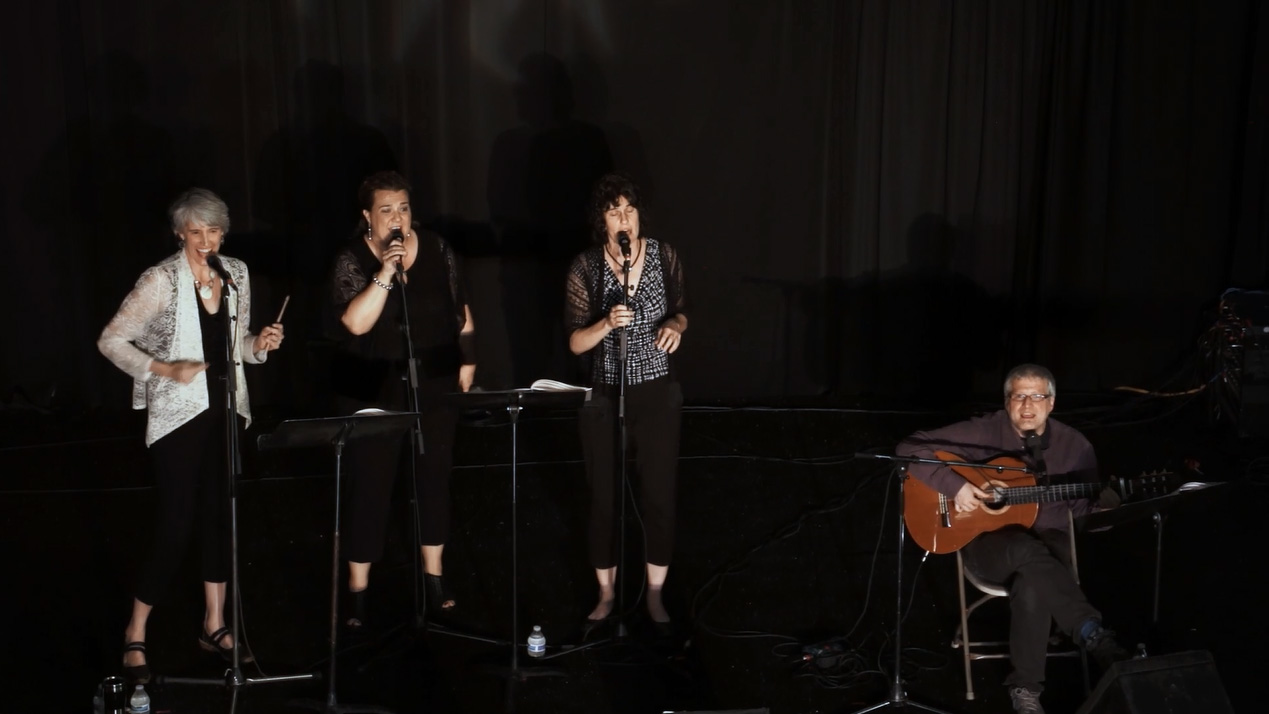
Although they were relocated indoors due to the hot summer storm ensuing outside, there couldn’t have been a better venue to hear the rich harmonies of NOKA and Mikel Markez.
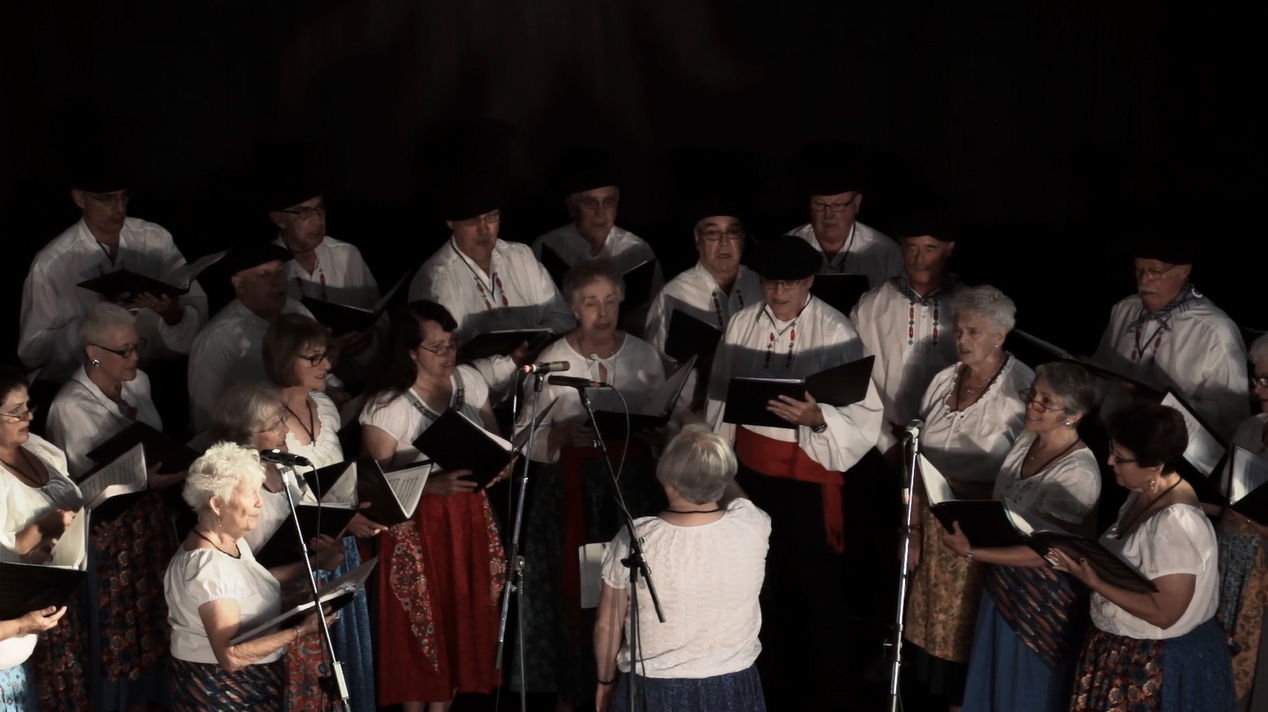
Beautiful landscape, delicious food, and melodious vocals—within this one song, the Biotzetik Basque Choir from Boise, Idaho, encapsulates three of the distinctive features of Basque culture.
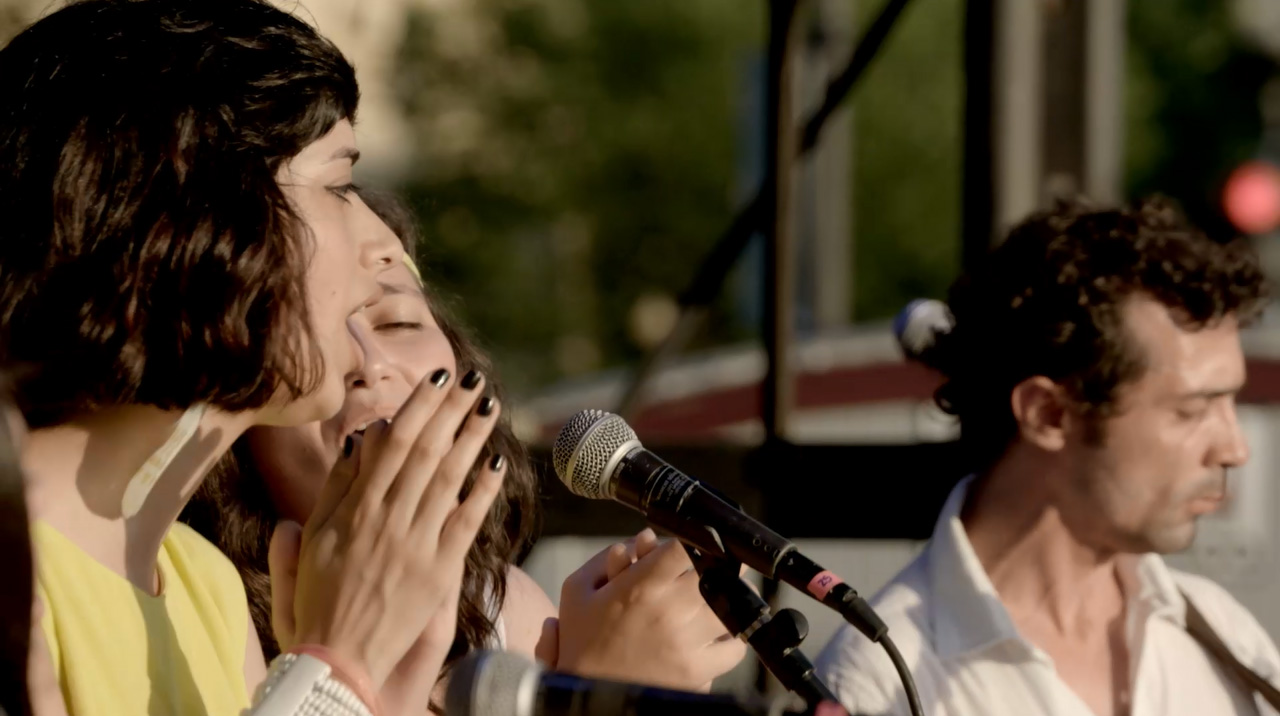
Smiles creep onto the performers’ faces as they catch each other’s eye, their uninhibited joy infecting the crowd.
Support the Folklife Festival, Smithsonian Folkways Recordings, Cultural Vitality Program, educational outreach, and more.