
more
Music
Posts tagged with Music
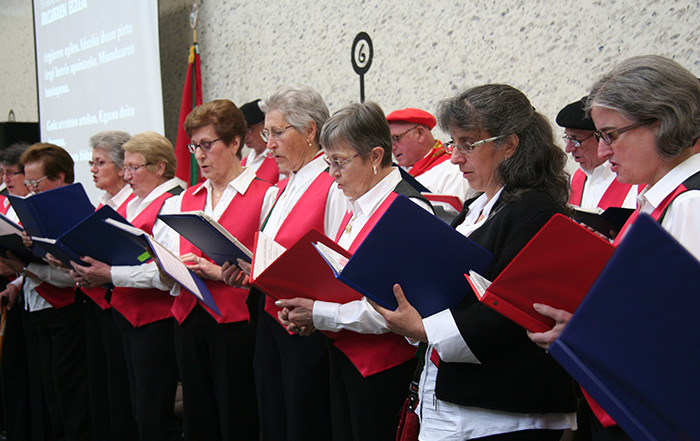
In France, to “sing like a Basque” means you sing “loudly, well, and often,” according to Mark Kurlansky’s Basque History of the World.
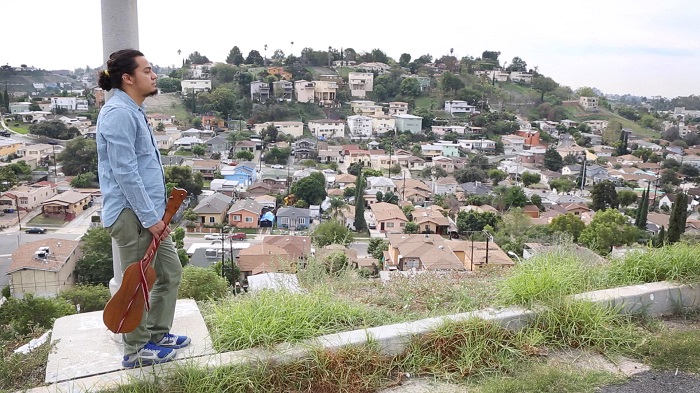
César Castro is a young master of son jarocho, a music genre that originated over 250 years ago in Veracruz, Mexico, combining Indigenous Mexican, African, Spanish, and Arabic influences

We recently heard from Sean Harris, one of the animators in the 2009 Wales Smithsonian Cymru program.

The frontón is a centerpiece of Basque community life. A pelota or handball court at its core, these spaces were once sides of village churches and now can be found in parks, community centers, and casinos in Basque Country and around the world.

We presented a related precursor Sounds of California event at the Oakland Museum of California on December 6, celebrating the power of music to express community identity, migration experiences, and cultural resilience.
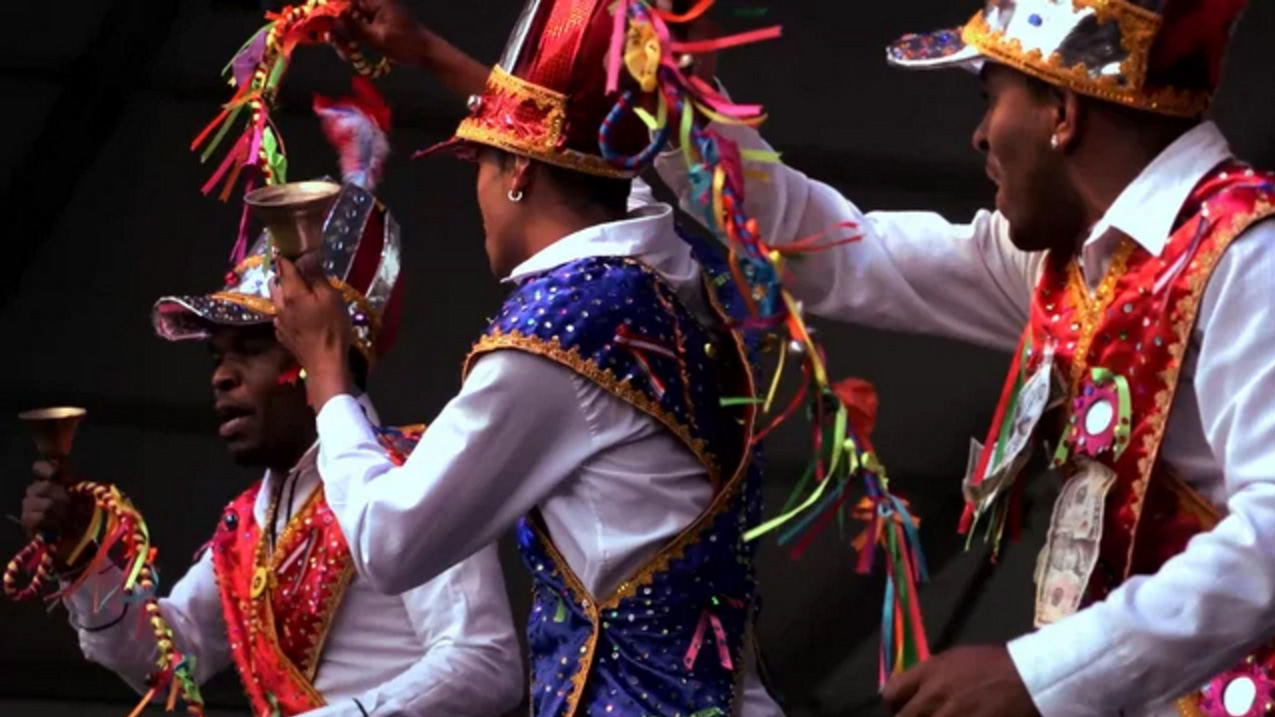
Members of the Afro-Peruvian group Tutuma use traditional songs and zapateo dance to continue the work of their father, Amador Ballumbrosio (the “godfather of Afro-Peruvian music”).

There I was, standing in front of the Smithsonian Folklife Festival main stage, with a circling sway of skirts and handkerchiefs. I was speechless. It was my second day in Washington, D.C., but for a fleeting instant I felt at home.
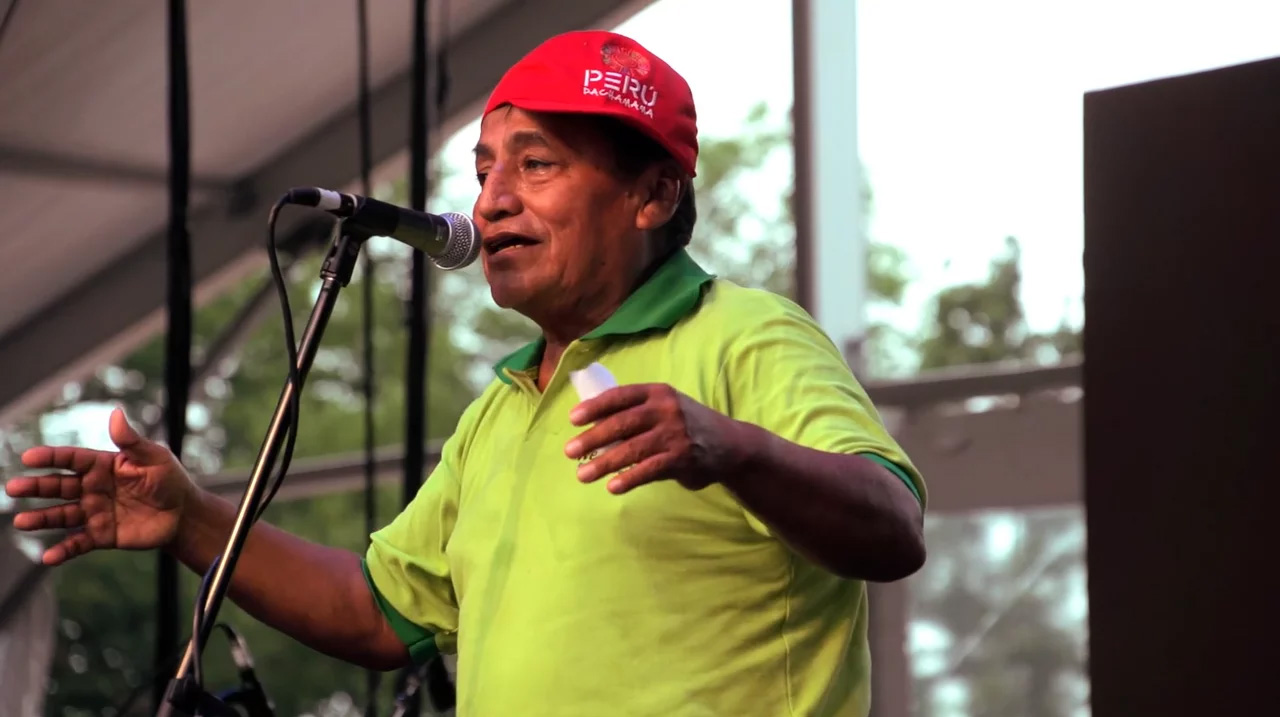
Every day of the 2015 Folklife Festival, the very traditional sounds of Peruvian mandolinas and charangos were often overpowered by the electric guitars of Los Wembler’s de Iquitos.
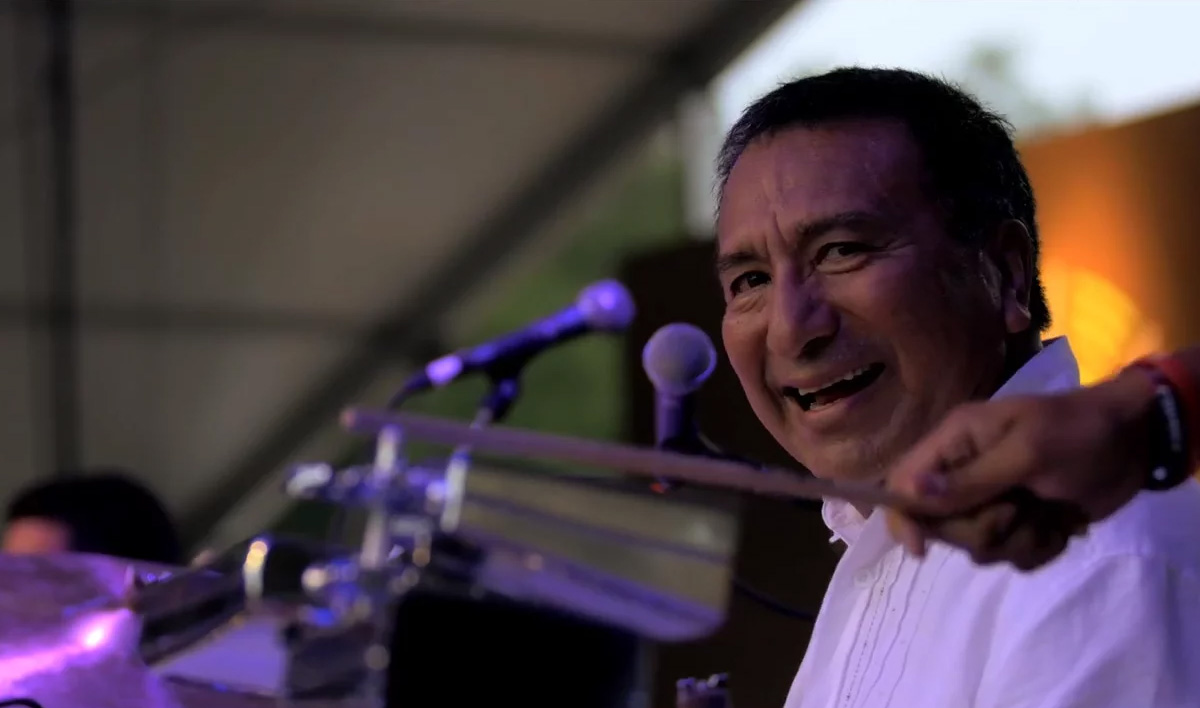
During an evening concert at the 2015 Folklife Festival, renowned percussionist Alex Acuña showed his native Peruvian musical influence in a jazz fusion flurry.
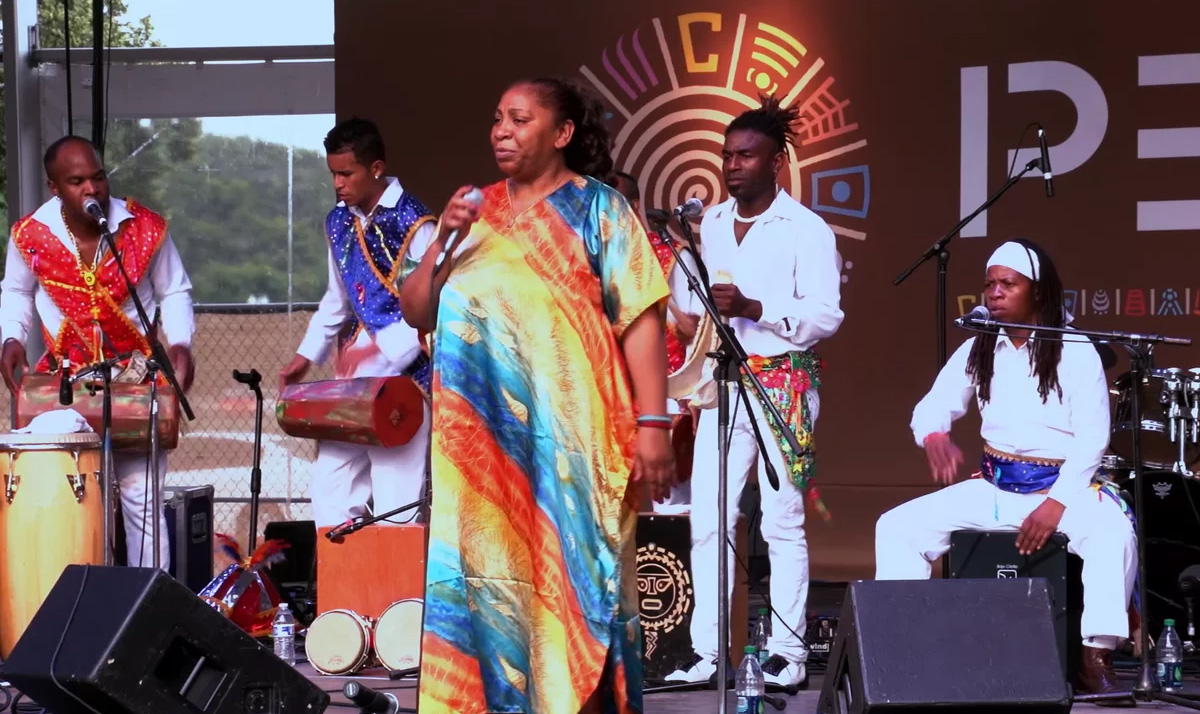
During the Community Concert on the last day of the 2015 Folklife Festival, vocalist Rosario Sonia Goyoneche Narciso led the Afro-Peruvian group Tutuma.
Support the Folklife Festival, Smithsonian Folkways Recordings, Cultural Vitality Program, educational outreach, and more.