

more
Music
Posts tagged with Music
Changes occur when ethnic music, which is typically passed down from generation to generation within a family in intimate settings, is institutionalized and commercialized
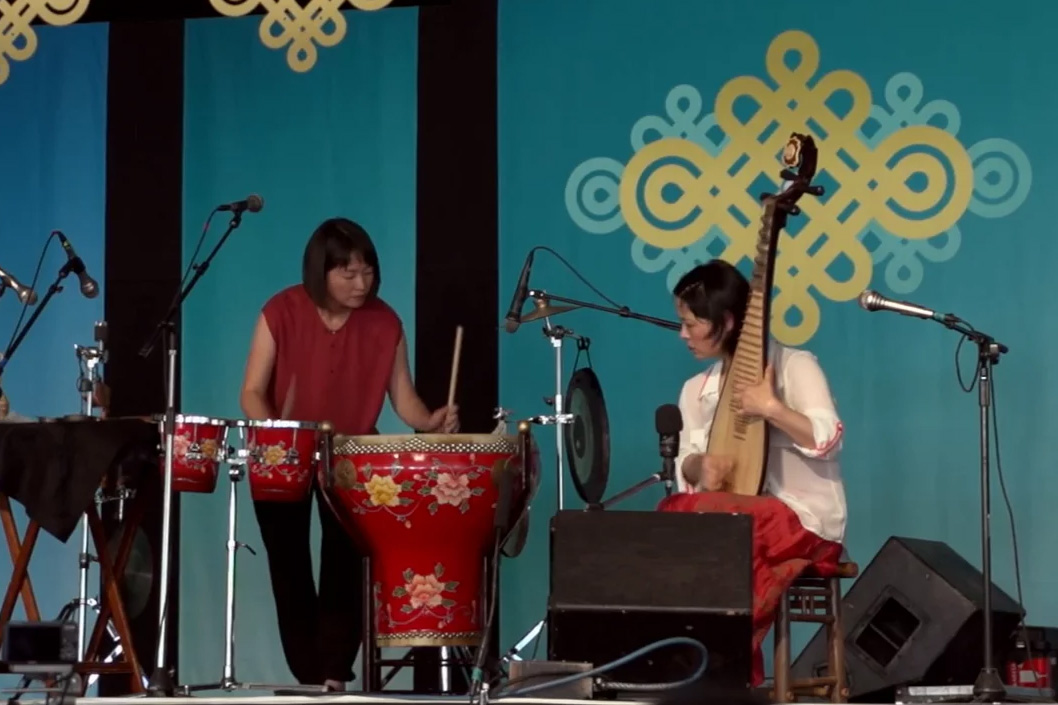
During the 2014 Smithsonian Folklife Festival, Wu Man performed an original composition on the pipa entitled “Night Thoughts,” based on a work by Chinese poet Li Bo.
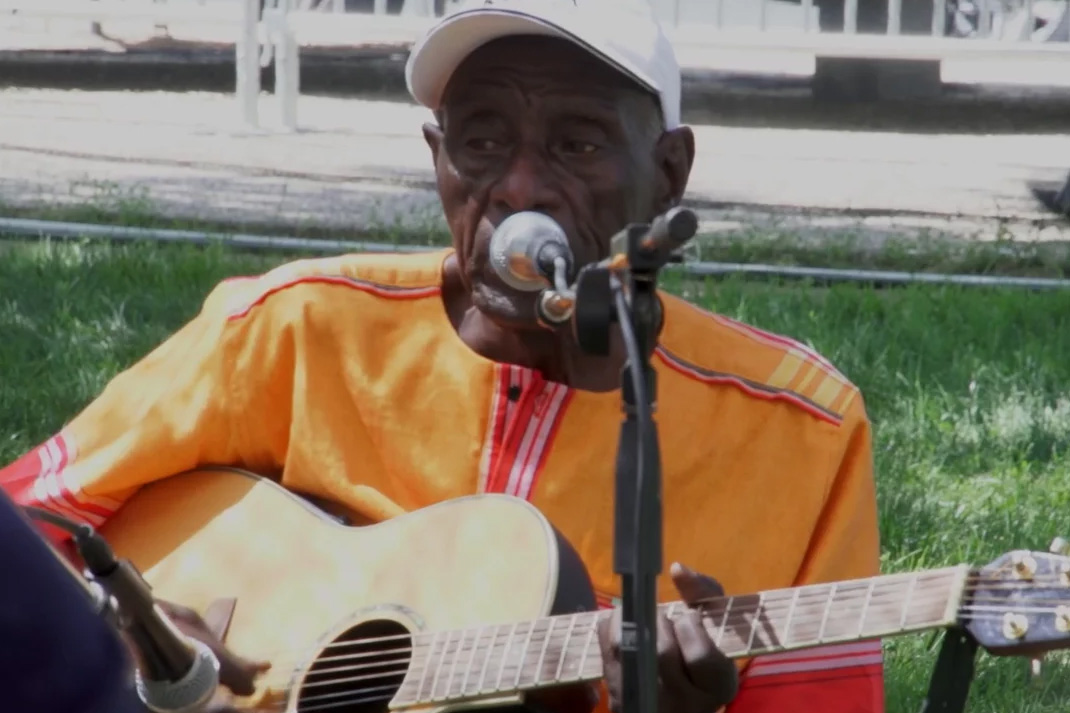
During one of the “Songs of Struggle” discussion sessions at the 2014 Smithsonian Folklife Festival’s Kenya program, musicians Peter Akwabi and John Nzenze performed a song that Nzenze originally wrote in 1963

China program coordinator Jing Li visited Songpan County in Sichuan Province to talk with Zewang Renqing and Geluo Zhaxi, the artists and brothers who performed Qiang polyphonic singing at this year’s Folklife Festival
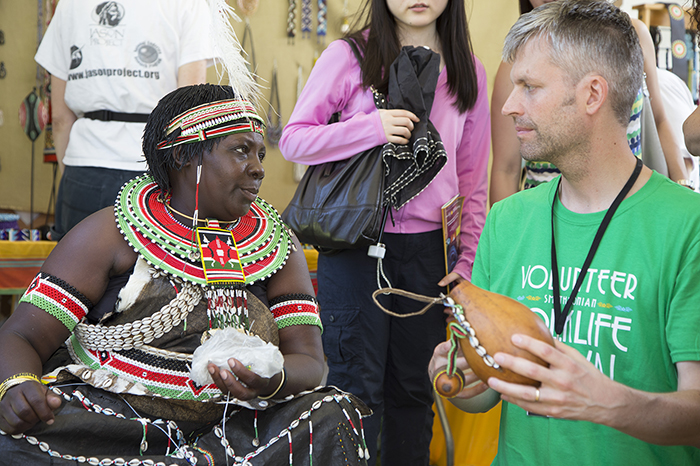
The Kenya: Mambo Poa program at the 2014 Smithsonian Folklife Festival invited two bead artists from Kenya: Susana Daniel Chemakwany and Susan Naserian Nketoria.
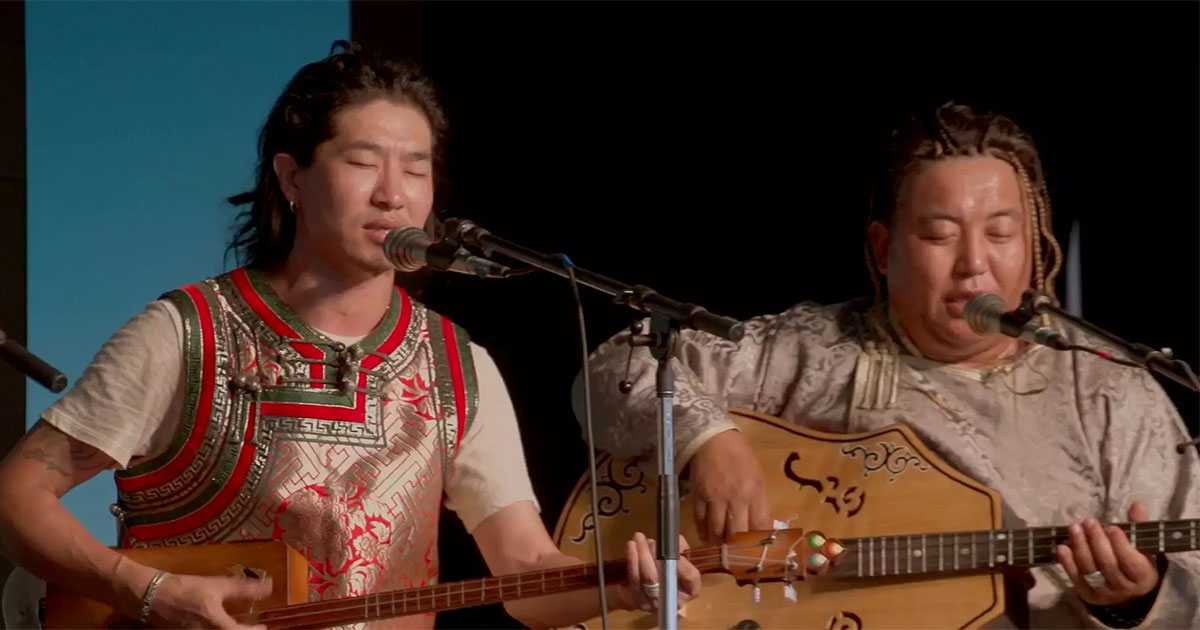
The Inner Mongolian ensemble Ih Tsetsn won over crowds at the 2014 Smithsonian Folklife Festival with their complex harmonies and high-energy music. Here, they perform a traditional song of worship, or song ge, praising the land and nature.
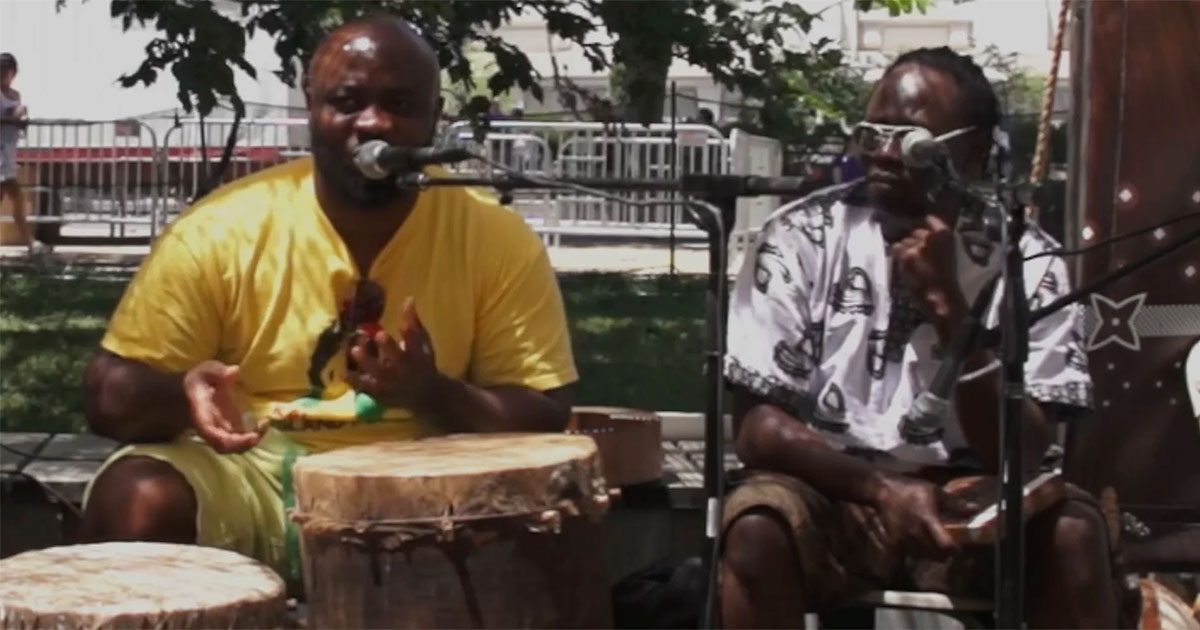
In a 2014 Smithsonian Folklife Festival workshop, Kenyan musicians Makadem, Justo and Joseck Asikoye, and Singing Wells project advisor Bill Odidi discussed music as a controversial form of socio-political expression and communication.

The Smithsonian Folklife Festival is an interactive festival where audience members engage directly with visiting artists to learn about their music, crafts, cooking, and more.
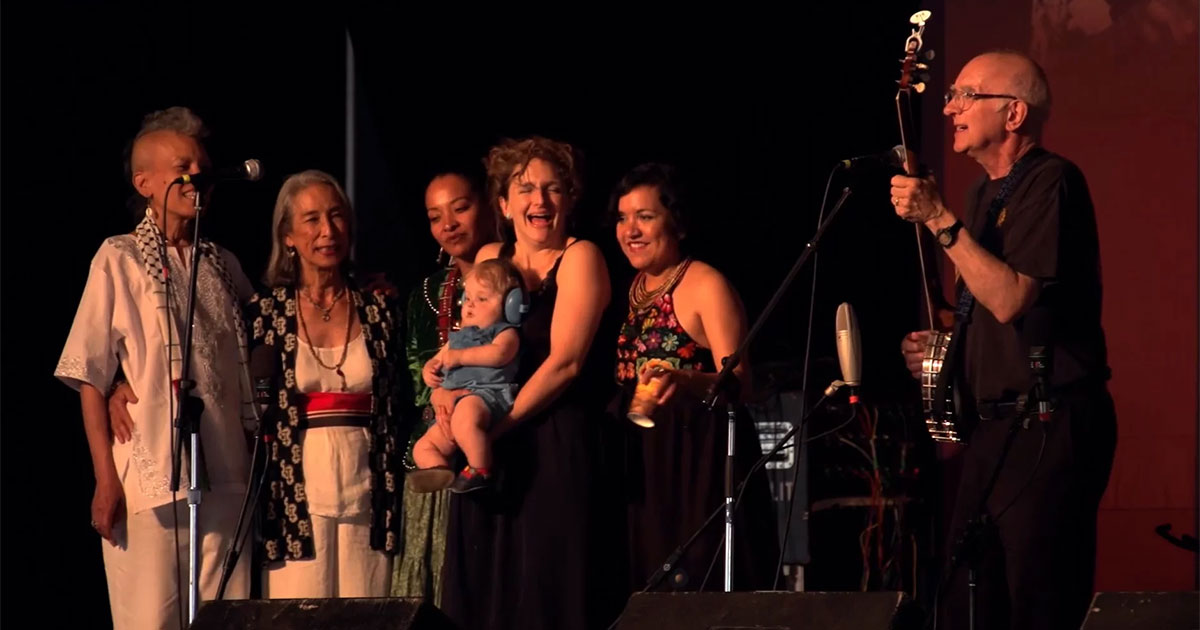
Banjo player and music scholar Tony Seeger, nephew of the late American icon and Smithsonian Folkways Recordings artist Pete Seeger (1919–2014)
Support the Folklife Festival, Smithsonian Folkways Recordings, Cultural Vitality Program, educational outreach, and more.