
more
Music
Posts tagged with Music
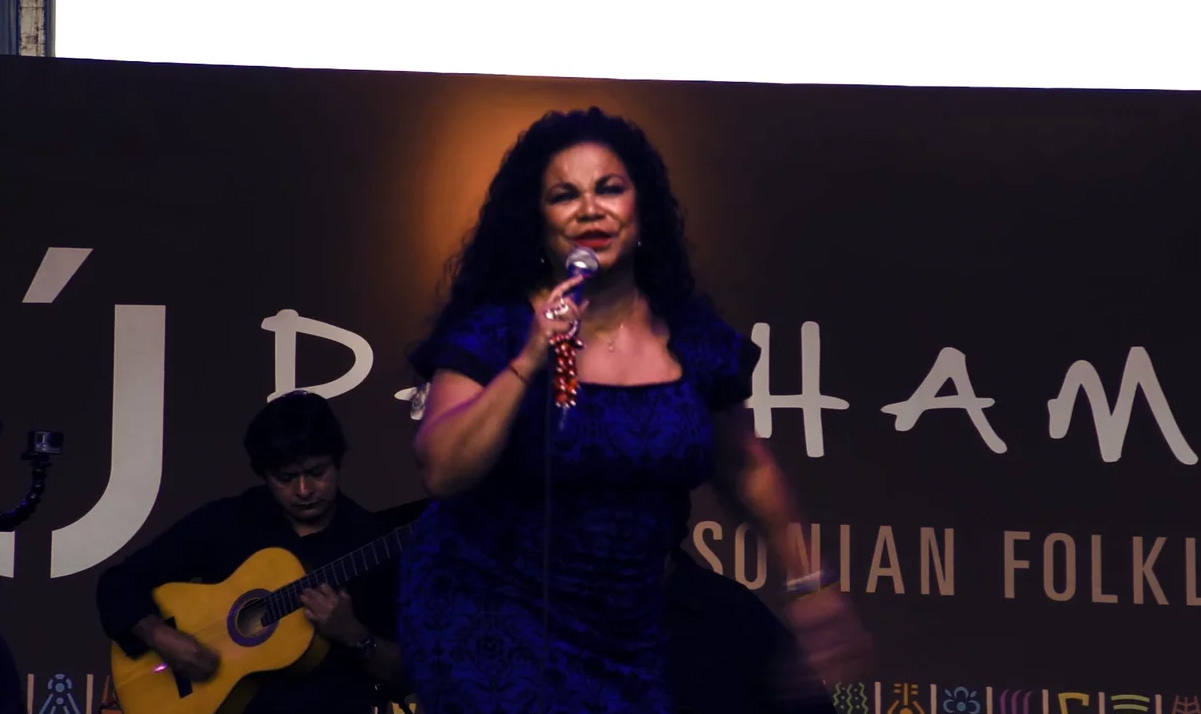
Eva Ayllón began singing and dancing as a young girl in Lima, carrying on traditions of Afro-Peruvian music: the combination of Andean, Spanish, and African influences, characterized by spirited rhythms.
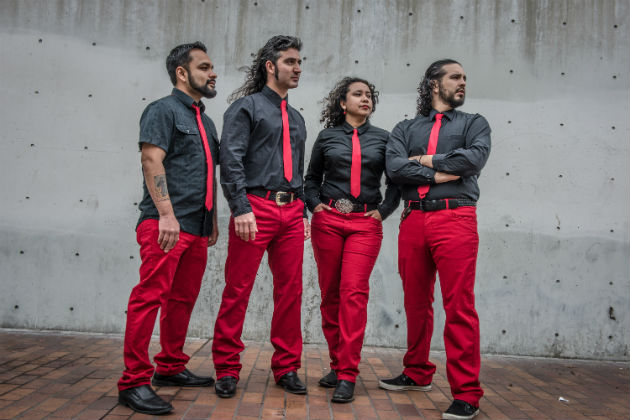
Chican@ music is not a genre, but rather an embodied experience. For almost one hundred years, musicians coming out of barrios in the southwestern United States have been articulating the complex identities and politics of a people.
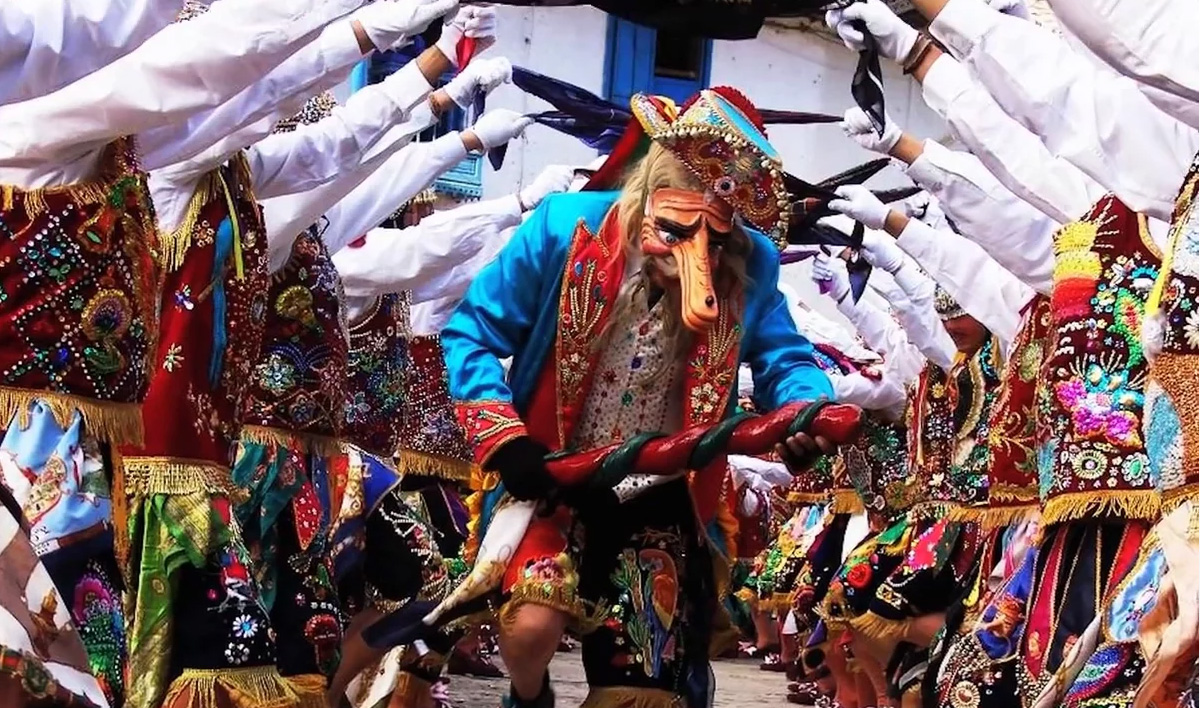
Meet the people and places featured in the Perú: Pachamama program in this introductory video for the 2015 Folklife Festival.

Now a Smithsonian Folkways Recordings artist based in Fresno, Agustín Lira continues to chronicle the experiences and little-known histories of Chicano, Indigenous, and immigrant communities in California.

The Peru program for the 2015 Folklife Festival has taken a more definite shape since we returned from our second curatorial fieldwork trip in December.
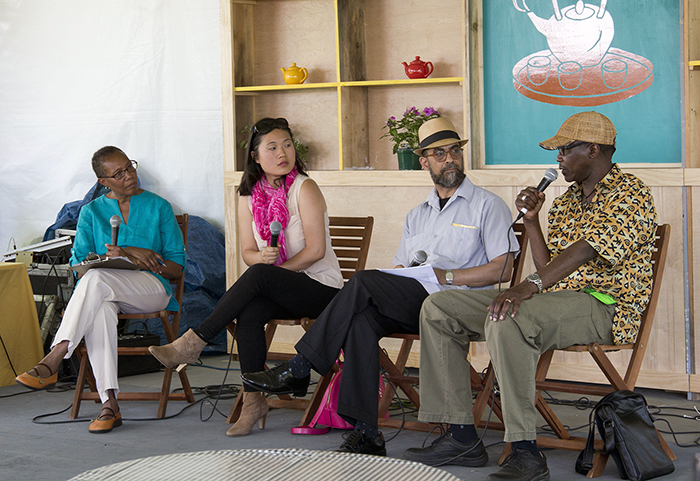
What is ethnic media and why is it relevant today? In this podcast, several figures active in ethnic media discuss its fundamental importance to societies across the world.

Songs with politically sensitive lyrics are often censored. In this discussion session from the 2014 Smithsonian Folklife Festival, panelists discuss how this happens across multiple geographies, and why musicians always find it meaningful to fight back.
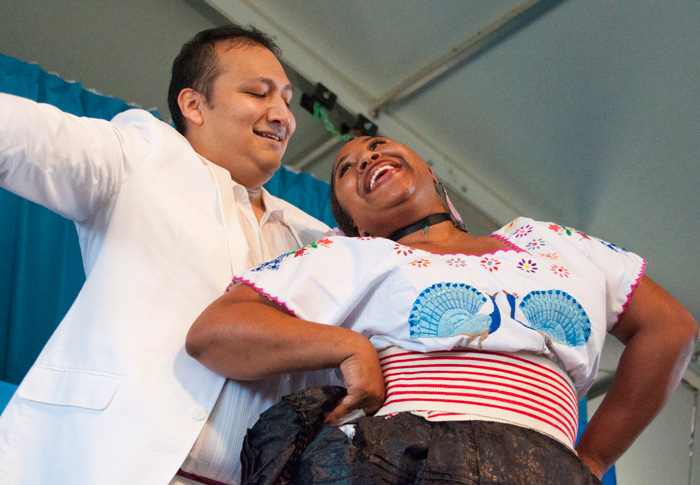
While Americans are dressing in costumes and going from house to house asking for candy on October 31, Peruvians will be celebrating their country’s criolla (creole) culture.
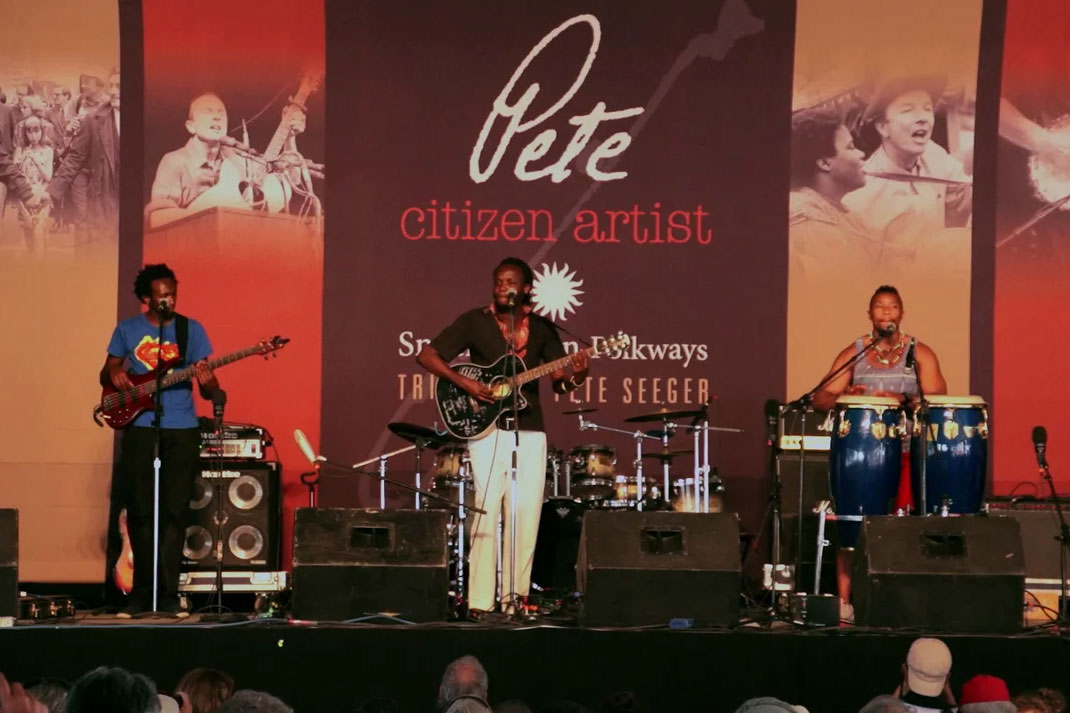
Winyo performed throughout the 2014 Folklife Festival, representing the Kenyan benga music scene. At the Ralph Rinzler Memorial Concert: Tribute to Pete Seeger, he played his song “Everything Is Okay.”
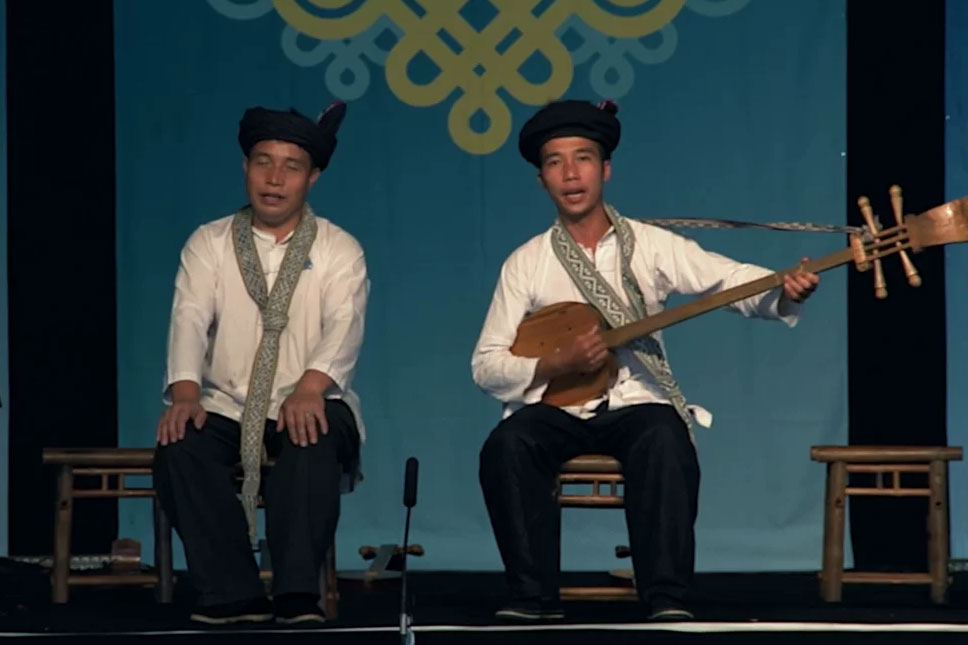
At the 2014 Smithsonian Folklife Festival, musician Qianchun Wu from the Dimen Dong Folk Chorus explains the stringed instruments common in their region of Guizhou Province, China.
Support the Folklife Festival, Smithsonian Folkways Recordings, Cultural Vitality Program, educational outreach, and more.