
more
2015 Festival
Posts tagged with 2015 Festival
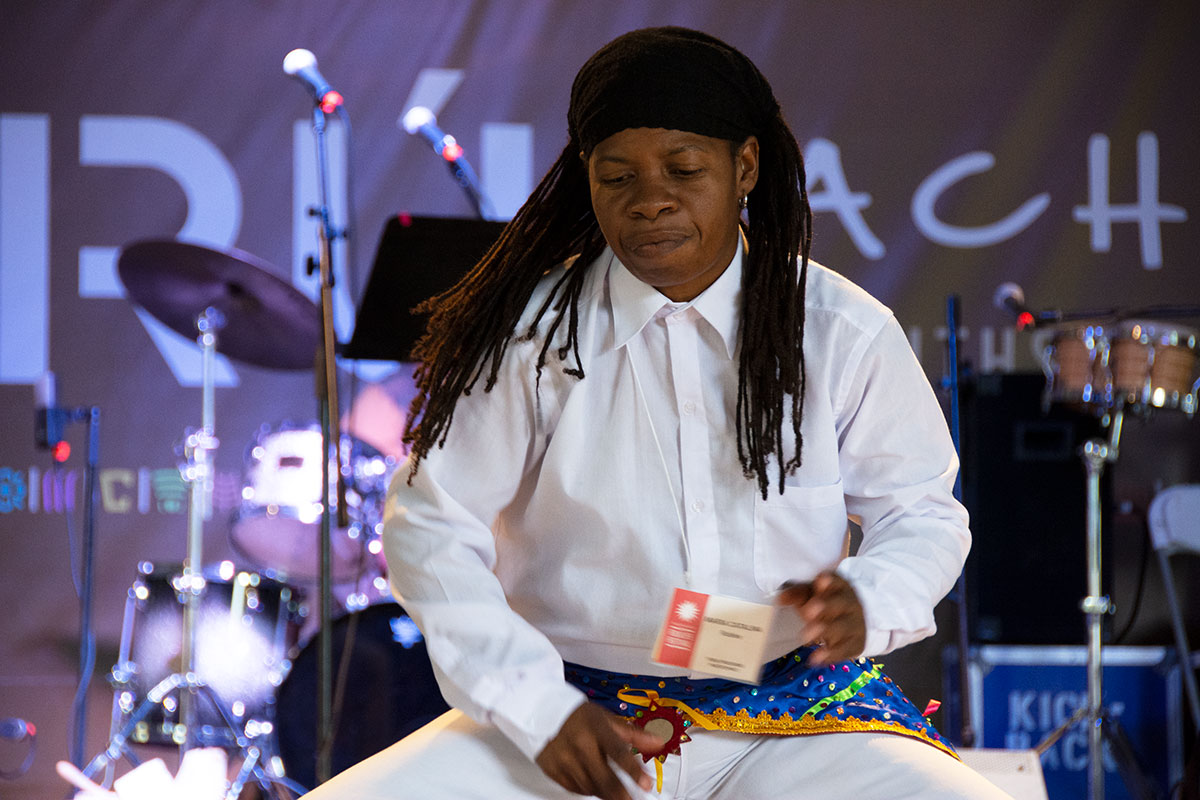
María Catalina Robles Izquierdo, renowned Afro-Peruvian musician and music educator, passed away on November 26.
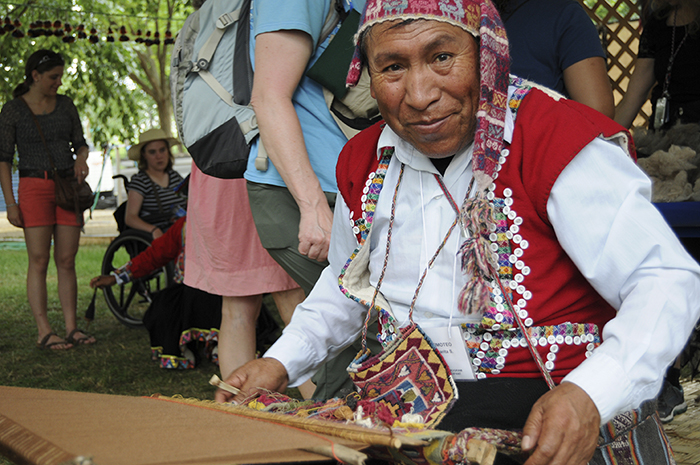
Long before the Perú: Pachamama artisans flew thousands of miles to grace the National Mall, Spanish colonists sailed thousands of miles to find indigenous communities inhabiting what would become the country of Peru.
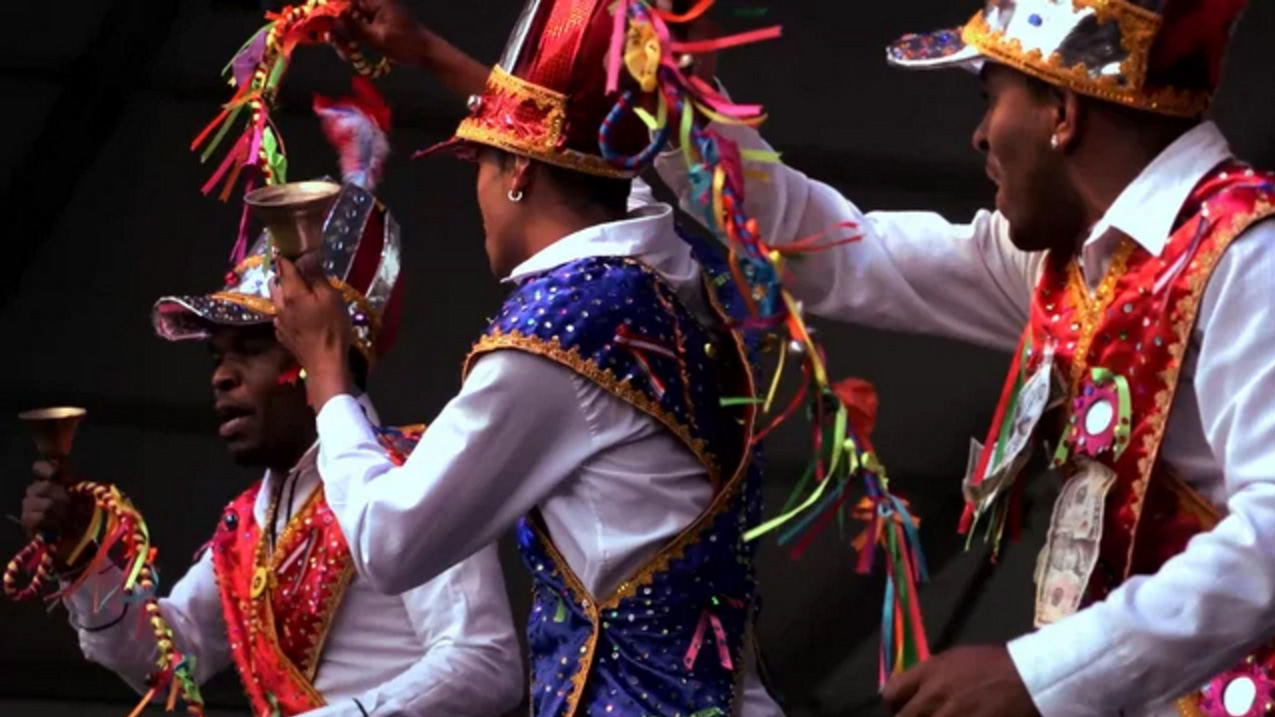
Members of the Afro-Peruvian group Tutuma use traditional songs and zapateo dance to continue the work of their father, Amador Ballumbrosio (the “godfather of Afro-Peruvian music”).

There I was, standing in front of the Smithsonian Folklife Festival main stage, with a circling sway of skirts and handkerchiefs. I was speechless. It was my second day in Washington, D.C., but for a fleeting instant I felt at home.
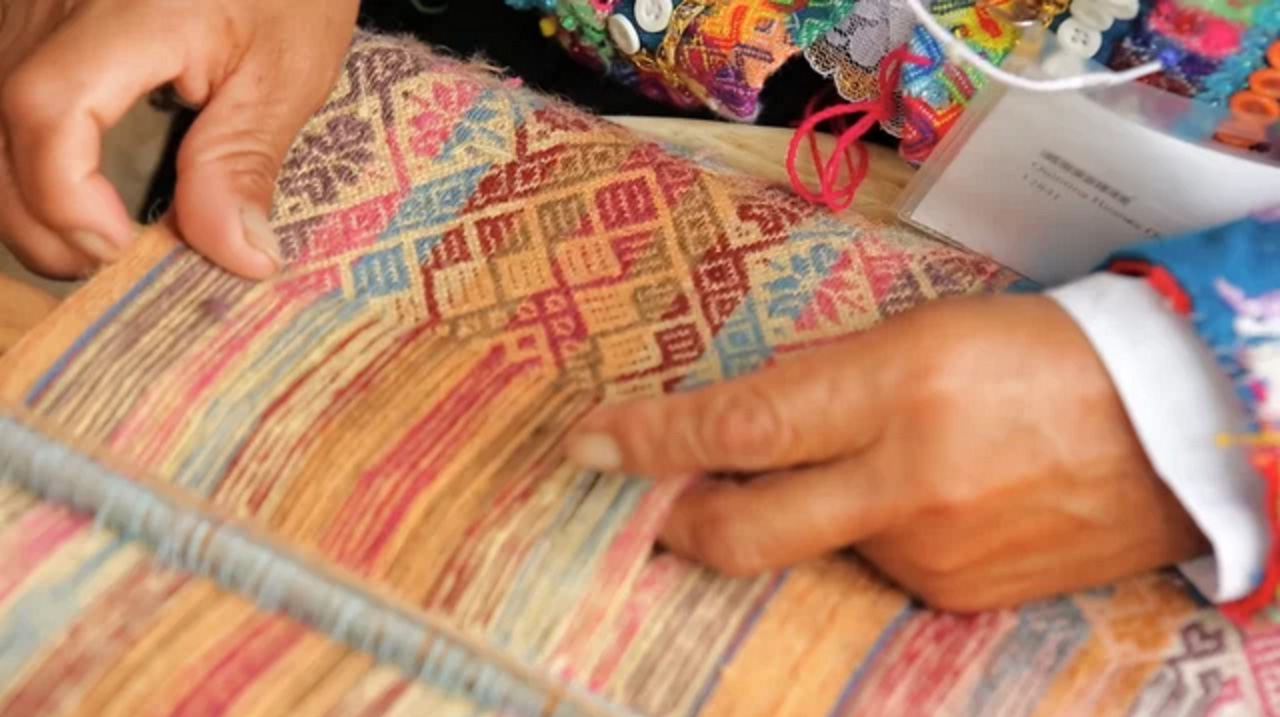
At the 2015 Festival, Nilda Callañaupa Alvarez represented the textile artisans from Chinchero in Cusco, Peru.
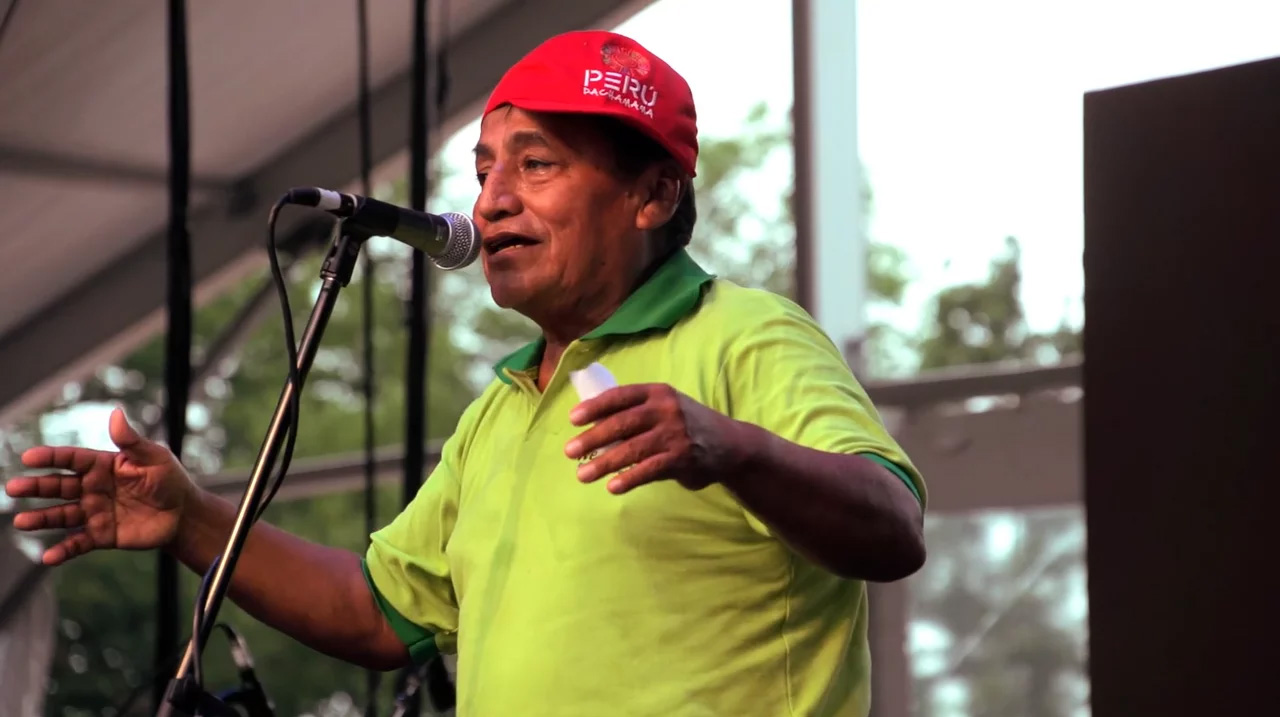
Every day of the 2015 Folklife Festival, the very traditional sounds of Peruvian mandolinas and charangos were often overpowered by the electric guitars of Los Wembler’s de Iquitos.
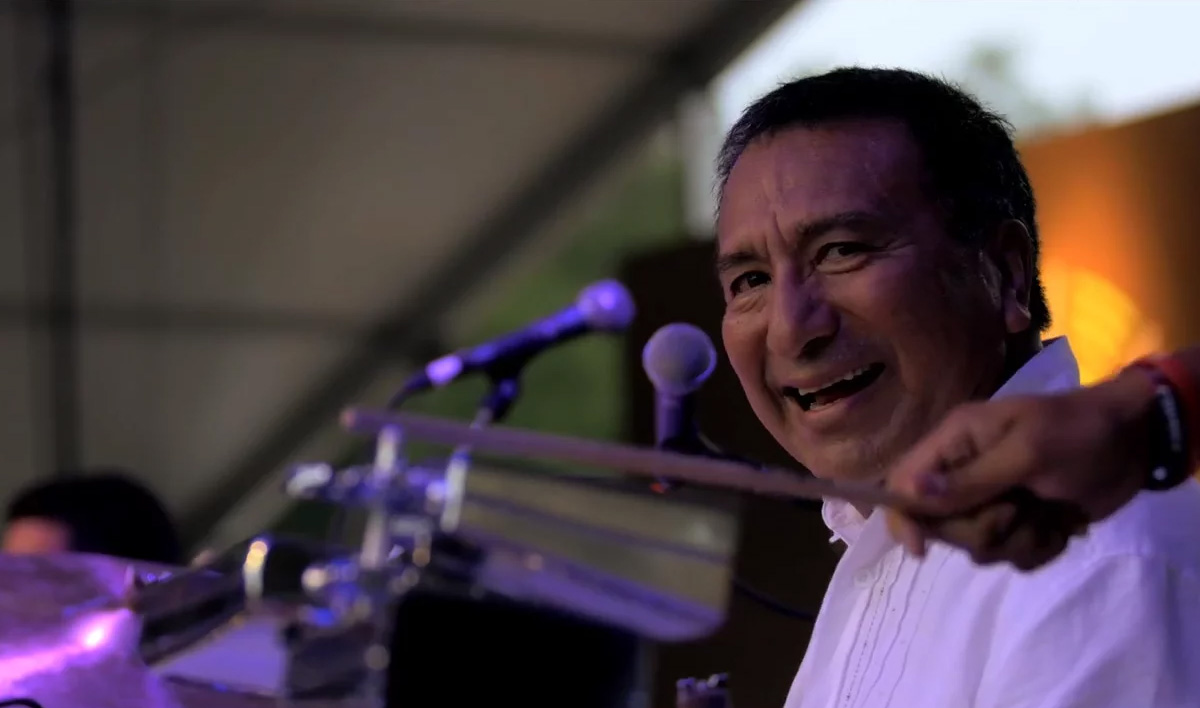
During an evening concert at the 2015 Folklife Festival, renowned percussionist Alex Acuña showed his native Peruvian musical influence in a jazz fusion flurry.
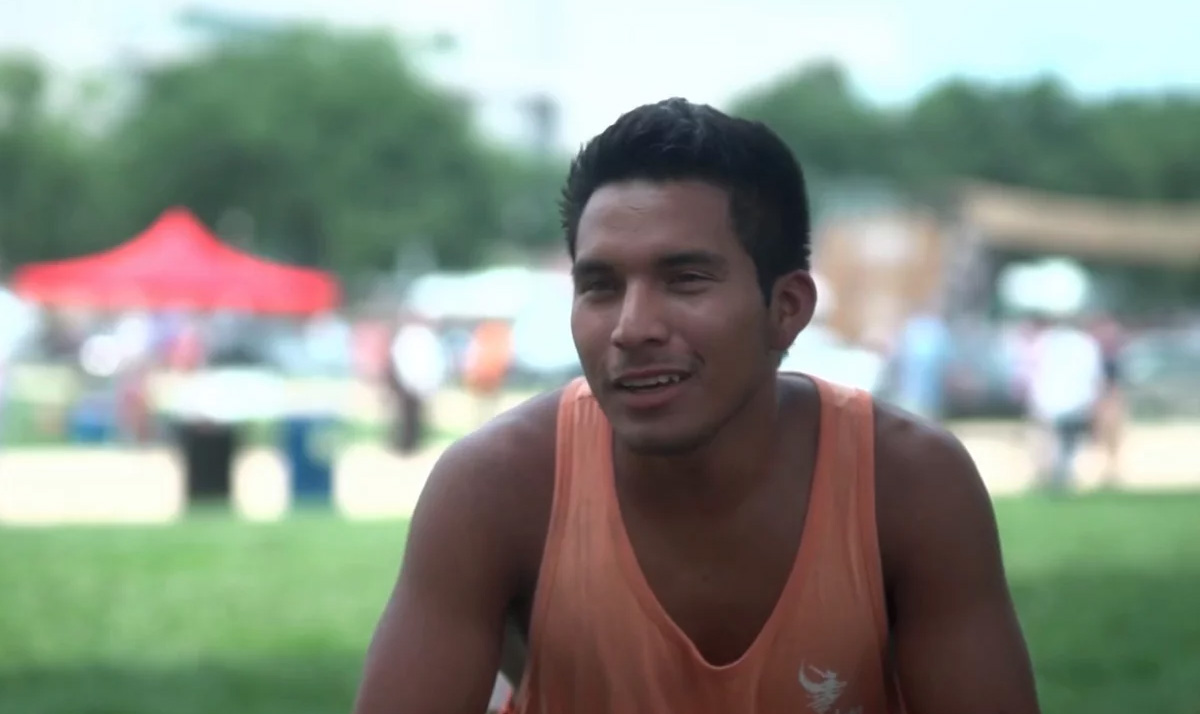
Matteo Valderrama Piminchumo shares his Peruvian communities' tradition of woven reed rafts called caballitos de totora.
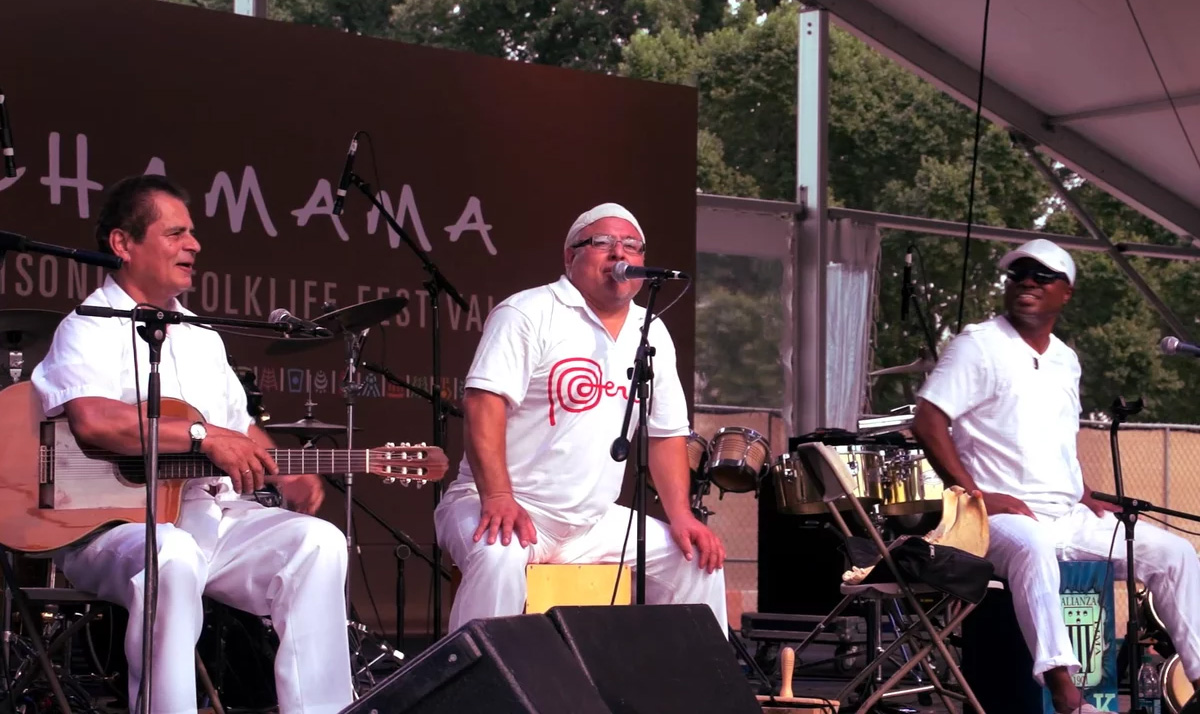
Peru Gozando, a folk band based in Falls Church, Virginia, returned to the Folklife Festival for a special Community Day performance.
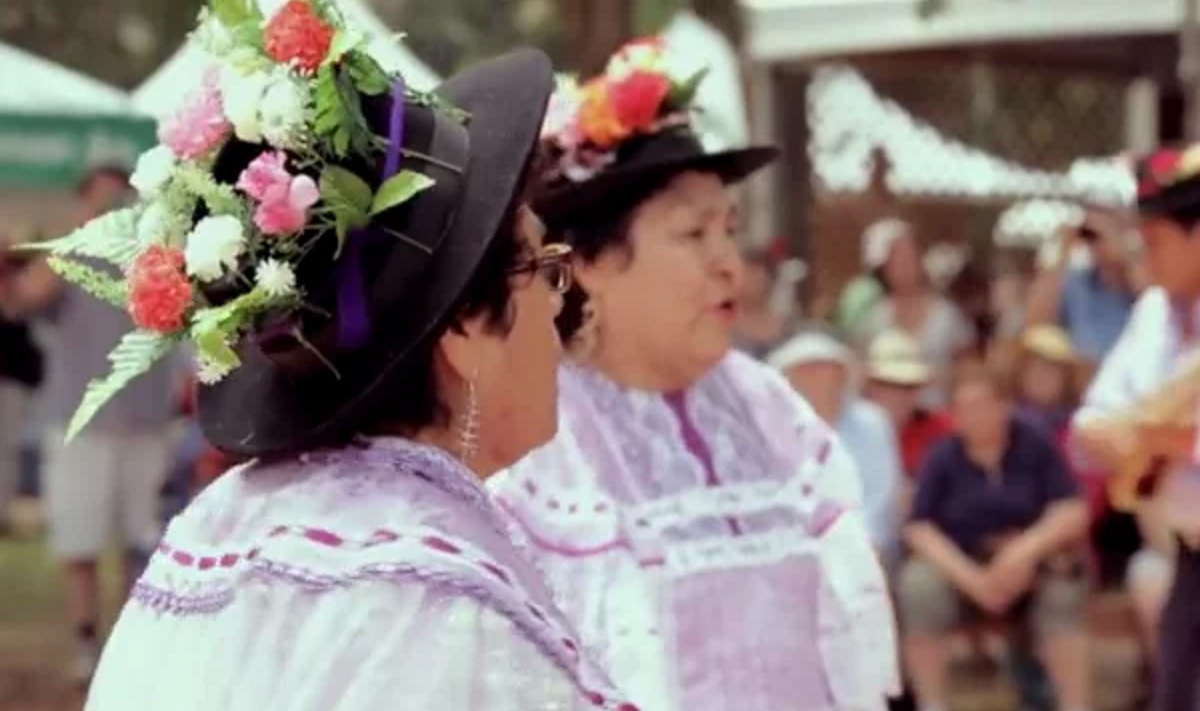
Behind every great dance is a rich and complex history. The danza Sarawja, presented at the 2015 Folklife Festival, exemplifies the mix of Spanish and pre-Inka traditions in Peru.
Support the Folklife Festival, Smithsonian Folkways Recordings, Cultural Vitality Program, educational outreach, and more.