

more
2015 Festival
Posts tagged with 2015 Festival
Last year, my father went to Peru for research. He came back with a myriad of anecdotes, one of which really caught my attention: “We went into a small restaurant, which was almost a kitchen, and my cousin ordered a cuy.

Hanging across the Apurímac River in Huinchiri, Peru, is the world’s last remaining traditional Inka rope bridge: the Q’eswachaka.
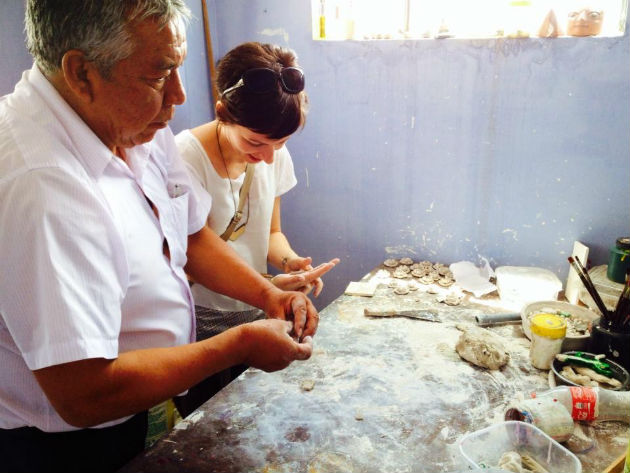
Two hundred miles southeast of Lima, Ayacucho has a rich craft heritage—ceramics, painted tin, masks, and retablo (story boxes)—with techniques rooted in Wari culture of this Andean region from about 500 to 1000 AD.

Born in the town of Moche in northern Peru, Ronald Fernández has dedicated his life to preserving and promoting the traditional Mochera style of Marinera, the national dance of Peru.
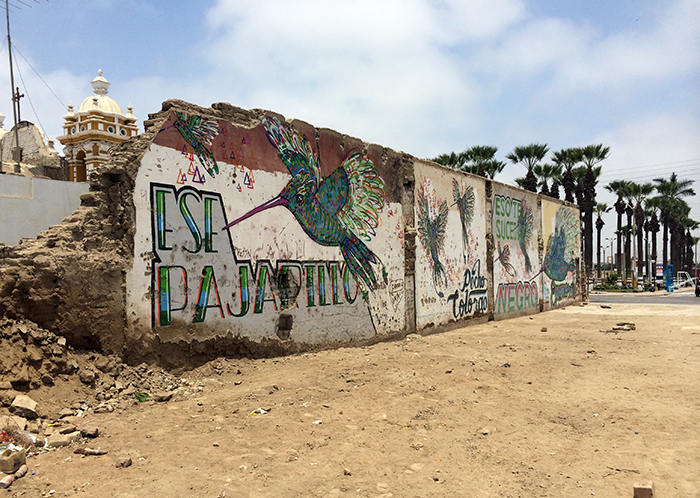
Our travels helped us better understand Peruvian folklife, and by the end I was absolutely sure of at least one thing: Peru must be the world’s No. 1 consumer of paint.
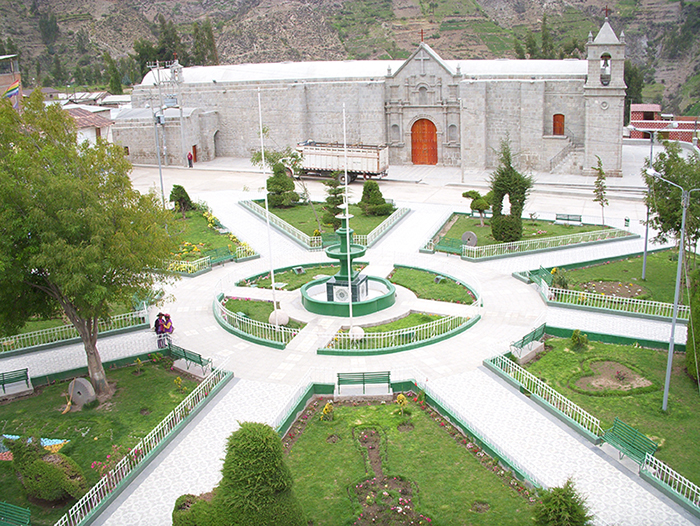
Since time immemorial, the Peruvian town of Carumas, set deep in the Ticsani valley in the Moquegua Region, has been the center of a great diversity of religious celebrations.
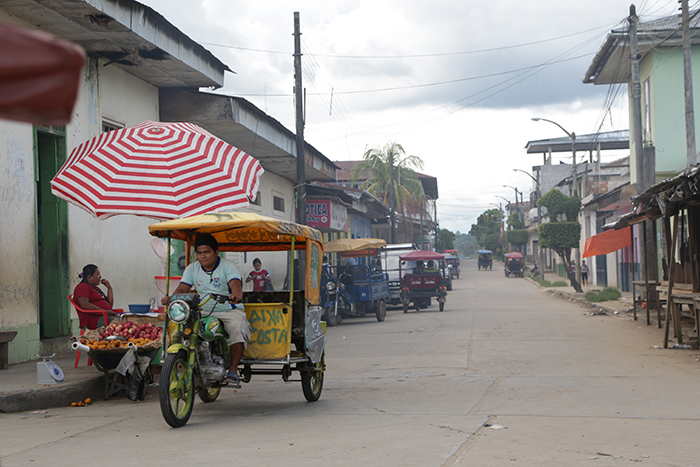
A mototaxi is a small vehicle with three wheels that uses a small, loud motorcycle motor, generally serving as a means of public transportation. The mototaxi, also known as motocar or moto, is prominent all over Peru
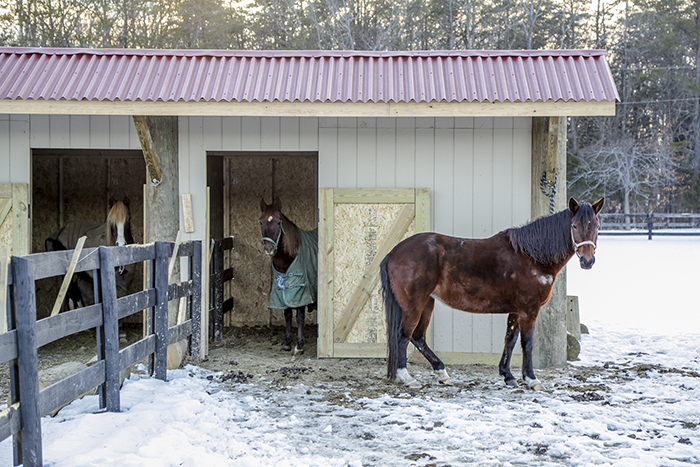
The story of the Peruvian Pasos begins with the arrival of the Spanish to South America. Because the conquistadors arrived on the coast of Peru, their horses had to adapt to walking in the sand.

The Peru program for the 2015 Folklife Festival has taken a more definite shape since we returned from our second curatorial fieldwork trip in December.
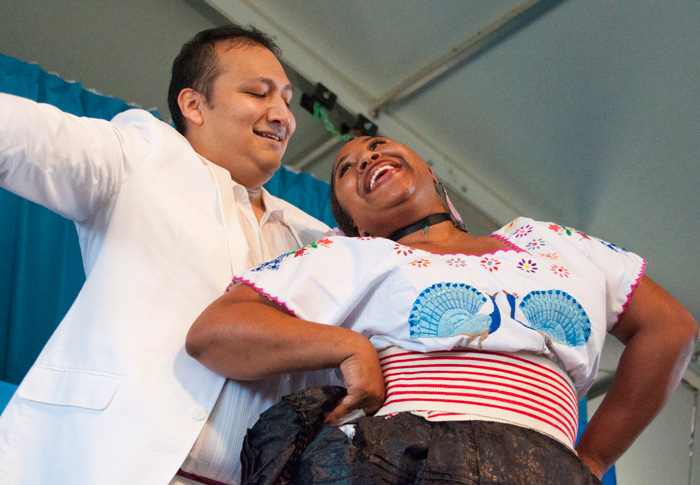
While Americans are dressing in costumes and going from house to house asking for candy on October 31, Peruvians will be celebrating their country’s criolla (creole) culture.
Support the Folklife Festival, Smithsonian Folkways Recordings, Cultural Vitality Program, educational outreach, and more.