
more
2016 Festival
Posts tagged with 2016 Festival
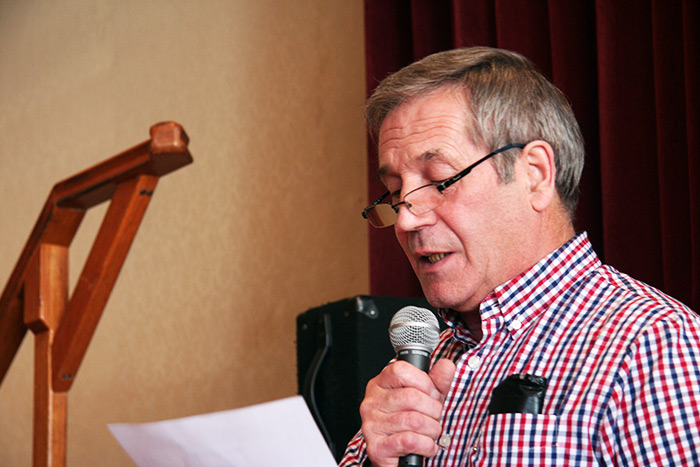
Quick wits, a keen ear, a powerful voice, and a thousand rhymes—these are the instruments of the Basque bertsolari.

The Folklore Society of Greater Washington is dedicated to preserving and promoting traditional folk arts in the Washington, D.C., metropolitan area.
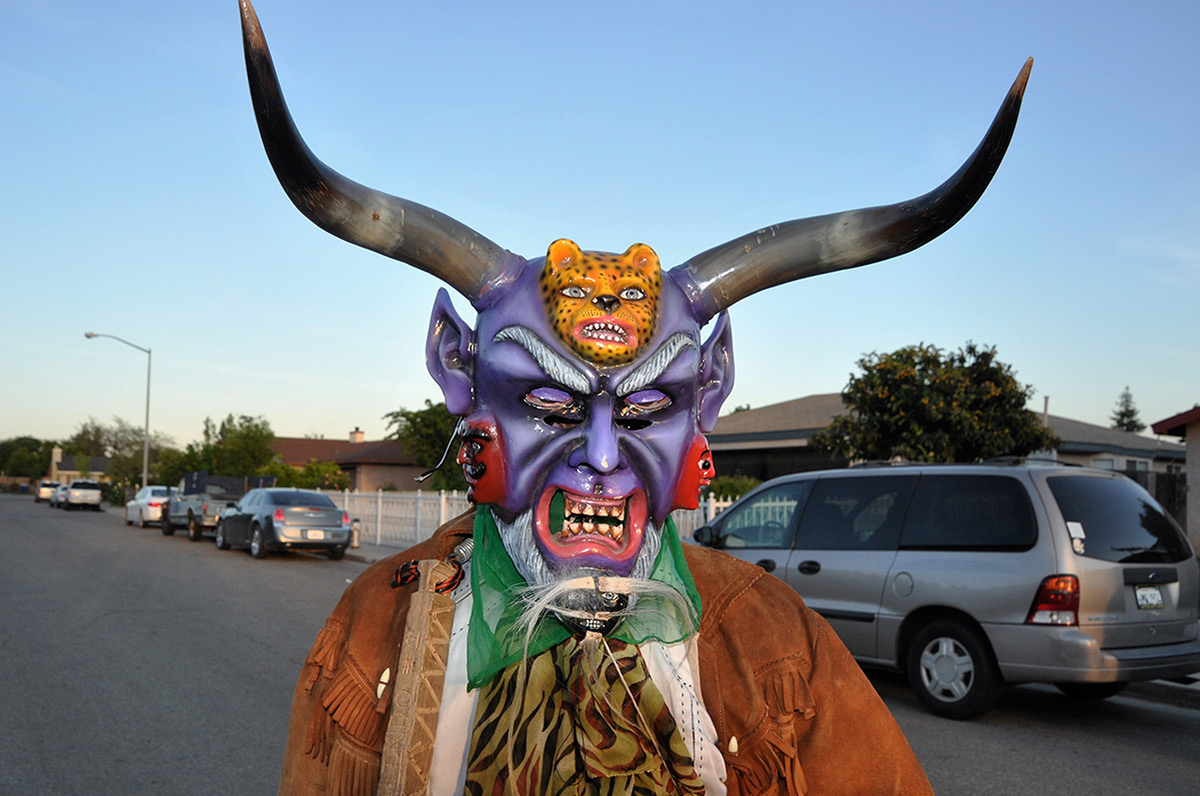
In the agricultural heart of California’s San Joaquin Valley, stretching 250 miles from Stockton in the north to Bakersfield in the south, two groups of artists uphold the performance traditions of their Mixteco communities.
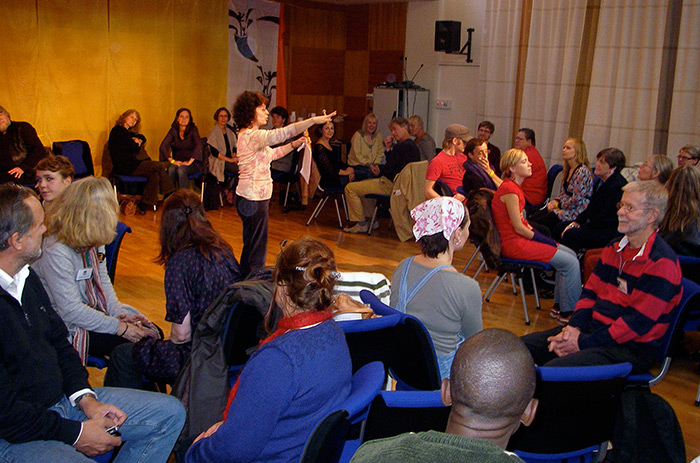
“I always thought I would go home,” storyteller Noa Baum said one rainy morning over hot chocolate and cappuccino. “I never planned or imagined I would stay in America.”
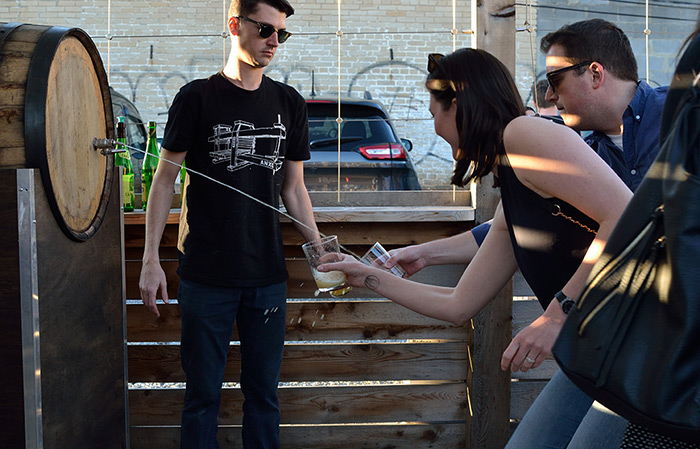
“Alright, everybody! Txotx!” With this exclamation, Tim Prendergast (beverage director at ANXO Cidery & Pintxos Bar) flips a lever on a large oak cask

On the Move: Migration and Immigration Today, an activity and presentation space at this year’s Folklife Festival, will draw from our Basque and California programs to invite visitors to reflect on their own immigration and migration experiences.
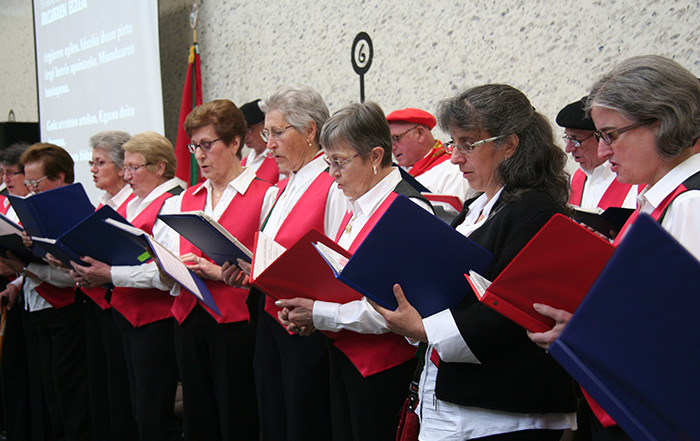
In France, to “sing like a Basque” means you sing “loudly, well, and often,” according to Mark Kurlansky’s Basque History of the World.

“What a beautiful building! As I told you, the world is a curious place.” Bernat Vidal sent me this response after I emailed him a photograph of the Smithsonian Castle, the institution’s iconic red brick building on the National Mall.
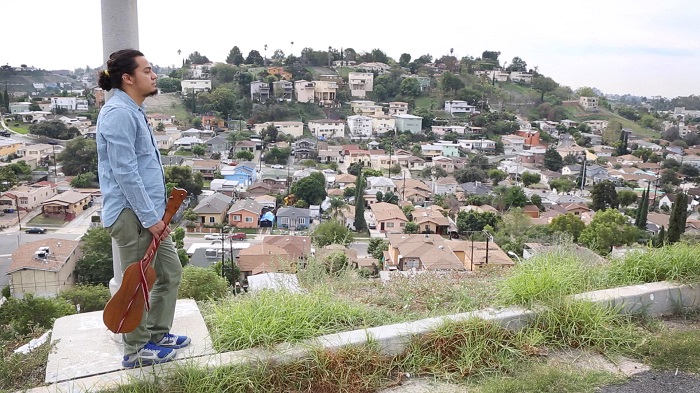
César Castro is a young master of son jarocho, a music genre that originated over 250 years ago in Veracruz, Mexico, combining Indigenous Mexican, African, Spanish, and Arabic influences

The frontón is a centerpiece of Basque community life. A pelota or handball court at its core, these spaces were once sides of village churches and now can be found in parks, community centers, and casinos in Basque Country and around the world.
Support the Folklife Festival, Smithsonian Folkways Recordings, Cultural Vitality Program, educational outreach, and more.