

more
Crafts
Posts tagged with Crafts
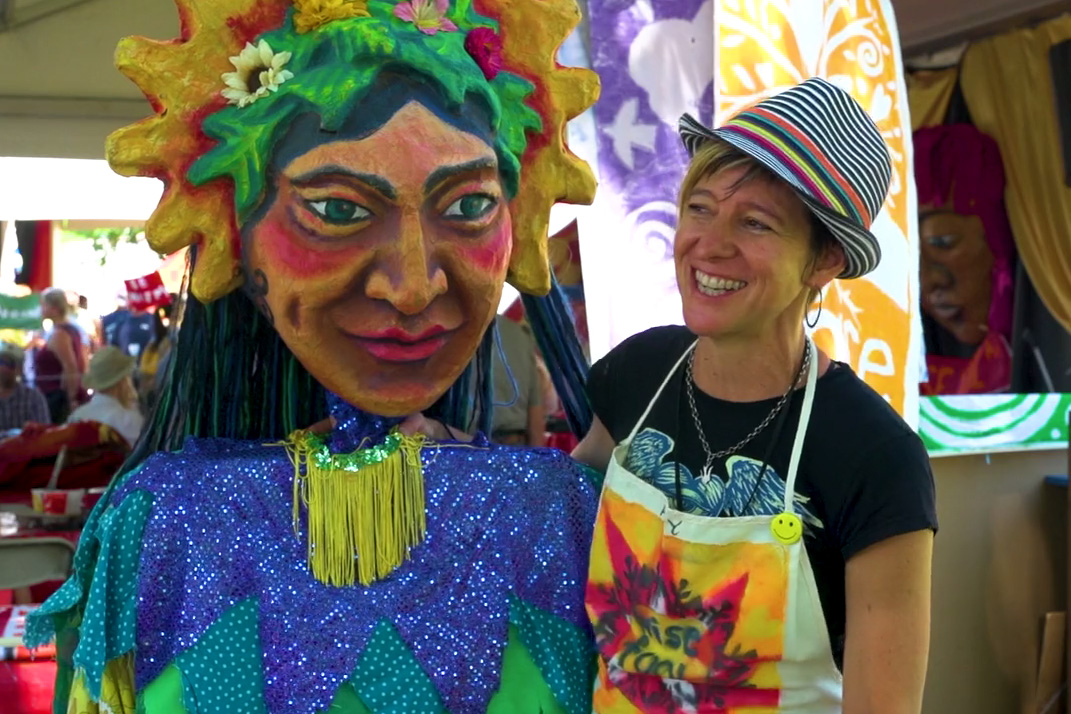
Artistic director Amy Christian explains the group’s origins and the social impact of circus.
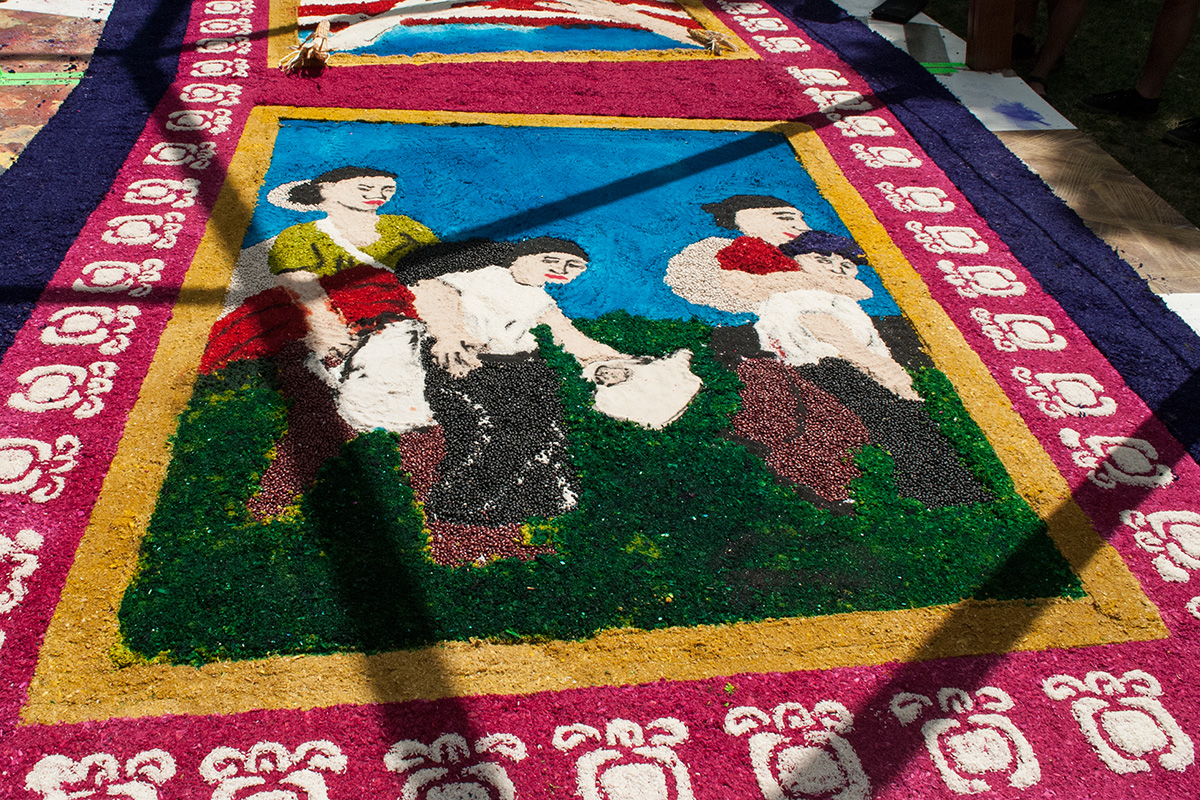
Whether we migrate by foot, land, water, or air, these journeys continue even after arrival with new challenges. Along the way, we discover our resilience.
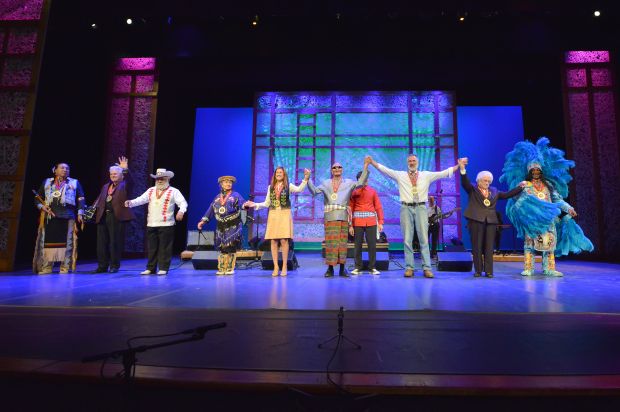
As we approached the thirty-fourth anniversary of the NEA National Heritage Fellowships, the Folk and Traditional Arts staff at the National Endowment for the Arts began to review

Although busily carving a piece for the Smithsonian at the time, Basque stonecarver Bernat Vidal happily agreed to put his work aside when we asked if he had time for an interview.
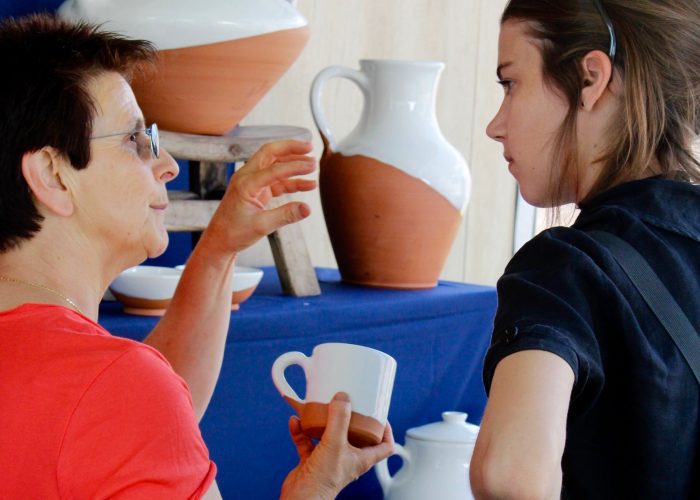
During the Folklife Festival, I found myself repeatedly drawn to the Basque pottery tent where ceramicist Blanka Gomez de Segura worked through each day on her wheel.

The western edge of the Basque: Innovation by Culture program at the 2016 Folklife Festival took visitors straight into Portua, or “the port.”

One of the most telling marks of mastery is the apparent ease with which an artist approaches his or her craft—the willingness with which the material complies with their hand, chisel, brush, or hammer to form the objects we admire.
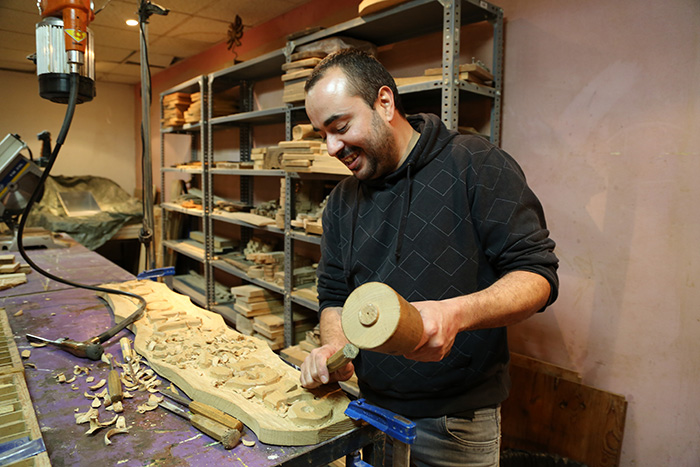
They say if you cut down a tree and count the rings, you can tell how old the tree is. In this sense, wood acts as an interesting relative-dating mechanism.

“What a beautiful building! As I told you, the world is a curious place.” Bernat Vidal sent me this response after I emailed him a photograph of the Smithsonian Castle, the institution’s iconic red brick building on the National Mall.
Support the Folklife Festival, Smithsonian Folkways Recordings, Cultural Vitality Program, educational outreach, and more.