
more
Crafts
Posts tagged with Crafts
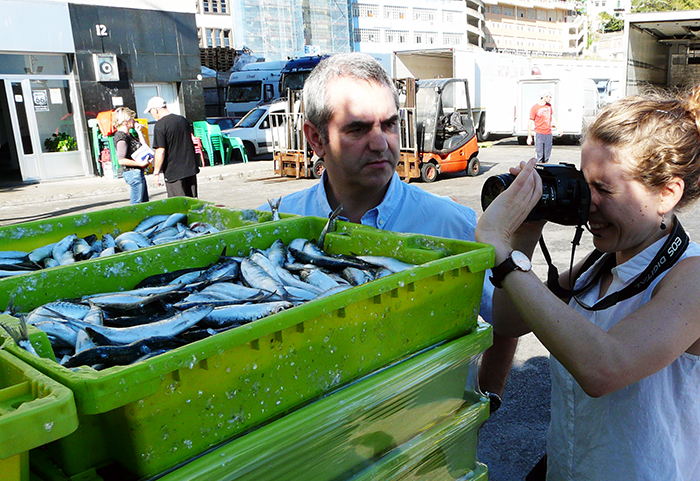
This month I returned from a fieldwork trip to Basque Country with co-curator Mary Linn to prepare for the 2016 Folklife Festival, and my head is filled with new knowledge and experiences of what it means to be Basque.
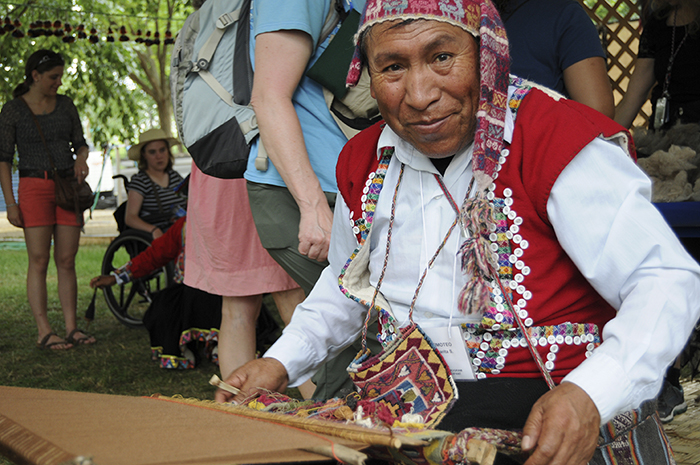
Long before the Perú: Pachamama artisans flew thousands of miles to grace the National Mall, Spanish colonists sailed thousands of miles to find indigenous communities inhabiting what would become the country of Peru.
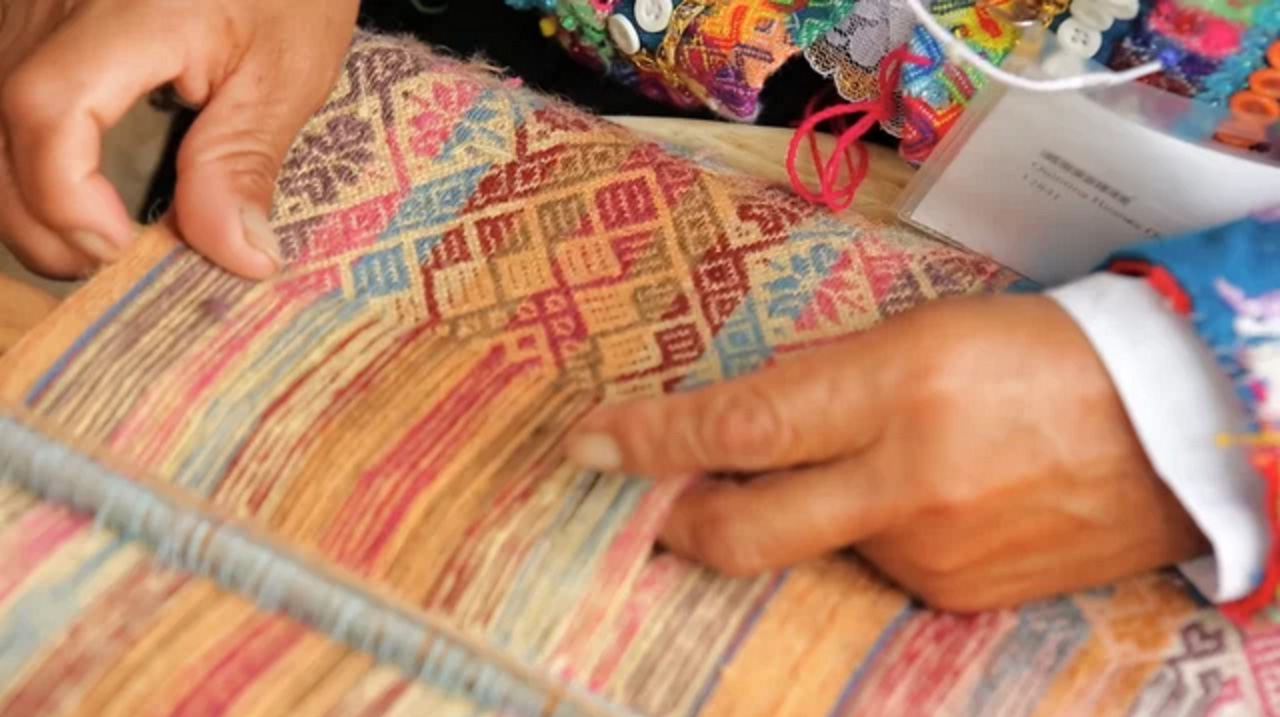
At the 2015 Festival, Nilda Callañaupa Alvarez represented the textile artisans from Chinchero in Cusco, Peru.
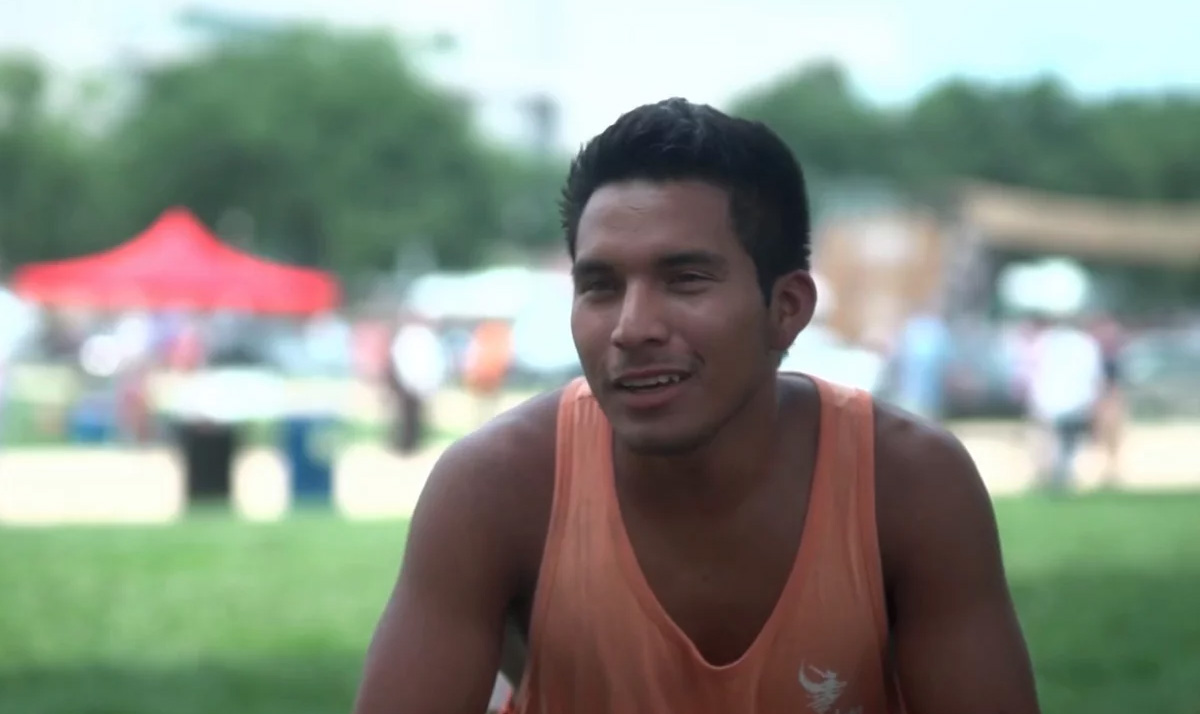
Matteo Valderrama Piminchumo shares his Peruvian communities' tradition of woven reed rafts called caballitos de totora.
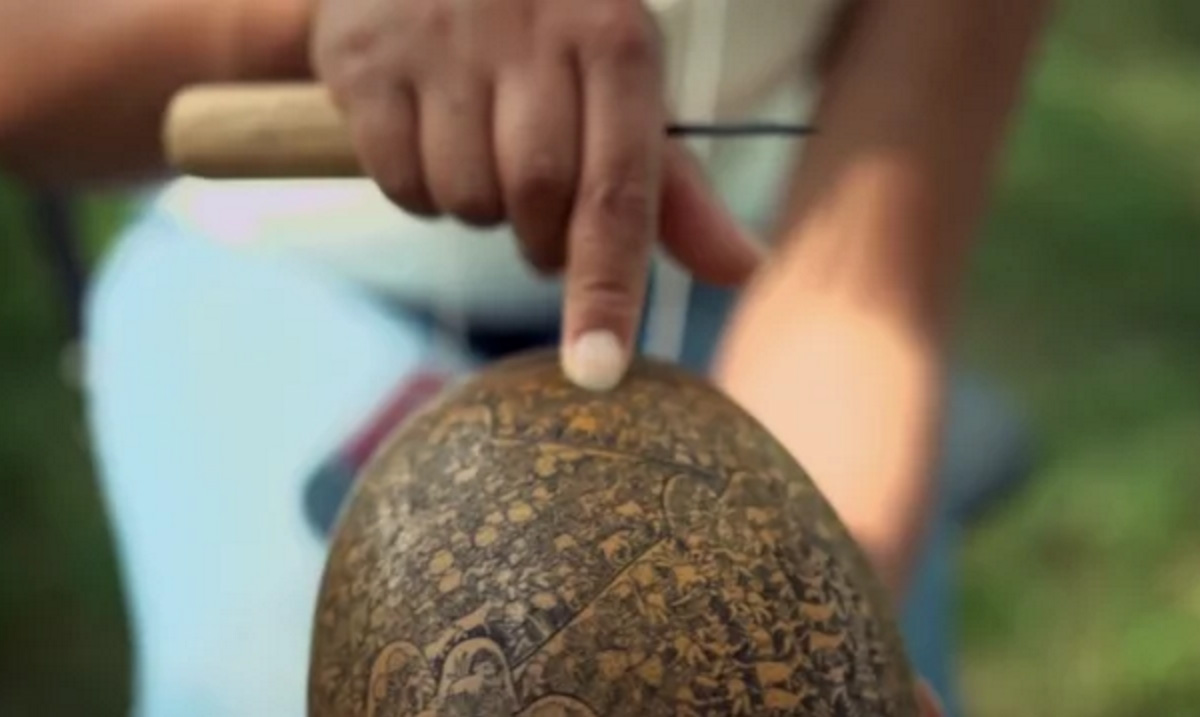
Katya Canto and her sister Blanca have dedicated their lives to maintaining the Peruvian tradition of mate burilado, or gourd carving. Such gourds are intricate stories, recounting daily life in Cochas Grande

Now that the Folklife Festival is over, I had time to visit The Great Inka Road: Engineering an Empire exhibition at the National Museum of the American Indian.

The Perú: Pachamama program at the 2015 Festival featured a group of traditional weavers from the Centro de Textiles Tradicionales del Cusco, including Timoteo Ccarita Sacaca, a Cusco native.
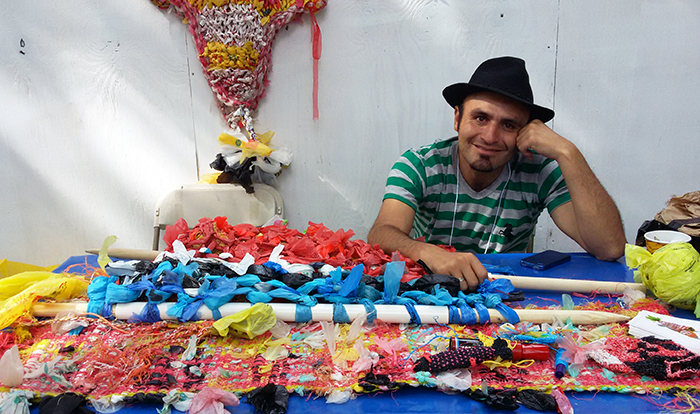
Artist Aymar Ccopacatty knits, weaves, braids, and collages with recycled plastic bags that he collects mostly from his homeland of Peru.
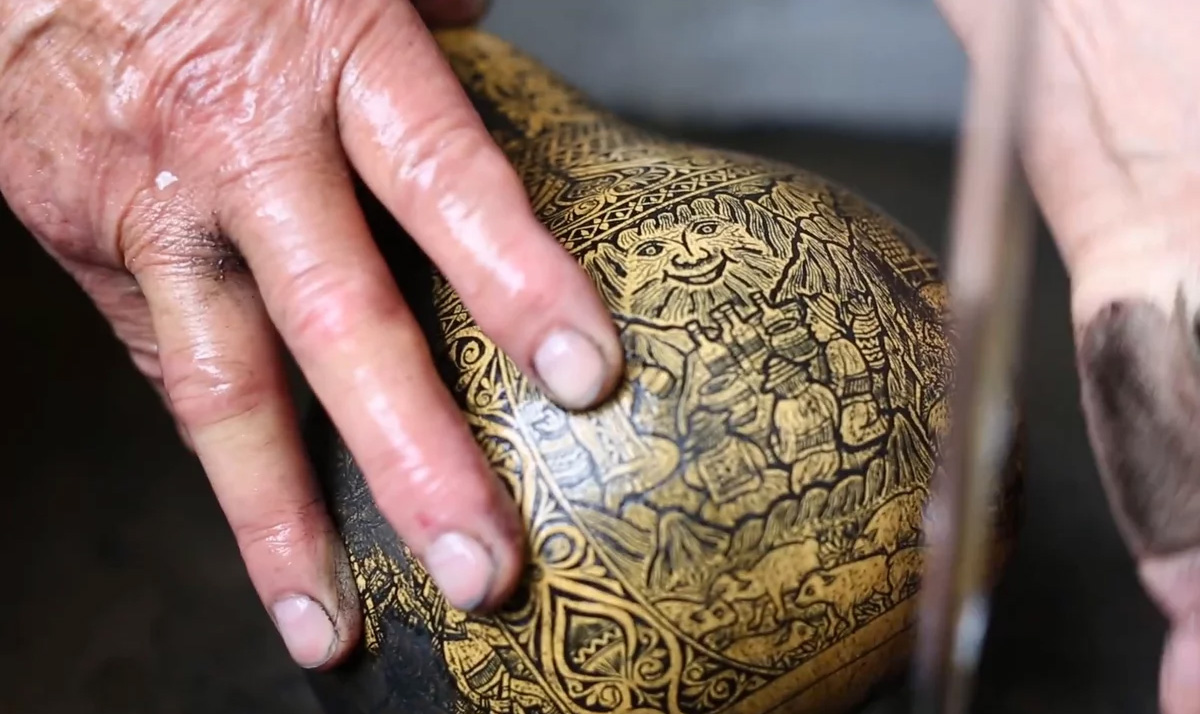
Eulogio Medina Sanabria has dedicated his life to the Peruvian art of mate burilado (gourd carving). While many carvers are drifting away from tradition, Sanabria continues to focus on detailed techniques
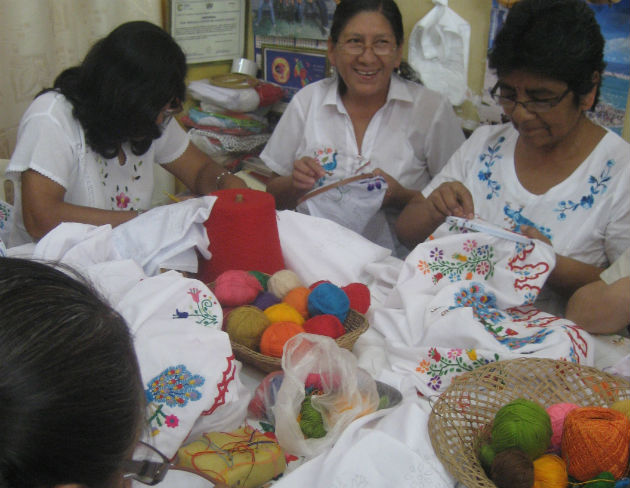
This year’s Marketplace isn’t just a place to buy. It’s a place to meet some of Peru’s most talented artists and craftspeople and learn about the traditions behind the objects available for sale.
Support the Folklife Festival, Smithsonian Folkways Recordings, Cultural Vitality Program, educational outreach, and more.