
more
Crafts
Posts tagged with Crafts
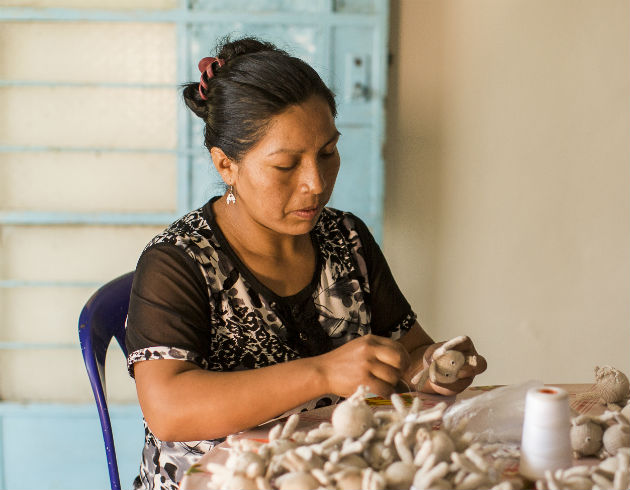
Whether it’s to decorate a Christmas tree, adorn a window, or add whimsy to a bookshelf, ornaments are a fun and inexpensive item to collect—especially at the Folklife Festival Marketplace.
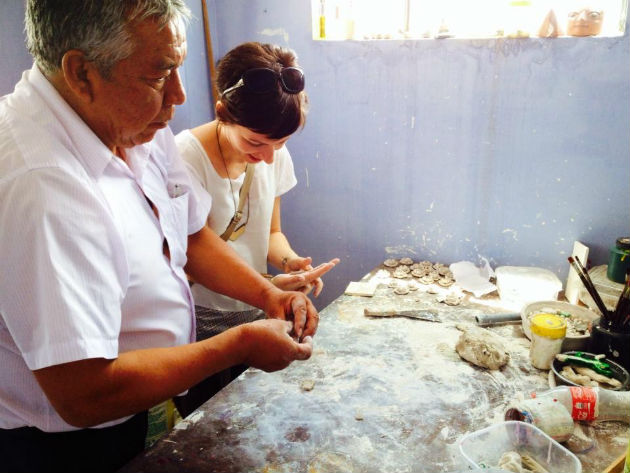
Two hundred miles southeast of Lima, Ayacucho has a rich craft heritage—ceramics, painted tin, masks, and retablo (story boxes)—with techniques rooted in Wari culture of this Andean region from about 500 to 1000 AD.

The Peru program for the 2015 Folklife Festival has taken a more definite shape since we returned from our second curatorial fieldwork trip in December.
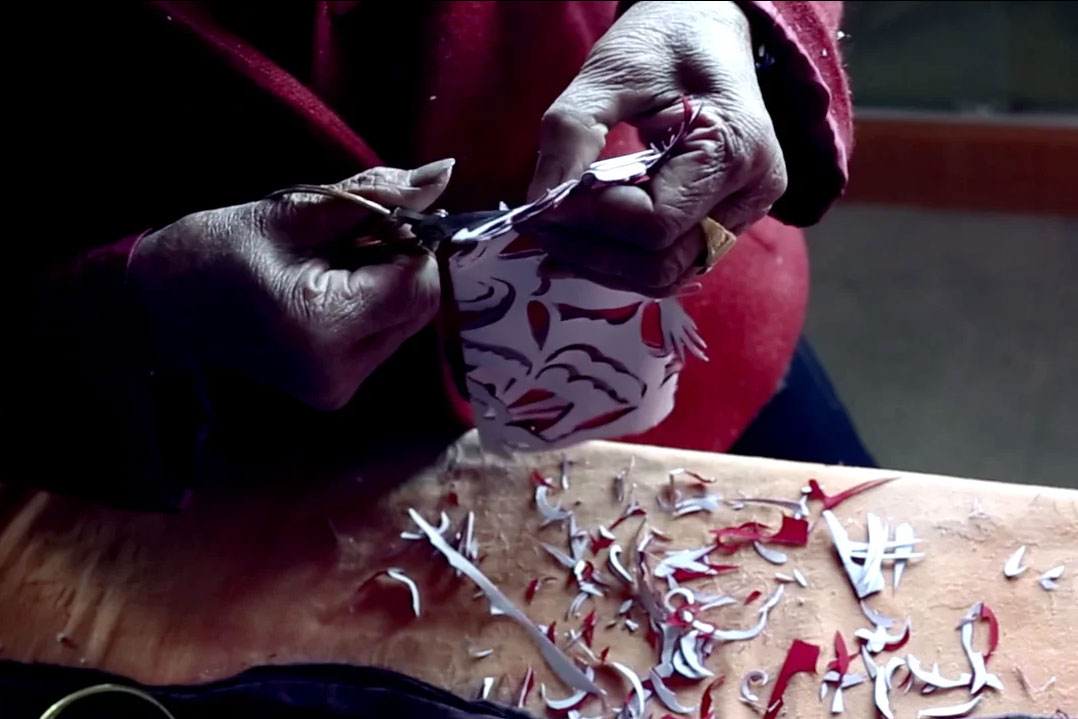
Gao Fenglian, deeply affected by her family traditions, has loved paper cutting since she was a little girl. She feels most comfortable with scissors and paper in hand.
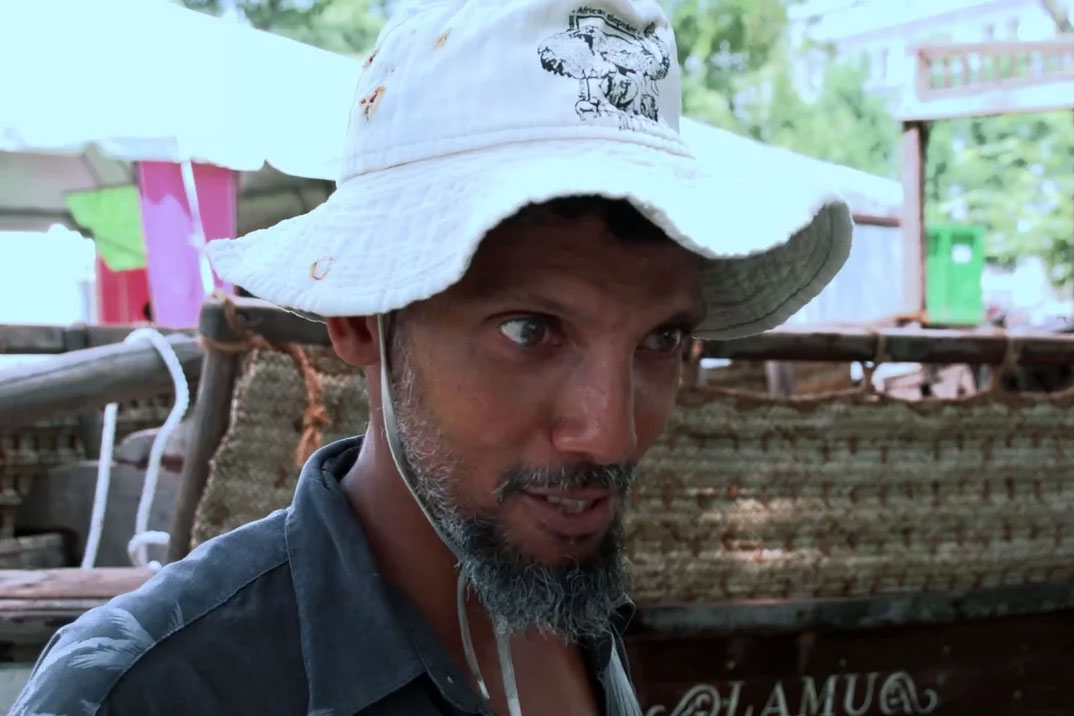
Ali Abdalla Skanda comes from a family of carpenters and dhow builders in Lamu, Kenya. For the 2014 Folklife Festival, he donated one of his dhows and restored it on the National Mall.

In 1965, at age 21, Kenyan artist Elkana Ong’esa sold one of his earliest sculptures to an American student doing research in Kisii. Almost fifty years later, the two met by chance at the Folklife Festival.
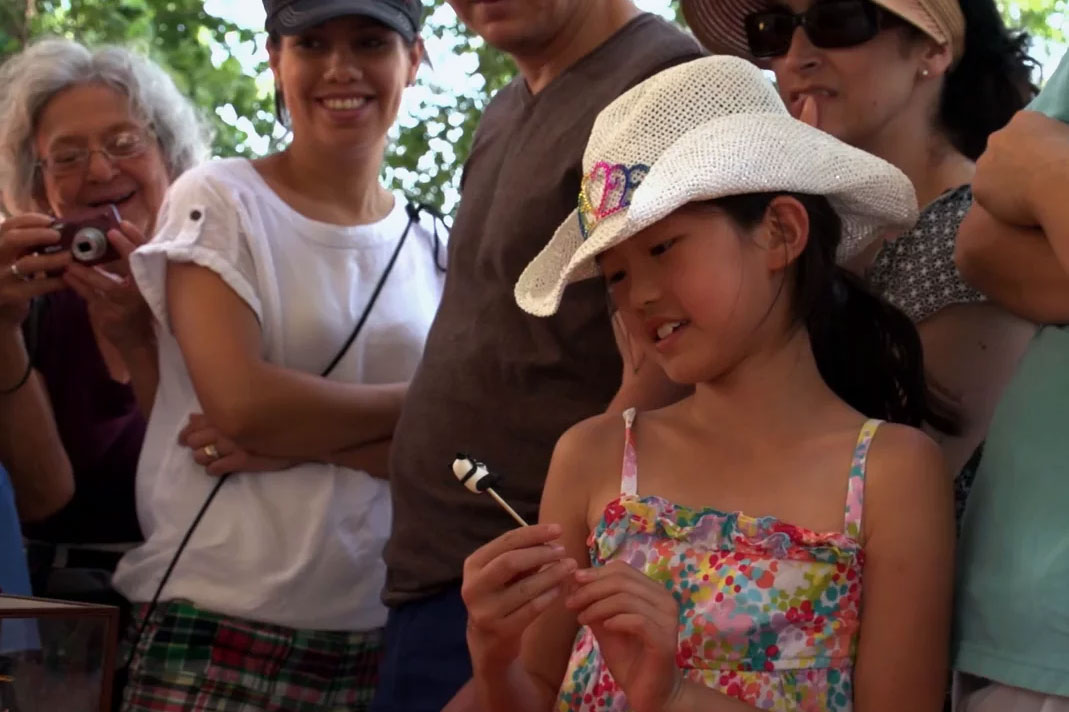
The Chinese art of dough modeling dates back more than two thousand years. At the 2014 Smithsonian Folklife Festival, artist Zhang Baolin explains the history and his own introduction to the intricate sculptures as a young boy.
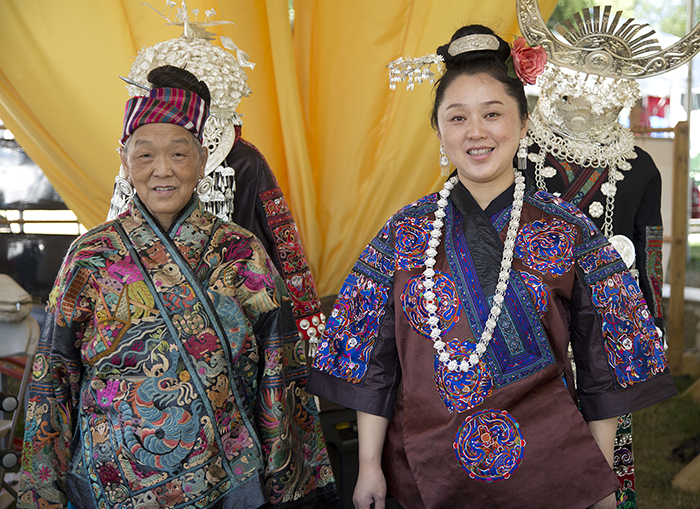
During the Festival, I worked closely with Pan Yuzhen 潘玉珍 and her daughter Zhang Hongying 张红英, embroiderers who are Miao, an ethnic minority.
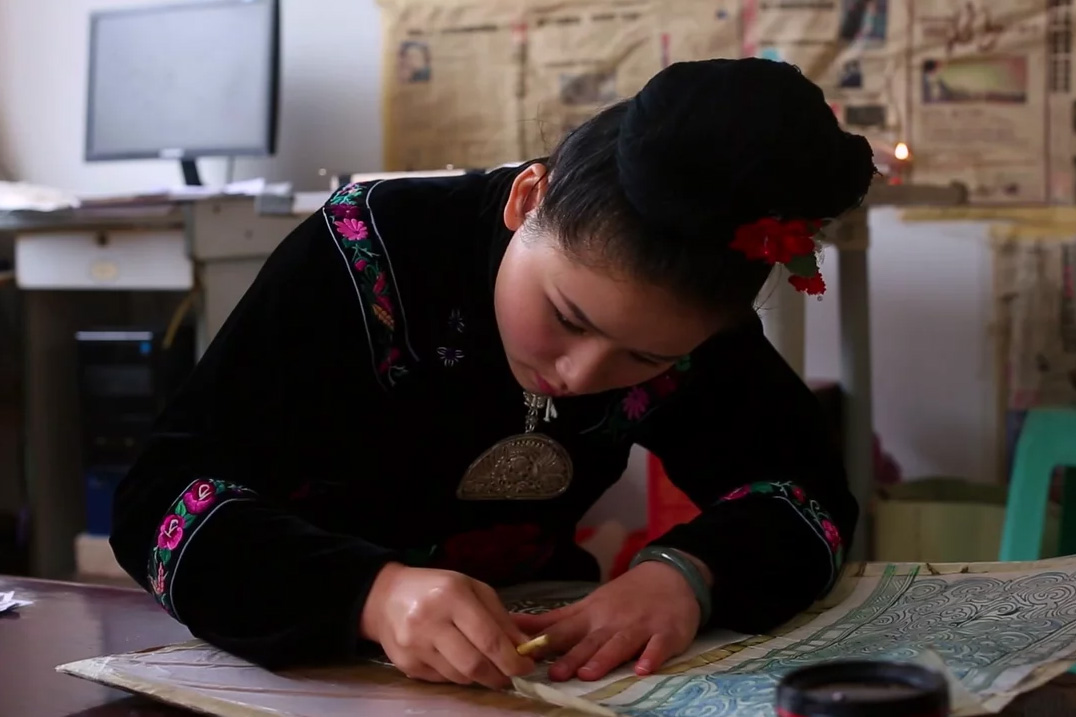
Lian Xiaoyin is a performer with the Leishan Miao Music and Dance Group and a student of the ancient art of batik dyeing.
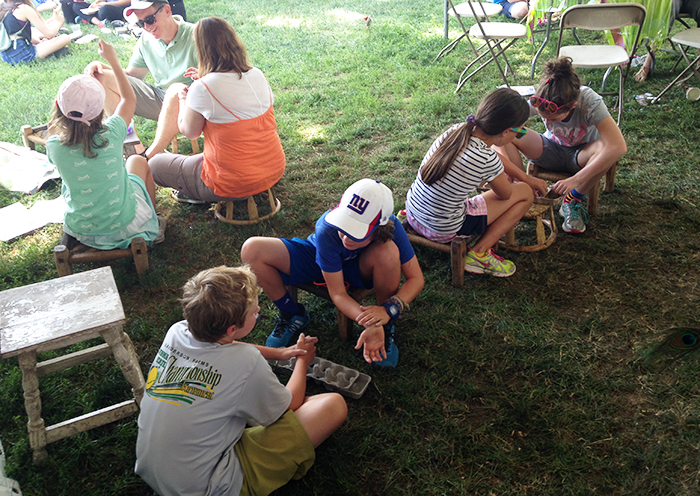
“I have to go show the flip-flop guys! They’re going to be so proud, right?” It was day five of the Festival, and an eight-year-old boy, beaming and sweaty, was proudly presenting to me the result of his labors in the Kenya Family Activities tent
Support the Folklife Festival, Smithsonian Folkways Recordings, Cultural Vitality Program, educational outreach, and more.