
more
Dance
Posts tagged with Dance
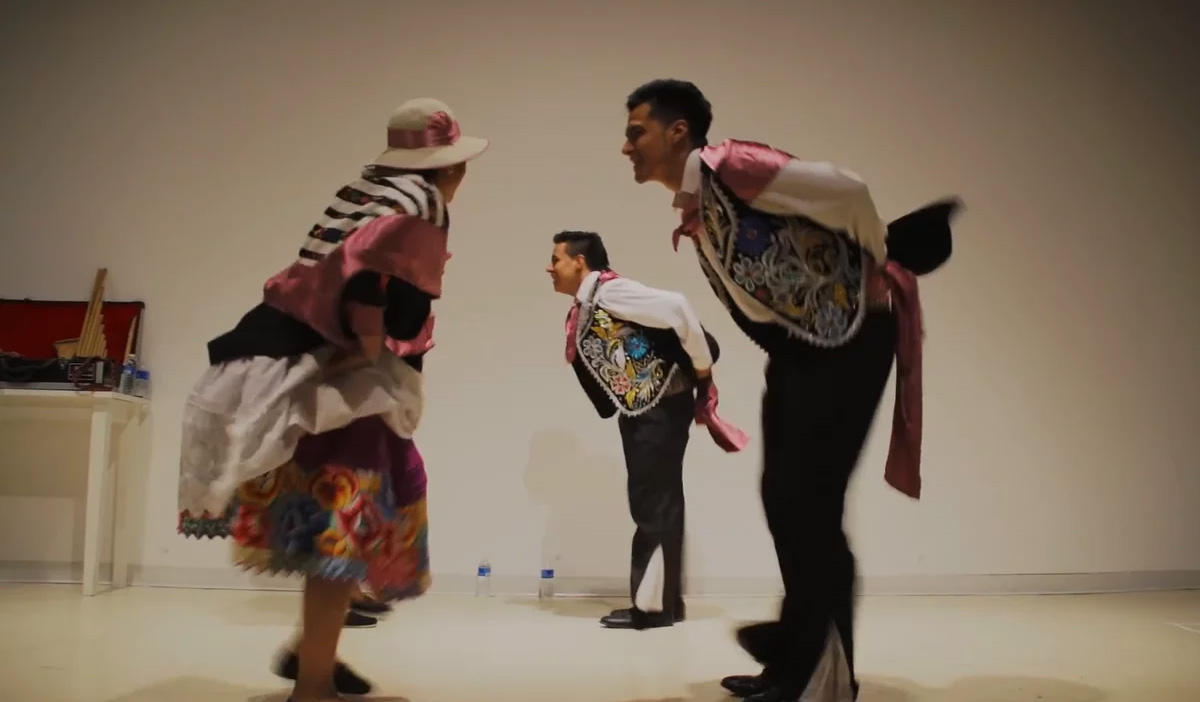
On the second night of the Folklife Festival, Boston-based New Inca Son delivered a humorous and spirited performance in the Hirshhorn Museum’s Ring Auditorium.

Even after moving to the United States from Peru, Dayan Aldana continues to perform música criolla—a genre born from a mixture of Spanish, Andean, and African influences.
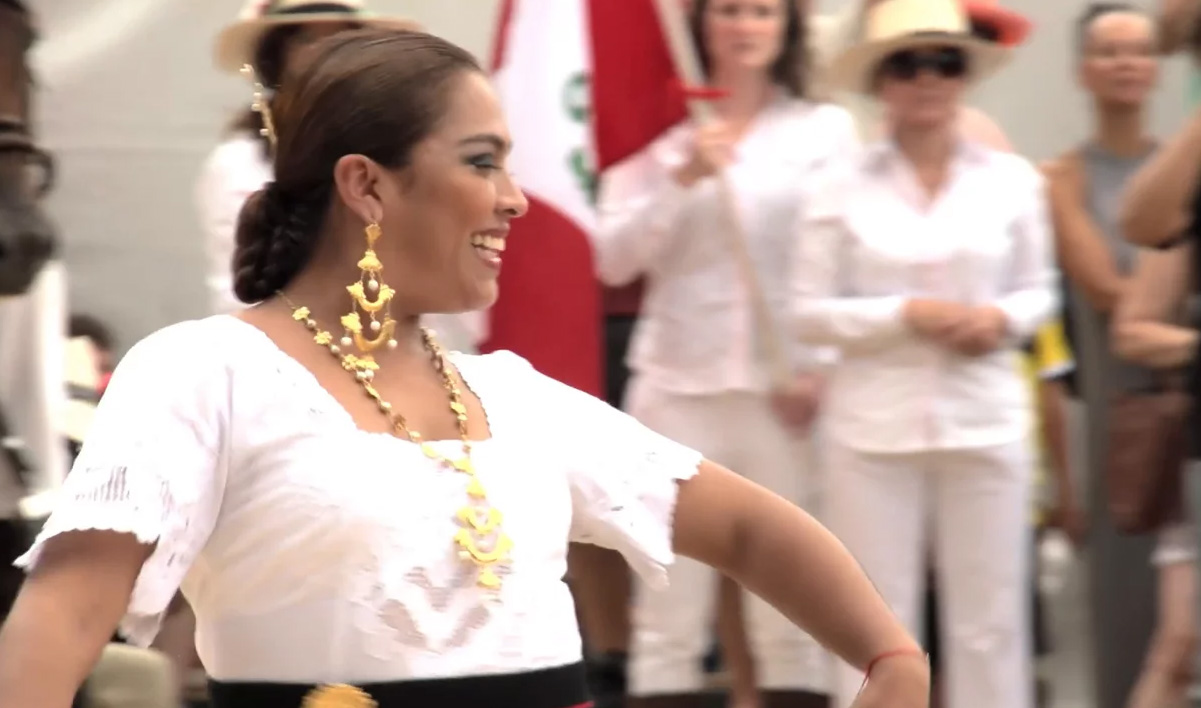
One of the origin theories behind Marinera dance is the story of a soldier who, when riding through a village in coastal Peru, noticed a beautiful young woman.
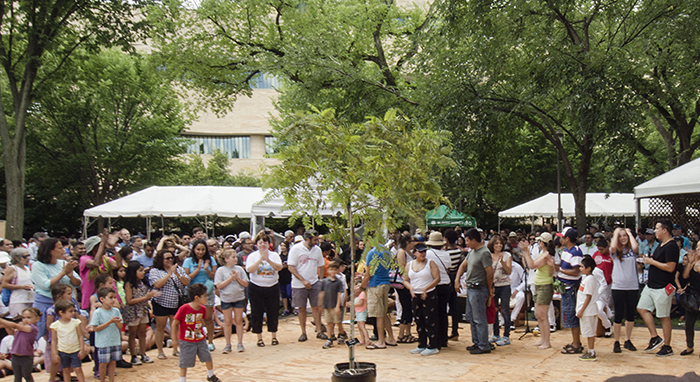
The Ballumbrosio family and other members of the Afro-Peruvian group Tutuma invite visitors to join in this celebration as they provide the soundtrack: guitars, various percussion, a rattling quijada donkey jawbone, and infectious group vocals.
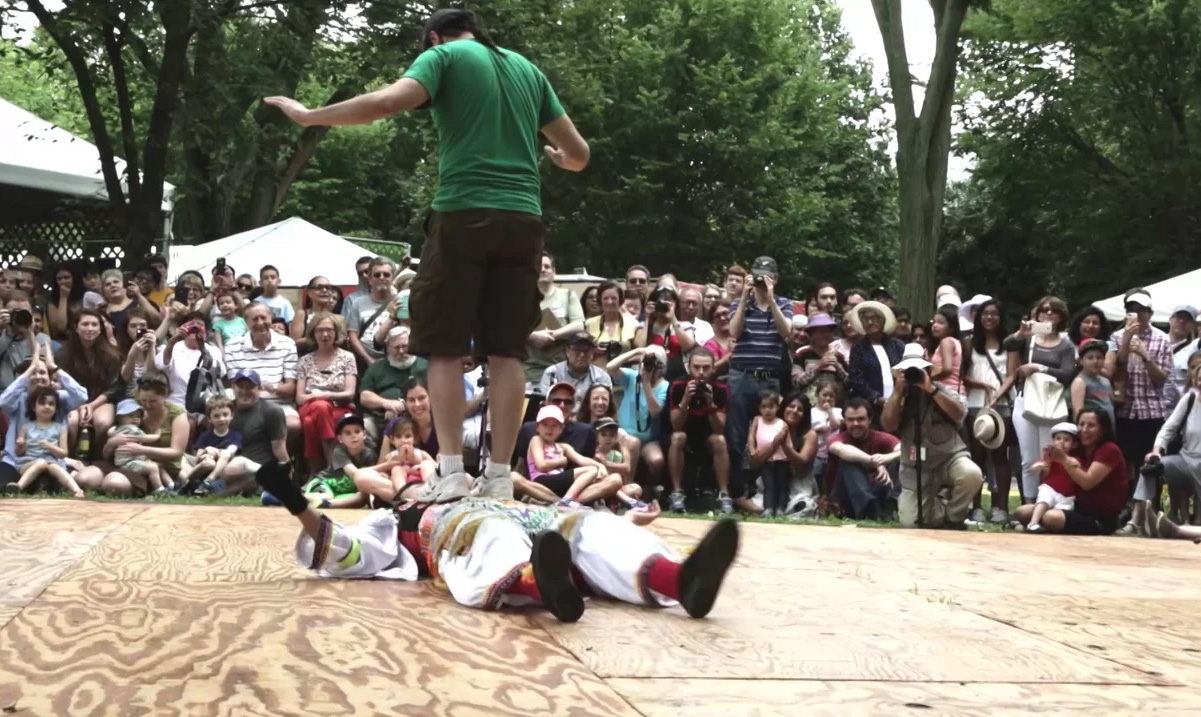
During the first Festival Community Day at the 2015 Festival, Peruvian dancer Steve Cotaquispe, who was born in Ayacucho, came from New York to present the danza de las tijeras—the scissors dance.
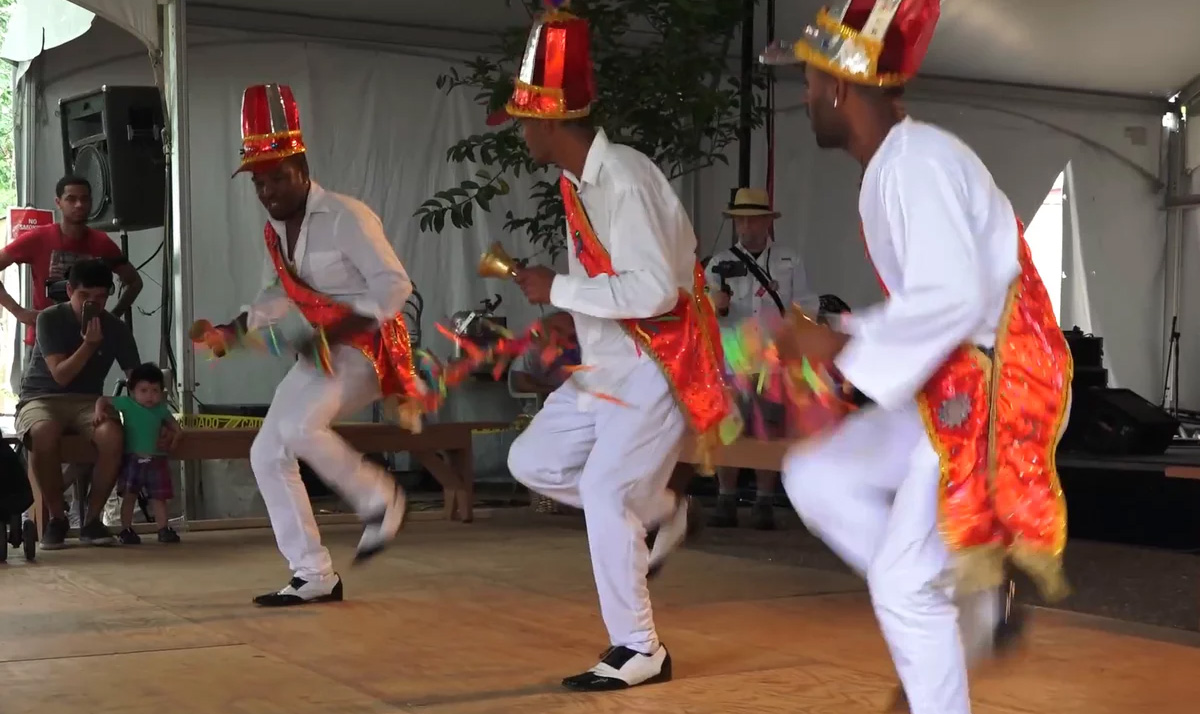
The members of Afro-Peruvian dance group Tutuma use their feet as percussion instruments with tap-like zapateo steps that have evolved from the historical dance traditions of enslaved Africans in Peru.
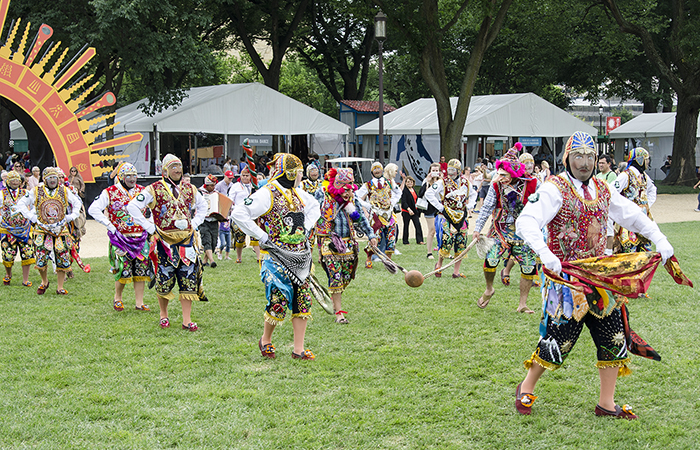
With their glittering multicolored costumes, ear-splitting whip cracks, expressive masks, and a marching song you’re sure to get stuck in your head, the Fiesta de la Virgen del Carmen procession has been a crowd favorite at the Folklife Festival.

The event featured a few of the visiting performance groups representing the Perú: Pachamama program, plus speakers from the Smithsonian, the National Park Service, American and Peruvian embassies, and more.

Born in the town of Moche in northern Peru, Ronald Fernández has dedicated his life to preserving and promoting the traditional Mochera style of Marinera, the national dance of Peru.
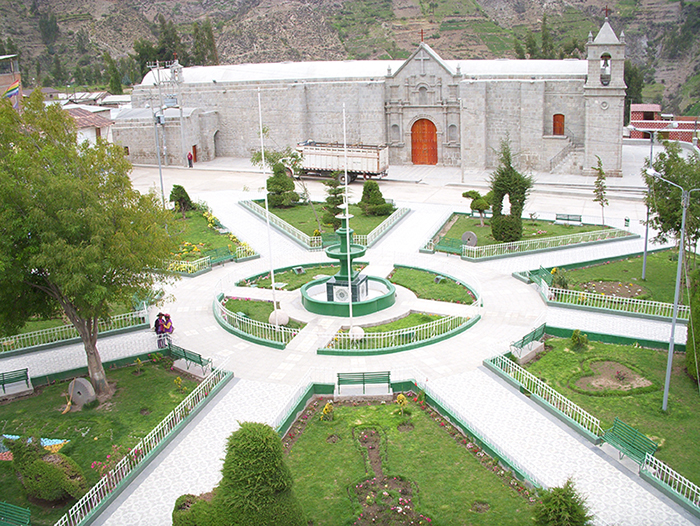
Since time immemorial, the Peruvian town of Carumas, set deep in the Ticsani valley in the Moquegua Region, has been the center of a great diversity of religious celebrations.
Support the Folklife Festival, Smithsonian Folkways Recordings, Cultural Vitality Program, educational outreach, and more.