
more
Dance
Posts tagged with Dance
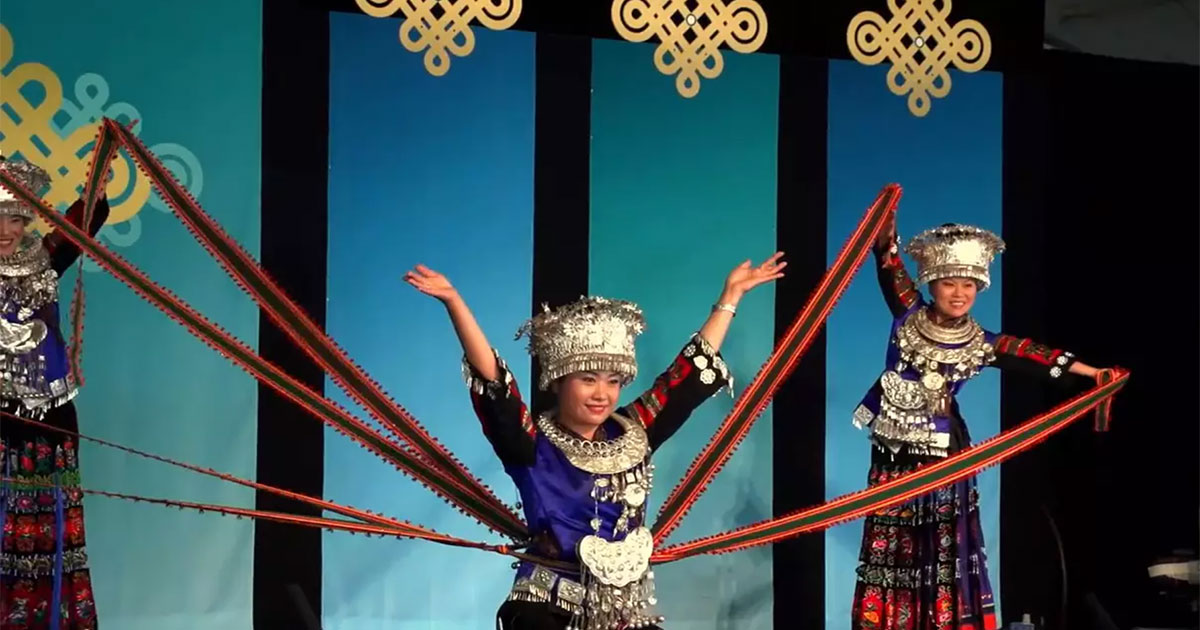
The Leishan Miao Music and Dance Group performs the Dance of the Golden Pheasant at the 2014 Smithsonian Folklife Festival.
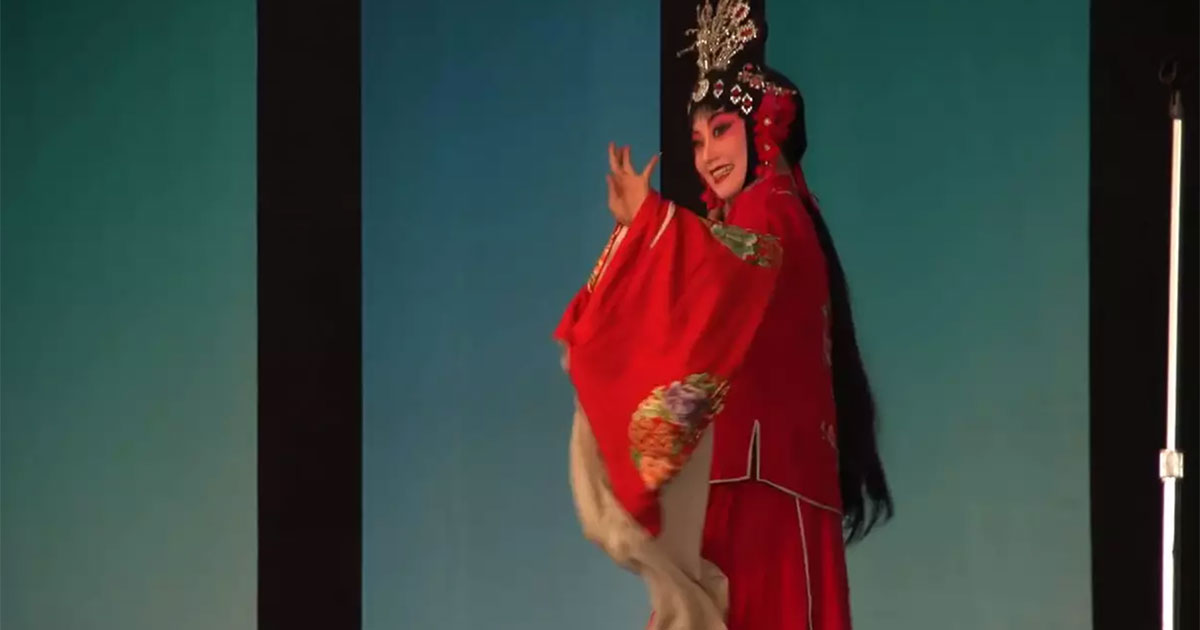
Founded in 1956, the Zhejiang Wu Opera Troupe both revives traditional works (some more than four hundred years old) and creates new ones.
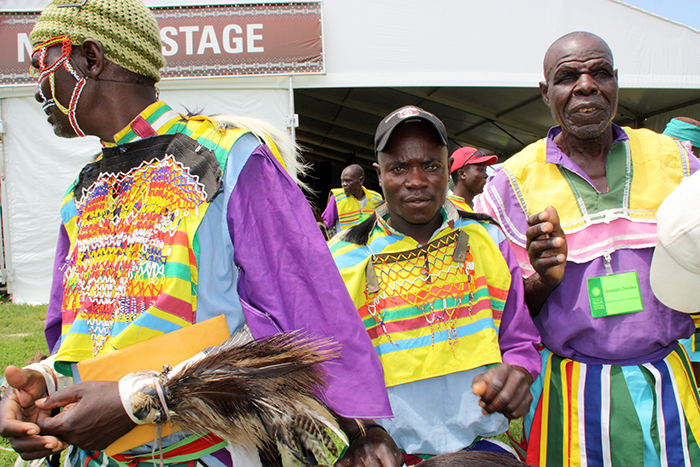
If you attended the 2014 Folklife Festival, you may have seen a group of stately, rainbow-ribbon-bedecked Kenyan men getting stopped often for photographs
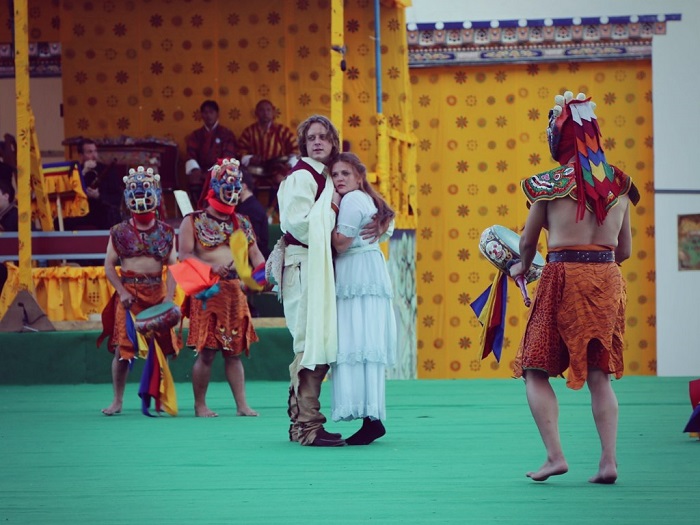
The Folklife Festival hosted a program on Bhutan in 2008 that was the largest and most comprehensive celebration of Bhutanese life and culture ever hosted outside the remote Himalayan Kingdom.
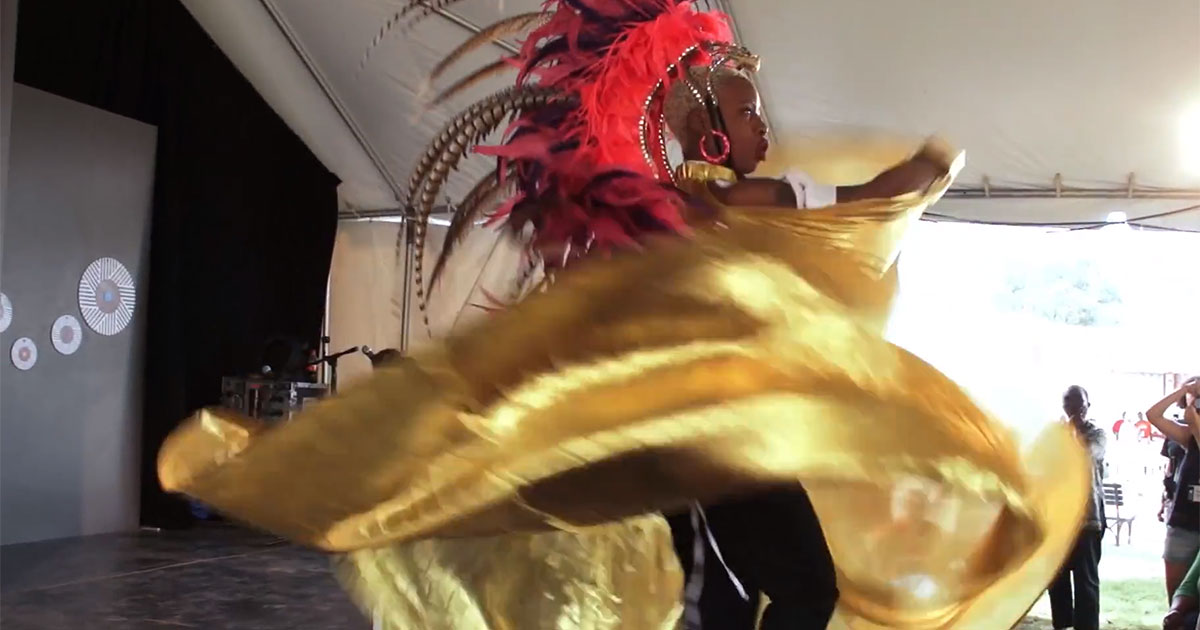
Earle Bannister, a Baltimore tailor, talks to presenter Althea Grey-McKenzie about the history of voguing, a dance style that originated in the African American and Latino American LGBT ballroom communities of the 1980s.
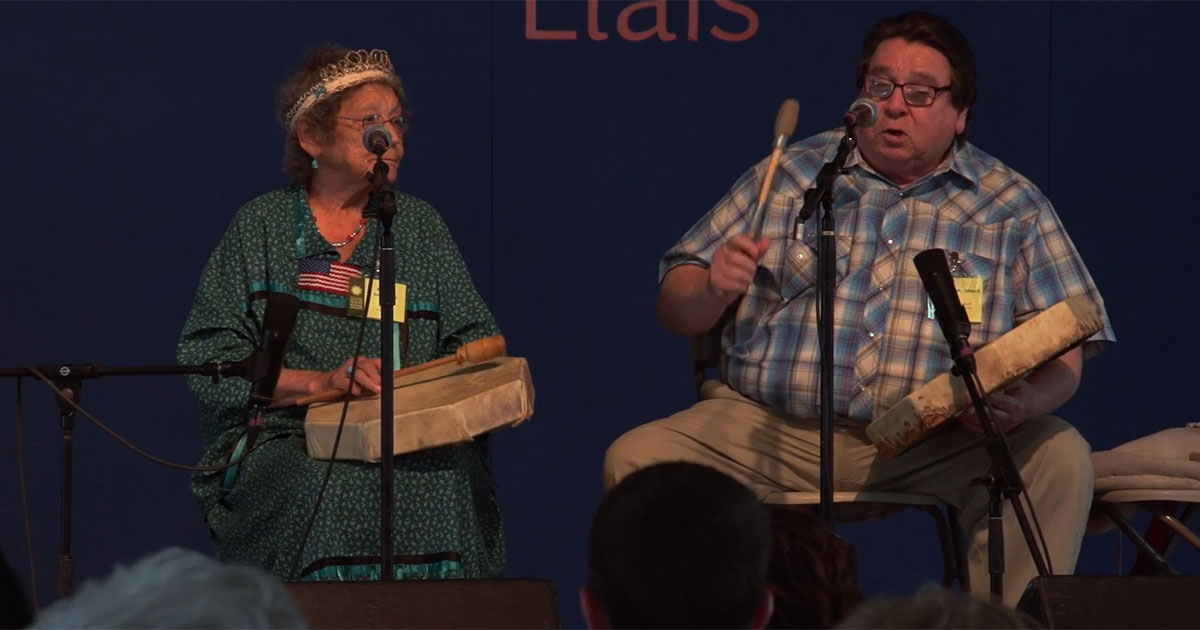
The Passamaquoddy Wabanaki Indians of northern Maine have gone to great lengths to restore and revitalize the cultural knowledge and traditions of their ancestors.
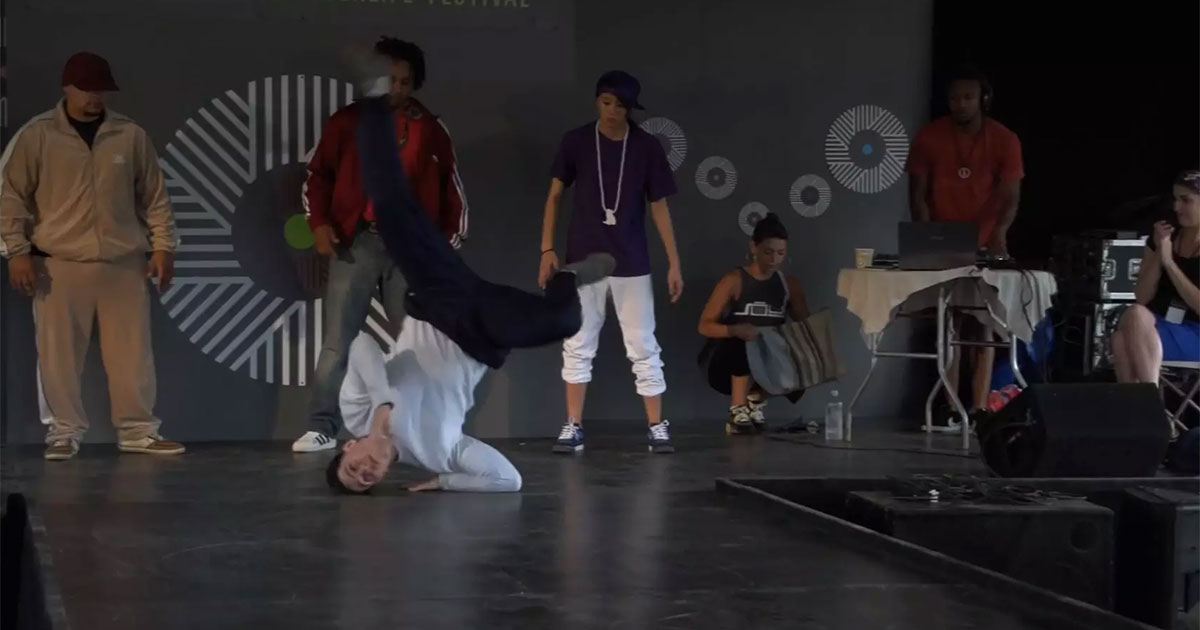
The performances of Urban Artistry, an international collective of artists and dancers, reveal how street culture aligns music and dance with dress.
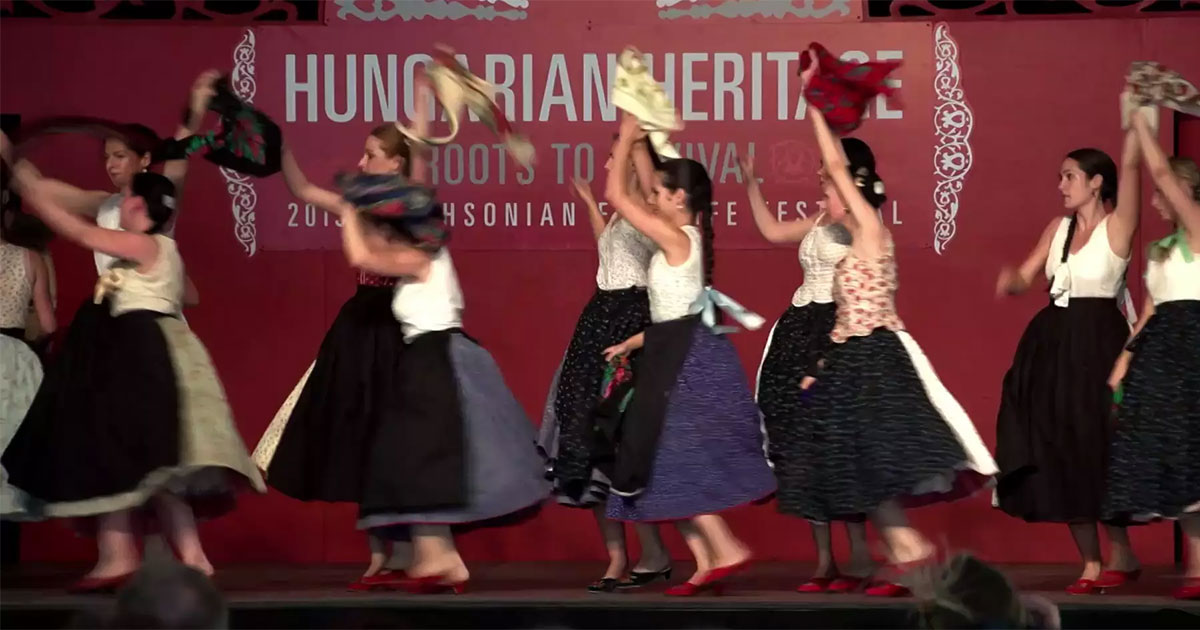
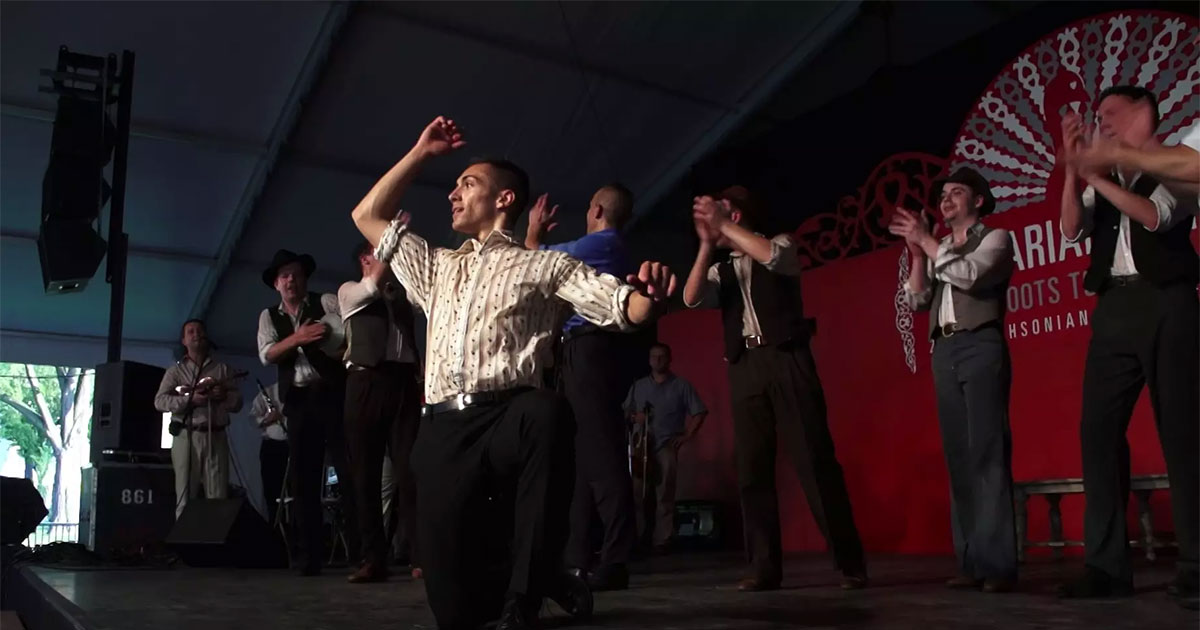
For the 2013 Smithsonian Folklife Festival, Hungarian choreographers Dezső Fitos and Enikő Kocsis created the “Hungarian Village” program, which presented the diverse customs, songs, music, and dances of Hungarian rural society from the 1900s.
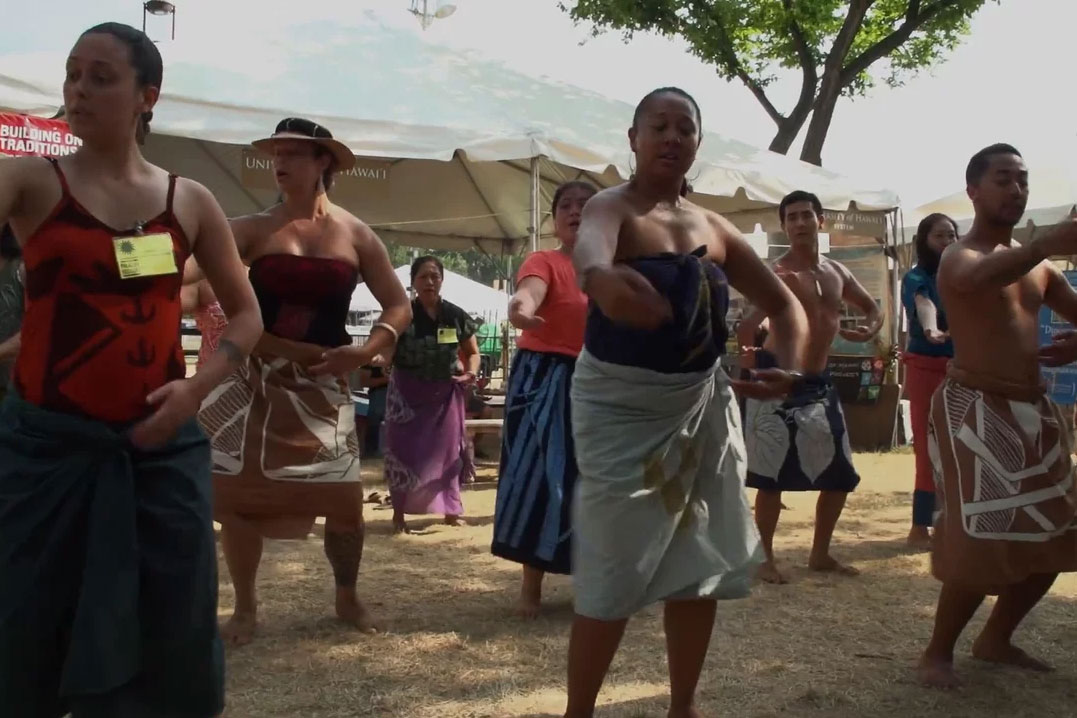
UNUKUPUKUPU is trigorous hula curricula of Dr. Taupōuri Tangarō at Hawai‘i Community College, University of Hawai‘i System.
Support the Folklife Festival, Smithsonian Folkways Recordings, Cultural Vitality Program, educational outreach, and more.