
more
Dance
Posts tagged with Dance
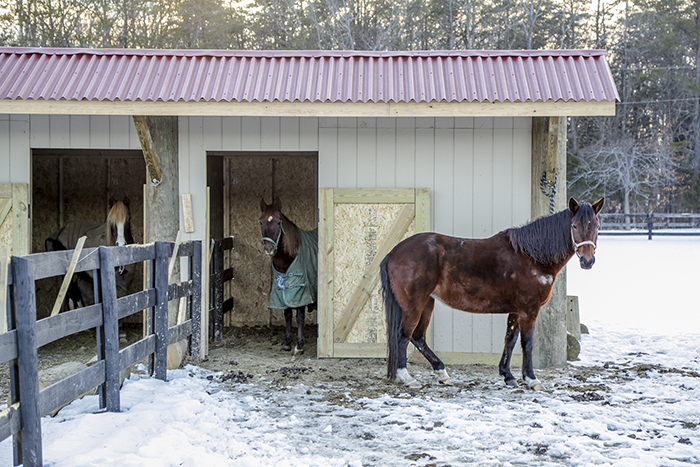
The story of the Peruvian Pasos begins with the arrival of the Spanish to South America. Because the conquistadors arrived on the coast of Peru, their horses had to adapt to walking in the sand.
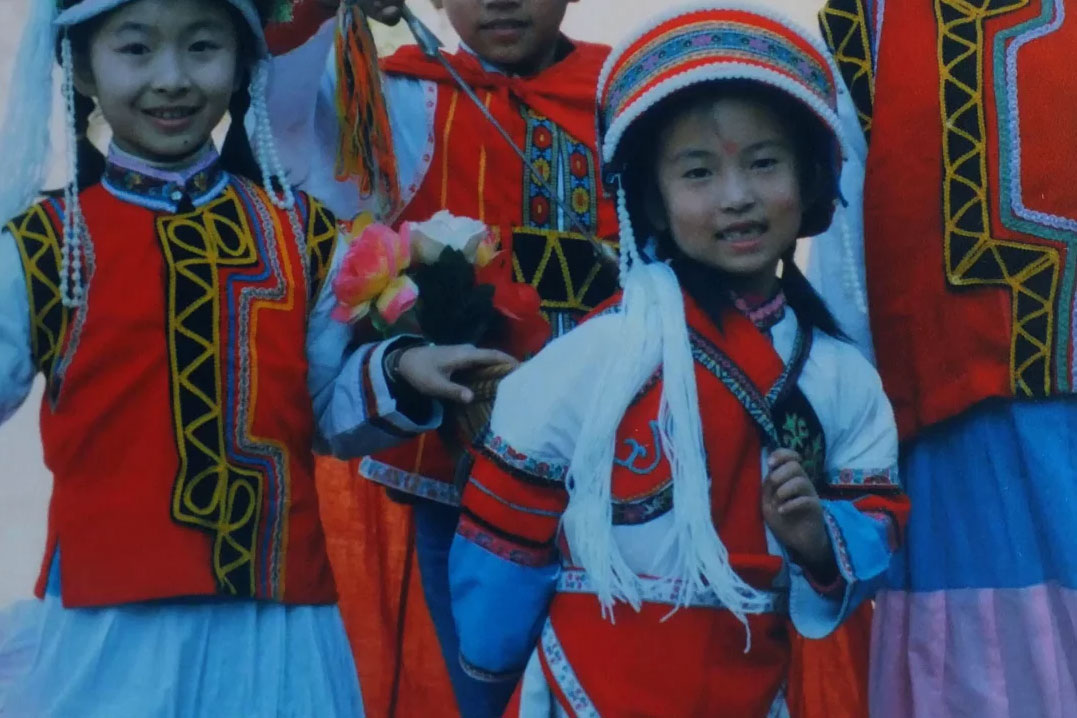
Shiyu Wang began interning at the Center for Folklife and Cultural Heritage last summer. Originally from Yunnan Province, China, she moved to the United States to earn an MFA in film media from American University.

Dancing in the park is a fairly new phenomenon, and its development is related to other things such as urbanization across the country and changing demographics and family structure in China.
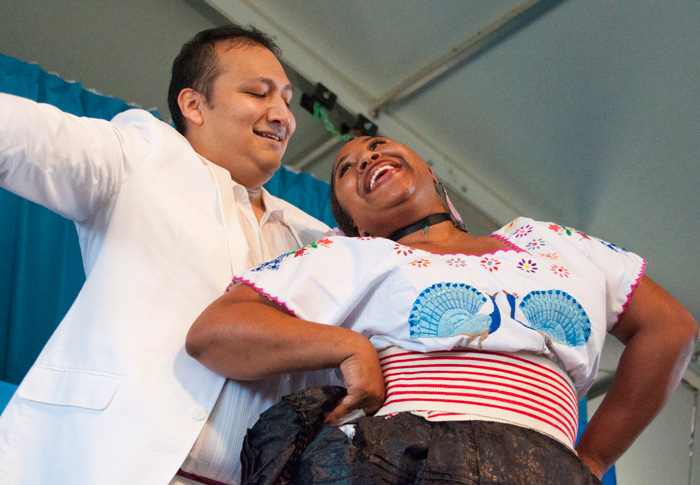
While Americans are dressing in costumes and going from house to house asking for candy on October 31, Peruvians will be celebrating their country’s criolla (creole) culture.

You can’t even hear yourself think, let alone someone else speaking, when you’re standing between two competing karaoke stations. So we just kept moving through the covered walkway in the middle of the park

The mysterious art of bian lian or face-changing originated in Sichuan Opera, and has long been a closely guarded secret of Chinese performers.
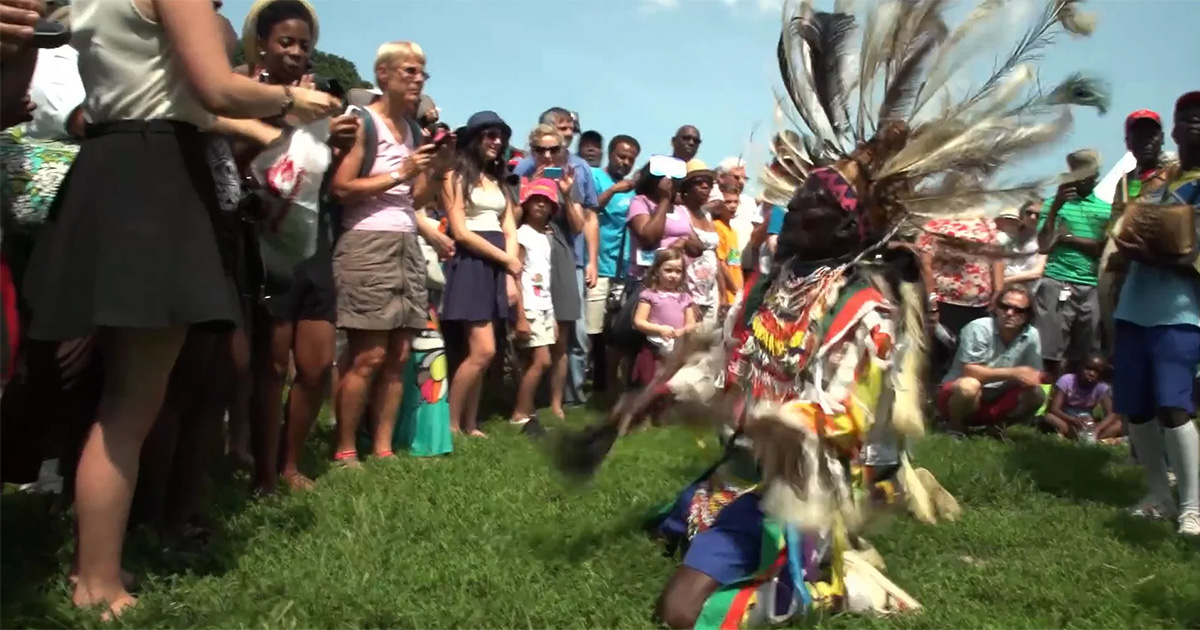
The Ramogi Dancers, from Homa Bay County, are part of the Luo community in Western Kenya.

The Smithsonian Folklife Festival is an interactive festival where audience members engage directly with visiting artists to learn about their music, crafts, cooking, and more.

The Zhejiang Wu Opera Troupe's Dragon Dance was a 2014 Smithsonian Folklife Festival crowd favorite.
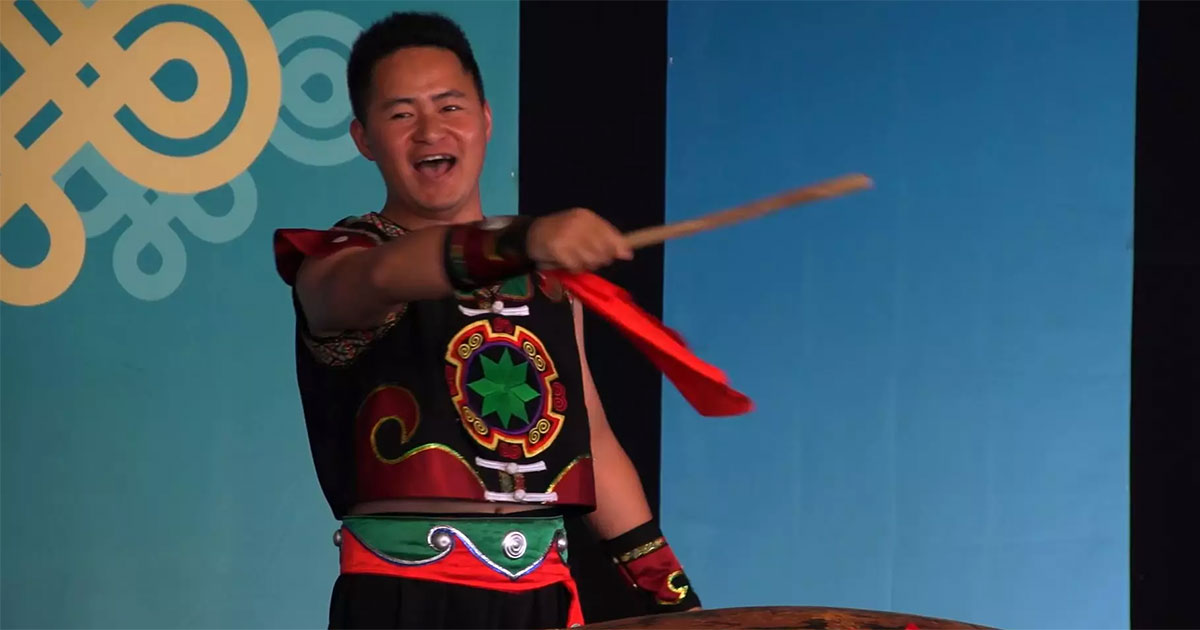
Hailing from the mountainous region of southern China and Guizhou province,the Leishan Miao Music and Dance Group came to the Festival to perform a variety of simple and elaborate dances, as well as songs for voice and on the lusheng.
Support the Folklife Festival, Smithsonian Folkways Recordings, Cultural Vitality Program, educational outreach, and more.