
more
Hungarian Heritage
Posts tagged with Hungarian Heritage
On a hot day this past summer, I had the opportunity to capture footage, help direct, and edit videos about the Smithsonian Folklife Festival
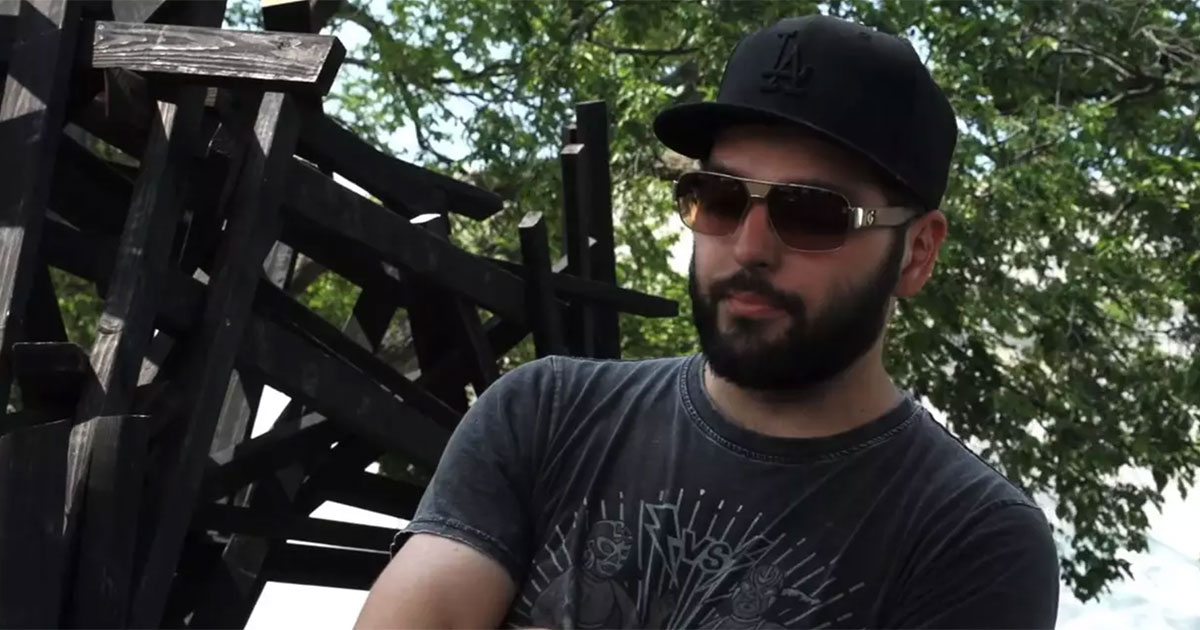
The Hungarian contemporary artist Gábor Miklós Szőke created a large-scale Puli dog sculpture for the Hungarian Heritage: Roots to Revival program at the 2013 Smithsonian Folklife Festival.
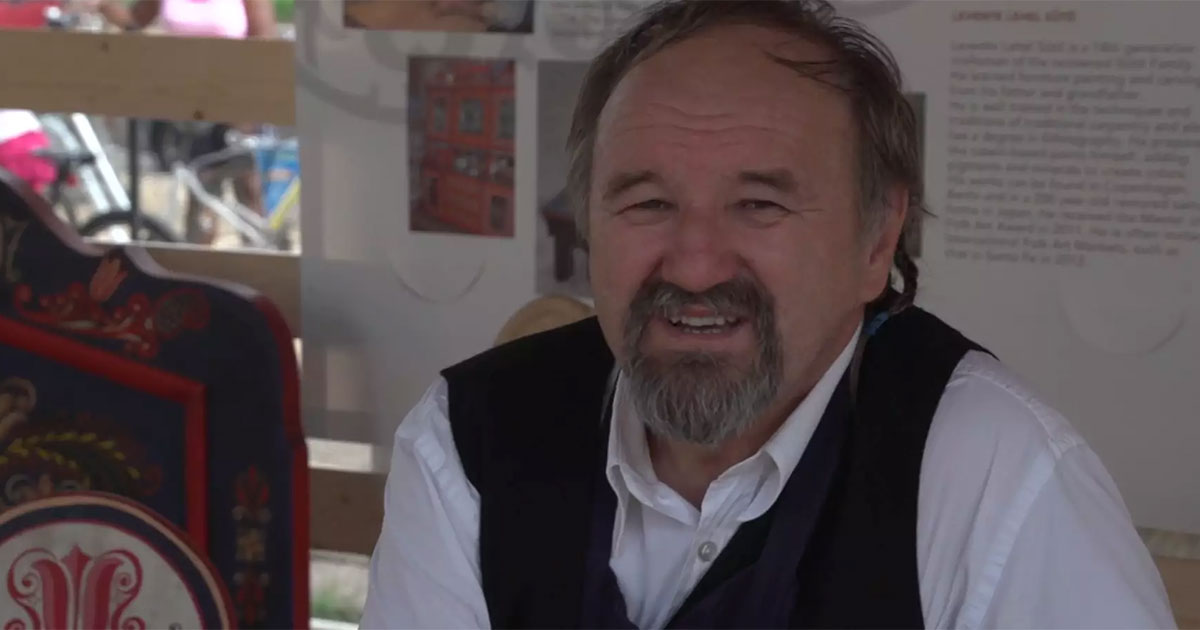
Artisan Levente Lehel Sütő’s family has been making traditional furniture since the end of the 16th century. At the 2013 Smithsonian Folklife Festival, Sütő shed light on his craft tradition and its significance for Hungarian cultural identity.
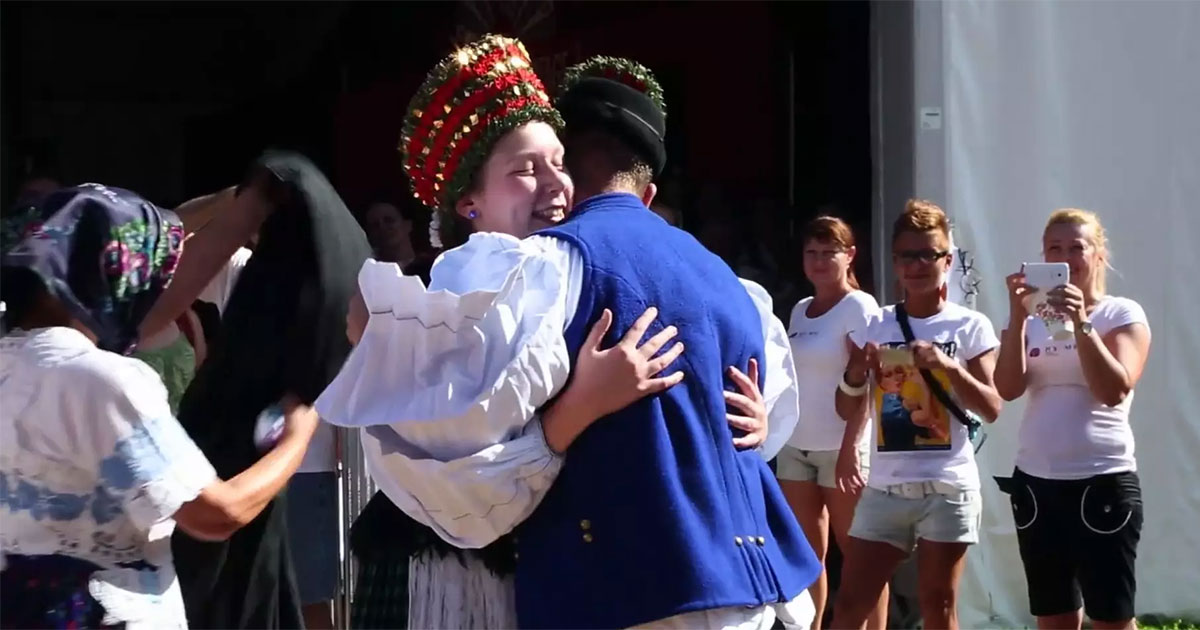
One day during the 2013 Smithsonian Folklife Festival, a group of participants in the Hungarian Heritage program staged a wedding procession wearing costumes typical of the Szék region of Transylvania, Romania.

Tibor Gáts is an award-winning maker of Hungarian folk instruments, specializing in the zither and the gardon.
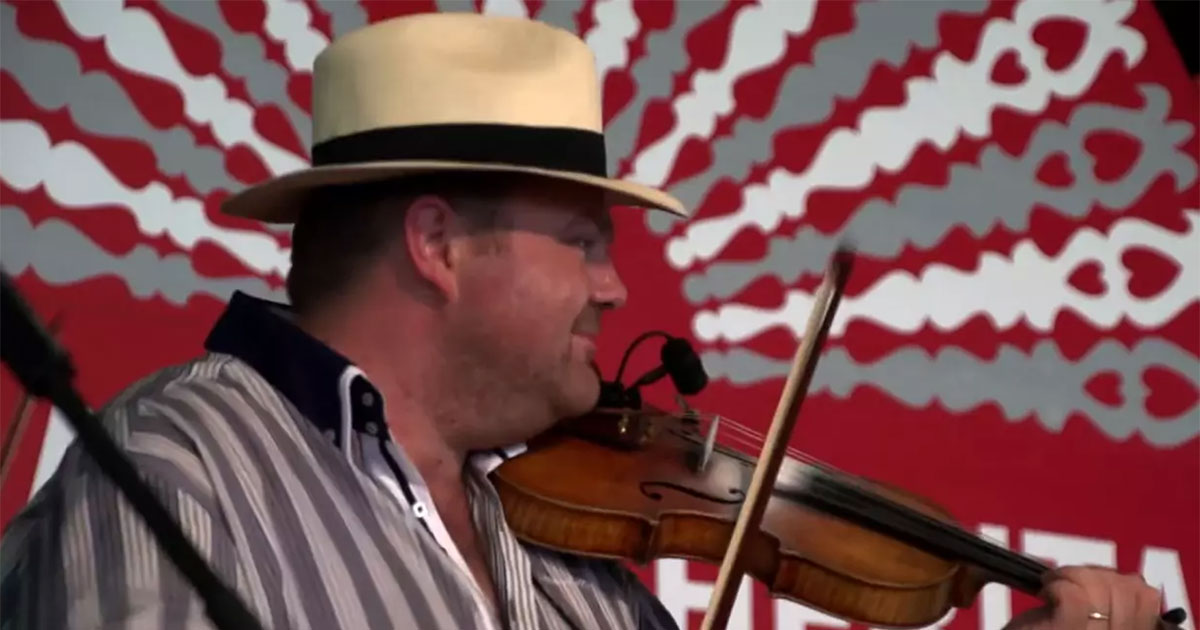
Szalonna and his Band, renowned members of the Hungarian National Folk Ensemble, teamed up with Roma fiddler István “Kiscsipás” Varga to perform traditional Hungarian
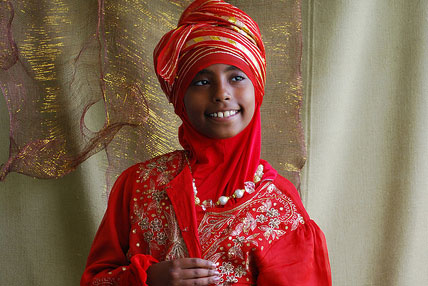
Want to revisit your favorite moments of the 2013 Smithsonian Folklife Festival? We’ve put together a selection of dazzling visitor photographs in our Best of the Festival Gallery to help you do just that.
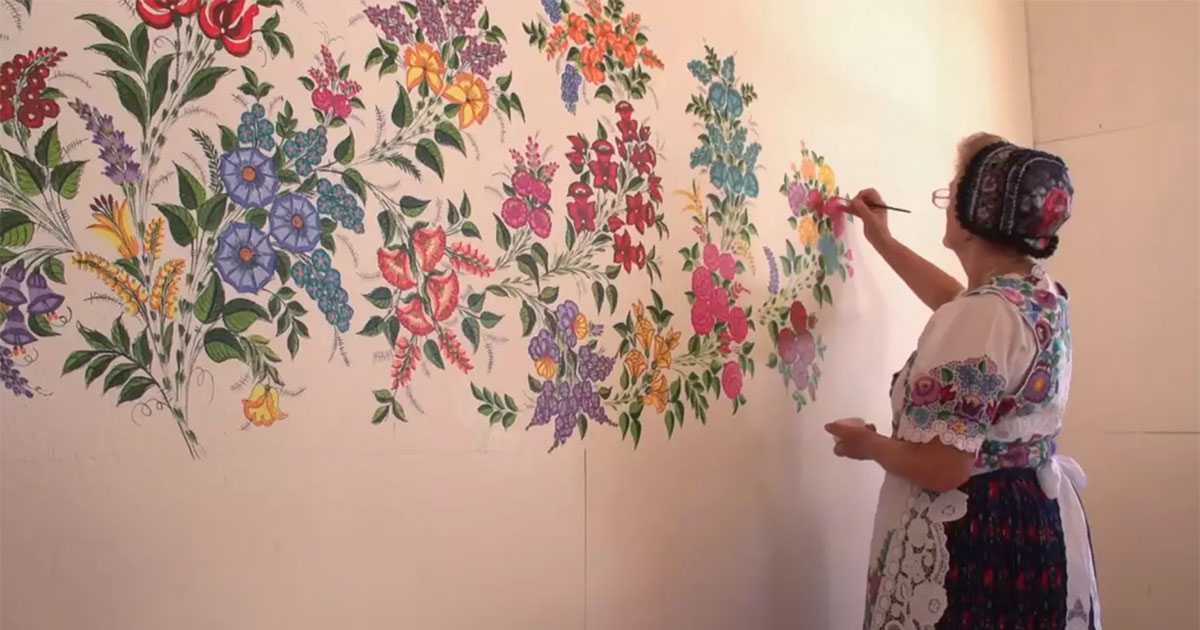
The 2013 Smithsonian Folklife Festival featured Hungarian Heritage: Roots To Revival as one of its three programs.
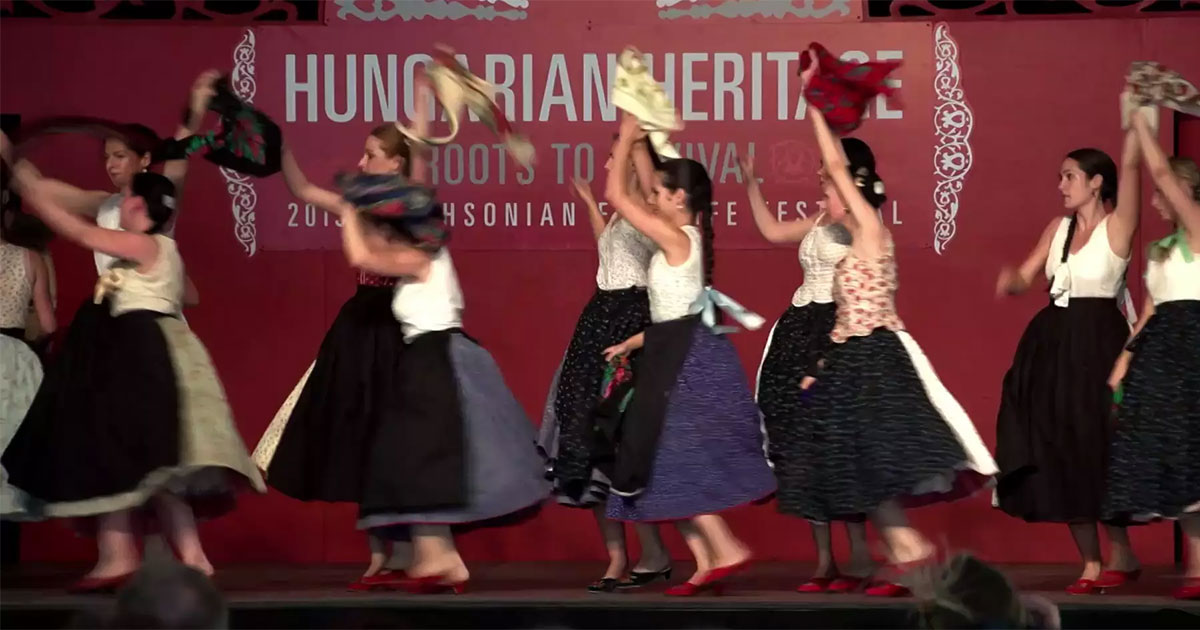
For the 2013 Smithsonian Folklife Festival, Hungarian choreographers Dezső Fitos and Enikő Kocsis created the “Hungarian Village” program, which presented the diverse customs, songs, music, and dances of Hungarian rural society from the 1900s.
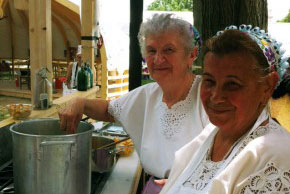
On the closing day of the 2013 Folklife Festival, Ilona Bolvári and Éva Bagó of the Kalocsa region of Hungary prepared one of the most iconic examples of Hungarian folk cuisine
Support the Folklife Festival, Smithsonian Folkways Recordings, Cultural Vitality Program, educational outreach, and more.