
more
Peru
Posts tagged with Peru
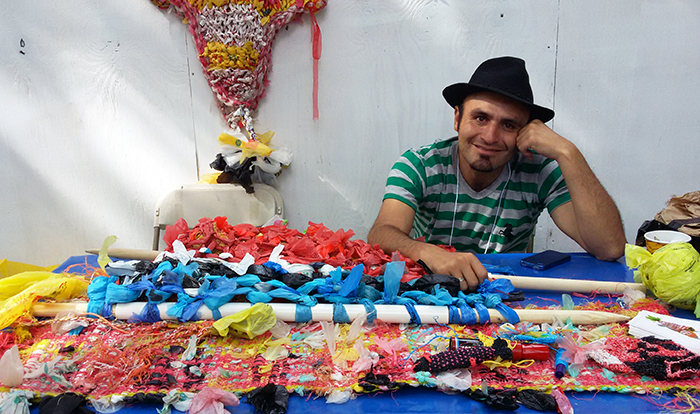
Artist Aymar Ccopacatty knits, weaves, braids, and collages with recycled plastic bags that he collects mostly from his homeland of Peru.

Even after moving to the United States from Peru, Dayan Aldana continues to perform música criolla—a genre born from a mixture of Spanish, Andean, and African influences.
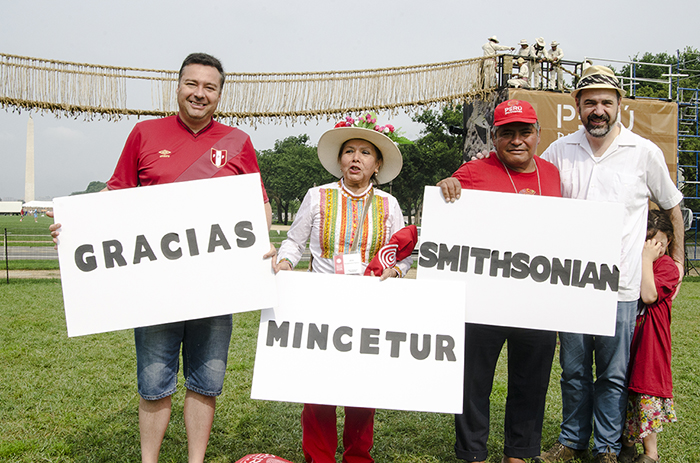
The 2015 Folklife Festival concluded on Sunday with the completion of the Q’eswachaka Bridge, a second Festival Community Day celebration of Peruvian culture in the United States, and a late-night dance party for all the participants back at the hotel!
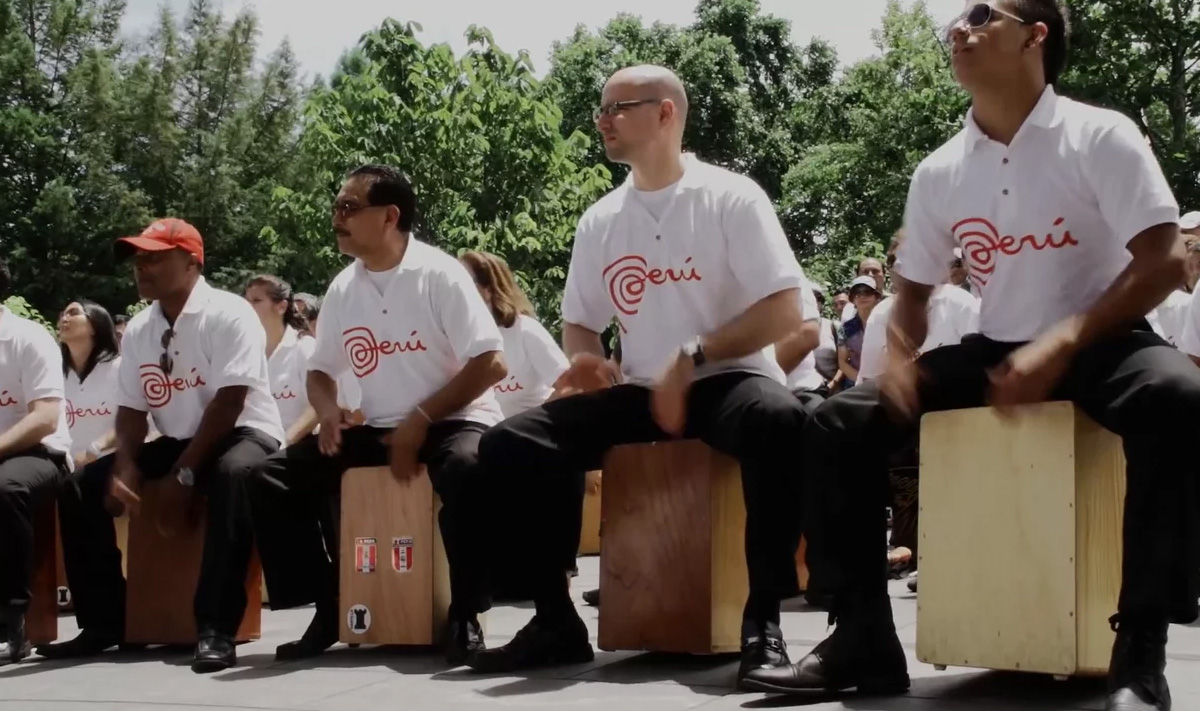
After the Opening Ceremony of the 2015 Folklife Festival, 100 Cajoneros—an ensemble of Peruvians living in the United States—welcomed the Perú: Pachamama program to the National Mall.
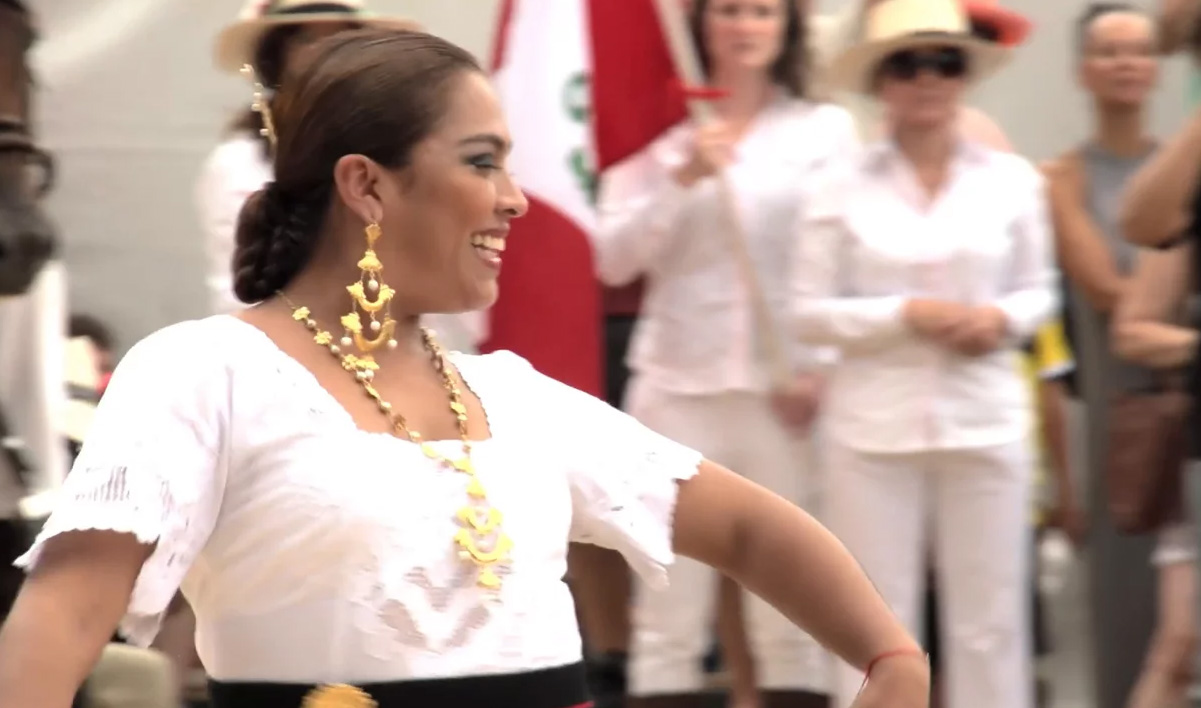
One of the origin theories behind Marinera dance is the story of a soldier who, when riding through a village in coastal Peru, noticed a beautiful young woman.
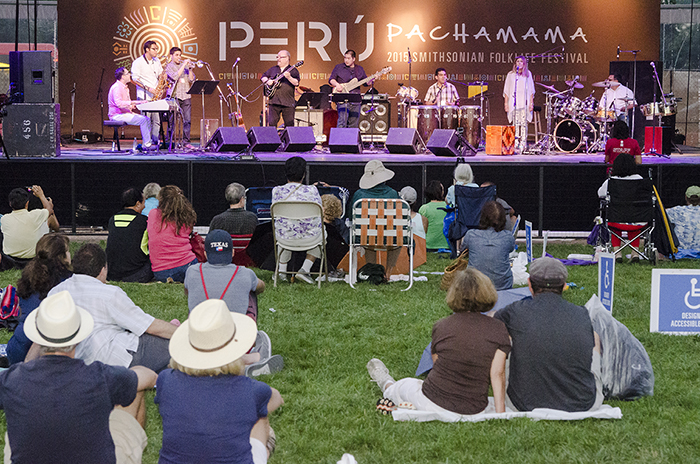
Heavy rain shortened our Independence Day programming at the Folklife Festival, but visitors who braved the weather were able to see music, dance, and crafts traditions from across Peru.
The Ballumbrosio family and other members of the Afro-Peruvian group Tutuma invite visitors to join in this celebration as they provide the soundtrack: guitars, various percussion, a rattling quijada donkey jawbone, and infectious group vocals.
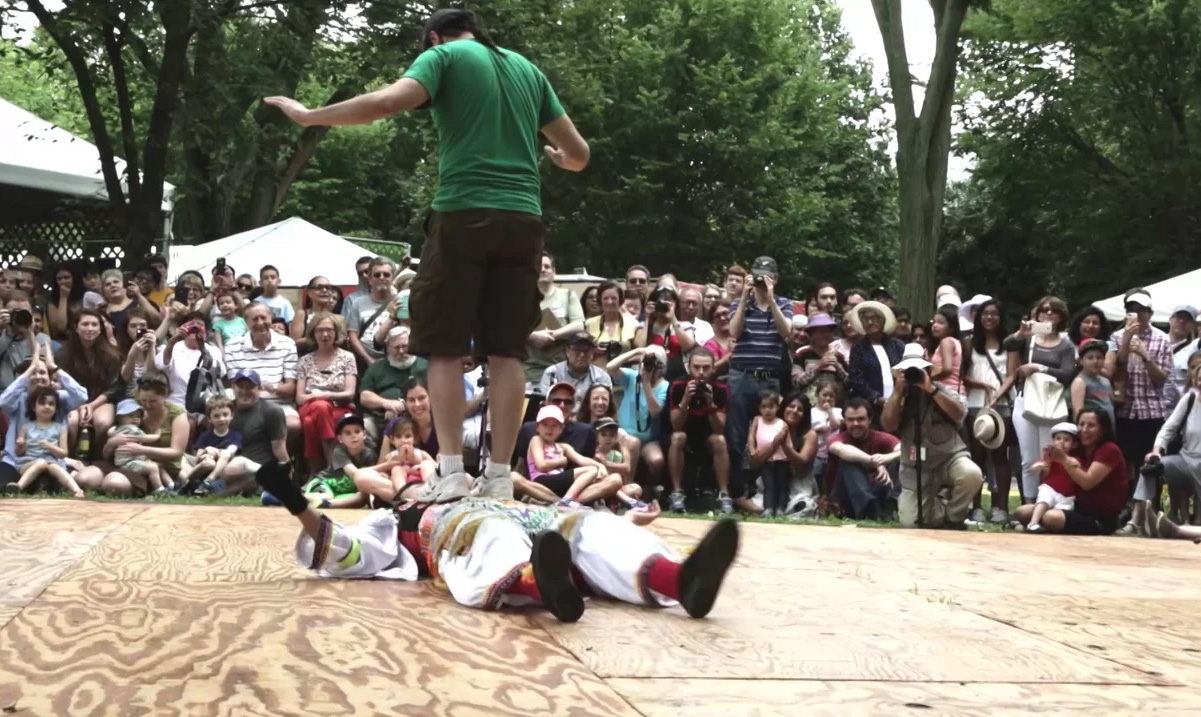
During the first Festival Community Day at the 2015 Festival, Peruvian dancer Steve Cotaquispe, who was born in Ayacucho, came from New York to present the danza de las tijeras—the scissors dance.
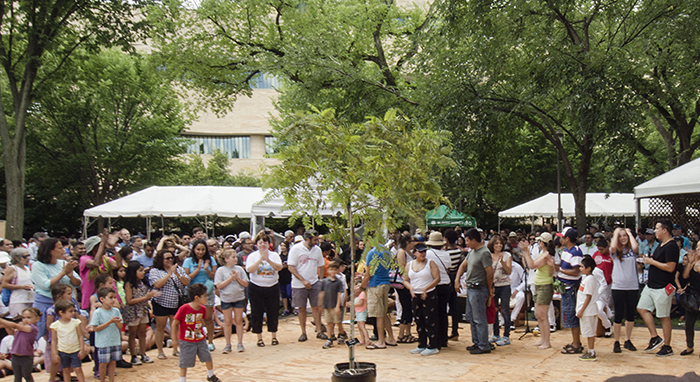
The Folklife Festival grounds filled to the brim on this federal holiday, as thousands of tourists and D.C. residents got an intimate view of some of Peru’s cultural heritage and continued a nonstop schedule of artisan workshops and lively performances.
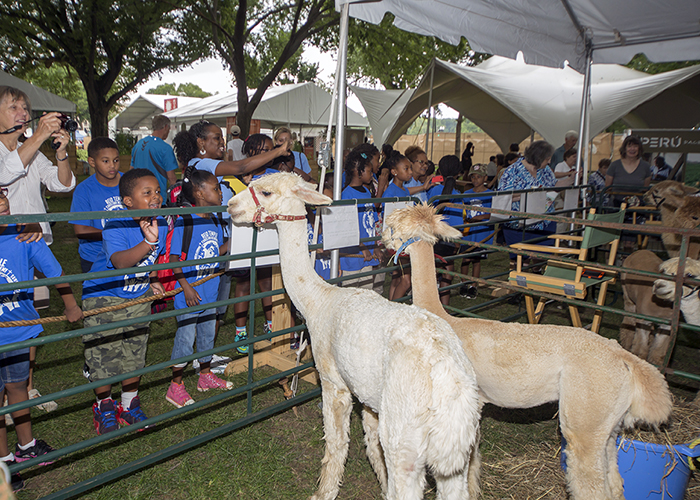
Of the many animals significant to Peruvian traditional culture, one is especially celebrated in the Andes: the alpaca. Smaller than their llama cousins, alpacas are too small to use as pack animals
Support the Folklife Festival, Smithsonian Folkways Recordings, Cultural Vitality Program, educational outreach, and more.