
more
Peru
Posts tagged with Peru
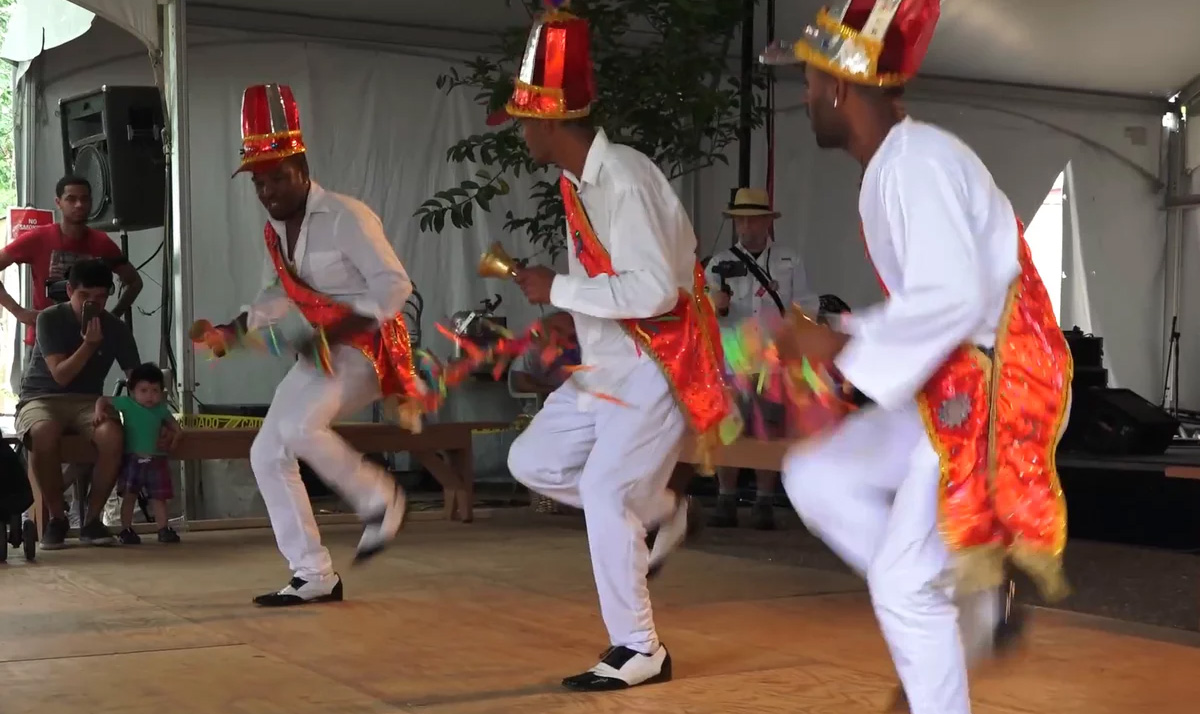
The members of Afro-Peruvian dance group Tutuma use their feet as percussion instruments with tap-like zapateo steps that have evolved from the historical dance traditions of enslaved Africans in Peru.

The Festival’s seventh day brought many important guests. The new Secretary of the Smithsonian , David Skorton, spent his second day on the job exploring the Perú: Pachamama program.

Most Americans think of “constellations” as linear figures drawn by connecting individual stars. We often associate them with Greek or Roman myths, but many other cultures attach their own stories to shapes they see in the night sky.

Peru is a country of great linguistic diversity. While Spanish is used widely throughout the country, Peru is also home to more than ninety indigenous languages.
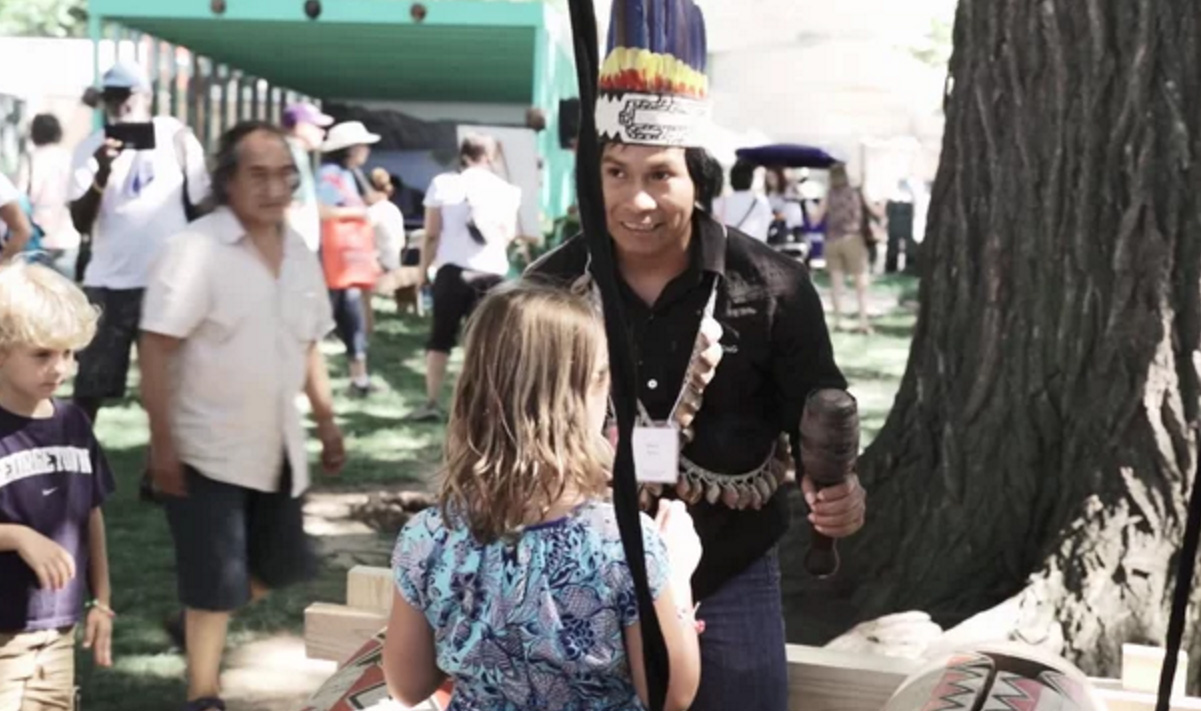
Amazonian painter Brus Rubio creates abstract scenes of Huitoto-Bora myths, local stories, and songs in addition to singing and playing the manguaré, a pair of drums made from tree trunks.

After a two-day break and a relentless overnight thunderstorm, the Folklife Festival returned to the National Mall. Thanks to the efforts of our Smithsonian colleagues and the National Park Service staff, the Festival site was able to open
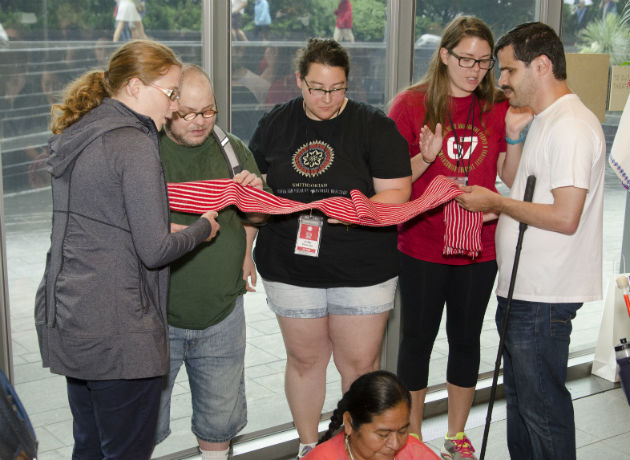
The rain on June 27 may have pushed the Festival inside the National Museum of the American Indian, but it didn’t stop this year’s first tactile and verbal description tour.
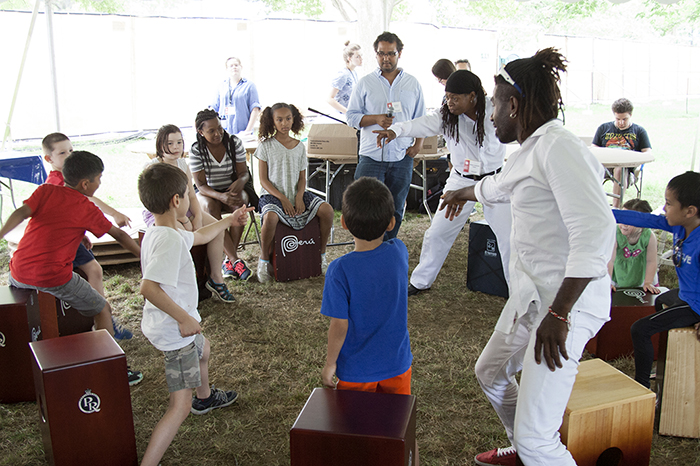
Here is a short guide to a few of the activities and performances that have been especially popular with kids in the Perú: Pachamama program
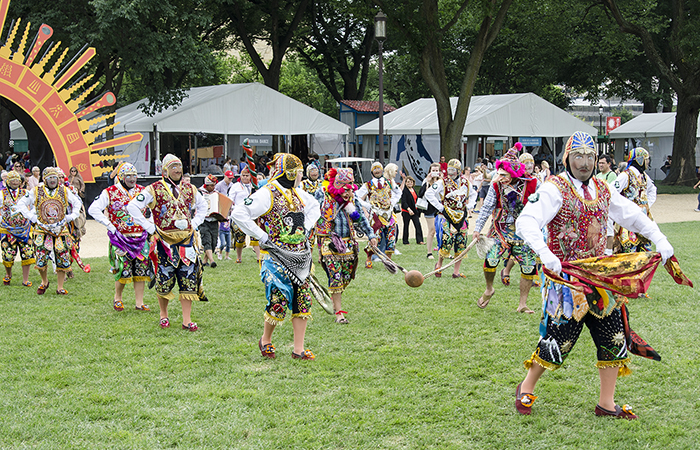
With their glittering multicolored costumes, ear-splitting whip cracks, expressive masks, and a marching song you’re sure to get stuck in your head, the Fiesta de la Virgen del Carmen procession has been a crowd favorite at the Folklife Festival.

The event featured a few of the visiting performance groups representing the Perú: Pachamama program, plus speakers from the Smithsonian, the National Park Service, American and Peruvian embassies, and more.
Support the Folklife Festival, Smithsonian Folkways Recordings, Cultural Vitality Program, educational outreach, and more.